Giant from Vovchansk. Interview with Head of the Vovchansk Military Administration
Tamaz Hambarashvili, Head of the Vovchansk Military Administration, about his injury, the evacuation of civilians, and the work of utility companies amid daily shelling
By Dmytro Syniak
Vovchansk is one of the few Ukrainian cities that the russians occupied twice. As it is only 4 kilometres from the border, the invaders reached it on 24 February 2022. The mayor, Anatolii Stepanets, initially took a pro-Ukrainian stance, but later joined the occupiers. For this offence, as defined by three articles of the Criminal Code of Ukraine, he now faces life imprisonment and the confiscation of his property. However, the occupiers only stayed in Vovchansk until 12 September 2022, when they were defeated by the Armed Forces of Ukraine. In May 2024, they unexpectedly attacked Vovchansk again, showering the city with bombs and artillery shells. They had hoped for a blitzkrieg victory, but were only able to advance a few kilometres.
Already in July 2024, the world was horrified to see photos and videos from Vovchansk, which had been literally reduced to ashes. Despite this, the russians do not fully control it: according to the Deep State map, the southern outskirts of the city remain in a grey zone.
Tamaz Hambarashvili, who was born and raised in Zolochiv district of Kharkiv region, became Head of the Vovchansk Military Administration in October 2022. Prior to this, he had headed the Zolochiv District Administration, which was abolished due to administrative reform. At the time, the local press reported that Hambarashvili was the tallest official in Kharkiv region, with a height of 205 cm. Now, the giant from Vovchansk is actively assisting the military, overseeing the evacuation of residents, striving to provide them with everything they need, and believing unconditionally in victory. Over two years of fierce fighting for his community, he has been wounded and has learnt to work in extreme conditions – without electricity or communications and under constant shelling. Tamaz Hambarashvili shared his story with ‘Decentralisation’ Portal.
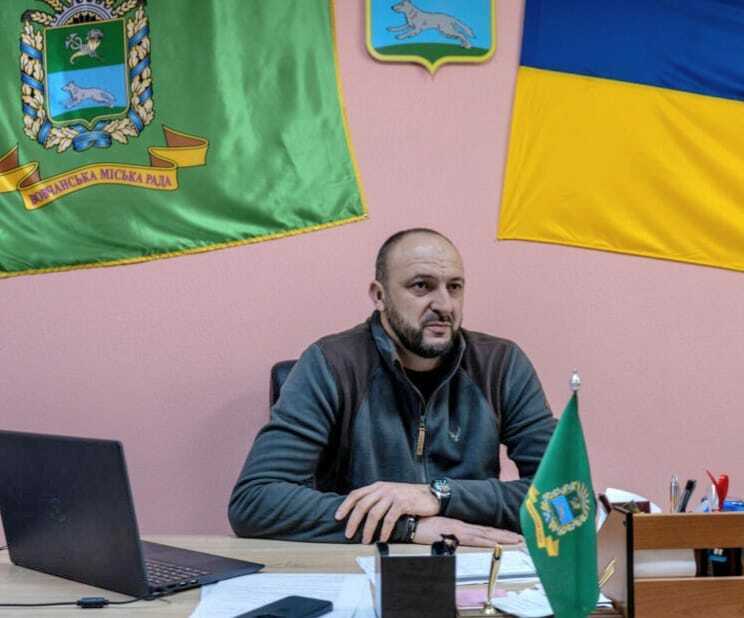
Tamaz Hambarashvili, Head of the Vovchansk Military Administration
‘Nine-storey buildings have been reduced to their basement…’
There have been reports in the media that, on 12 April 2025, there were still 15 residents in the southern part of Vovchansk. Are there any residents in Vovchansk community and in the city of Vovchansk now?
Vovchansk is now a complete wasteland. While we were still talking about damage to the city in 2024, we are now talking about its total destruction. There are no intact buildings left in Vovchansk – only piles of bricks and rubble. Therefore, it is very difficult to say whether anyone still lives there. Some streets have disappeared from the map. Sometimes the military report seeing a few civilians in the city, then these civilians seem to vanish somewhere, only to reappear later, but in different numbers. So this figure, so to speak, varies from zero to 15, and it is impossible to verify. But in Vovchansk community, which, by the way, is the second largest in Kharkiv region (with an area of almost 1,500 square kilometres), the situation is slightly different. There are still 1,643 people remaining in the villages of the community. They live mainly in villages far from the front line. And most of them are pensioners…
… and traitors?
This is always a difficult topic to discuss. People are afraid to voice their views to the military. And the military have no time to debate with every old man and woman. However, one thing is certain: there are no russian collaborators among them. They all know perfectly well what the front line is. Moreover, it is not easy to help the russians when the community has been without communications or electricity for a long time. Life would be very tough for those who have stayed if it were not for the military administration and numerous charitable organisations.
Talking about the level of destruction, can Vovchansk be compared to Bakhmut?
Not at all! Vovchansk has been devastated far more than it has! Just consider this: nine- and five-storey buildings have been reduced to their foundations! And what a cosy, beautiful city Vovchansk was before the full-scale invasion! The picturesque Vovcha River flows through the city, thick forests are all around, and a large water reservoir lies nearby. What a wonderful place to live! But then the war broke out…
What can you tell us about the evacuation of local residents? Where are they living now?
Before the full-scale invasion, there were around 18,000 residents in Vovchansk, and the entire community had twice that number. The vast majority of residents evacuated immediately after the de-occupation in September 2022. Everyone realised that living just 4 km from the border with the russians was dangerous. Therefore, civilian casualties from the russian offensive in 2024 were relatively low. People left, mostly for territory controlled by the Ukrainian government. Most of them stayed in Kharkiv region. That is why we set up the Vovchansk Humanitarian Hub in Kharkiv. It provides aid to – just think about this figure – almost 13,000 of our fellow citizens! They have a deep bond with our region; they do not wish to leave, even though they have the opportunity to do so.
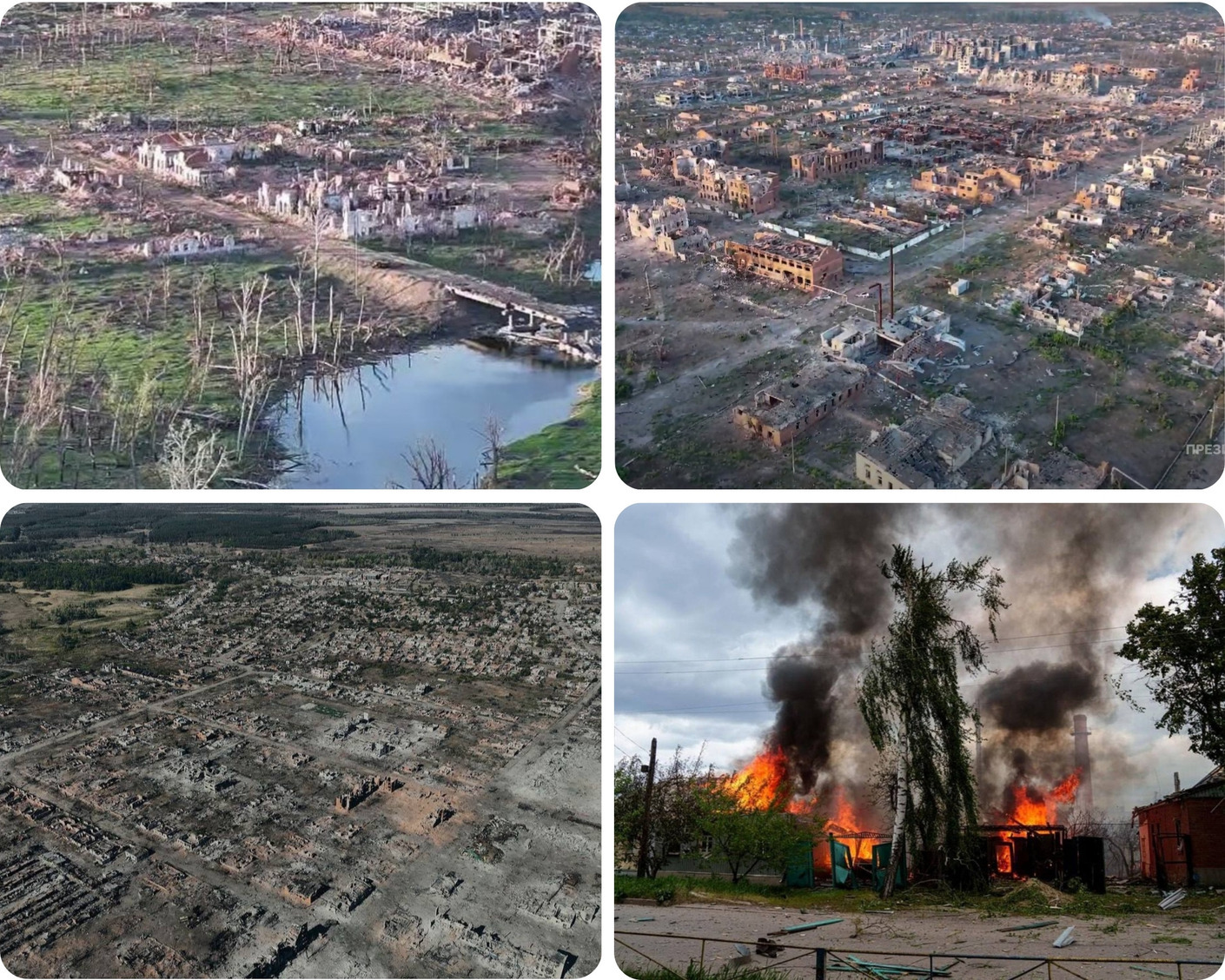
Фото 21-25б. Ruins of Vovchansk
A film about Vovchansk, shot in June 2024
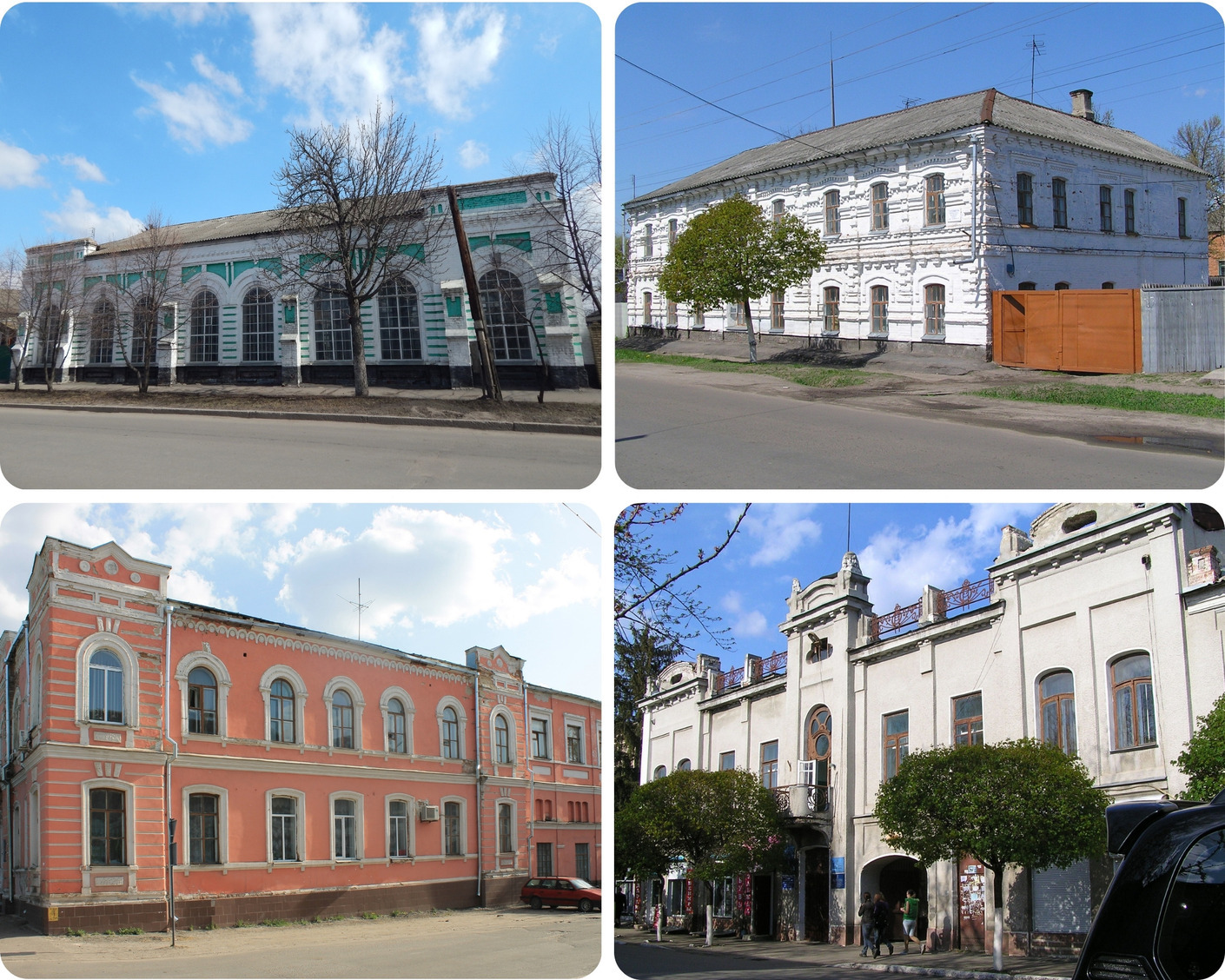
Vovchansk before the full-scale invasion
Damaged homes are examined using photographs taken from space
How and in what ways does the Vovchansk Military Administration help its residents who have been displaced to other communities?
I should mention here that our hub was one of the first in Kharkiv region. In other words, since 2022, our administration has insisted that we must help not only residents in the community itself, but also those who have left it. People should not feel abandoned. Besides, our concern for those who have left encourages those who remain to evacuate. How exactly do we help? Our humanitarian hub provides all our residents not only with food parcels and personal hygiene items. There, they can also receive free assistance from lawyers, psychologists, social welfare specialists and others. Anyone who wishes to can also obtain information on business development loans, as well as receive any certificates, job referrals, or even a medical consultation. But most importantly, our hub is a place where our residents can once again feel connected with their former neighbours, friends, and acquaintances. This sense of connection is perhaps the most important thing we can offer them.
What are the biggest challenges you currently face as a head of the military administration?
Primarily, providing assistance to our residents who have lost their property and homes. We are placing the utmost emphasis on the prompt issuance of housing certificates and the restoration of property documents, amongst other things. We are aware that these documents give people the opportunity to start a new life.
The Kharkiv Regional Military Administration reported that residents of the region have already received 8,000 housing certificates. How many of these are residents of Vovchansk community? How difficult is it for them to obtain these certificates at the moment?
We have been actively issuing certificates. Out of 6,000 applications, 1,200 have already been processed and approved. That means 1,200 of our residents have already bought their own homes! The process has gone much more smoothly since we began working with the State Space Agency of Ukraine this year on remote examination of houses. In many cases, a special commission can draw its conclusions based on photographs taken from space.
Vovchansk was famous for its aggregate plant. However, back in 2022, the press reported that the plant had been completely destroyed. Was it possible to evacuate the equipment from there? What is the situation with the relocation of businesses from the community in general?
When it comes to the aggregate plant, ask its managers. We know that some equipment was successfully relocated from the plant following the de-occupation in 2022. However, it was impossible to evacuate the majority of the equipment. The situation is the same for other enterprises. Smaller enterprises mostly left immediately after the de-occupation, whilst larger ones continued to operate for some time. Now they are all destroyed and in ruins.
What do you know about the crimes committed by the russians in the community during the occupation?
The russian torture chamber at the Aggregate Plant is probably known throughout Ukraine. Over a hundred Ukrainian activists passed through it, held in the cellars there for up to two or three months in some cases. The torture chamber was so horrific that people across the whole of Kharkiv region were terrorised by it.
Is Vovchansk community helping the army during these difficult times, without receiving any income?
Absolutely, because supporting the army is not just our sacred duty. It is also an investment in the defence of every inch of our land, and a guarantee that the enemy will not be able to capture our community. We do indeed have almost no revenue of our own at the moment, but the state still compensates us for the shortfall through subsidies. We pass on the largest share of our available funds to our Armed Forces. Last year alone, we transferred over UAH 90 million for diverse military needs. This is out of a total budget of UAH 180 million. Right now, there are requests from the military in my office totalling around UAH 31 million. And we will try to meet them all; we are not going to turn anyone away.
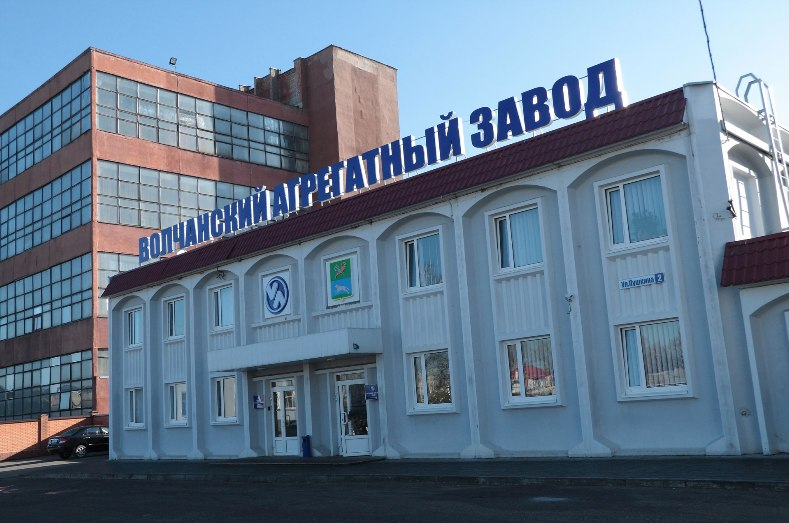
The Vovchansk Engine Plant before the full-scale invasion
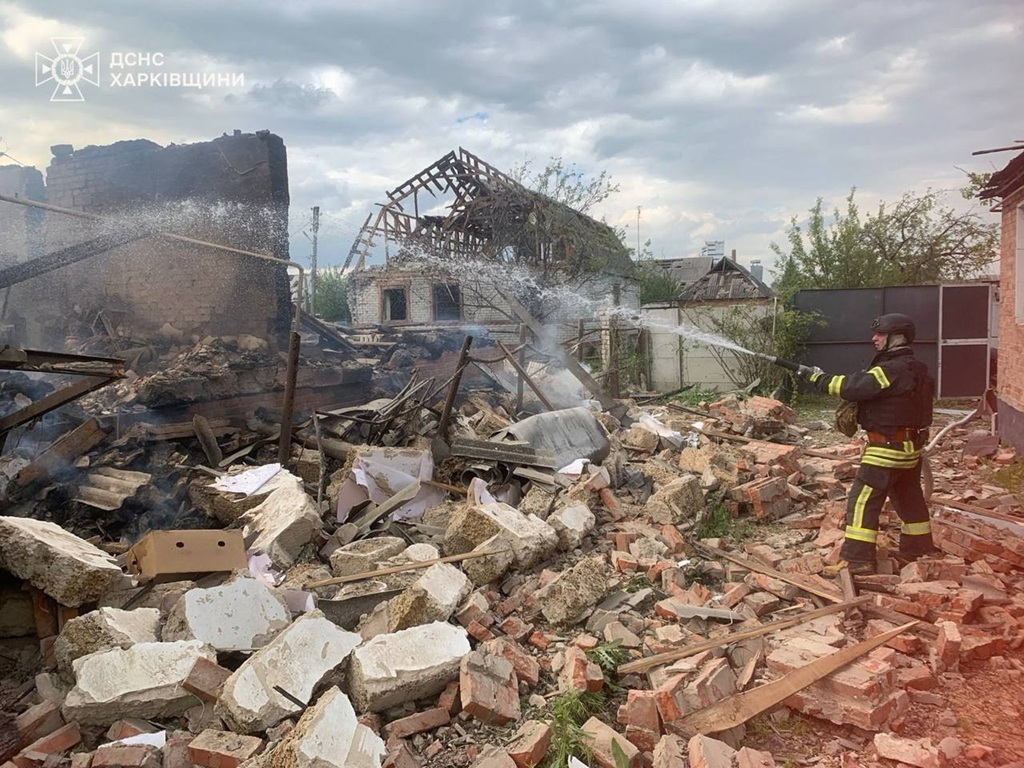
Firefighters extinguishing a blaze caused by russian shelling in Vovchansk in 2023
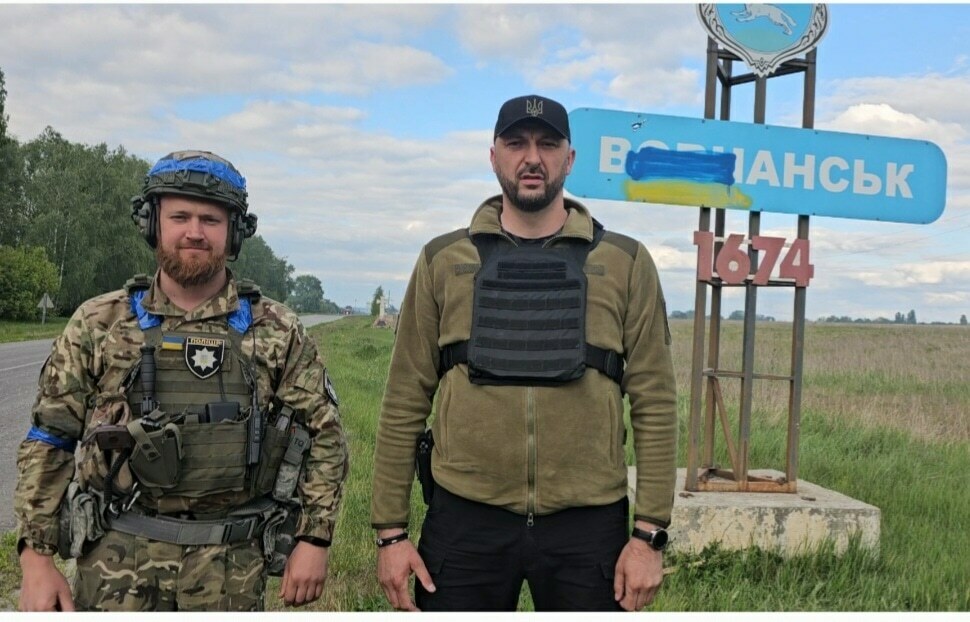
Shortly before being wounded. Vovchansk, 2024

Handover to defenders of two off-road vehicles purchased by the Vovchansk Military Administration
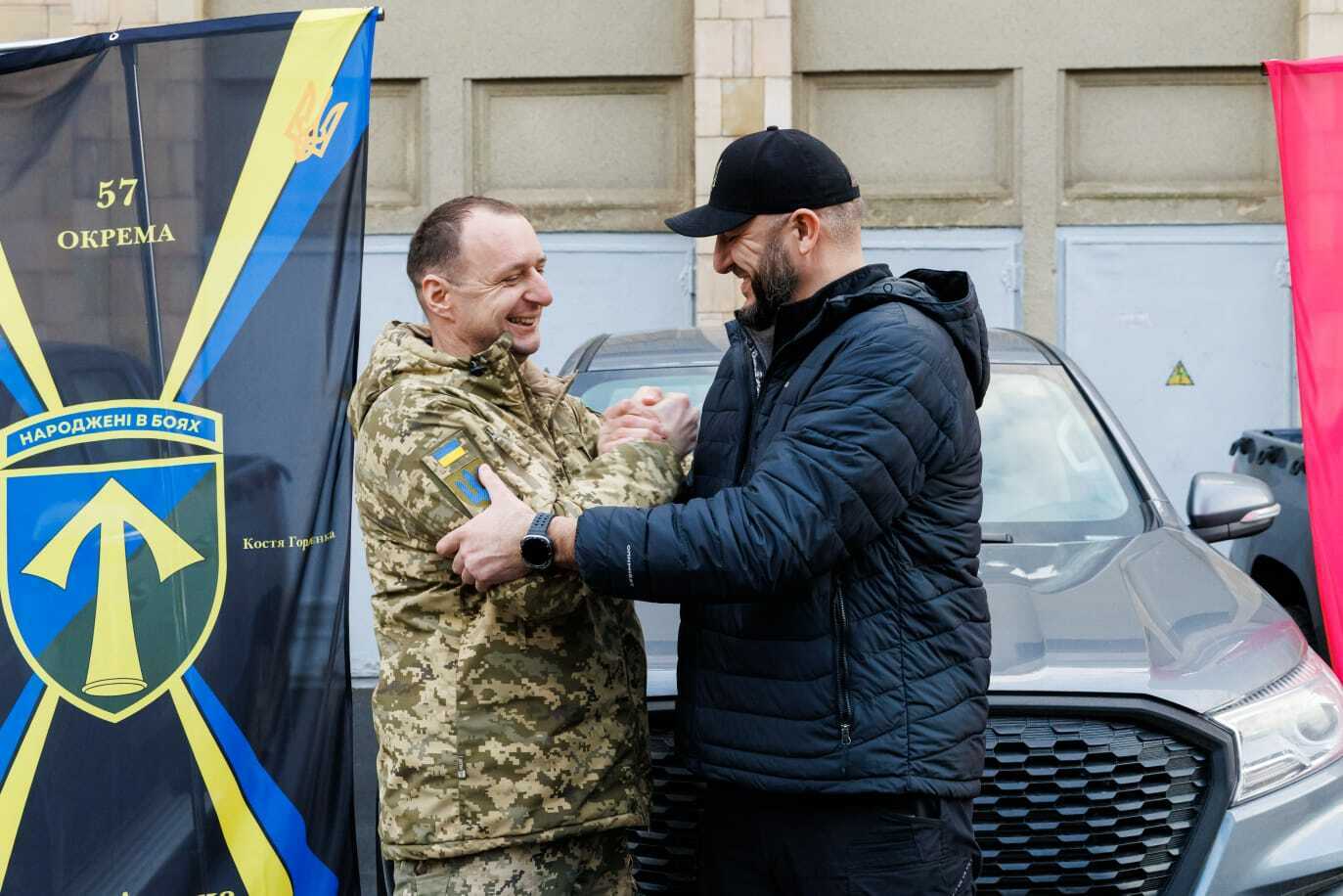
Tamaz Hambarashvili with Colonel Yevhen Solodaiev, commander of the 57th Separate Motorised Infantry Brigade, after the handover of three pick-up trucks to his brigade. Autumn 2025
About the Vovchansk Hub and international cooperation
The website of the Vovchansk Military Administration reports that, as part of an international technical support project run by the Partnership for a Strong Ukraine Foundation, the community has received a brand-new Renault Trafic passenger minibus. How do you plan to use this gift? What else does your community need?
From the very first days of the occupation, we have been working with various charitable foundations and international organisations. They try to meet all our needs promptly, and this minibus was one of those needs. We need it to evacuate people and to provide them with everything they require. After all, the enemy stole almost all of the community’s vehicles when they retreated. And their offensive in 2024 was so unexpected that we simply had no time to evacuate our vehicles.
If you need an evacuation bus, does that mean people are gradually leaving the area?
That is right. This is something we talk to them about all the time. The entire territory of the community is now extremely dangerous; russian drones constantly attack not only the military but also the civilian population. So yes, people are leaving. Of course, they can only take a very few belongings with them. That is why the Vovchansk Hub in Kharkiv is so important to them, as there they can receive not only food and money, but also other items they need. These items come from Global Empowerment Mission (GEM), UNICEF, the UN, and the Red Cross. We work with all these organisations.
But anyway, is their help not enough?
Of course not, because we are taking care of 13,000 people! Moreover, we had to provide nearly 10,000 of them with everything they needed, literally from scratch. So, the needs are great. The military administration, incidentally, supplements humanitarian aid with payments to socially vulnerable groups: people with disabilities, relatives of those killed or missing in action, and so on.
How do the partners in the ’Shoulder-to-Shoulder: Cohesive Communities’ Project help Vovchansk?
Last December, within the framework of this Project, we signed a Memorandum of Understanding with Irpin community and are currently negotiating possible cooperation and assistance. However, I cannot yet boast of any tangible results. I am convinced that the best is yet to come!
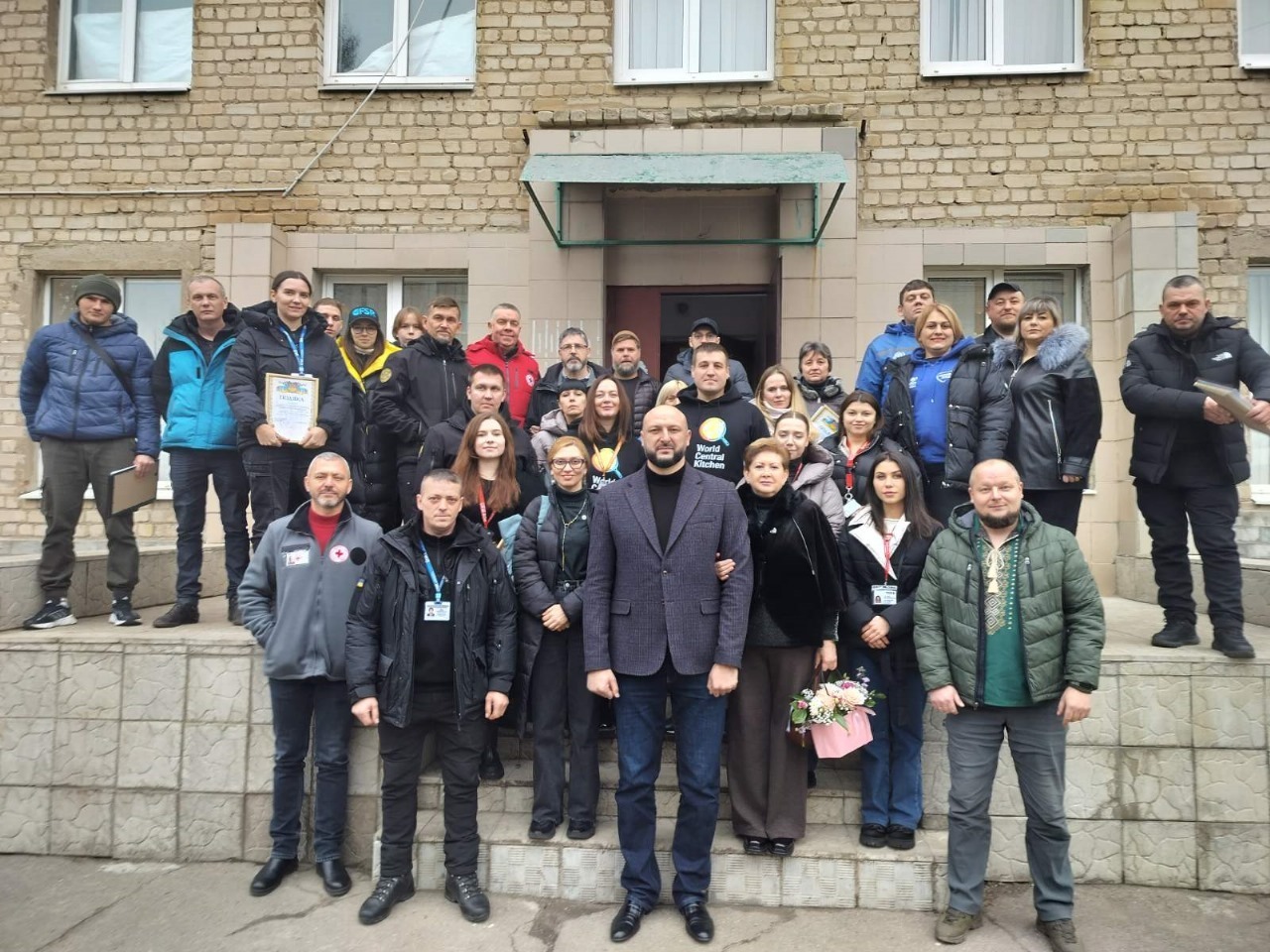
At the Vovchansk Hub
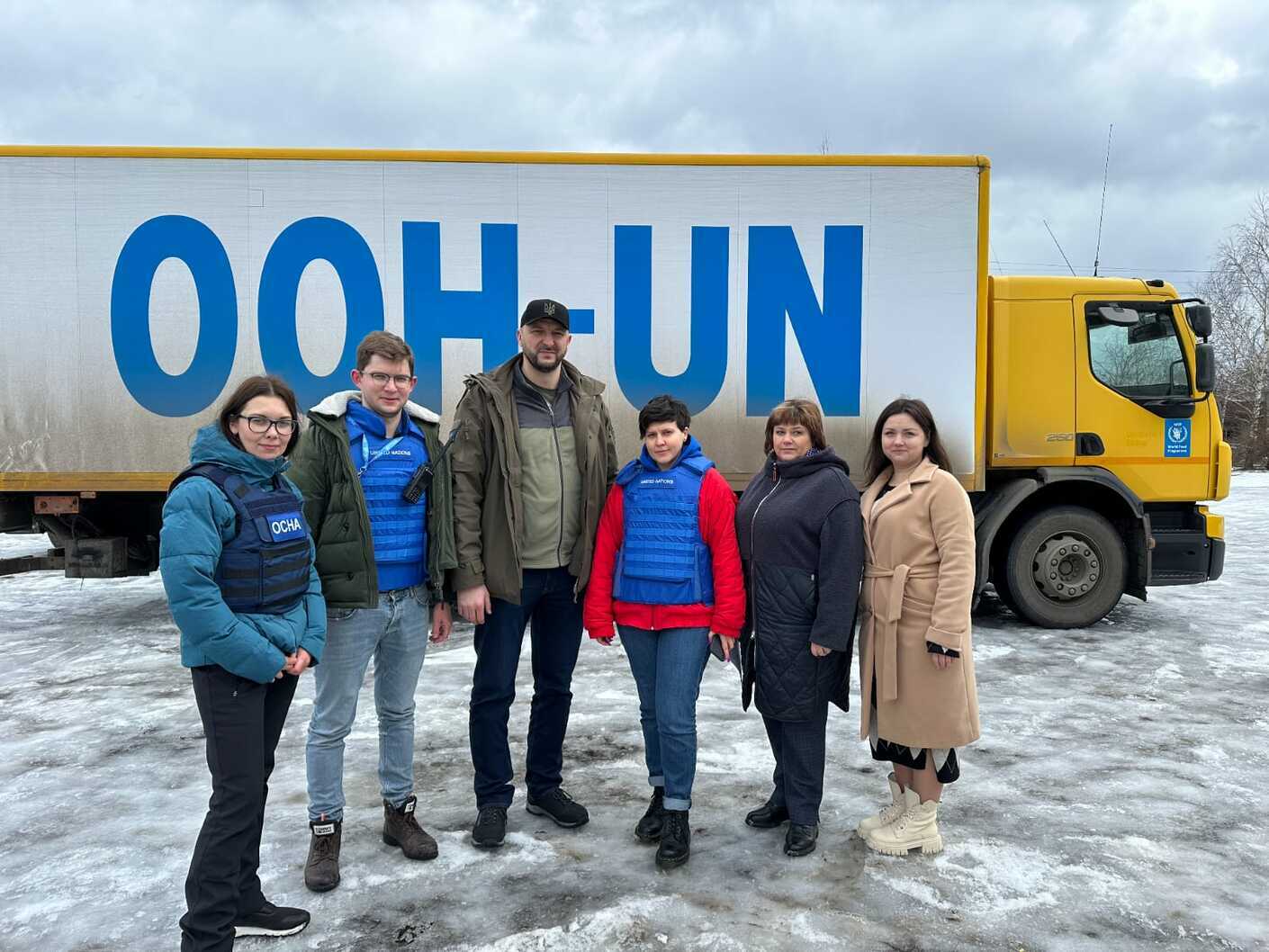
Humanitarian aid received from the UN
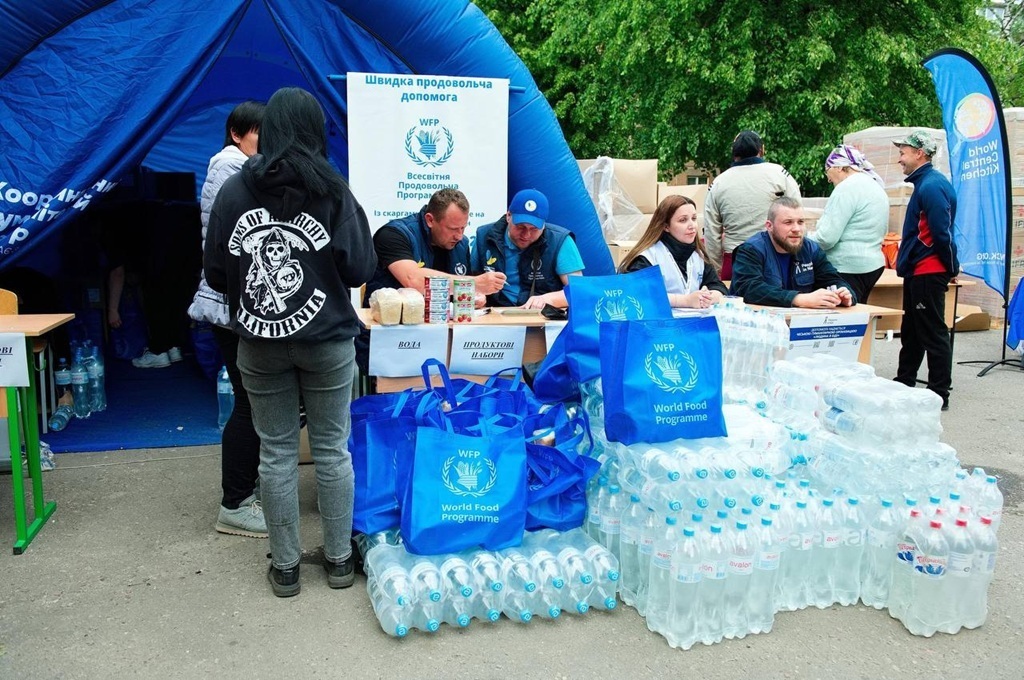
Humanitarian aid for Vovchansk community from the World Food Programme
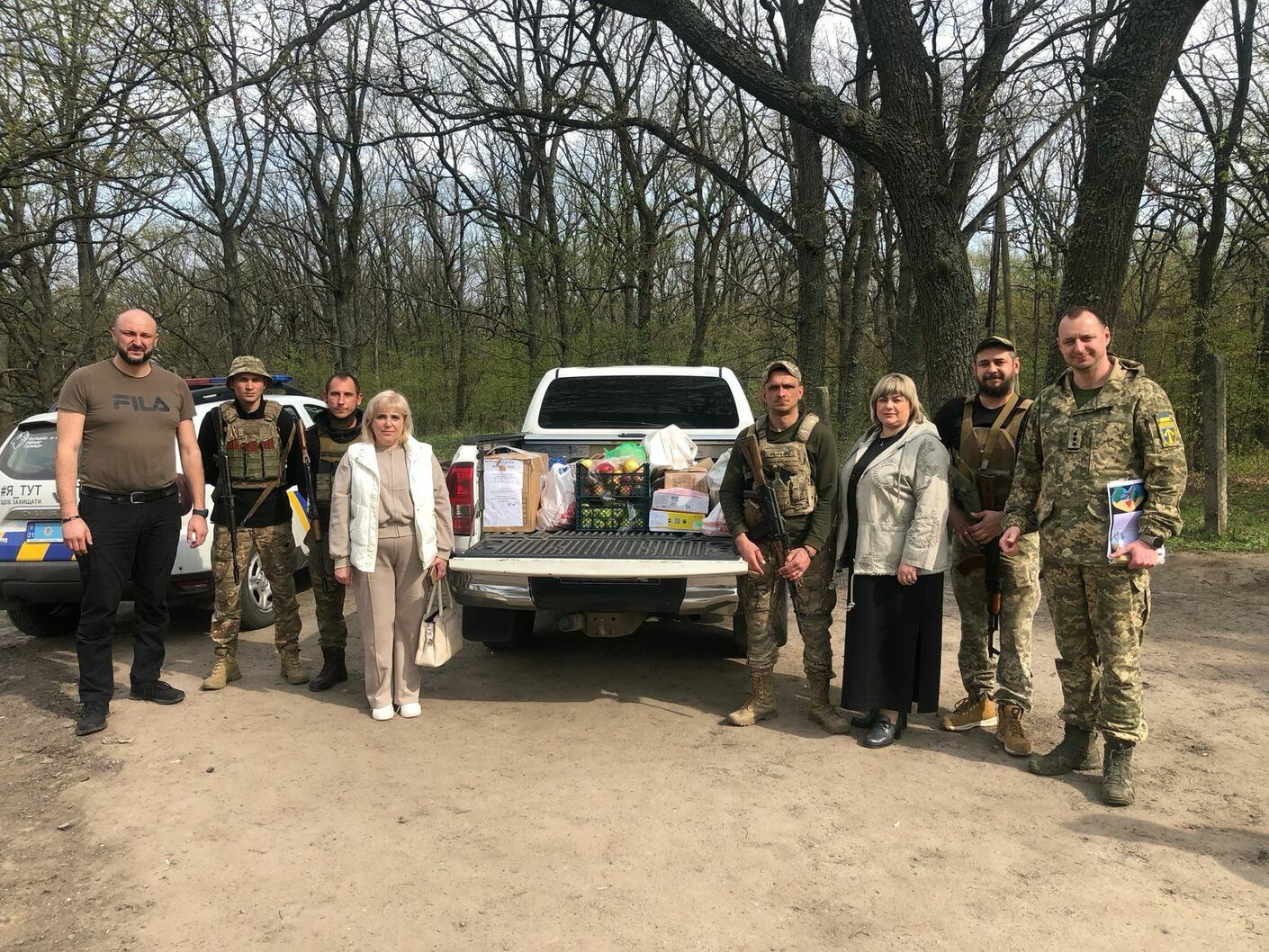
Community educators handed over Easter treats to soldiers of the 57th Brigade, 2025
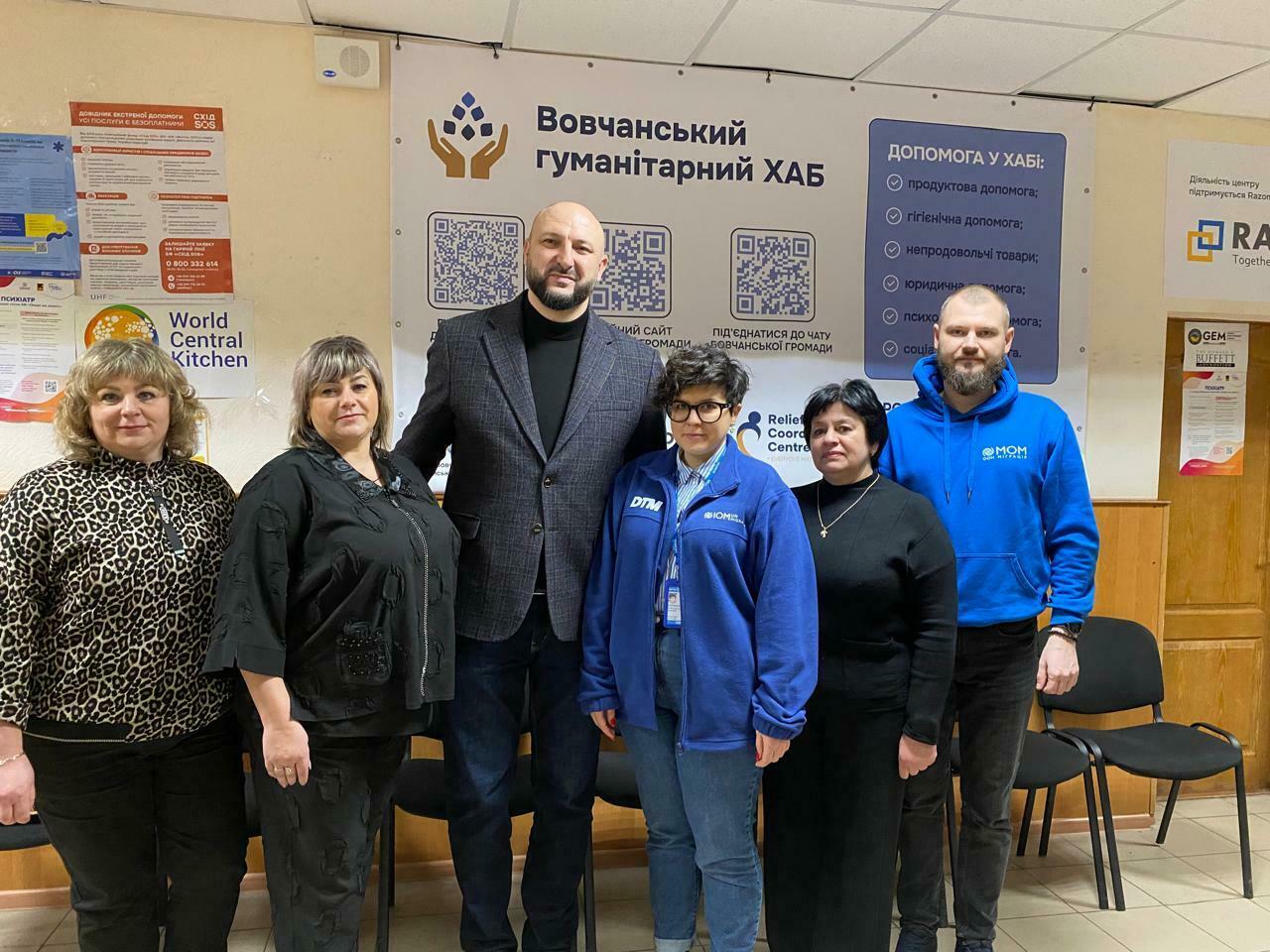
. Tamaz Hambarashvili at the Vovchansk humanitarian hub with his employees, deputies, and representatives of donors
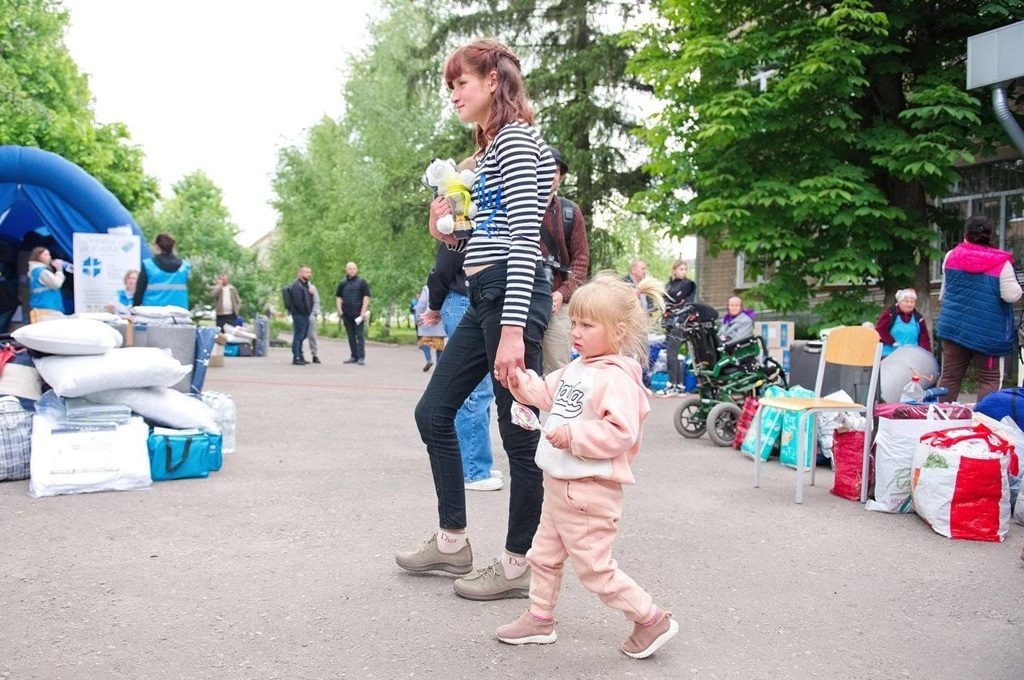
Handing out humanitarian aid to residents of Vovchansk community in Kharkiv
90% of the staff at the Vovchansk City Council are women
A few weeks ago, you announced the start of a public consultation on the future of the 27 educational institutions in the community. Are there any preliminary results yet? How does the military administration envisage the reorganisation of its education network?
Education is a priority for us, therefore my first order in 2022 was to resume the educational process and reopen schools. It is very important that children study in our schools, even if it is online. Of course, physically all the schools have been destroyed, but we are trying to retain the pupils and teaching staff. At present, there are six schools operating online. Over a thousand pupils study there. For now, we would like to keep these six schools open and close all the others. We will see what the discussions result in. Besides, much depends on the number of children: there are certain minimum class size requirements that we must adhere to.
The Vovchansk Central District Hospital is currently operating in Chuhuiv. How would you describe its work there?
It was relocated there in 2024, and we are very grateful to the Chuhuiv City Council for finding us premises, and to the regional military administration, which facilitated the relocation of the hospital. Our hospital is now providing all the services it did before. Everything is almost as it was in Vovchansk. In general, our military administration is committed to preserving all our utility facilities as much as possible. We believe they should continue to operate and provide services to our residents, as well as to the residents of the cities and villages that have hosted them.
How exactly has the Kharkiv Regional Military Administration helped Vovchansk community, and how is it helping now?
Firstly, it provides us with humanitarian aid, generators, fuel, construction materials and similar items. We can always contact its departments. The regional administration also provides us with the specialists we need. At the moment, for example, it is very difficult to find doctors for our hospital. It was not easy even before the full-scale invasion, and now, with many men at the front, it is even more difficult. How are we getting through this? We employ women. For instance, 90% of the staff at the Vovchansk City Council, which is subordinate to us, are women.
Another question is about the utility companies that were responsible for infrastructure development. What has become of them now?
Fortunately, we managed to relocate some of the utility vehicles, and they are now in use in other communities, by our neighbours. As for the utility companies, we have downsized them as much as possible. One of them still provides services in Bilyi Kolodiaz and Novooleksandrivka, supplying centralised water to those villages. The pumping stations remained intact there, but for them to operate without disruption, someone has to look after them. That is what our employees are doing, hiding during the shelling, which continues on a daily basis.
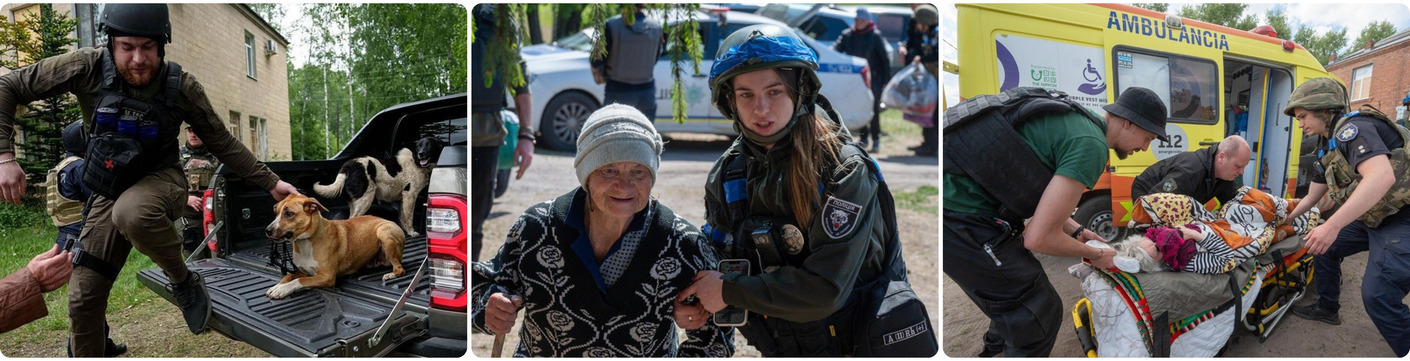
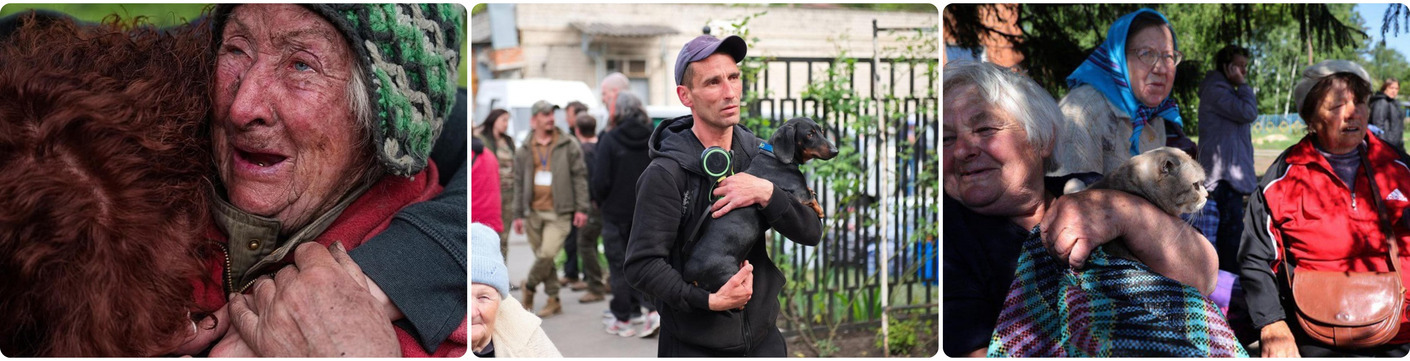
Evacuation
‘The resilience and solidarity of Ukrainians are impressive!’
You were Head of the Zolochiv District Administration. In your opinion, are district administrations necessary at all? Could this level of administrative management be abolished?
Although I was dismissed from office as head of the district administration due to the administrative-territorial reform, I support it, just as I support the decentralisation reform in general. Leaving a significant portion of funds at the local level is a very sound decision, as is the enlargement of districts. However, I would not abolish district administrations entirely, as there are certain district-level issues that they still handle. For instance, military registration offices operate specifically at the district level. Furthermore, there are currently 56 communities in Kharkiv region. Each has its own problems, its own issues, its own needs. The regional administration would be overwhelmed by them. As it stands, the district administrations take on part of the burden, gathering certain issues and reporting them to the regional administration in a more concise manner, so that the latter can make solely strategic decisions.
What has struck you most during this war of aggression?
The resilience and solidarity of Ukrainians: qualities they have demonstrated from the very first days of the full-scale invasion right up to the present day. And this applies primarily to border communities. In many ways, thanks to their resilience, Ukraine is still holding out, despite everything. The enemy has failed to either destroy us or intimidate us. We stand firm, and we will achieve victory.
It is commonly known that you were wounded in 2024. How are you feeling now?
Indeed, I was wounded in May of the year before last, when an intense counteroffensive commenced. Whilst we were engaged in the evacuation of the civilian population, the enemy launched a missile strike on our evacuation headquarters. The attack was conducted using prohibited cluster munitions. That is when I was wounded. However, I am well now, thank you.
Tell us a little about yourself. When you were appointed head of the Zolochiv District Administration in 2020, you were described as the tallest government official in Kharkiv region. Does your height help you in governing one of the most difficult communities in Ukraine?
My height helps with everything, and especially with leadership. (Laughs). So, in a way, I have to thank my parents for that. Let’s face it, with a person of my height and build, argument is difficult.
What would you like to say to the Government and Parliament? They might not dare to argue with you. What would you like to change about the system of military administrations?
We are always in touch with the regional administration, key ministries, and some MPs. So, if anything comes up, we let them know straight away. And I have to say that most of these problems get sorted out very quickly. That gives us hope. We feel that we are important to the whole country. And that makes us more resilient.
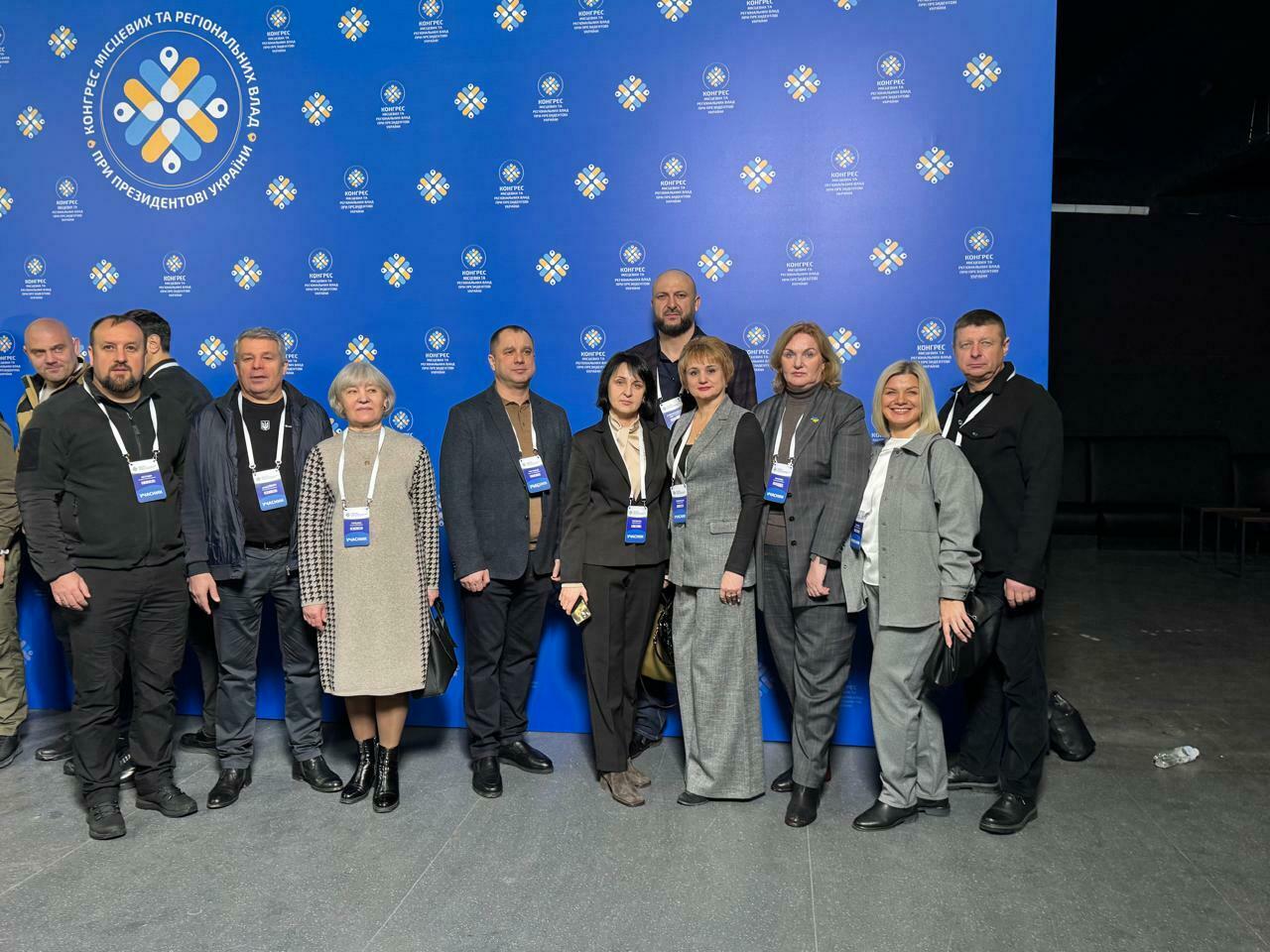
At the Congress of Local and Regional Councils, Tamaz Hambarashvili was the tallest delegate
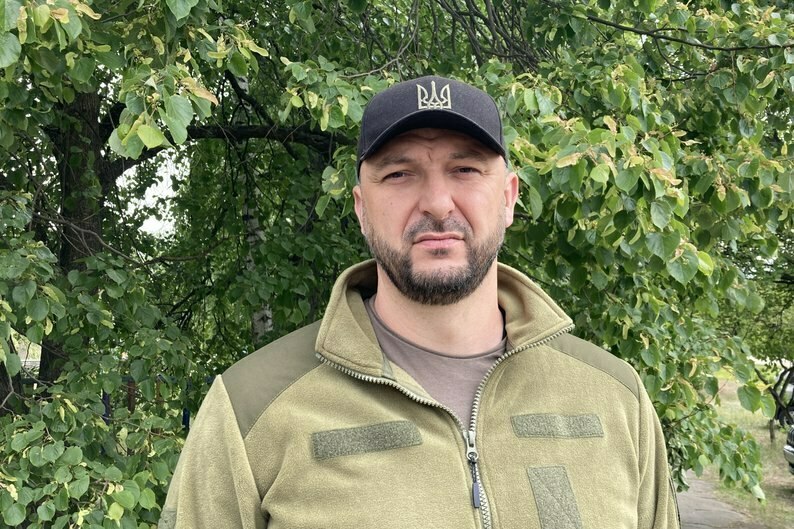
Arguing with a person of that height and build is difficult

18 May 2026
Міносвіти: 1,2 мільярда гривень спрямують на...
Кабінет Міністрів України вніс зміни до постанов № 1554 та № 170, які регулюють розподіл субвенції «Нова українська...
18 May 2026
Пресанонс брифінгу: Чи стане реформа публічних...
Дата: 21 травня 2026 року Час: 13:00 – 13:45 Місце: 01001, м Київ, вул. Хрещатик, 2, Український кризовий...
18 May 2026
Українська асоціація районних та обласних рад стала повноправним членом ALDA
Українська асоціація районних та обласних рад...
Українська асоціація районних та обласних рад (УАРОР) отримала статус повноправного члена Європейської асоціації...
18 May 2026
Новий Європейський Баугауз (NEB) в Україні: запущено процес створення Хабу Академії НЄБ
Новий Європейський Баугауз (NEB) в Україні:...
Під час заходу було представлено бачення Хабу Академії НЄБ як національної платформи для навчання, розвитку...