Фінансування проєктів відновлення: де і як громадам шукати ресурси
Відновлення українських громад — це передусім про здатність ефективно управляти ресурсами. За оцінками RDNA 5 (Швидкої оцінки завданої шкоди та потреб на відновлення), потреби у відновленні України сягають $588 млрд, і ця цифра щодня продовжує зростати. В таких умовах головне завдання громад — не просто знаходити фінансування, а пріоритезувати свої потреби та спрямовувати ресурси туди, де вони створюють довгострокову цінність для мешканців, мотивують їх залишатись у своїх громадах чи повертатись до них. Йдеться про те, щоб кожен проєкт відповідав стратегічним цілям громади, впливав на її розвиток і не був лише точковим рішенням окремої проблеми. Ми вже розглядали цю тему у статті «Від випадкових грантів до стратегічних проєктів: навіщо громаді проєктний офіс», де мова йде про необхідність переходу від хаотичного залучення ресурсів до системної роботи. Наступний крок — зрозуміти, де саме шукати ці ресурси і як працювати з ними стратегічно.
Важливо, що нові програми та можливості з’являються практично щодня, зокрема на мапі ресурсів для розвитку громад та бізнесу від Міністерства розвитку громад та територій України та канадського проєкту “Відновлення для всіх” (RFA). Більше того, екосистема можливостей сьогодні для громад є дуже широкою — це і грантові конкурси, і навчальні програми, і міжнародні партнерства, і кредити, й інвестиції, і професійні мережі. Це означає, що залучення ресурсів — це вже не разова дія, а безперервна та цілеспрямована робота над рішеннями та партнерством.
Де громадам шукати ресурси на відновлення? Як не загубитися серед десятків програм, донорів і можливостей фінансування? І головне — як підготувати проєкти так, щоб вони справді отримували підтримку — розглянемо у цій статті.
Найпоширеніші фінансові інструменти для громад
І. Грантові конкурси
Грантові конкурси — один із найбільш поширених інструментів залучення ресурсів для громад. Вони передбачають отримання безоплатної та безповоротної фінансової, матеріальної чи експертної підтримки на конкурсній основі, аби реалізувати конкретний проєкт, що принесе важливі зміни громаді й відповідатиме пріоритетам донора.
Водночас грантові конкурси часто передбачають не лише фінансову підтримку. Залежно від умов конкурсу громади також можуть отримати експертний та консультаційний супровід, навчання, менторство, нові партнерства й міжнародні контакти, доступ до професійних мереж та інші можливості для посилення інституційної спроможності. У багатьох випадках саме така підтримка допомагає громадам не лише реалізувати окремий проєкт, а й системно посилити свою команду та підходи до проєктного менеджменту.
Важливо розуміти, що грантові конкурси мають власні пріоритети, цілі та очікувані результати. Саме тому якісна заявка має ґрунтуватися на чіткому визначенні проблеми, обґрунтуванні її актуальності та демонстрації відповідності проєкту потребам громади й цілям програми.
Серед основних надавачів грантів для громад:
міжнародні організації (UNDP, UNICEF, IOM та ін.);
проєкти міжнародної технічної допомоги та програми підтримки громад (U-LEAD with Europe, Polaris, DECIDE, UCORD, PFRU, IREX тощо);
уряди іноземних держав, посольства, агенції міжнародного розвитку та державні фонди міжнародної співпраці:
- Конкурс пропозицій Канадського Фонду місцевих ініціатив – Україна (Посольство Канади в Україні);
- Програма малих грантів Посольства Словацької Республіки;
- Програма фінансової допомоги для проєктів безпеки людини «Кусаноне» від Посольства Японії в Україні;
- Проєкти із захисту прав людини від Посольства Німеччини в Україні ;
- Гранти від Посольства Литви в Україні тощо;
Європейський Союз через програми та фінансові інструменти:
Програми транскордонної, транснаціональної, міжтериторіальної співпраці (у межах Interreg):
- InterregNEXT Польща – Україна;
- InterregNEXT Угорщина – Словаччина – Румунія – Україна;
- InterregNEXT Румунія – Україна;
- InterregNEXT Басейн Чорного моря;
- Interreg Дунайська програма;
- Interreg Europe;
- Urbact.
Окремі секторальні програми ЄС:
- LIFE;
- Horizon Europe;
- ERASMUS+;
- The Single Market Programme;
- The Creative Europe Programme;
- The Digital Europe Programme;
- Connecting Europe Facility;
- EU4HEALTH;
- Union Civil Protection Mechanism.
українські державні програми та фонди:
- Український культурний фонд;
- Український молодіжний фонд;
- Український ветеранський фонд;
- Фонд енергоефективності тощо.
міжнародні та українські громадські, благодійні, релігійні, гуманітарні організації й фонди:
програми соціальної відповідальності бізнесу:
- Kernel;
- МХП — Громаді;
- Vodafone Україна;
- Київстар;
- ДТЕК;
- Фундація Дім Рональда МакДональда
- Metinvest тощо.
Що важливо враховувати громадам при роботі з грантовими конкурсами?
- Конкурси часто мають короткі дедлайни. Прийом заявок може тривати лише кілька днів або тижнів. Тому громадам важливо заздалегідь мати підготовлені проєктні ідеї, які можна швидко оформити відповідно до вимог донора, базові документи та сформований портфель проєктів.
- Сфери грантування залежать від пріоритетів донора. Навіть сильний проєкт може не отримати підтримку, якщо не відповідає актуальним пріоритетам і політикам програми. Тому важливо вивчати логіку, тематичні напрями та підходи донорської організації.
- Висока конкуренція потребує чіткого обґрунтування цінності проєкту. Недостатньо лише описати проблему та запропонувати типове рішення. Важливо показати зв’язок проєкту зі стратегією громади; важливість реалізації проєкту саме зараз, сталість проєкту; спроможність громади реалізувати проєкт, практичне рішення з чітким впливом та потенціалом масштабування.
- Інформація про вже підтримані проєкти донором є важливим джерелом інформації та практичних прикладів. Багато донорів публікують списки таких проєктів. Їх аналіз допомагає зрозуміти: які проєкти підтримуються; типові бюджети; які підходи та рішення є актуальними, а також перейняти корисний досвід і практики інших громад для вдосконалення власної проєктної ідеї.
- Часовий розрив між поданням заявки та стартом проєкту варто враховувати під час планування. Розгляд заявок може тривати від кількох місяців і до року та більше. Це важливо враховувати під час планування строків реалізації проєкту, бюджетів, закупівель, співфінансування та очікуваних результатів, адже між поданням заявки та фактичним стартом проєкту може пройти значний час.
- Гранти передбачають відповідальність грантоотримувача за досягнення заявлених результатів. Громада має виконати заплановані заходи, досягти визначених показників і підтвердити це відповідними документами та даними. Також важливо бути готовими до фінансової та програмної звітності, дотримання процедур донора та комунікації щодо змін у реалізації проєкту та моніторингу результатів, навіть після завершення впровадження проєкту.
- Хто може аплікувати на гранти, а хто може бути партнером. Донори у своїх вимогах до грантових конкурсів вказують перелік юридичних осіб, хто може подаватись на конкурс. Не всі донори дозволяють бути аплікантами саме ОМС, тому цінно завчасно будувати партнерства з організаціями громадянського суспільства, спільно розробляти, подавати та впроваджувати проєкти.
- До конкурсів варто готуватися завчасно. Частина конкурсів є регулярними. Багато програм мають щорічні або циклічні конкурси, тому громадам варто готуватися до них завчасно: напрацьовувати проєктні ідеї, формувати партнерства, готувати необхідні документи та доопрацьовувати заявки між конкурсними хвилями. Це дозволяє накопичувати досвід і системно працювати над залученням ресурсів.
Ефективна робота з грантовими конкурсами — це не разова подача заявки, а системна діяльність: моніторинг можливостей, розвиток партнерств, підготовлений портфель проєктів та постійне посилення спроможності команди громади. А участь у невеликих грантових конкурсах часто стає для громад практичною підготовкою до роботи зі структурними фондами Європейського Союзу.
“Коли ми говоримо про залучення та використання ресурсів на відновлення та розвиток громад, важливо мислити в контексті підготовки до євроінтеграції й розуміти, як відбувається реалізація проєктів і програм там. Адже стратегічне планування без наявності ресурсів для впровадження запланованих заходів, так і залишається лише на папері. Натомість добре підготовлений проєкт може отримати реальний ресурс для реалізації, що означає покращення якості послуг та сервісів у наших громадах, і це чудово”, – зазначив Олексій Рябикін, заступник Міністра розвитку громад та територій України, під час презентації аналітичного звіту та публічної дискусії «Підтримка на місцях: як муніципалітетам знайти донорське фінансування?».

Олексій Рябикін, заступник Міністра розвитку громад та територій України
Окремо громадам варто звернути увагу на проєкт технічної допомоги TESIM (Technical Support to the Implementation and Management of Interreg NEXT Programmes), зокрема його навчальну платформу go for cooperation — ініціативу ЄС, спрямовану на посилення спроможності учасників програм Interreg NEXT. Платформа містить практичні матеріали, навчальні ресурси, рекомендації, вебінари та інструменти, які допомагають громадам якісно підготувати проєктні заявки, налагодити міжнародне партнерство та ефективно реалізовувати міжнародні проєкти.
Для роботи з програмами ЄС громади також можуть звертатися до національних контактних пунктів та офісів програм в Україні. Вони надають консультації щодо умов участі, пошуку партнерів, підготовки заявок та особливостей програм ЄС.
ІІ. Кредити
Кредитні програми є одним із ключових інструментів фінансування різної величини інфраструктурних проєктів, особливо у сферах енергоефективності, модернізації комунальної інфраструктури, транспорту, водопостачання та водовідведення, теплопостачання, управління твердими побутовими відходами та відновлення соціальних об’єктів.
На відміну від грантів, кредитні кошти потрібно повертати, тому громадам важливо оцінювати власну фінансову спроможність, майбутнє навантаження на бюджет та економічний ефект від проєкту. Разом з тим, на відміну від грантів, більшість таких можливостей відкрито саме для ОМС та їх структурних підрозділів.
Станом на сьогодні для громад доступні десятки кредитних програм, які фінансуються через державу (Міністерство фінансів України, Міністерство розвитку громад та територій України), через банки-партнери (державні такі як Укрексімбанк, Ощадбанк, Укргазбанк та приватні), напряму банк — громада (як велика, середня громада з населенням від 100 тис.осіб, як консорціум громад, через обласні гарантії тощо), в перспективі розглядається можливість через Національну установу розвитку (НУР). Частина з цих програм реалізується за підтримки міжнародних фінансових організацій, ключовими серед яких є:
- Європейський інвестиційний банк (EIB), як приклад Програма розвитку муніципальної інфраструктури (у партнерстві з Міністерством фінансів), що є одним із ключових партнерів громад у сфері комплексного відновлення соціальної та цивільної інфраструктури (зокрема через спеціальні програми відновлення України). Основні сфери: термомодернізація та капітальний ремонт громадських будівель (шкіл, дитячих садків, лікарень), будівництво й облаштування соціального житла для ВПО, відновлення пошкоджених мереж життєзабезпечення (тепло-, водо-, енергопостачання), модернізація вуличного освітлення, а також рекультивація сміттєзвалищ та створення безпечних рекреаційних зон.
- Європейський банк реконструкції та розвитку (EBRD), як приклад Програма Зелені міста, зосереджується на фінансуванні великої муніципальної інфраструктури, забезпеченні стійкості міст в умовах кризи та розвитку екологічного транспорту. Основні сфери: модернізація та екологізація міського громадського транспорту (закупівля тролейбусів, трамваїв, електробусів), оновлення систем централізованого водопостачання та водовідведення (реконструкція очисних споруд, заміна мереж), централізоване теплопостачання, поводження з твердими побутовими відходами (ТПВ), а також екстрена підтримка ліквідності та капіталу критичних комунальних підприємств для безперебійного надання послуг мешканцям і ВПО.
- Кредитна установа для відбудови (KfW Ukraine) зосереджена на фінансуванні кількох ключових секторів: енергетична ефективність муніципальних будівель, водопостачання та водовідведення, муніципальна інфраструктура та житловий сектор.
- Міжнародна фінансова корпорація (IFC) входить до структури Світового банку і працює переважно з приватним сектором, проте на рівні громад активно підтримує проєкти державно-приватного партнерства (ДПП) та критичну інфраструктуру. Основні сфери: фінансування муніципальних інфраструктурних проєктів із залученням приватного капіталу, фінансова підтримка місцевого малого та середнього бізнесу (МСБ) через партнерські банки для збереження робочих місць у громадах, інвестиції у відновлювану енергетику на місцевому рівні (сонячні та вітрові електростанції), а також розбудова локальної медичної та логістичної інфраструктури.
- Північна екологічна фінансова корпорація (NEFCO) спеціалізується на «зеленому» відновленні громад, пропонуючи гнучке фінансування (кредити + гранти) для невеликих та середніх муніципалітетів. Основні сфери: підвищення енергоефективності комунальних та громадських будівель (школи, дитячі садки, медичні заклади), впровадження відновлюваних джерел енергії (встановлення сонячних панелей на критичних об'єктах водопостачання та лікарнях), екологічна модернізація систем водоочищення та теплопостачання, а також будівництво та ремонт енергоефективного житла для ВПО.
- Північний інвестиційний банк (NIB) фокусується на масштабних довгострокових інвестиціях, що мають чіткий позитивний вплив на довкілля та зміцнення стійкості регіонів. Основні сфери: фінансування великих міжмуніципальних та регіональних екологічних проєктів, модернізація магістральних мереж водопостачання, водовідведення та управління стічними водами для захисту водних ресурсів, підвищення енергоефективності розподільчих енергомереж громад, а також впровадження сучасних технологій у сфері поновлюваної енергетики на рівні муніципальних об'єктів.
- Світовий банк (WB) надає стратегічну фінансову допомогу, яка на рівні громад зазвичай адмініструється через державні цільові програми відновлення та субвенції. Основні сфери: капітальне відновлення та захист критичної енергетичної інфраструктури громад, ремонт та відбудова місцевих доріг, мостів і транспортних сполучень, фінансування відновлення освітньої та медичної мереж, а також підтримка системи соціального захисту на місцях та реформування системи надання адміністративних і комунальних послуг (ЦНАПи тощо).
Кредити від міжнародних фінансових фондів/установ — це часто комплексні програми, що поєднують надання коштів під відсотки на пільгових умовах, грантову складову (наприклад, ЄІБ у співпраці з Фондом Східноєвропейського партнерства з енергоефективності та довкілля (E5P) та Інвестиційною платформою сусідства (NIP) та технічну допомогу у вигляді консалтингу.
Наприклад, громада може отримати:
- підготовку техніко-економічного обґрунтування (ТЕО);
- передінвестиційний екологічний та соціальний аналіз (ПЕСА);
- грант на розробку проєктно-кошторисної документації;
- часткову компенсацію вартості обладнання;
- експертний супровід і технічний аудит;
- пільгові умови кредитування або відтермінування платежів.
Водночас кредитні програми потребують від громади якісної проєктної документації, чітких фінансових розрахунків та прогнозу окупності, спроможності управляти великими інфраструктурними проєктами, а також дотримання процедур закупівель, моніторингу та звітності.
Переваги кредитів від міжнародних фінансових організацій для громад:
- Інструмент залучення «довгих», порівняно «дешевих» коштів для реалізації вартісних інфраструктурних проєктів;
- Фіксовані відсоткові ставки, що дозволяє прогнозувати фінансові потоки;
- Наявність пільгового періоду, що дає змогу відкласти боргове навантаження на місцевий бюджет на майбутні періоди;
- Можливість різноманітних додаткових стимулів у формі грантів або технічної допомоги.
Що варто враховувати перед початком роботи на отриманням таких кредитів
- Тривалий підготовчий період від 3 до 12 місяців перед ухваленням рішення про надання кредиту;
- Умови фінансування відрізняються від умов типових кредитів для юридичних осіб та можуть бути складнішими
- Можливі додаткові витрати на підготовку ТЕО, проведення енергоаудиту, страхування ризиків проєкту, розробку проєктно-кошторисної документації, експертизу тощо;
- Можуть вимагати співфінансування.
Для багатьох громад кредитні програми вже стали реальним інструментом модернізації інфраструктури — від закупівлі громадського транспорту та реконструкції котелень до термомодернізації шкіл і встановлення сонячних електростанцій.
Успішно реалізований кредитний проєкт часто стає для громади підставою для подальшої співпраці з міжнародними донорами. Для партнерів це показник того, що громада здатна управляти великими ресурсами, виконувати зобов’язання та реалізовувати складні інфраструктурні рішення.
Гранти, кредити та інші фінансові інструменти є важливими джерелами ресурсів для реалізації проєктів відновлення. Проте доступ до цих можливостей часто залежить не лише від якості проєктної ідеї, а й від спроможності громади налагоджувати співпрацю з різними партнерами. Саме партнерства нерідко стають тим механізмом, який допомагає громадам знаходити нові можливості фінансування, залучати експертизу, отримувати доступ до міжнародних програм та посилювати власну інституційну спроможність.
Тому поряд із фінансовими інструментами варто розглядати й механізми залучення ресурсів, серед яких найбільш поширеними є:
I. Міжнародна співпраця
В умовах повномасштабної війни міжнародна співпраця стала для громад не лише інструментом гуманітарної підтримки, а й одним із ключових механізмів відновлення та розвитку. Сьогодні міжнародні партнерства допомагають громадам залучати ресурси, отримувати доступ до експертизи, кращих практик та міжнародного досвіду, а також брати участь у грантових програмах і залучати інвестиції в межах європейських інструментів підтримки розвитку. Загалом міжнародна співпраця підвищує рівень інституційної спроможності територіальних громад, наближає їх до європейських практик і стандартів, що в свою чергу полегшує інтеграцію України до Європейського Союзу.
Однією з найпоширеніших форм міжнародної співпраці є партнерства між українськими громадами та муніципалітетами інших країн. За даними Міністерства розвитку громад та територій України, станом на 1 квітня 2026 року 491 територіальна громада України уклала 2110 договорів про співпрацю з партнерами з 64 країн світу. Водночас це лише близько половини територіальних громад України. Тож потенціал для наших громад в цьому напрямку ще досить великий.
Проте підписаний меморандум ще не означає реальної співпраці. У багатьох випадках партнерства залишаються формальними. Важливо розуміти: міжнародне партнерство — це не лише про гуманітарну допомогу чи передачу комунальної техніки. Передусім це про спільне бачення розвитку, об’єднання зусиль для спільного розв’язання проблем, враховуючи контекст та особливості різних країн, регулярну комунікацію як між ОМС, так і між спортивними, культурними, мистецькими закладами/командами, студентами, громадськими організаціями.
Однією з ключових переваг міжнародної співпраці є доступ до ресурсів і програм країни-партнера. Це створює можливості для залучення фінансування на масштабні проєкти, часто — у менш конкурентному середовищі та із застосуванням європейських стандартів реалізації.
«Вже кілька років наша громада співпрацює з ініціативою Cities4Cities / United4Ukraine, яка допомагає громадам налагоджувати партнерства з європейськими муніципалітетами. Завдяки цій співпраці ми започаткували партнерство з німецьким містом Бад-Мергентгайм і разом реалізували вже кілька успішних ініціатив, серед яких — важливий для нашої громади проєкт із безпечного водопостачання. В рамках якого громада придбала новий міні-екскаватор, для реагування на аварійні ситуації, а також було проведено два воркшопа: один був присвячений ознайомленню із системою водопостачання та діяльністю підприємства Німеччини, а другий — подоланню викликів, пов’язаних з аварійними ситуаціями. Наші німецькі партнери поділилися своїм досвідом, ми своїм, і разом ми обговорили спільні виклики, відмінності й успішні практики у сфері водопостачання, які можна впроваджувати у нашій громаді», — зазначив Павло Павленко, голова Шабівської громади.
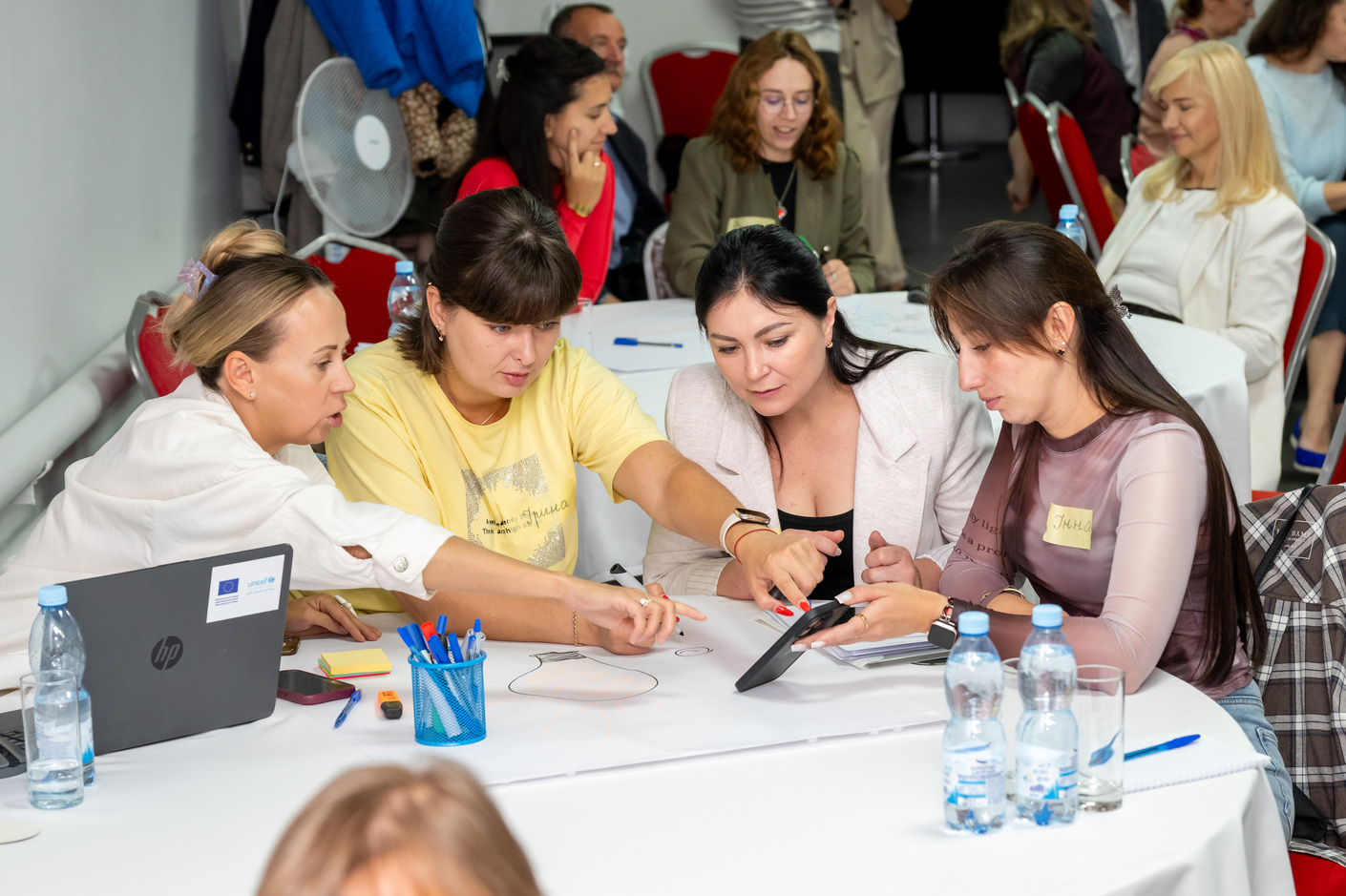
Представниці Шабівської громади під час навчання з управління проєктами, яке організував проєкт RFA для партнерських громад
Наприклад, у межах проєкту підтримки німецько-українських партнерств “Муніципальні партнерства з Україною” діє програма Nakopa («Сталий муніципальний розвиток через партнерські проєкти»). Вона підтримує спільні ініціативи українських і німецьких громад розміром до 250 тис. євро у сферах місцевого розвитку, енергоефективності, кліматичної політики, належного врядування та сталого розвитку. Схожі механізми підтримки муніципальних партнерств діють і в інших країнах ЄС.
Окремо варто враховувати, що багато міжнародних грантових програм, особливо програм ЄС, передбачають обов’язкову наявність партнерів із різних країн. Водночас міжнародні партнери можуть посилювати заявки українських громад і в межах окремих грантових конкурсів для України. Все більше програм та конкурсів надають перевагу проєктам, які реалізуються у партнерстві або передбачають міжнародну співпрацю. Наприклад, грантові конкурси:
- Culture Helps Solidarity — гранти на культурні та партнерські проєкти міжнародної співпраці;
- Польськоукраїнська рада обміну молоддю — підтримка молодіжних обмінів і партнерств між громадами України та Польщі;
- House of Europe — гранти, професійні обміни, навчання та партнерські можливості у сферах культури, освіти, медіа та роботи з молоддю.
Знайти партнерів для міжнародної співпраці сьогодні допомагають спеціалізовані платформи, зокрема:
- European Mission Observatory (EMO)
- Matchmaking Platform – CEMR / ULEAD
- Cities4Cities
- Сервісна служба «Міста в Єдиному світі» (SKEW) від Engagement Global gGmbH
- Interreg Europe
- Установипобратими (бібліотеки-посестри) тощо.
Додаткові можливості для пошуку партнерів створює й міждержавна підтримка відновлення регіонів України. Наприклад, Естонія підтримує відновлення Житомирської області, Франція — Чернігівської, інші країни також працюють із окремими регіонами. Для громад це може стати першою точкою входу для налагодження міжнародних контактів і розвитку співпраці.
Пошуку партнерів також сприяють українська діаспора, місцевий бізнес, що експортує, мешканці громад, які тимчасово перебувають за кордоном та ін.
Як громаді знайти міжнародного партнера та підготуватися до співпраці — детальніше у статті «Профіль громади як важливий інструмент для пошуку міжнародних партнерів та Чек-лист готовності до міжнародного партнерства.
II. Міжмуніципальна співпраця
Це інструмент об’єднання ресурсів, експертизи та зусиль громад для спільного розв’язання проблем і реалізації проєктів, які складно реалізувати самостійно. В умовах обмежених ресурсів, війни та потреб у відновленні саме партнерства між громадами дедалі частіше стають основою для масштабніших і більш стійких рішень.
Співпраця між громадами дозволяє:
- спільно вирішувати виклики, наприклад у сферах поводження з відходами, транспорту, водопостачання, медицини, безпеки чи соціальних послуг;
- підсилювати спроможність громад у підготовці та реалізації проєктів;
- брати участь у грантових конкурсах і програмах, які потребують ширшого партнерства, різносторонньої експертизи, більшого масштабу проєкту або співфінансування;
- створювати комплексні рішення, які мають більший масштаб впливу та вищі шанси на підтримку донорів.
Повномасштабна війна суттєво розширила саме розуміння міжмуніципальної співпраці. Сьогодні це не лише про партнерство із сусідніми громадами, а й про підтримку та взаємодію громад із різних регіонів України — тилових, деокупованих, прифронтових та громад, що активно приймають ВПО.
Одним із прикладів такої співпраці стала національна ініціатива «Пліч-о-пліч: згуртовані громади». У рамках національного проєкту "Пліч-о-пліч: згуртовані громади" передбачається співробітництво тилових й більш спроможних громад – громад-партнерів з прифронтовими й тими, що знаходяться під постійними обстрілами ворога — громадами-форпостами.
Співпраця відбувається у трьох напрямах:
- відновлення інфраструктури;
- гуманітарна допомога;
- культурна та соціальна підтримка.
За час реалізації проєкт об’єднав понад 1 100 партнерств між громадами по всій Україні.
“Минулого року нашій громаді вдалося налагодити партнерства з 12 громадами в межах програми “Пліч-о-пліч”, і кожна з них допомогла нам з оздоровленням наших дітей. Наприклад, 30 дітей військовослужбовців з нашої громади відвідали табір на Рівненщині — у Сарнах, а 10 дітей загиблих та зниклих безвісти героїв їздили разом зі Смілянською громадою відпочивати у Францію і з Боярською громадою — у Польщу до їхніх партнерів”, — поділилася Оксана Супрун, начальниця Савинської селищної військової адміністрації.
У 2026 році ініціатива переходить на новий етап розвитку. Зокрема, розширюється співпраця не лише між окремими громадами, а й на рівні регіонів, що дозволяє реалізовувати масштабніші проєкти.
IІІ. Членство в професійних мережах, ініціативах та асоціаціях
Таке членство — це інструмент доступу до партнерств, навчання, грантових можливостей, міжнародних програм та професійних контактів.
Громади можуть долучатися до:
асоціацій органів місцевого самоврядування
- Асоціація міст України (АМУ);
- Асоціація малих міст України (АММУ);
- Всеукраїнська асоціація об'єднаних територіальних громад (ВАОТГ);
- Українська асоціація районних та обласних рад (УАРОР);
- Всеукраїнська асоціація громад (ВАГ);
- Асоціація прифронтових міст та громад (АПМГ);
- регіональні асоціації, тощо.
галузевих, тематичних і професійних мереж та спільнот у різних сферах
- Асоціація "Енергоефективні міста України" (АЕМУ);
- Клуб мерів;
- Урбанрух - Всеукраїнська неформальна програма з урбаністики для підлітків;
- Асоціація водоканалів України тощо.
Серед міжнародних мереж та платформ:
- Мери за економічне зростання (Mayors for Economic Growth) — підтримка місцевого економічного розвитку та підприємництва;
- Угода мерів — Схід (Covenant of Mayors East / CoM East) — мережа громад у сфері енергоефективності та кліматичної політики;
- City Climate Finance Gap Fund — міжнародна ініціатива технічної допомоги для підготовки кліматичних міських проєктів
- Eurocities — одна з найбільших мереж європейських міст;
- Via Regia — міжнародна культурна мережа та культурний шлях Ради Європи;
- Смарагдова мережа (Emerald Network) — ініціатива у сфері охорони природи та збереження біорізноманіття;
- Європейська асоціація місцевої демократії (ALDA) — підтримка демократичного врядування та розвитку громад;
- OGP Local (Open Government Partnership Local) — міжнародна ініціатива у сфері відкритого врядування та залучення громадян;
- Угода зелених міст — ініціатива Європейської Комісії для сталого розвитку міст. тощо.
Такі мережі часто:
- надають доступ до окремих грантових програм, конкурсів та пілотних ініціатив, участь у яких доступна лише для членів мережі;
- допомагають знаходити партнерів для міжнародних проєктів;
- організовують навчання, обміни, конференції та професійні візити;
- формують професійні спільноти та середовище для обміну досвідом;
- залучають громади до міжнародних ініціатив і пілотних проєктів;
- представляють і лобіюють інтереси громад на національному та міжнародному рівнях;
- забезпечують доступ до вузькопрофільної експертизи та кращих практик.
Наприклад, ініціатива Mayors for Economic Growth (M4EG) об’єднує понад 430 муніципалітетів країн Східного партнерства, зокрема й українські громади. Ініціатива M4EG, зокрема її третя фаза, активно імплементується за кількома напрямками з метою всебічної підтримки трансформаційних процесів в муніципалітетах-учасниках M4EG. Щоб брати участь у грантових програмах ініціативи, муніципалітет має бути діючим членом мережі M4EG. У межах цієї мережі громади можуть отримати:
- доступ до регіональної мережі муніципалітетів та партнерів ЄС для обміну досвідом і пошуку партнерств;
- практичні інструменти, дослідження та навчальні ресурси через Центр навчання міському розвитку (ULC);
- грантову підтримку до 120 тис. євро для міст, що впроваджують підходи місієорієнтованої економіки;
- інноваційні гранти по 10 тис. євро на тестування нових фінансових механізмів і пілотних рішень;
- фінансування від 60 до 100 тис. євро для масштабування успішних проєктних рішень та партнерств.
Для багатьох громад саме участь у професійних мережах стала першим кроком до міжнародних партнерств, грантів та масштабніших проєктів розвитку.
IV. Співпраця з громадськими та благодійними організаціями
Громадські та благодійні організації (ГО та БО) можуть бути для громади не лише партнерами у реалізації окремих ініціатив, а й важливими учасниками процесів відновлення та розвитку. ГО та БО можуть проводити дослідження та оцінку потреб, організовувати навчання, надавати соціальні послуги, координувати волонтерські ініціативи, здійснювати громадську мобілізацію, залучати експертів, модерувати діалог між владою та мешканцями, а також підтримувати впровадження стратегічних змін у громаді. Часто саме громадські організації стають провідниками нових підходів та інноваційних рішень, які згодом інтегруються у місцеву політику або практику роботи органів місцевого самоврядування.
Значна частина міжнародних донорів працює через локальні громадські та благодійні організації як через партнерів на місцях. Тому співпраця з активним громадським сектором може відкривати громаді доступ до нових джерел фінансування, міжнародних мереж, експертної підтримки та можливостей для розвитку..
На практиці така співпраця може виглядати по-різному:
- ГО подає грантову заявку спільно з громадою або виступає партнером проєкту;
- благодійна організація забезпечує закупівлю обладнання чи надання гуманітарної допомоги для комунальних закладів;
- організація проводить навчання чи заходи для мешканців;
- громада надає приміщення або співфінансування, а ГО залучає додаткові ресурси та партнерів;
- ГО проводить дослідження, громадські консультації або опитування для врахування думки мешканців під час прийняття рішень;
- партнерська організація бере на себе адміністрування гранту, закупівлі, звітність або окремі компоненти реалізації проєкту, що особливо важливо для малих громад з обмеженим кадровим ресурсом;
- ГО адмініструє грантові програми для бізнесу, мешканців, інших ГО чи ініціативних груп громади.
Для невеликих громад така співпраця часто є дієвою моделлю реалізації проєктів, за якої функції проєктного офісу виконує громадська організація-партнер.
“Проєктний офіс нашої громади тісно співпрацює з ГО “Джерело відродження”, яка була створена ще у 2017 році. Це партнерство дозволяє нам залучати фінансування на реалізацію проєктів більш оперативно, адже, порівняно з бюджетними установами, процеси залучення коштів через ГО простіші. Так, спочатку серпня минулого року нам спільно вдалося реалізувати два соціальних проєкти: з цивільної безпеки та придбання електровелосипедів для підтримки соціальних робітників з метою покращення та збільшення кількості надання соціальної послуги догляду вдома”, — поділився досвідом Олег Василенко, перший заступник Холминського селищного голови.

Олег Василенко, перший заступник Холминського селищного голови
Щоб співпраця була системною, громадам варто сформувати базу активних ГО та БО, які працюють у громаді або регіоні; регулярно інформувати організації про пріоритети та потреби громади; залучати ГО до робочих груп, підготовки стратегій і проєктних ідей; передбачати можливість співфінансування або підтримки приміщеннями; публічно комунікувати про успішні кейси співпраці.
У багатьох громадах саме така співпраця стала основою для створення молодіжних просторів, ветеранських центрів, гуманітарних хабів, програм психосоціальної підтримки, культурних ініціатив та локальних проєктів відновлення. Окремо варто враховувати, що ефективна співпраця між владою та громадським сектором може підсилювати проєктні заявки, адже демонструє залучення громади, наявність локальної підтримки, партнерську взаємодію та потенціал для сталості результатів.
Для пошуку потенційних партнерів громади можуть використовувати спеціалізовані каталоги та платформи громадських і благодійних організацій, зокрема:
- Philanthropy in Ukraine — каталог верифікованих громадських організацій;
- Щорічний огляд ТОП 100+ доброчинних організацій України від ВБО «Асоціація благодійників України» та аналітичного центру «БлагоУкраїна».
V. Партнерство з бізнесом
Бізнес для громади — це не лише платник податків, а й партнер у реалізації проєктів розвитку та відновлення. Йдеться як про великий бізнес, так і про місцевих підприємців, фермерів, виробників чи релоковані підприємства, які працюють на території громади.
Підтримка з боку бізнесу може включати:
- співфінансування проєктів та ініціатив;
- надання обладнання, техніки, транспорту або приміщень;
- підтримку заходів, навчальних програм і громадських ініціатив;
- експертну допомогу, консультації та наставництво;
- участь у розробці та реалізації проєктних рішень;
- стажування, практику та можливості працевлаштування для молоді;
- допомогу у встановленні ділових контактів і пошуку партнерів;
- впровадження інноваційних рішень та сучасних підходів до розвитку;
- просування громади, її продукції, послуг та інвестиційного потенціалу;
- участь у формуванні стратегічних пріоритетів розвитку громади.
Окремо варто враховувати, що багато компаній мають власні програми корпоративної соціальної відповідальності або благодійні фонди. Через них бізнес підтримує громади грантами, конкурсами чи партнерськими проєктами.
Для ефективної співпраці громадам важливо:
- мати актуальну базу підприємств і релокованого бізнесу;
- регулярно комунікувати з підприємцями та розуміти їхні потреби;
- відкрито комунікувати про пріоритети, потреби та можливості громади;
- залучати бізнес до стратегічного планування та робочих груп;
- інформувати бізнес про грантові, інвестиційні та партнерські можливості;
- демонструвати прозорість і результати реалізованих ініціатив.
Також одним із інструментів співпраці між місцевою владою та приватним бізнесом є Публічно-приватне партнерство.
Важливо, щоб співпраця була взаємовигідною. Бізнес частіше підтримує громади, де бачить відкритість, зрозумілі правила взаємодії та готовність до довгострокового партнерства.
Де громадам шукати всі ці ресурси та можливості?
Онлайн-платформи для пошуку ресурсів
Для ефективного залучення фінансування громадам важливо системно моніторити доступні програми, гранти, партнерства та інші можливості. Сьогодні для цього існує велика кількість спеціалізованих платформ та ресурсів.
Серед них:
- Мапа ресурсів для розвитку громад та бізнесу та Каталоги можливостей для громад та бізнесу, розроблені Міністерством розвитку громад та територій України спільно з проєктом “Відновлення для всіх” (RFA);
- Зелена платформа — цифровий каталог доступних програм зеленого фінансування для бізнесу та громад;
- Платформа для молоді Easy — перший в Україні державний онлайн-ресурс для пошуку можливостей для молоді в одному місці від Міністерства молоді та спорту України;
- Український водний портал — спеціалізований інформаційно-комунікаційний ресурс для підтримки розвитку, відновлення та модернізації сфери водопостачання і водовідведення в Україні;
- Мапа можливостей для ВПО — добірка програм підтримки та можливостей для внутрішньо переміщених осіб;
- Платформа StartAid Ukraine — Єдина екосистема освітніх та карʼєрних можливостей;
- EU Funding & Tenders Portal — основний портал Європейського Союзу для пошуку та подання заявок на програми ЄС;
- Платформа EuroAccess — платформа для пошуку європейських грантових програм та можливостей фінансування;
- Портал ООН із відкритими грантовими конкурсами — ресурс з актуальними конкурсами системи ООН.

Мапа ресурсів для розвитку громад та бізнесу
Професійні події, наприклад:
- Ukraine Recovery Conference (URC), яка щороку об’єднує уряди, міжнародні фінансові інституції, донорів, бізнес, громади та партнерів навколо питань відновлення України;
- Європейський тиждень регіонів і міст — найбільша щорічна подія в Європі, присвячена регіональному розвитку.
Професійні можливості, навчання та нетворкінг (премії, відзнаки, участь в опитуваннях, інформаційні сесії та дні відкритих дверей, акселератори тощо).
А також не забувати про існуючі партнерства як джерело нових можливостей.
Щоб громаді не загубитися серед десятків можливостей, потрібно:
- створити базу донорів;
- вести календар можливостей;
- визначити пріоритети громади;
- мати портфель пріоритетних проєктів;
- не подаватися на все підряд;
- мати профіль громади англійською;
- будувати партнерства до конкурсу, а не під дедлайн;
- збирати історії змін;
- мати відповідальну команду/проєктний офіс.
Залучення ресурсів — це вже окремий системний напрям роботи громади, який потребує часу, підготовки, аналітики, постійного моніторингу можливостей, розвитку партнерств та якісної комунікації.
Жодне окреме джерело не забезпечить усі потреби громади. Саме тому громадам важливо працювати одразу з кількома напрямками: шукати гранти, розвивати міжнародні партнерства, комунікувати з бізнесом, долучатися до професійних мереж, брати участь у подіях та формувати свій портфель готових проєктів.
Фактично сьогодні громади конкурують не лише проєктами, а й власною спроможністю швидко реагувати на можливості, готувати якісні заявки та будувати довгострокові партнерства. Так, одним із ключових напрямів роботи проєкту «Відновлення для всіх» (RFA) є посилення спроможності партнерських громад системно залучати ресурси, розвивати проєктну діяльність та формувати ефективні проєктні офіси. Адже саме проєктний офіс громади має тримати руку на пульсі та знати, які донори, міжнародні організації та фінансові інституції працюють в Україні, формувати та регулярно оновлювати їх базу, зокрема у розрізі ключових секторів розвитку громади (освіта, охорона здоров’я, соціальний захист, місцевий економічний розвиток тощо).
Як результат — громада не підлаштовує свої потреби під випадкові можливості, а послідовно просуває власні стратегічні пріоритети та підвищує ймовірність їх реалізації. Саме тому в сучасних умовах виграють ті громади, які працюють над залученням ресурсів не ситуативно, а системно, стратегічно та на випередження.

11 June 2026
Освіта майбутнього починається у громадах: на Волині готуються до реформи старшої профільної школи
Освіта майбутнього починається у громадах: на...
Успіх реформи старшої профільної школи залежатиме від її реалізації на місцях, тому експерти проєкту DECIDE...
11 June 2026
Аналітичний огляд DECIDE: які рішення...
10 червня в Українському кризовому медіа-центрі відбулася презентація аналітичного огляду досвіду планування...
11 June 2026
Вакансія : Фахівець з безпеки/водій
Вакансія : Фахівець з безпеки/водій
Проєкт «Відновлення для всіх» (RFA) в пошуках Фахівця з безпеки/водія. Потрібно буде забезпечувати потреби...
10 June 2026
Реновація сенсів: як у Саврані перетворили...
Колись у будівлі 1854 року, що на території Північного професійного коледжу в Саврані, що на Одещині, була російська...