Swedish Tjörn learns about resilience from Ukrainian partners
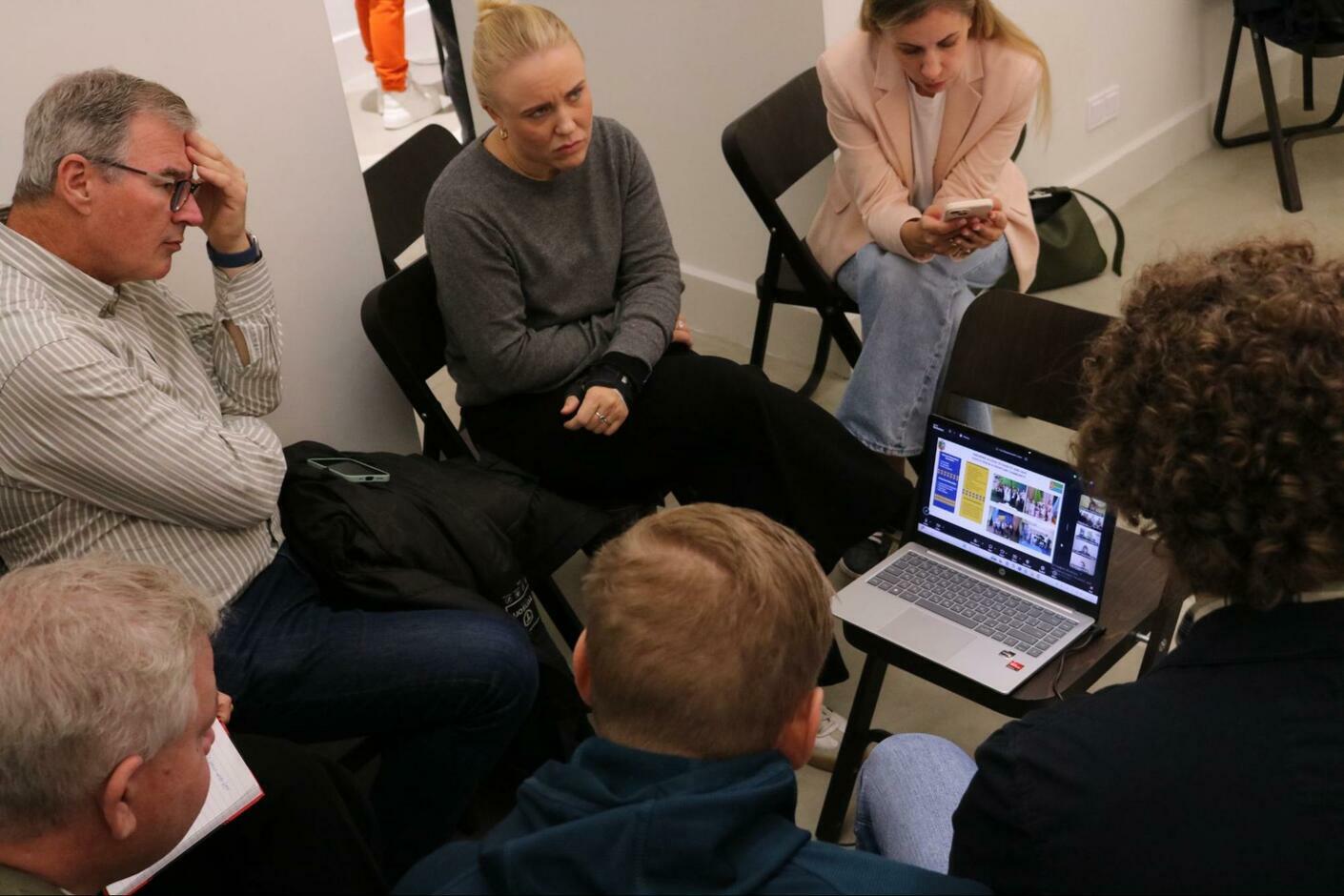
In mid-October, a delegation from the Swedish municipality of Tjörn visited Ukraine to meet with partner communities and gain first-hand insight into Ukrainian approaches to resilience in the areas of security, protection of critical infrastructure, and meeting the needs of local residents.
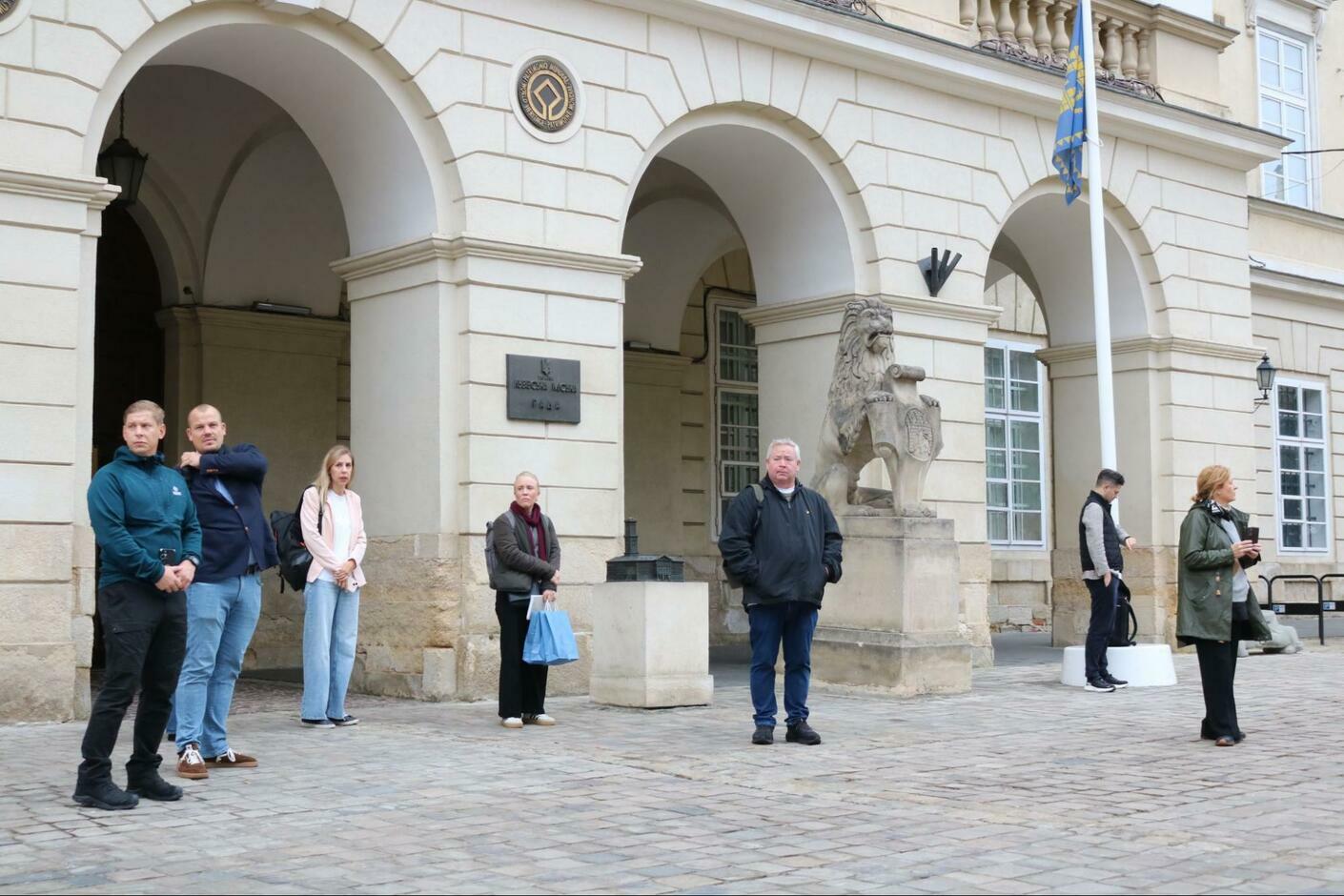
During the visit, the Swedish delegation visited Lviv and Novyi Yarychiv in Lviv region, and also had the opportunity to speak with partners from Novovorontsovka in Kherson region.
Tjorn has been working with Novovorontsovka settlement community in Kherson region, which is situated 14 kilometres from the contact line, for almost a year now. The partnership agreement was signed during the first Nordic-Ukrainian Municipal Partnerships Forum in March 2026, co-organised by the Polaris Programme, SALAR International, and Cities4Cities initiative. More recently, Tjörn has also been cooperating with communities in Lviv region as part of the partnership between the Lviv agglomeration and the Gothenburg Region.
Crisis management is one of the key areas of experience sharing between partners. The Swedish Government encourages its municipalities to work on building resilience, and Ukraine’s experience helps them find practical solutions in many areas. After all, Ukrainian municipalities already have experience of delivering services during prolonged power outages, infrastructure damage, mass displacement of people and other emergencies.

Management of critical infrastructure
Providing services to local residents is arguably the most challenging task for local authorities in times of crisis. For many years, Swedish municipalities have sought to centralise the management of water supply and sewerage systems in the interests of efficiency and cost savings. However, from the perspective of security and resilience, such centralisation no longer appears to be such a rational solution, as an entire community could be left without services in the event of a breakdown. It is also important to protect this infrastructure from potential hostile attacks or operations.
The Ukrainian experience shows that solutions which are effective in peacetime do not always ensure resilience during a crisis. It is therefore important not only to have backup equipment, but also to provide for alternative ways of delivering services, to allocate resources, and to establish cooperation with local businesses in advance.
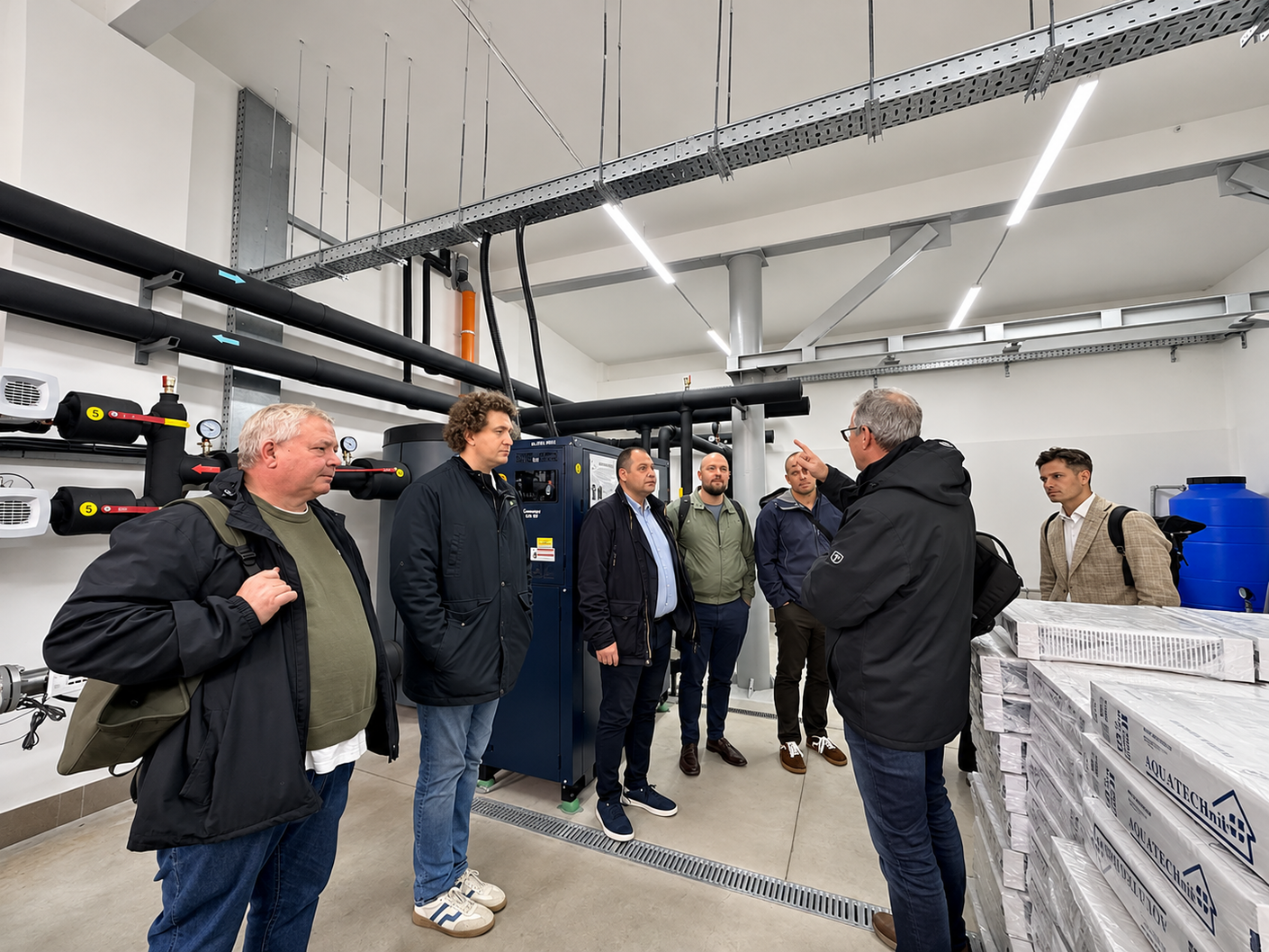
Ukrainian communities already have practical solutions to such challenges. For example, in Lviv, diesel generators were purchased in advance to ensure the uninterrupted supply of water; during the war, backup power supplies were strengthened, stocks of equipment for emergency repairs were increased, and alternative communication channels were put in place. Special attention is paid to scenarios where the centralised system might fail: how to ensure water supplies to hospitals, schools, and other critical facilities, and how to organise access to alternative water sources for residents.
The experience of Novovorontsovka community is particularly telling; after the destruction of the Kakhovka hydroelectric power station, it lost its main water supply source. Initially, water was delivered to local residents and distribution points were set up; later, work began on developing an alternative water supply system: seven new boreholes were drilled, ten wells supplying non-potable water were restored, and eight kilometres of water mains were replaced. Solar panels are installed to increase the energy self-sufficiency of individual facilities. Meanwhile, the community is strengthening the physical protection of critical infrastructure against drone attacks, in particular by using protective netting.
The ability to maintain services even when individual facilities are damaged has been one of the key lessons for Swedish experts. They have recognised that resilience depends not only on technical infrastructure, but also on the extent to which a community can organise its services flexibly and mobilise additional resources.
Mikael Wollbrant, Head of the Department of Land Use, Transport and Urban Development at Tjörn Municipality, also supports this view, ‘We have realised that we should not centralise our resources – it is better to distribute them across different locations and create a network of numerous businesses that will cooperate with us, so that they are spread out and are therefore more resilient.’
Politician and opposition leader Ludwig Andréasson explained that their municipalities currently receive substantial funding from the government for defence – specifically, local and civil defence. ‘And here we are learning how to use generators and transformer substations, and how to protect them,’ he added.
Education
What impressed the Swedish delegation most was how Ukrainian communities had organised the educational process.
In Lviv and Novyi Yarychiv, the Swedish colleagues learnt how to organise in-person learning in schools with bomb shelters. For both communities, this posed a special challenge in 2022: initially, schools were taking in internally displaced persons, and later it became necessary to convert the premises into bomb shelters so that children could return to their desks. The Swedish colleagues were interested in how medical care is organised in the bomb shelters, how teachers explain the events of the war to the children, and how schoolchildren are taught to act in dangerous situations. Cooperation between schools and emergency services, which help children to master practical safety skills, plays a key role in this.
In Novovorontsovka community, there is no in-person learning; however, more than 1,000 students study online, with consultations held in bomb shelters where possible. Yet the children continue to compete in sports, participate in international projects, and attend robotics classes. To support the children, safe educational spaces are also created where they can learn, engage in creative activities, and socialise with their peers.
The Swedish colleagues were impressed that, even during the war, Ukrainian communities are striving to provide children not only with education and physical safety, but also with opportunities to take part in sport and cultural activities, socialise, and develop.
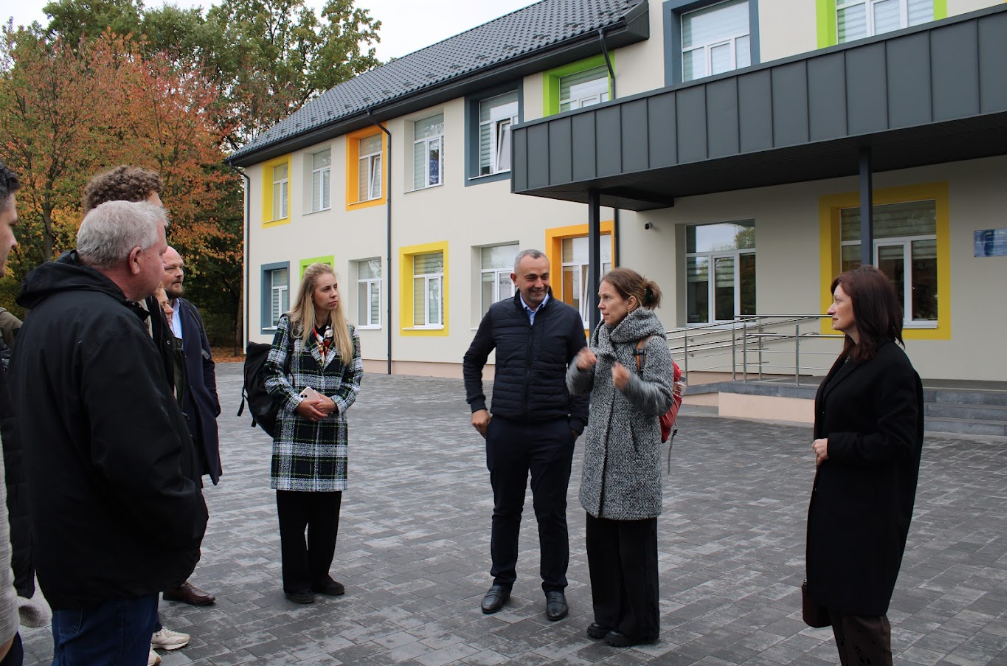
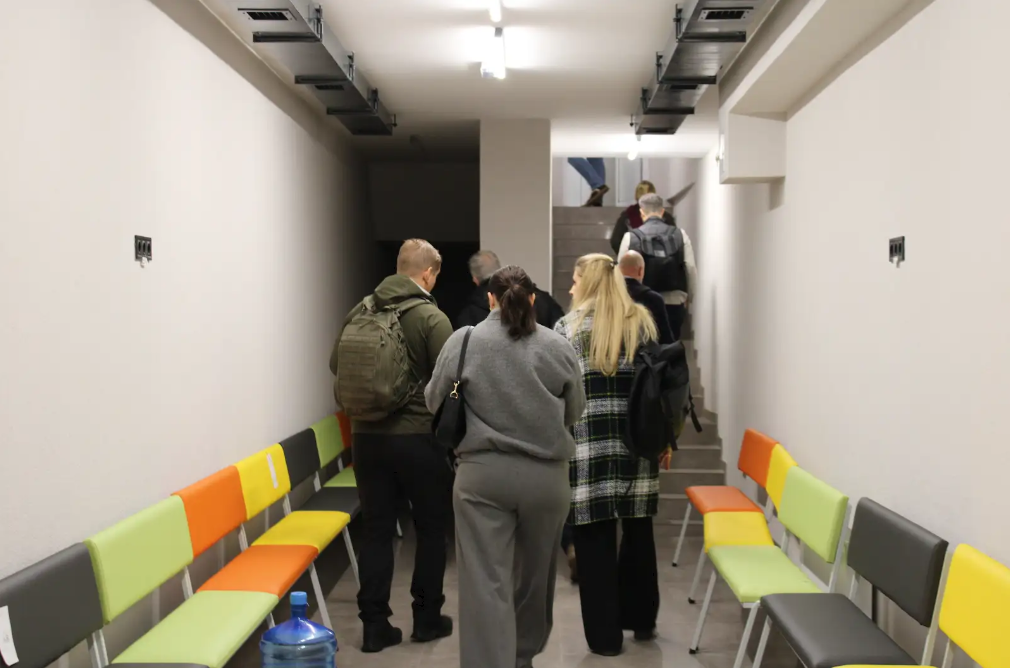
Anna Orvefors, Head of the Department of Education of Tjörn, said, ‘I was very impressed by how schools and the learning process are managed in such challenging circumstances. And yet the children still participate in sport and try to go about their normal lives as much as possible.’
Tobias Hansson, Project Manager for Water Supply, highlighted the role of culture, ‘What struck me most was the importance placed on culture. Dancing in schools, theatre performances. It really is important, even though it might not have seemed so to us before – but we need a distraction from the war.’
During the visit, considerable attention was also paid to adapting the teaching process to new challenges and to helping students develop new skills and knowledge.
For the Swedish participants, this provided an opportunity to reflect on the extent to which their own schools prepare children for real-life emergencies. The Ukrainian experience demonstrates that practical safety skills can be an important part of the educational process.
‘We have to stop sugar-coating reality, even though we are quite good at it. Instead, we need to teach our children at school how to act when something happens: how to administer first aid, show them what drones look like, and explain what might happen during an explosion,’ says Jonas Gabrielsson, Coordinator of Operations, Safety and Emergency Preparedness.
Civil defence
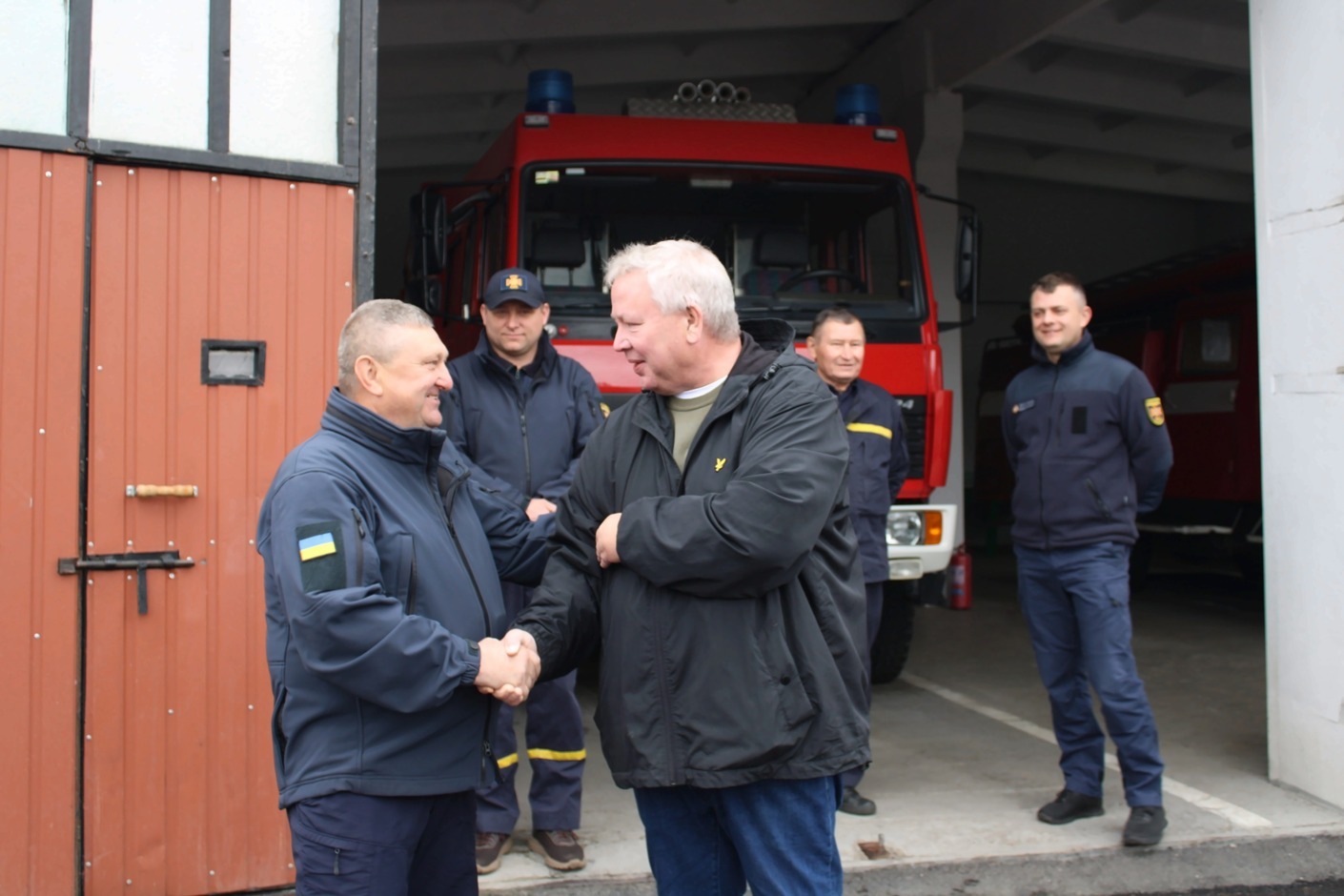
During a meeting with representatives of the State Emergency Service in Lviv, the Swedish delegation enquired about where municipalities should begin their preparations for potential military threats. Ukrainian rescue workers highlighted four key areas: public warning systems, the preparation of protective shelters, the organisation of invincibility points, and the ongoing training of residents in how to behave during emergencies.
One of the practical recommendations for their Swedish colleagues was to involve local rescue workers in surveying buildings to identify in advance those suitable for conversion into protective shelters.
Special attention was paid to the division of responsibilities between the emergency services and the municipality. After all, it is not enough simply to identify a location for a crisis centre – it is necessary to ensure it has electricity and communications, to train staff, and to anticipate the needs of people who will come seeking help.
For Tjörn, this is a particularly practical issue, as the municipality has already been working on its own project for community support centres during crises. Therefore, the Swedish colleagues were interested not only in technical solutions, but also in the organisation of such centres, the responsibilities of the different services, and the needs of residents.
For Johan Nilsson, Head of the Department of Security and Emergency Situations and Chief Security Specialist, the experience of organising invincibility points proved invaluable. He highlighted the importance of planning for crisis situations, ‘I deal with civil defence matters at municipal level and am responsible for implementing the “Resilience Hubs” project. This is where I realised that we need to think about larger-scale needs, such as access to electricity and the internet, but it is also important to take care of seemingly minor everyday items – coffee, tea. We will take these details into account.’
Another example from Novovorontsovka is the local early-warning system for drone threats and public alerts. Its purpose is to give residents extra time to get to bomb shelter and to allow the relevant services to prepare for the threat.
‘We are here to see for ourselves how everything works in Ukraine, to learn from their experience, not to reinvent the wheel, but to understand what works and what does not,’ said Martin Johansen, Chair of the Municipal Executive Council, explaining the purpose of the visit.
Decision-making and communication
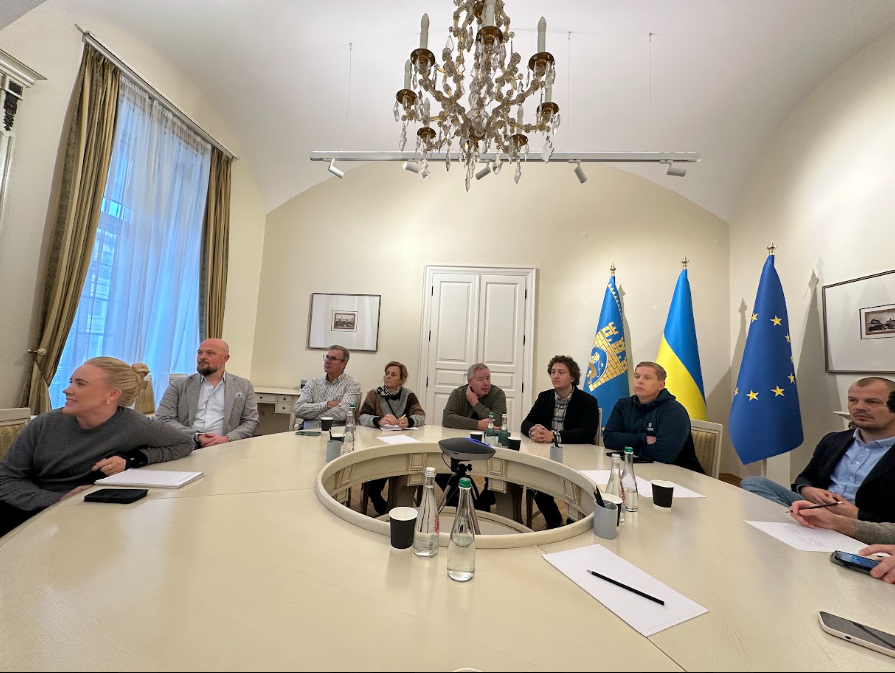
During the meetings, the Swedish participants asked many questions about how Ukrainian communities make decisions during crises, coordinate the work of different services, and maintain contact with the public.
Communication with the public during emergencies is no less important. The Ukrainian colleagues emphasised the need to use different channels of communication, clearly define responsibilities between services, and maintain direct contact with residents, particularly when usual means of communication are unavailable.
Administrative services
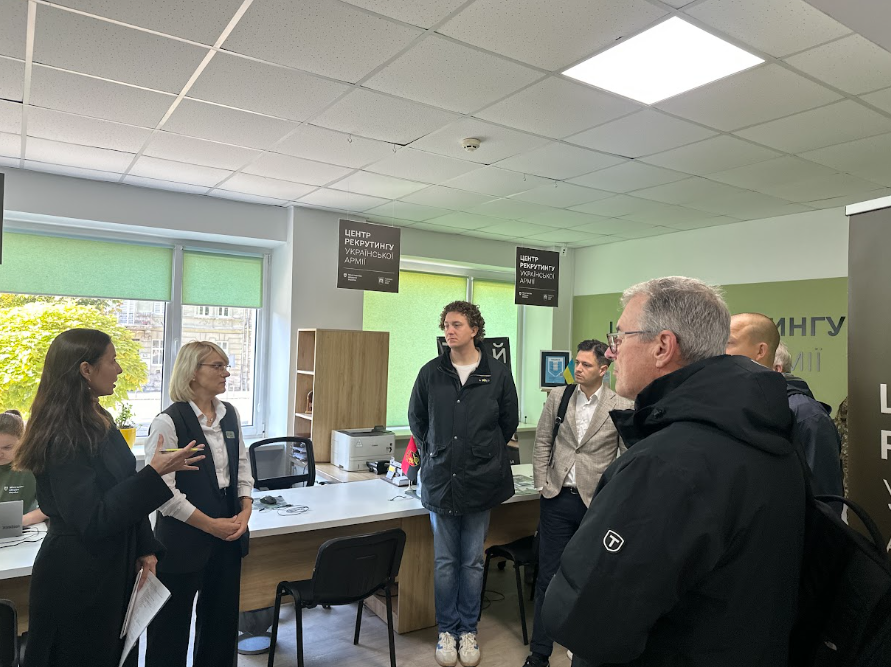
The Ukrainian approach to organising administrative services proved unexpectedly interesting to our Swedish colleagues. In Lviv, they learnt about the work of the Administrative Services Centre, where residents can access a range of administrative services in one place. They were surprised to learn that administrators can access numerous government registers and help people resolve many issues without having to visit several different agencies. The Swedish colleagues were particularly interested in this model, as in Sweden such services are often provided by different agencies. They also discussed in detail the work with internally displaced persons and the use of mobile Administrative Service Centres.
Social cohesion
One more important lesson for our Swedish colleagues was the role of social cohesion in ensuring the resilience of communities. The Ukrainian experience shows that, during a crisis, simply preparing infrastructure and response plans is not enough for local governments – it is equally important to be able to mobilise residents, engage volunteers, and involve the business community, as well as to maintain constant contact with the public.
In Lviv, at the start of the full-scale invasion, cooperation between the city authorities, volunteers, and civil society organisations quickly helped organise assistance for internally displaced persons and provide humanitarian support to other communities. The experience of communicating with residents after shelling is also important: it is not just about restoring damaged infrastructure, but also about listening to people, providing them with information and the necessary support.
In Novyi Yarychiv, at the start of the invasion, the local school became a refuge for around 800 people who were fleeing the war. The community also organised accommodation for displaced persons and support for elderly residents. Schoolchildren are actively involved in volunteering, helping the military. And as part of the “Shoulder-to-Shoulder” initiative, Novyi Yarychiv community supports the frontline Novovorontsovka, with which the Swedish town of Tjörn also cooperates.
For Swedish municipalities, these examples are valuable in terms of preparing for potential crises: how to establish cooperation in advance between the authorities, civil society organisations, businesses, and residents, so that they can act swiftly together when the time comes. After all, a community’s resilience depends not only on infrastructure, but also on trust, mutual support, and the ability to look after the most vulnerable people.
Johan Nilsson, Head of the Department of Security and Emergency Situations and Chief Security Specialist says that being in Ukraine in person has given him a deeper understanding of the war than he could have gained from the news, ‘When you see it with your own eyes and hear the stories of Ukrainians, it really helps you to understand better why it is so important to be prepared at home, because, although this is happening in Ukraine now, it could just as easily happen in Lithuania, Finland or any other country. Here, you really feel that what concerns you is also our concern.’
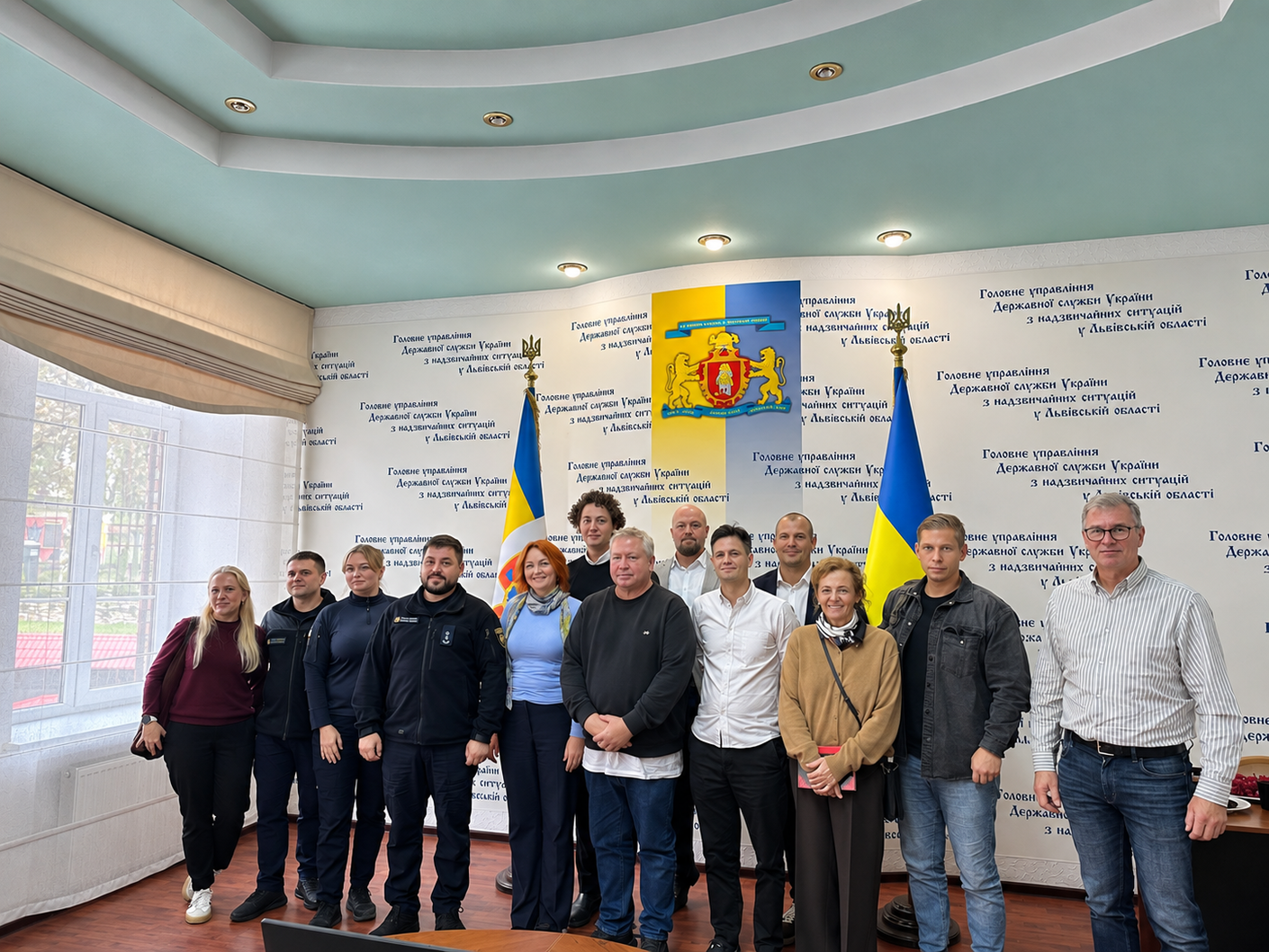
Studying Ukraine’s experience of resilience is not merely about learning about technical solutions or the organisation of municipal services. Equally important is the direct exchange between specialists who work in the same fields but under different conditions. Such meetings help to better understand the challenges of partners, share practical solutions, and identify opportunities for further cooperation.
Nowadays, Ukrainian communities not only receive support from international partners but are themselves becoming a source of unique practical experience. The solutions they devise on a daily basis in the context of war are helping European municipalities to rethink their own approaches to security, crisis management, and service delivery. Thanks to international partnerships, this experience is transformed into concrete knowledge and solutions that help cities in other countries to better prepare for crises and become more resilient.
18 November 2026
Громада чи її органи: чому Україні варто...
Коли йдеться про такі речі, як правильний переклад міжнародного договору, це часто видається суто технічним...
18 November 2026
7 Steps to Making Urban Agglomerations Work in Ukraine
7 Steps to Making Urban Agglomerations Work in...
Urban agglomerations already exist in Ukraine in functional terms, but they have yet to become institutional...
18 November 2026
Безпечне дитинство: бюджетні пріоритети та спільна відповідальність держави і громад
Безпечне дитинство: бюджетні пріоритети та...
24 листопада о 14:00 в Українському кризовому медіа-центрі відбудеться публічна дискусія «Безпечне дитинство:...
17 November 2026
Стартувала програма для організацій, які хочуть...
Нові послуги та можливості для організацій, які підтримують підприємців та/або ветеранів і ветеранок та хочуть...