KNUCA develops urban development projects and recovery plans upon request from communities
Students and scholars of the Kyiv National University of Construction and Architecture (KNUCA) are developing urban planning projects and recovery plans in line with the requests from communities. Moreover, the university is working to expand its cooperation with local governments, in particular in terms of providing expert support for reconstruction and training the necessary specialists.
The rector of KNUCA Oleksii Dniprov, announced this during the Annual Housing Conference, organised by the World Bank Group in cooperation with the Ministry for Communities, Territories and Internally Displaced Persons of Ukraine.
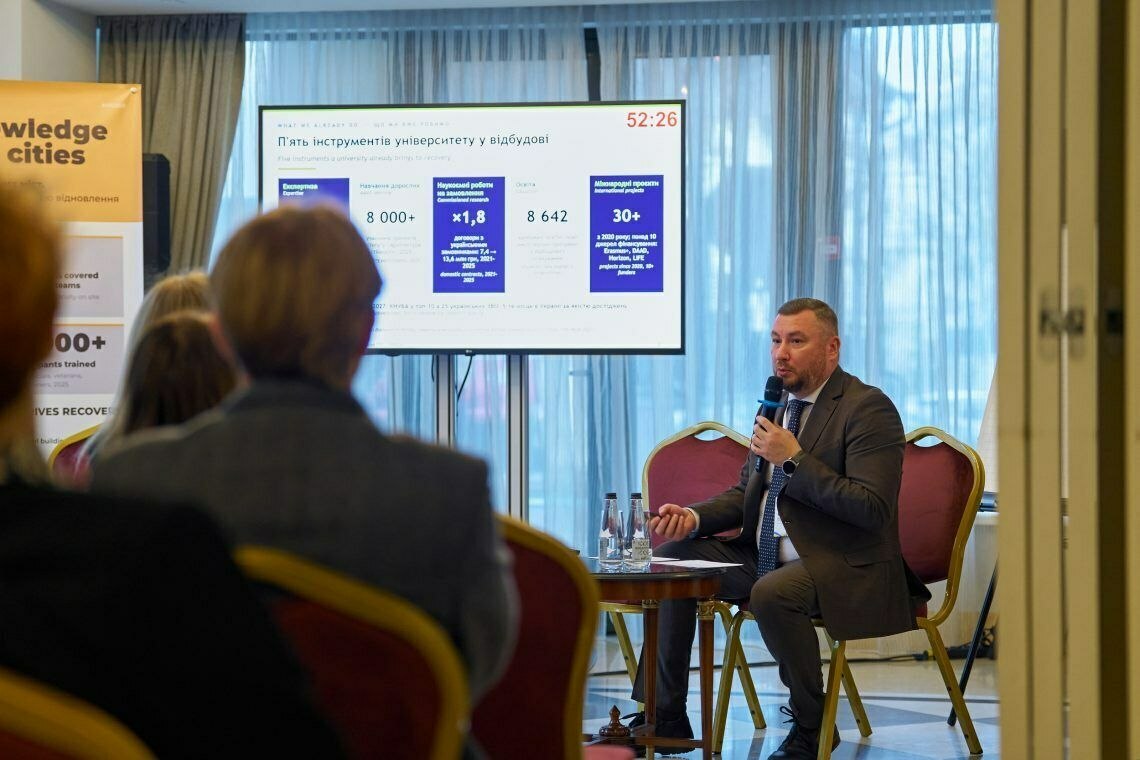
According to the rector, one of the challenges of reconstruction is the shortage of skilled personnel. Communities need architects, engineers, urban planners, and urbanists who are capable not only of developing design solutions, but also of ensuring that these solutions meet the development needs of the territories.
Oleksii Dniprov highlighted the need for a more systematic involvement of universities in the recovery processes. Currently, universities mainly fulfil individual tasks, whereas their academic and human resources could be used to provide ongoing expert support to regions and communities.
‘Reconstruction lacks not only funding but also specialists – architects, engineers, urban planners, and urbanists. At present, universities are mainly involved in performing one-off tasks, whereas they should become permanent centres of expertise for the regions. An effective model involves engaging international funds in building educational capacity, and communities in formulating requirements and employing specialists,’ noted the Rector of KNUCA.
Back in 2025, the Ternopil Regional Military Administration initiated cooperation with KNUCA, proposing to involve architecture students in addressing practical challenges of the communities in the region. In particular, the aim was for the topics of coursework and graduation projects to be shaped in line with the real needs of communities, and for the results of students’ work to be used in the further development of architectural and planning solutions.
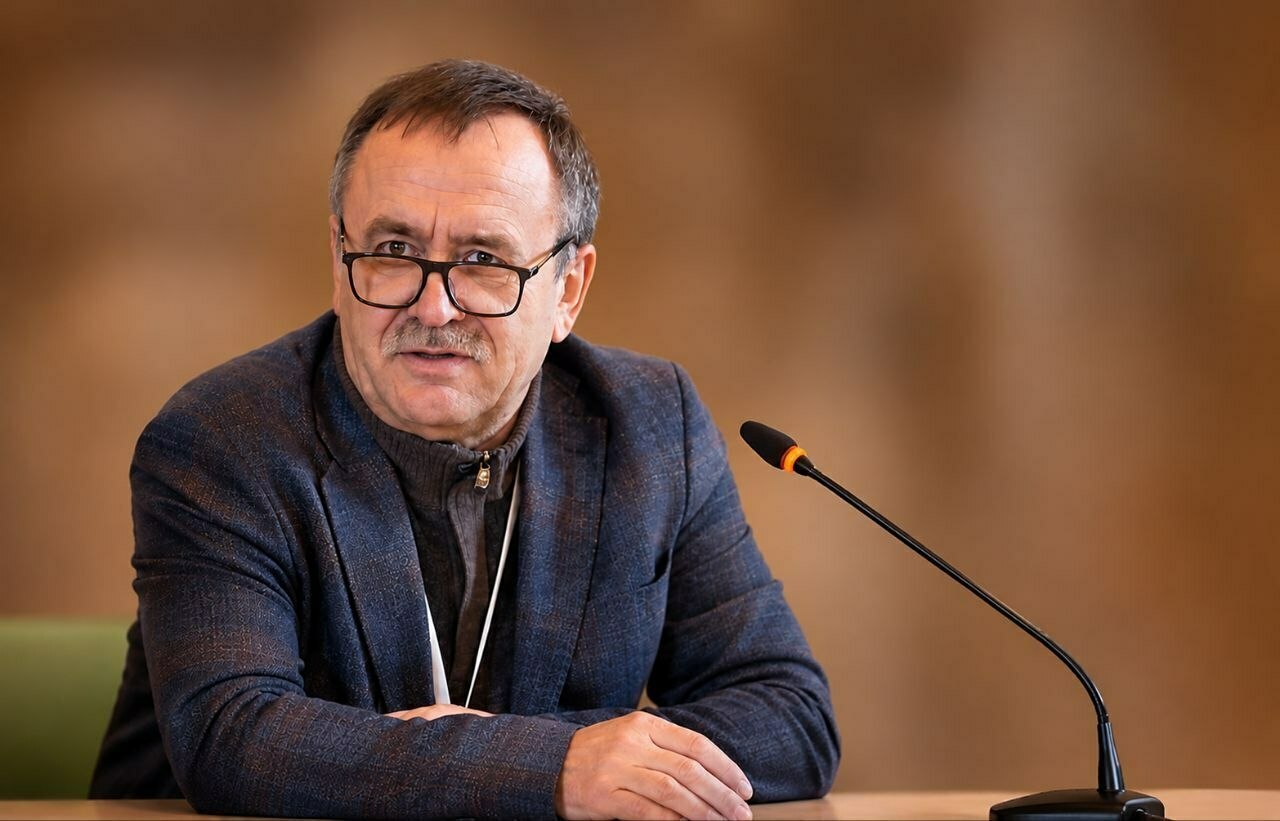
In his commentary for the Decentralisation portal, Viacheslav Nehoda, Head of the Ternopil Regional Military Administration in 2024–2026, explained that such cooperation could be particularly beneficial for communities with limited financial resources for preparing spatial development projects and developing public spaces.
‘The legislation provides for the development of comprehensive plans for the spatial development of community territories, master plans for localities, and detailed plans for territories. This is a complex and costly project, for which local budgets do not always have sufficient funds. At the same time, higher education institutions train future architects, urban planners, and engineers, who complete coursework and final-year projects as part of their studies. Why not channel some of this work into solving specific challenges that communities face? Students will gain practical experience, whereas communities will benefit from new ideas and professionally developed project proposals,’ said Viacheslav Nehoda.
In his view, the scope of such cooperation is considerably broader than simply preparing urban planning documentation. It encompasses the design of public spaces, cultural centres, memorial complexes, and other facilities that shape the architectural environment and the community’s identity.
‘Today, many communities are creating places of remembrance for the fallen defenders of Ukraine. It is important that these spaces have not only commemorative significance but also architectural value, and that they are harmoniously integrated into the environment of the localities. The same applies to cultural centres, which could become a distinctive feature of the community. Unfortunately, many communities still lack such spaces. These are specific tasks that students could work on together with lecturers and representatives of local self-government,’ he emphasised.
Viacheslav Nehoda believes that this practice should be extended to other regions of Ukraine, by involving universities that train specialists in architecture, construction, and spatial planning in cooperation with communities. This would help combine academic training with the practical needs of the territories, thereby creating additional opportunities for the professional development of young specialists.
This means that student projects can be used as a basis for further professional development of solutions, but they do not replace urban planning documentation, the drafting and approval of which is done in compliance with the law.
Meanwhile, KNUCA is already preparing reconstruction proposals directly in response to requests from communities. Further cooperation will involve, in particular, conducting independent technical assessments of reconstruction projects, as well as the exchange of urban planning and geospatial data.
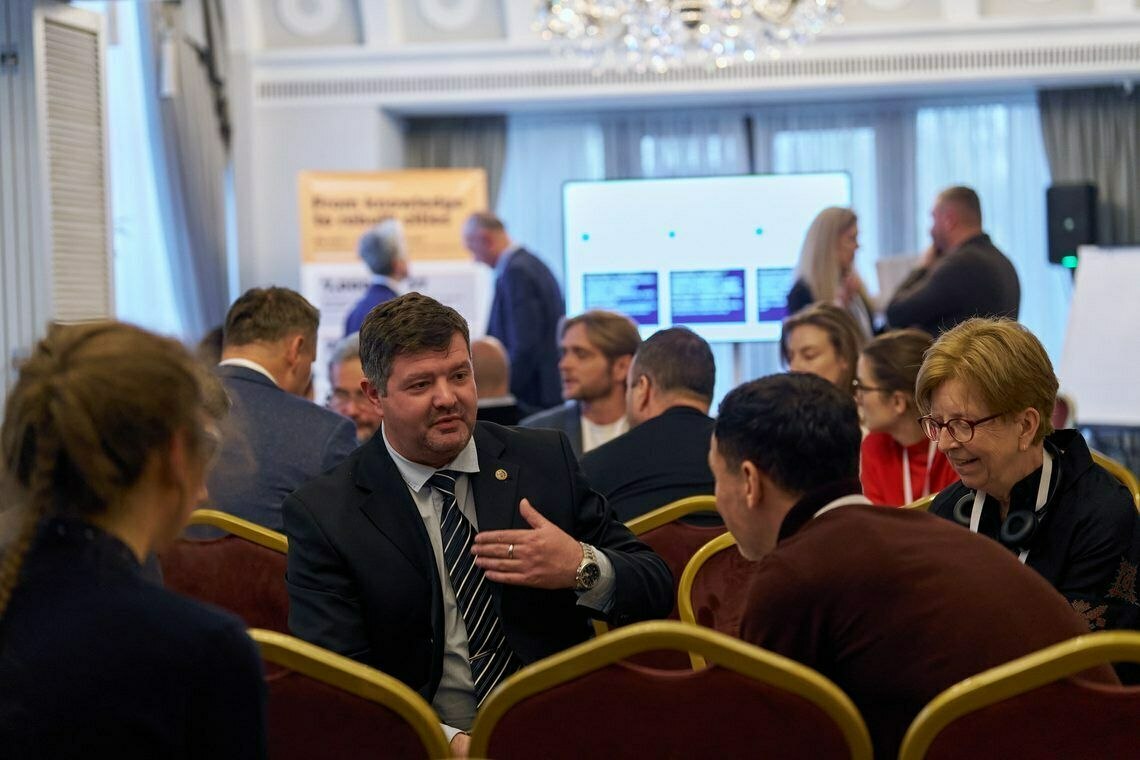
A separate focus will be the development of educational programmes designed to meet the recovery needs. In 2027, KNUCA plans to launch new Master’s programmes in spatial planning and reconstruction. External experts and employers will be involved in their development.
Partner studios will work within the framework of the KNUCA Nodes Ecosystem concept, which envisages the development of the university’s cooperation with business, communities, and other partners, as well as the integration of education, research, and innovation to address practical challenges in urban development and territorial recovery.
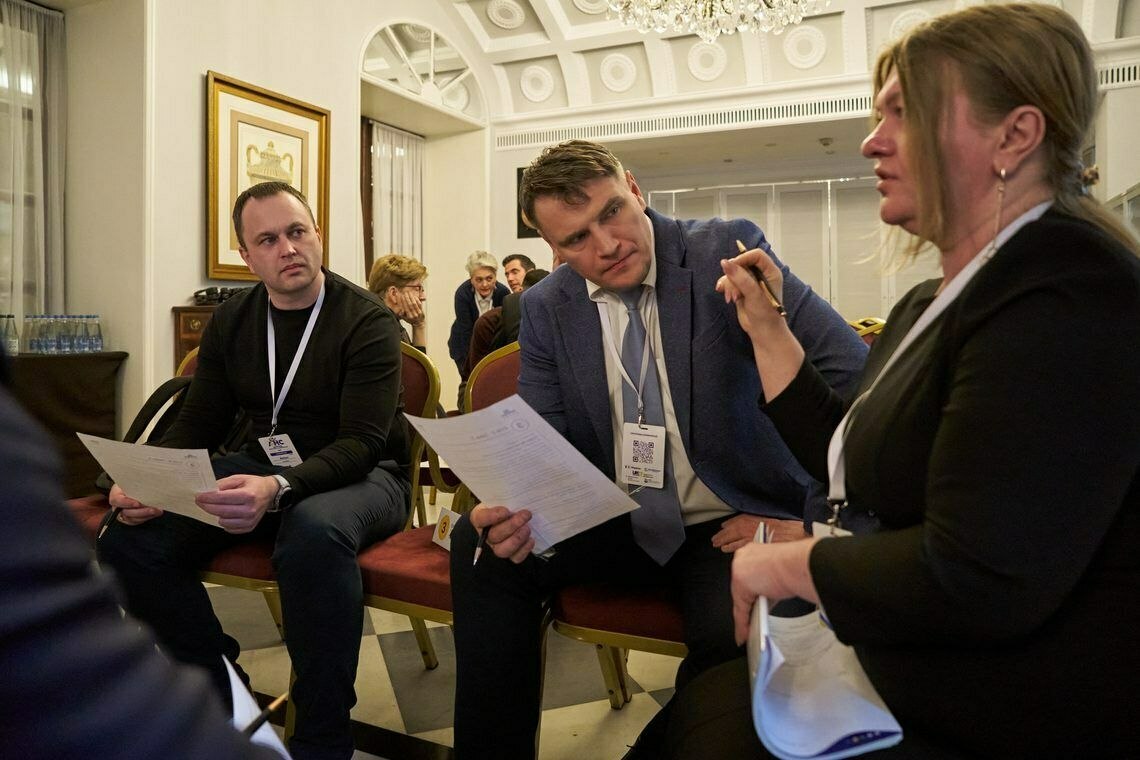
During the Annual Housing Conference, KNUCA also held a special technical session “Universities as a Driving Force for Sustainable Urban Recovery”. Sixty representatives from central authorities, local governments, international organisations, foundations, the business sector, and academia joined the discussion.
The approach presented by the university involves combining the practical needs of communities with scientific expertise and the training of specialists. For local governments, such cooperation can become an additional tool for the preparation and evaluation of recovery projects, particularly those involving specialised urban planning and engineering expertise.
13 November 2026
Десять українських громад співпрацюватимуть із...
Десять українських територіальних громад долучилися до пілотного українсько-нідерландського проєкту, спрямованого на...
13 November 2026
Південноукраїнськ і шведський Остхаммар...
Pivdennoukrainsk in Mykolaiv region and the municipality of Östhammar (Sweden) signed an agreement on international...
12 November 2026
About respect for a child’s time and effort....
The Varash Academic Lyceum, located in Rivne region, has become one of 150 educational institutions in...
12 November 2026
113 public investment projects of regions and...
MinRehion developed a list of medium-term public investment plans for regions and communities that will...