Restoring heat, rebuilding homes, keeping people in their homes: how Rohan community lives 50 km from the front line. Interview with Head of Rohan Settlement Military Administration
Mariia Chernenko, Head of the Rohan Settlement Military Administration in Kharkiv region, talks about unique recovery projects, increasing revenue from land use, and working with young people, who have become capable and have developed a vision for the future
By Dmytro Syniak
To the south-east of Kharkiv lies the small community of Rohan. It is so closely integrated that, even with the naked eye, it is impossible to tell where the city ends and the settlement begins. Consequently, Rohan, on the one hand, shares in all the hardships of the war in Kharkiv, but on the other, serves as its rear, a residential area as far removed as possible from the dangerous north. From here, it is about 50 km to the zone of active hostilities and about 60 km to the border with the aggressor country. Mariia Chernenko, Head of the Rohan Settlement Military Administration, spoke to Decentralisation portal about how the community is moving from dealing with the aftermath of the fighting to systematic reconstruction, managing its land resources, attracting investment, and striving to bring people back.
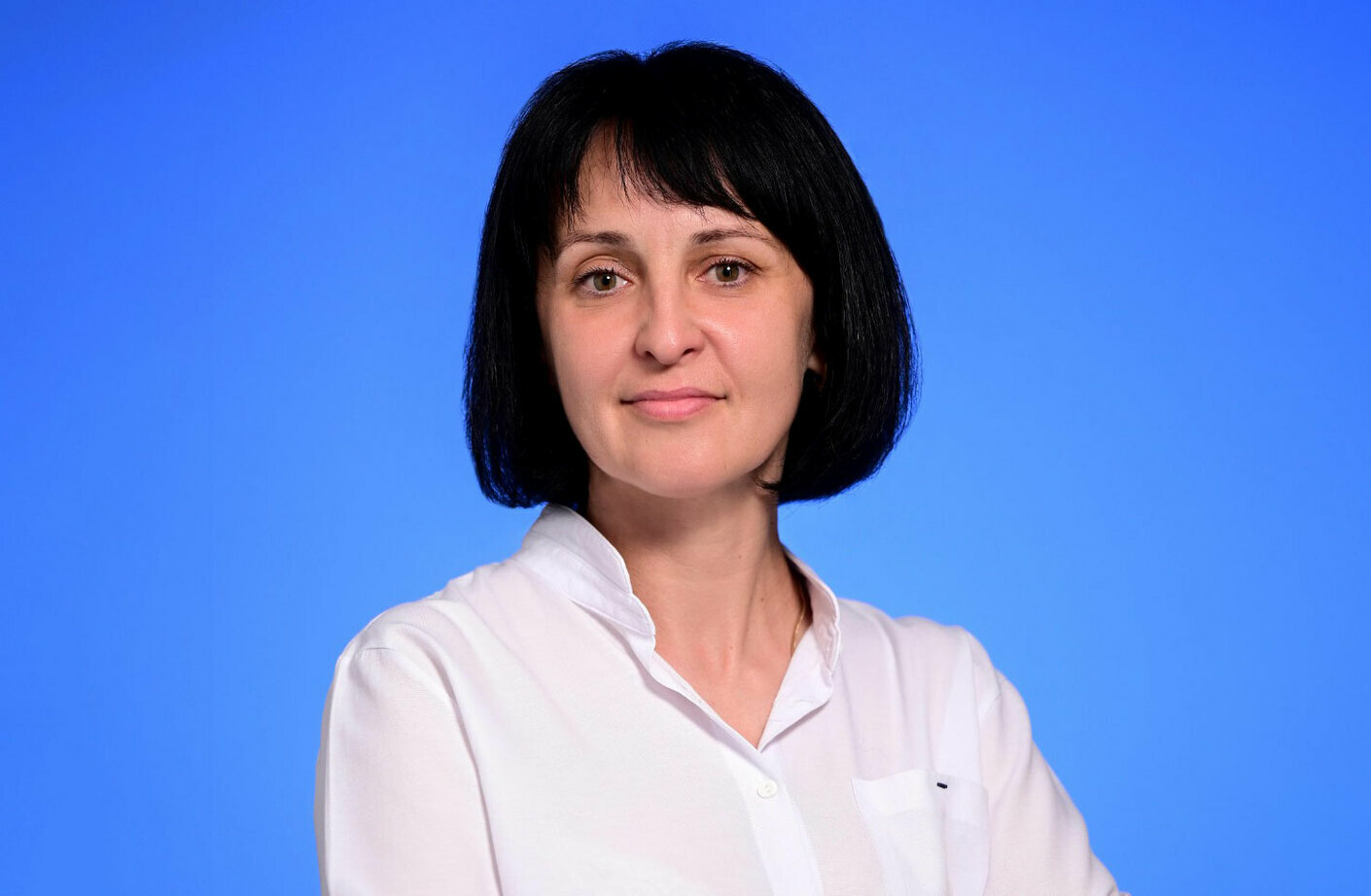
Mariia Chernenko, Head of Rohan Settlement Military Administration in Kharkiv region
How to use spatial planning to turn land into an additional resource for the community
In May 2026, you mentioned that the community’s comprehensive spatial development plan had helped to increase annual budget revenue by around UAH 3.5 million. At the same time, the share of “land-related” revenue in the budget rose from approximately 5% to 8%. How did you manage this?
Back in 2021, our community was selected for a pilot project to develop a comprehensive spatial development plan, funded by the USAID AGRO programme. This made us one of the first communities in Kharkiv region to approve its own comprehensive plan. We worked on it very thoroughly and, without exaggeration, studied every metre of our territory. At the same time, we took an inventory of the land, compared the actual and documented use of plots, clarified data on land users, and adjusted the regulatory monetary valuation. This helped us to identify unregistered plots of land, which subsequently enabled us to increase budget revenue. It was then that we also identified one of the biggest problems for the development of our territory: around 70% of agricultural land was state-owned.
Does this mean they do not generate any profit for the community?
Not a penny, but the issue here is not just about money, but also about the development opportunities we were missing out on. This problem became particularly acute after the start of the local self-government reform. Therefore, we began to examine the situation with the remaining 30% of the land in more detail. And this is what we discovered: some of the buildings had passed into private ownership, whereas the land title deeds had remained “pending registration” for years. This was the case, in particular, with one state-owned enterprise and a university. As a result, we began working actively with the Ministry of Education and Science of Ukraine and the relevant ministry, striving to balance the interests of the community, the university, and the state. This process is not straightforward, and it is still ongoing. If we manage to resolve these long-standing issues, we will be able to increase the share of land revenue in the community budget to 10%.
What is the situation with other land users, particularly farmers? Do you ever have to defend the community’s interests in court?
Local farmers generally fulfil their obligations to the community. However, if a dispute arises, we have to defend the community’s interests in court. For example, we are currently involved in a legal dispute with a large company concerning land covering more than 140 hectares, part of which, in our view, was used for purposes other than those for which it was intended. We hope that this year we will receive a ruling that will enable us to resolve the situation and open up further opportunities for development. After all, even in wartime there are investors willing to operate in Kharkiv region. We also have an interesting case involving a company in the tobacco industry. It relocated its production to Lviv, but left part of its facilities here with us. And in 2023, its management offered to pay us more for the land – simply to support us. And we continue to receive this increased payment to this day. I have not heard of any other companies taking similar steps.
Last year, details of the functional zones in Rohan community were entered into the State Land Cadastre. What does this mean for the community and landowners?
This work formed part of the preparation and implementation of a comprehensive plan. I understand why communities are reluctant to spend money on such documents: it is expensive, and without the support of the USAID AGRO Programme, we would hardly have been able to embark on such a large-scale project. But the result has exceeded all expectations. Functional zones help people choose precisely the plots they need. I can tell you, there is demand from investors. And even if it does not result in victory, or the end of the war, but simply a stabilisation of the front line, we will succeed. In addition, entering details into the State Land Cadastre simplifies the process of changing the designated use of land and reduces the need for additional land-management documentation. For residents and businesses, this saves a significant amount of time, and for the community, it enables a faster transition from an idea to a concrete project.
What changes did you have to introduce to the spatial development plan following the outbreak of the full-scale war? Are there any areas that you no longer consider to be promising due to security risks?
Well, we approved this plan during the full-scale invasion itself, so the security risks have already been taken into account. The most significant adjustment we had to make concerned the road to russia, which ran through our territory. In the 2021 spatial plan, we had attached great importance to it. Now, I think this road will not play any role for a long time to come. But as far as construction is concerned, we did not make any major changes. We have, however, added plots for residential development, taking into account the increase in our community’s population due to internally displaced persons, and we have paid particular attention to civil defence. We have been thinking not only about life today, but also about how the community will live after the war.
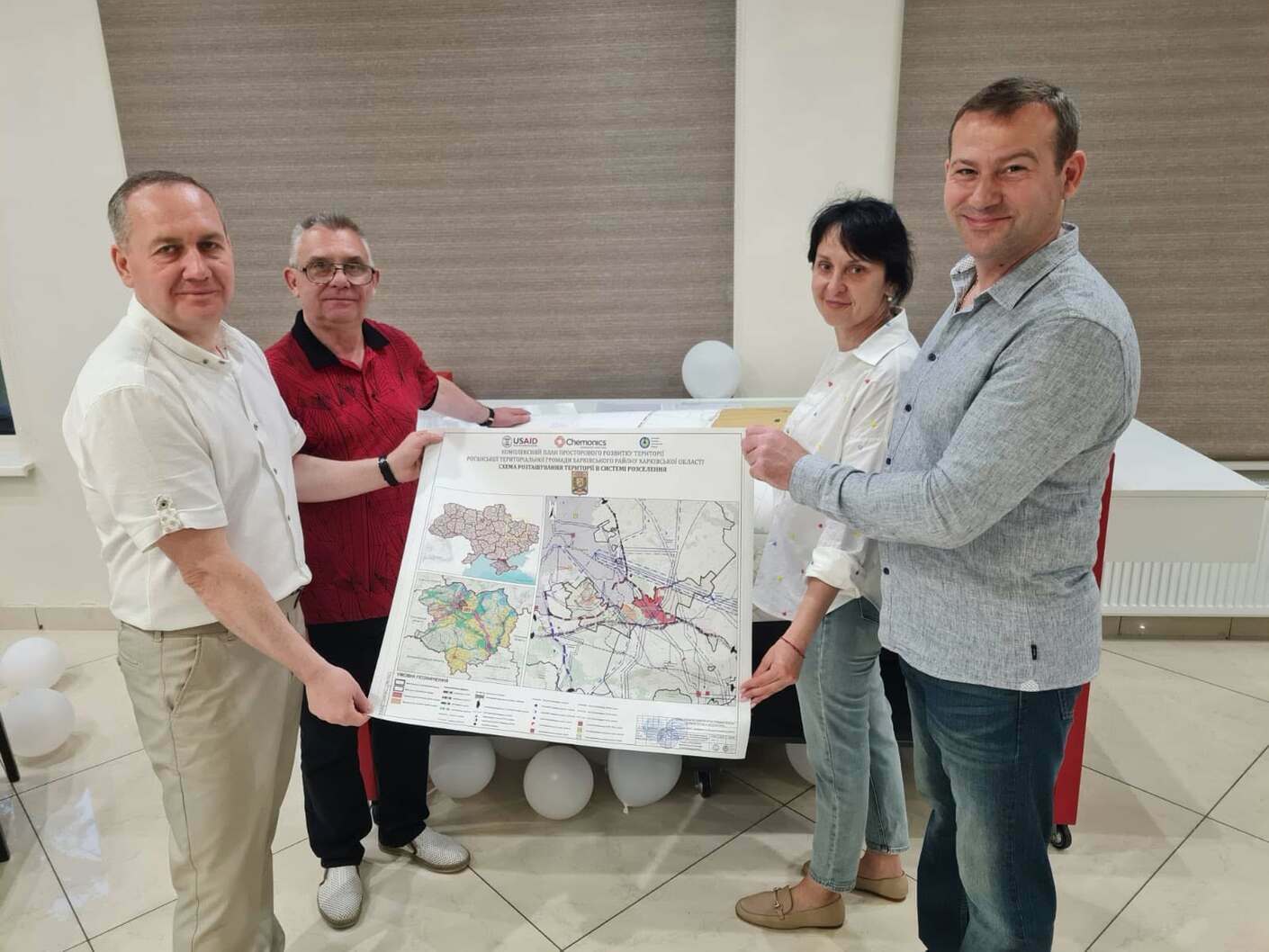
A group photo with the contractors upon completion of the complex spatial development plan for Rohan community. Mariia Chernenko is second from the right. Summer 2025
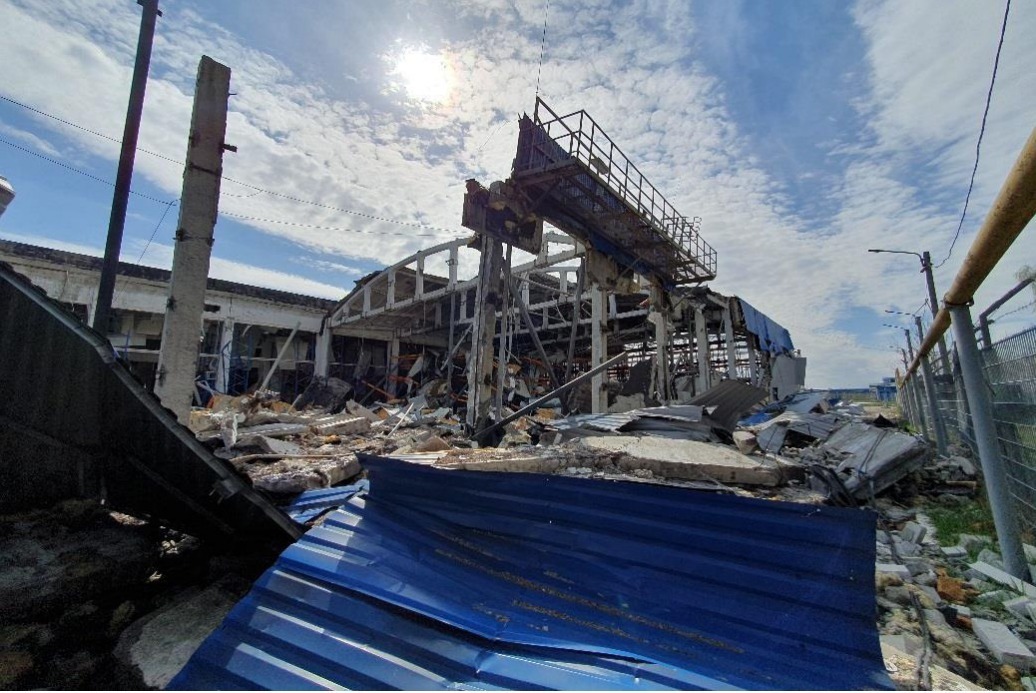
Russian strike on a cigarette factory, a major source of revenue for Rohan community
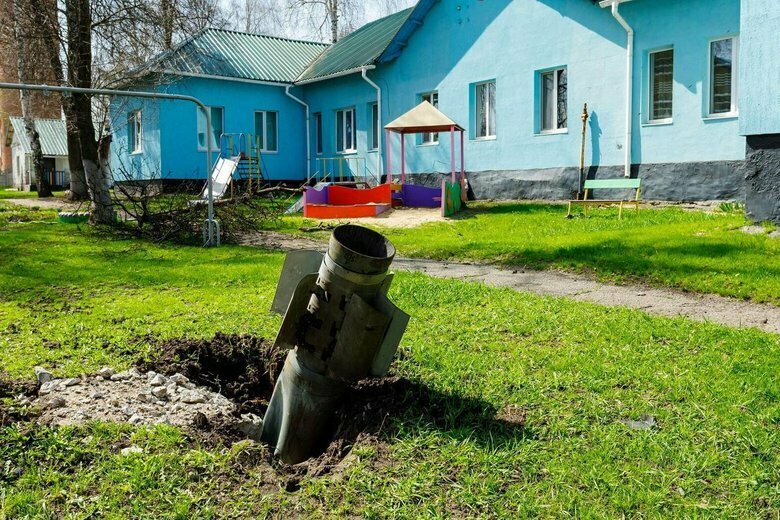
A russian missile that fell near a kindergarten in Rohan and, fortunately, did not explode
‘We installed thousands of square metres of windows…’
By how much has the community’s population grown?
I must say that, despite the proximity of the front line, many of our residents who had previously left the community have now returned. Several hundred internally displaced persons have also arrived here. Before the full-scale invasion, the community had a population of around 16,500; now, including the displaced people, the figure stands at over 17,000. This is, of course, an approximate and highly fluctuating figure, depending on the security situation. The closer the front line gets, the fewer people we will have here. On the other hand, the advantage of rural area is that people are far more attached to their homes than those in towns and cities. And as soon as the military situation stabilises even slightly, people return. For example, by 2022, around 5,500 people were living in Rohan, but as of 1 April 2022, barely 450 remained. Yet by May 2022, most of those who had left had returned, even though 80% of the houses in the settlement had suffered some form of damage.
In 2024, the Kharkiv Regional State Administration reported that 96% of social infrastructure facilities, 53% of critical infrastructure, and 46% of the housing stock in the region had been restored. What is the current situation with recovery in the community?
I am proud of the pace of our recovery, and I would like to take this opportunity to thank all our partners, both local and international, whose help has enabled us to restore over 300 homes. We began the reconstruction work back in the summer of 2022. The first priority was to restore two boiler rooms. In Rohan, the premises were severely damaged, whereas in Dokuchaievsk, the equipment was virtually destroyed. The boiler house was in operation at the time of the strike, so the aftermath was devastating: after the explosion, the hot steam literally tore apart everything in its path. We worked day and night, but we managed to restore the equipment, and the residents of our blocks of flats – of which there are 56 in the community on central heating – welcomed December 2022 with warm flats. This was a signal to our people that they could return, that they had not been forgotten… Overall, during the years of the Great War, we have fitted thousands of square metres of windows, repaired roofs damaged by shrapnel, and completely renovated over 30 buildings. We even restored the school in Rohan, as after the Kharkiv counter-offensive we hoped that the children would soon be able to return to their desks. But, unfortunately, lessons are still only taking place online. The situation here is far too dangerous.
But what about bomb shelters? Are they really not being built in your schools?
I take this issue very seriously. A bomb shelter has to provide reliable protection for children and ensure that lessons can go ahead as normal. And when hundreds of schoolchildren are involved, we need to take into account capacity, accessibility, and all safety requirements. Therefore, we are working not on creating a bomb shelter, but on an underground school – a protected educational space, a dual-purpose facility. We already have a design and are working on attracting funding. We also hope to receive state support next year. For us, building such a school is one of our priorities. Because children need to do more than just learn; they need to learn in safety. This school is desperately needed not only by us, but also by Kharkiv, as some of the children there could well attend our school.
What does the community do to ensure that the restored infrastructure is less vulnerable to further attacks?
I always speak cautiously about this, as for security reasons it is not advisable to disclose certain matters. But our main approach is this: to ensure that the aftermath of russian attacks is not so devastating, we need to gradually decentralise the networks, in particular the district heating network. We are also currently working on contingency plans and have already received a modular boiler house from our international partners, which will increase our resilience to russian attacks. We are also enhancing the autonomy of individual critical infrastructure sites through additional power sources, including solar panels. There are other plans too, but we will discuss those at a later date.
Back in 2022, you decommissioned a nine-storey block of flats in Dokuchaievsk, which had been hit by a russian aerial bomb. What has become of it now?
In fact, there were two residential buildings that were decommissioned. The second was a two-storey building in Rohan, where a russian tank destroyed an entire block of flats. So, in 2024, both buildings were restored using state funding and funds from the community, which allocated around UAH 3.5 million for this purpose. Later, residents were able to receive compensation for the repair of their own flats under the eVidnovlennia programme. We also restored a kindergarten and a health centre in Rohan, as well as a kindergarten and a school in Dokuchaievsk. For us, these buildings are more than just walls: this is how we give people back the sense that life in the community goes on.
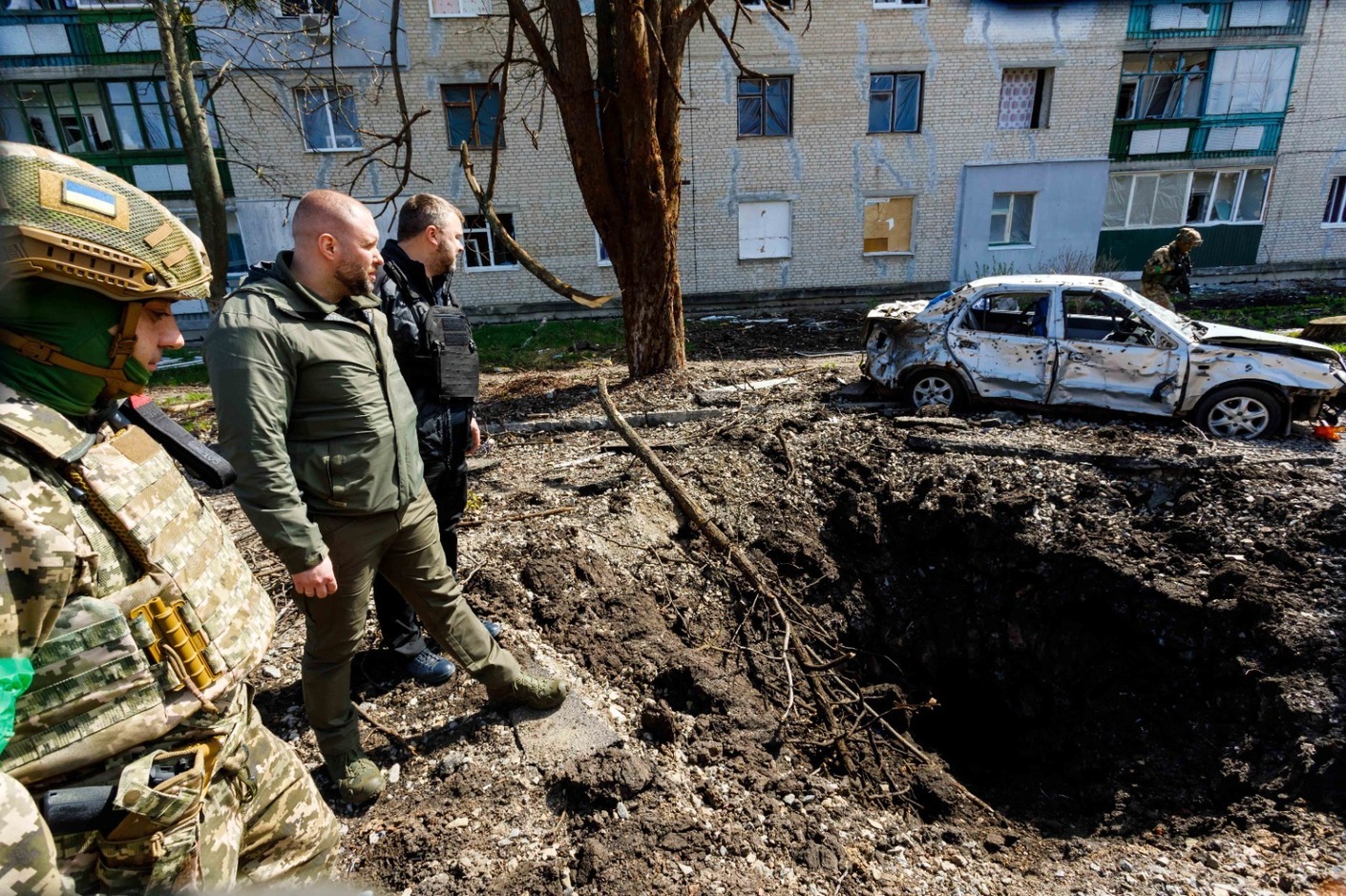
An airstrike – one of the “gifts” from the “russian world” to Rohan community
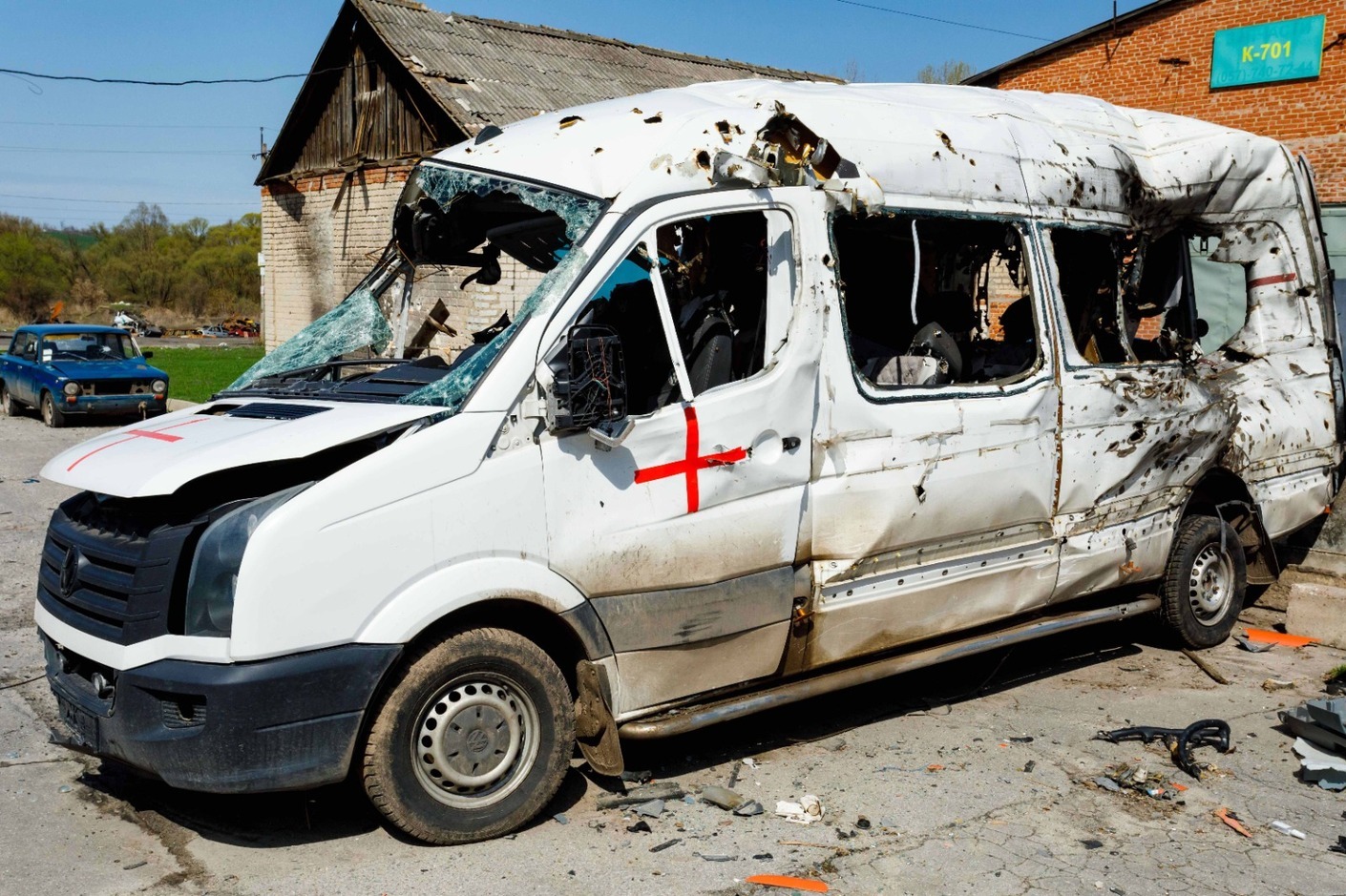
Aftermath of the shelling in 2022
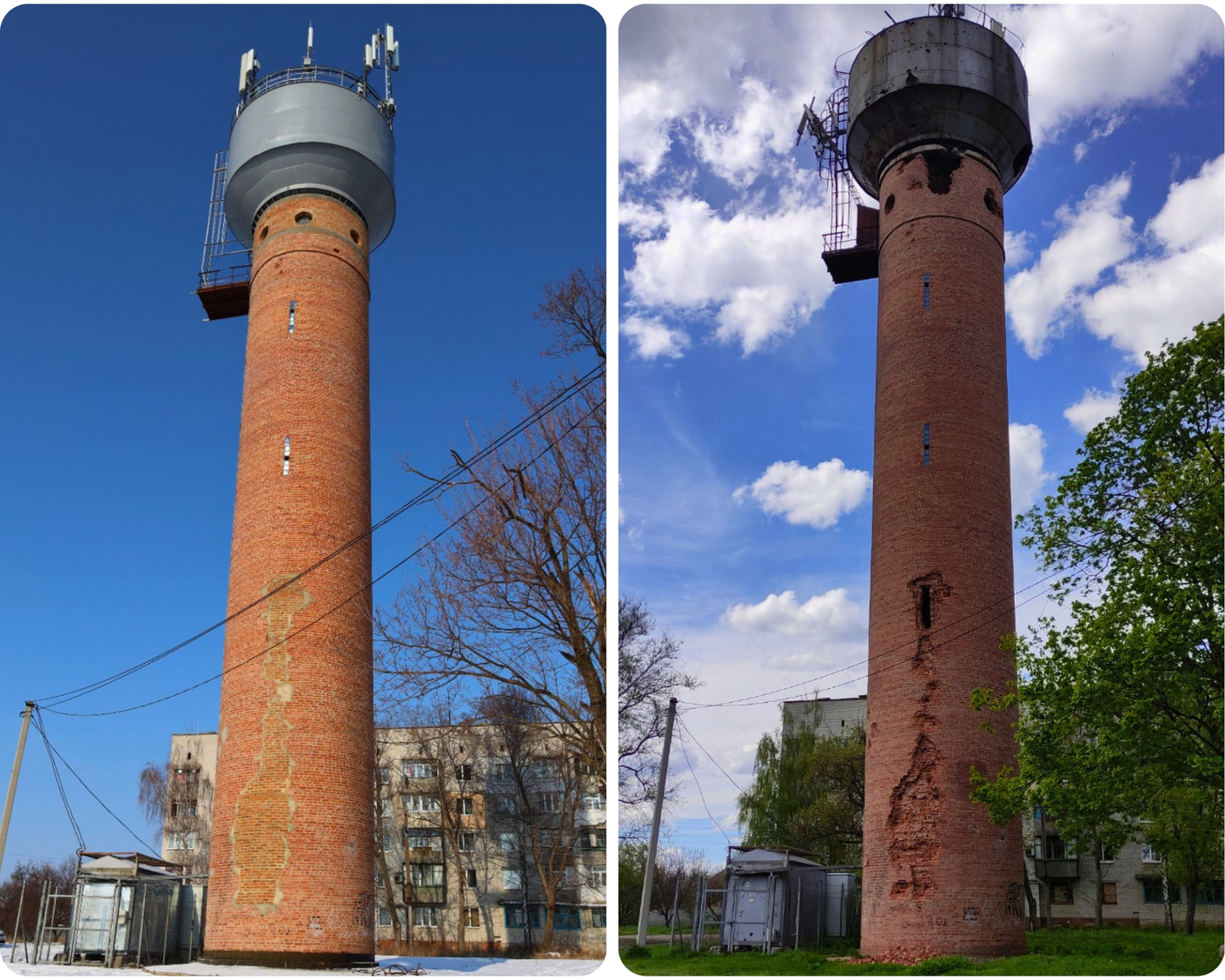
A water tower damaged by the russians and restored by Rohan community. The French Solidarité Foundation allocated UAH 4 million for this
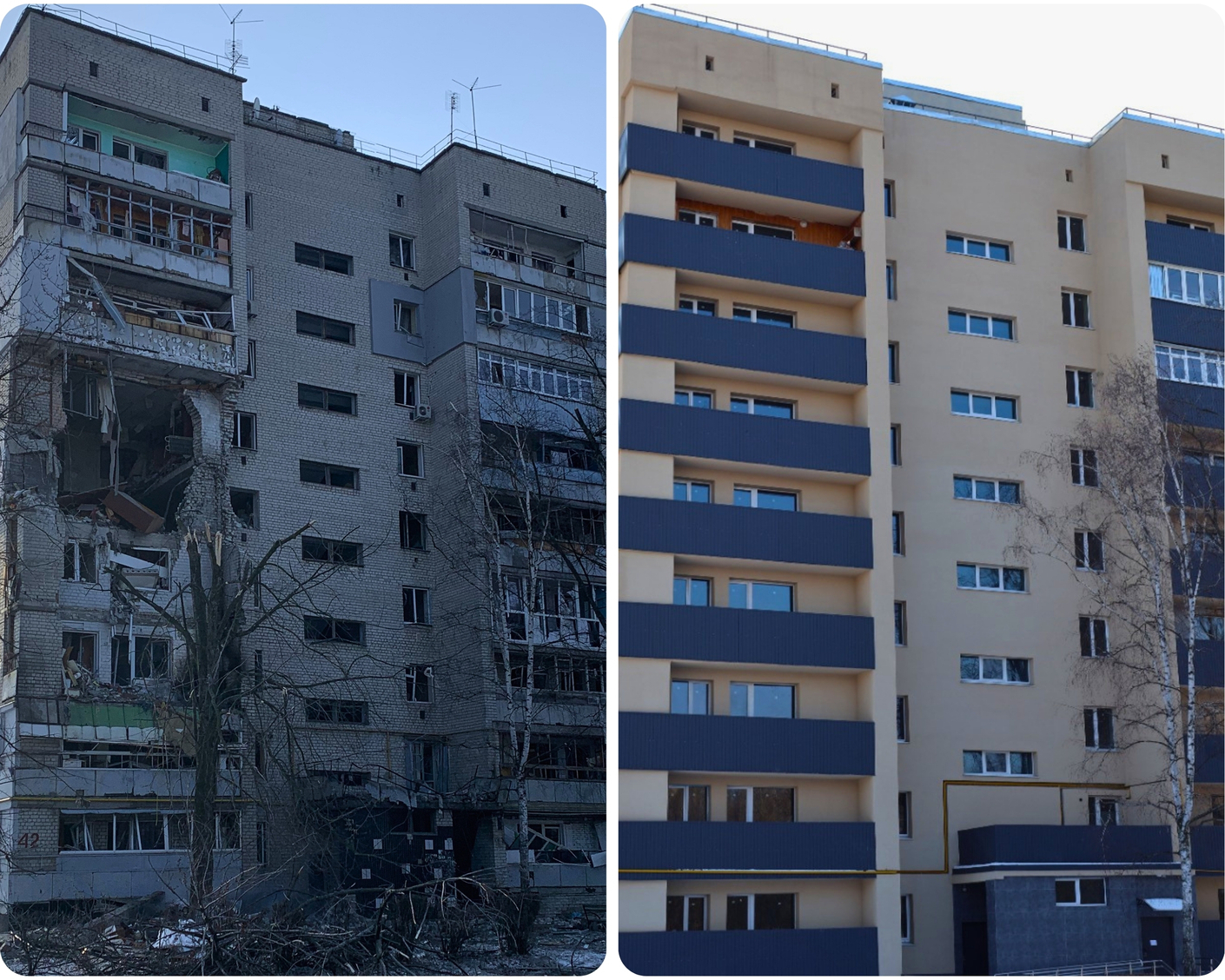
House No. 33 on Brativ Shapovaliv Street in Rohan – damaged by the occupying forces in 2022 and restored using funds from the local and national budgets in 2024
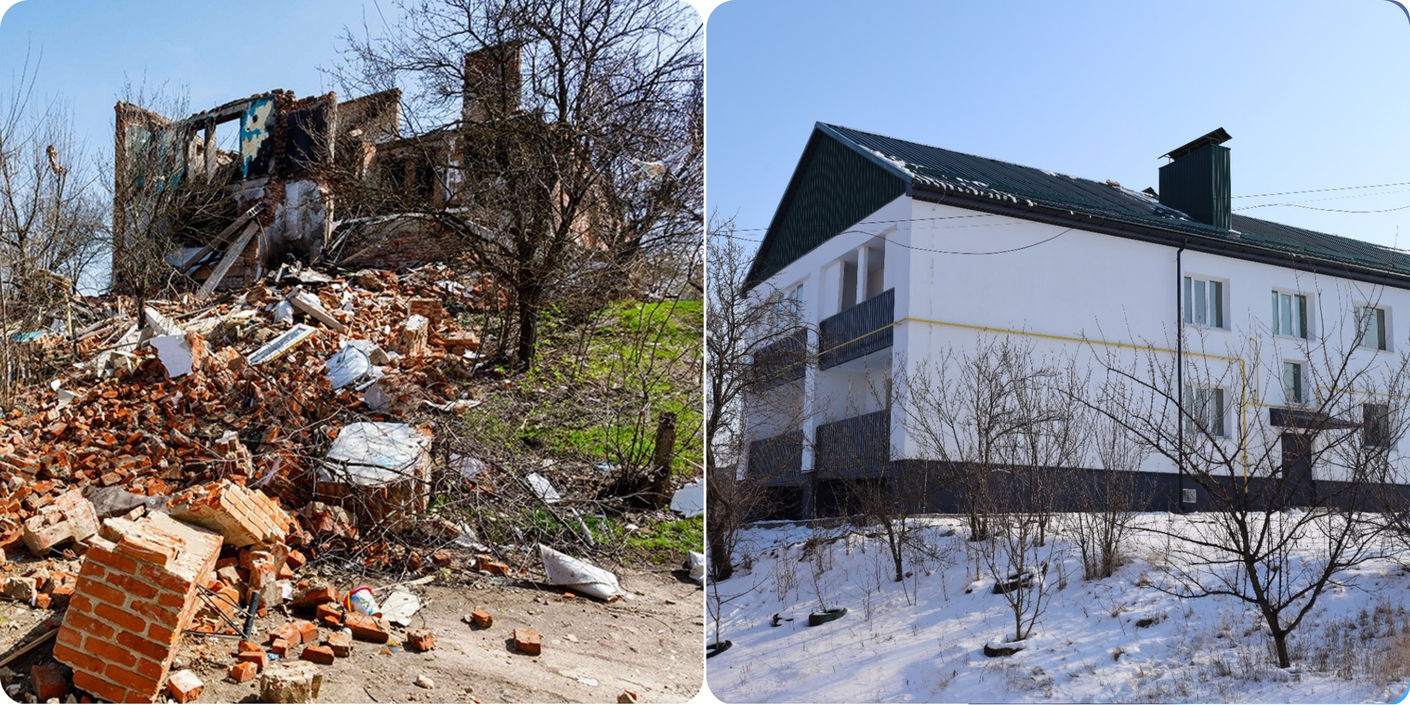
House No. 42 in Dokuchaievsk – completely destroyed by the enemy and rebuilt by the community
‘We are asking the government to settle its debts – at least to the frontline communities…’
Are people fleeing to you from Kharkiv, where it is currently very dangerous?
Our situation is dangerous too. When it comes to the migration of people, to be honest, a great deal will depend on the state of the infrastructure. If there are problems with heating or water in Kharkiv this winter, people will look for ways to move here, but if these problems arise here – the opposite will happen. Therefore, we take the restoration of infrastructure very seriously. Last year, just before the start of the heating season, on 4 November, six Shahed drones attacked our boiler house, but we were already prepared for this and restored everything very quickly, albeit with a huge amount of effort. And now we are preparing for possible new threats, although, of course, we very much hope there will be none.
What are the biggest difficulties people who have lost their homes face? What can the authorities do to ensure that the assistance provided is not merely a formality, but really helps them get their lives back to normal?
Well, I can say with 100% certainty that the eVidnovlennia programme is up and running, and running well! So almost all our residents have made use of it and have already received 70% of the funds. Admittedly, the complete lack of property documents sometimes prevents people from receiving the funds. In other words, there are houses that have been lived in “for generations”, and nobody ever even thought about whether there were documents for these houses, in whose name they were registered, and so on. And this is a huge problem, because properties cannot simply be included in the Property Register. A court ruling is required, and obtaining such a ruling is very difficult for rural residents. We help people in every way we can, and over the last two years many houses have indeed been registered. However, some of our properties have ended up in a limbo situation for the following reason. We have houses whose owners, usually elderly people, are currently in russia. Their children live in these houses, often in very large families. It is practically impossible to register such properties. I believe that for people like this, who do not want to leave Ukraine, who work here and are raising their children here, there really must be some changes to the legislation.
What else, in your opinion, needs to be changed in our cooperation with the state so that your community can implement its existing projects more effectively?
Let me tell you about another of our struggles. In 2021, memoranda were signed to cap tariffs for district heating and to compensate for the resulting shortfall. And during the state of emergency, restrictions on tariff increases were also enshrined in a separate law. I realise that if we were to raise tariffs to an economically justified level, many of our residents simply would not be able to pay for heating. But the companies’ costs are rising, whereas compensation for the difference in tariffs remains merely on paper. Just think about it: according to our calculations, the accumulated debt exceeds UAH 50 million! Last year, the community was forced to allocate approximately UAH 35 million to support the heating supply; this year – around UAH 17 million. These are huge sums for our budget! Instead of investing in development, we are forced to prop up the heat-generating company’s current solvency so that it can pay for its energy supplies and avoid accumulating fines and debts. Is this really a normal situation?
So, is a legislative change needed?
Sure, or at least the adoption of a systematic approach. I would very much like it if, when the Verkhovna Rada next discusses additional resources for communities, in particular the 4% personal income tax, which has already been mentioned on several occasions, they would also take this outstanding debt into account. By way of comparison: 4% of personal income tax for our community this year amounts to approximately UAH 2.5 million. This is incomparable to the burden we are bearing. This debt has to be settled, at least for the frontline communities! After all, we are not talking about abstract utility companies. We are talking about heat in people’s homes, about the ability to repair networks in good time and prepare for winter. We cannot allow ourselves to face the threat of the heating season being disrupted due to financial problems that local authorities are unable to resolve on their own.
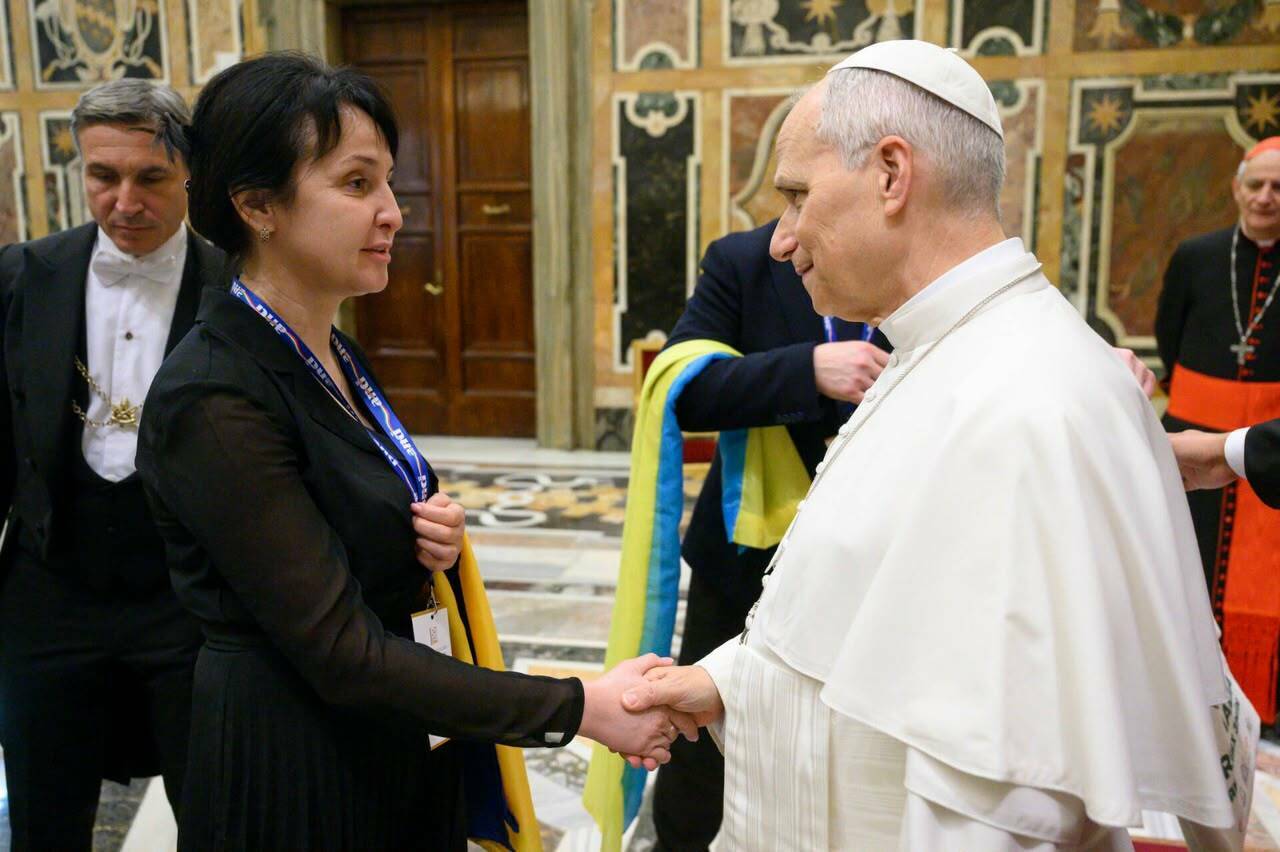
Mariia Chernenko during a meeting with Pope Leo XIV, Rome, 30 December 2025. Ms Chernenko was one of three leaders of Ukrainian communities who were able to attend the meeting with the Pontiff, thanks to their partnership with their Italian counterparts
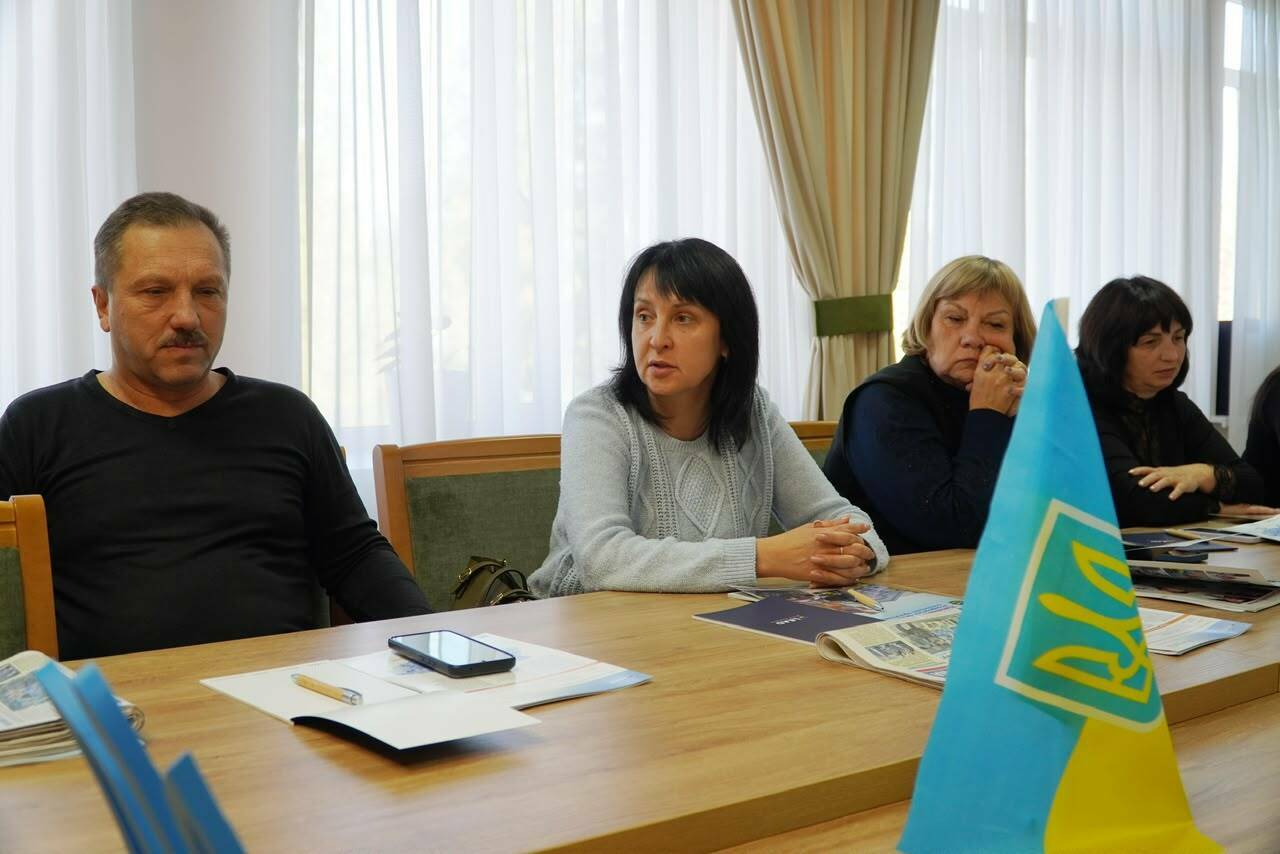
n Poland, during a meeting with representatives of Polish municipalities. From left to right: Volodymyr Suietskyi, Head of Sakhnovshchyna community; Mariia Chernenko, Head of Rohan community; Iryna Karabut, Head of Krasnopillia community
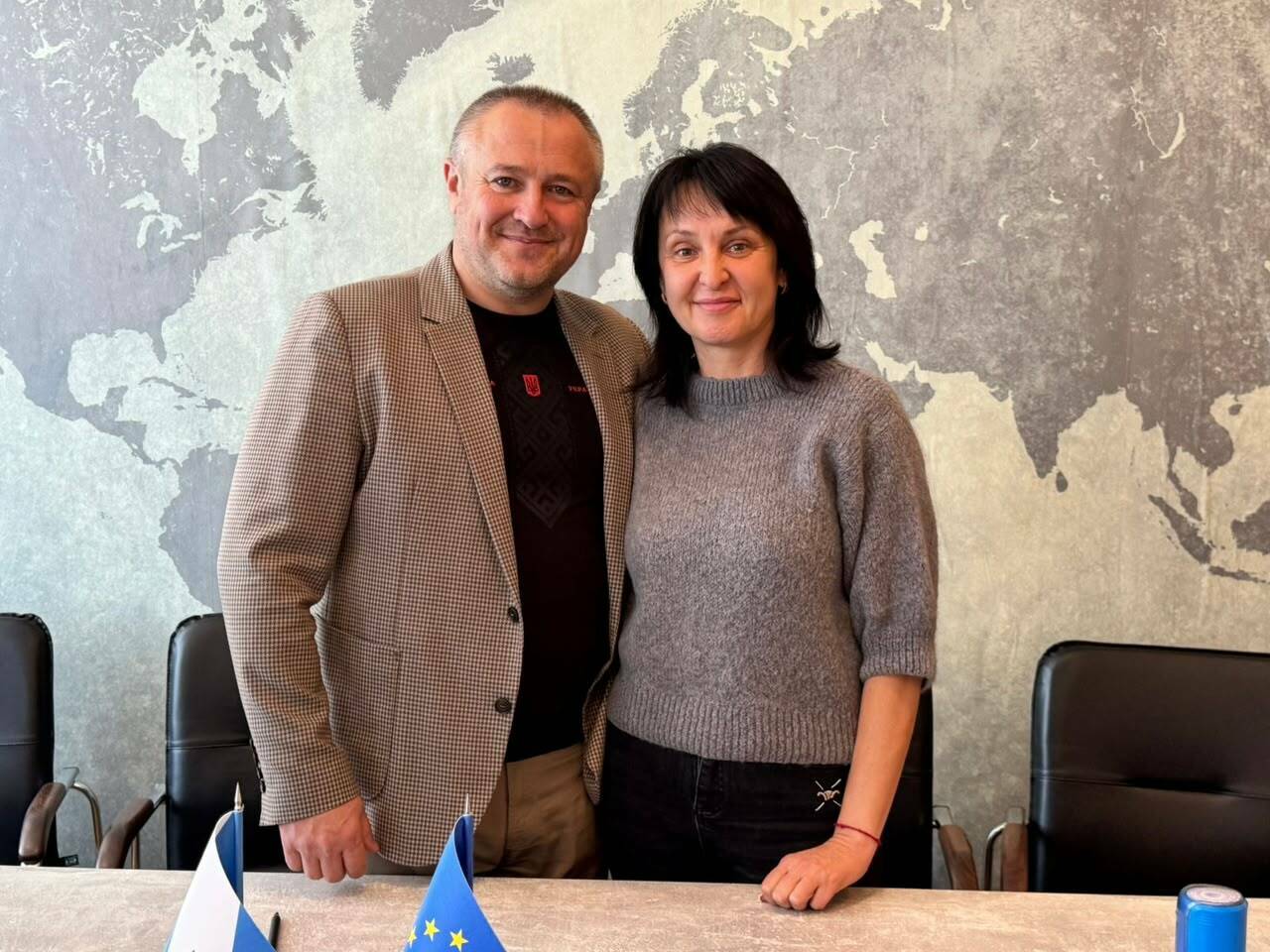
With Ivan Dyriv, Head of partner Dolyna community
On services, energy resilience, and cooperation with neighbours
What services should the community be able to provide independently, even if external services from the district and region are unable to reach them? Does the community have sufficient equipment, specialists, and contingency funding to respond to emergencies?
We have our own local fire brigade, which proved its worth in 2022 when external services were unable to reach us quickly due to the hostilities. Prior to that, we had debated whether the costs of running our own fire brigade were justified, but then I saw how these lads were saving houses, and sometimes entire streets, and realised just how important it was. However, when I saw these men saving houses, and sometimes entire streets, I realised just how important they were. After our community’s territory was liberated, we increased our support for the fire brigade and began working more closely with international partners to upgrade its equipment and facilities. Thanks to this, our firefighters now have fire engines, specialist equipment and protective gear. This proved very useful last November when our fire brigade’s base was hit by a direct strike, damaging many of our vehicles. Everything has now been repaired.
Does Rohan community cooperate with other communities, for example, in fire safety, as well as in other areas such as public utilities, the procurement of equipment, and the provision of services? Might inter-municipal cooperation significantly ease the community’s burden during the war?
For us, inter-municipal cooperation is primarily about providing practical mutual assistance. During the war, every community realised how important it was to have the capacity to respond to fires and other emergencies. So, when necessary, we help our neighbours and they help us in return. The vehicles closest to a fire are the ones that tackle it, regardless of which community they belong to. We are also working on the idea of creating a safety centre that would bring together the local fire brigade, the emergency medical service and the police station. I think such a centre could benefit neighbouring areas too. We also cooperate in other areas. For instance, residents of the neighbouring Vilkhivka community use our outpatient clinic.
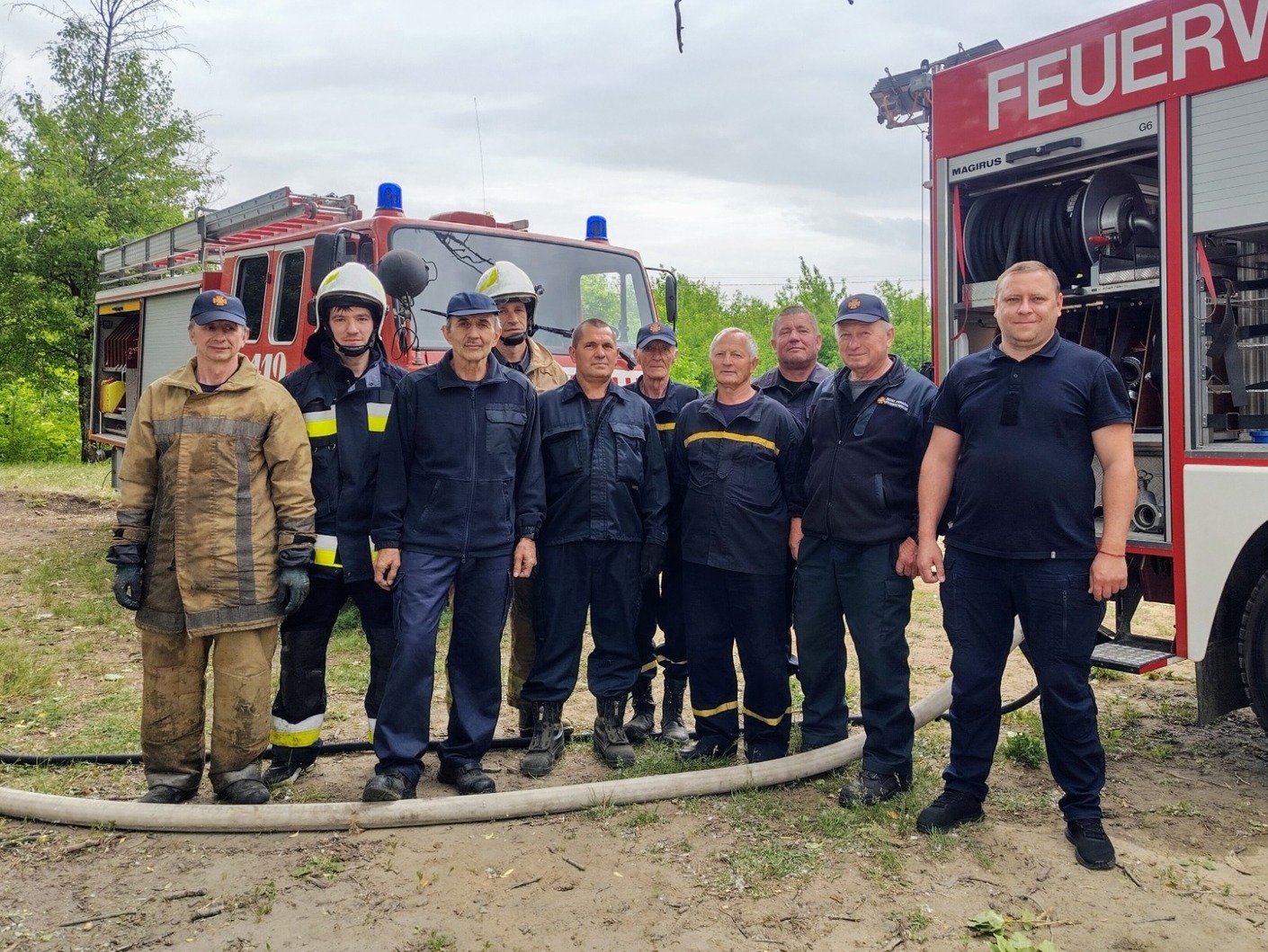
Fire brigade of Rohan community saved many houses in 2022
On budget transparency, public trust, and support for the army
How has the decision-making process changed since the transition to operating under military administration?
The biggest difference lies in the speed and personal accountability for decisions. During hostilities, it is sometimes impossible to wait, as people’s safety and the functioning of critical services depend on swift action. Military administration allows us to act more quickly, but at the same time, the leader bears personal responsibility for these decisions, and that is very difficult. I always remember that behind every order there are real people, their needs and sometimes even their lives. At the same time, the speed of decision-making should not mean a lack of transparency or dialogue with the community.
What, then, about the transparency of budgetary and “recovery” decisions? Do you use mechanisms for consulting with residents, civil society organisations, and local councillors?
It is very important to me not to lose people’s trust. I feel a particular responsibility to our residents, because they are the first to turn to the local authorities with their problems, and this trust cannot be betrayed. Therefore, I try to communicate as much as possible, explain our decisions, and discuss both complex budgetary issues and why we choose certain priorities over others. People have now got used to our online surveys; they fill in Google Forms and message us via instant messaging apps. We also work with community organisations, of which there are an increasing number here, and through them, communication with residents is particularly effective. At the moment, for example, we are drafting the Community Charter, and we simply cannot do this without involving the residents. Of course, due to security risks, we cannot hold large open meetings as we would like to. So civil society organisations come in handy here.
What are the most critical questions raised by residents?
Most often, people ask about priorities: why do we fund one project first, leaving another to wait? I always explain that supporting the Defence Forces is one of our absolute priorities. But at the same time, we have to maintain the community’s essential services, help displaced families, repair infrastructure, and provide education and social services. These are difficult decisions, especially when funds are scarce. And it is important to explain honestly to people why we make these particular choices.
What proportion of the community’s own revenue is allocated to supporting the army?
We try to allocate as many resources as possible to the military’s needs, including surplus funds and funds from exceeding the budget. We understand that the lives of our community depend directly on where the front line lies, so we try to do our best to help our defenders. But there are so many requests. When revenue from the “military” personal income tax remained in local budgets, we were able to meet more needs. Now, unfortunately, we are forced to put some requests on hold.
How is the local business sector changing? Which businesses have resumed operations, which ones need support and which new types of business show potential, even under the current security conditions?
Unfortunately, several large enterprises have relocated to the western regions, resulting in job losses. However, there are also examples of recovery. For instance, in January 2023, one of our major industrial enterprises, which has a history stretching back over a century and a half, resumed operations. While part of its production capacity was moved to other regions, some of the equipment remained here and continues to operate. The company is gradually resuming production, investing in equipment and creating jobs. As far as I know, around a hundred people are currently employed there. Enterprises in the agricultural sector, particularly in the poultry sector, are also resuming their activities and gradually increasing their production capacity. However, many entrepreneurs are still waiting for the security situation to stabilise. Our task is to ensure that they want to stay and develop their businesses right here. After all, the recovery of local businesses means jobs, tax revenue and economic stability for our community.
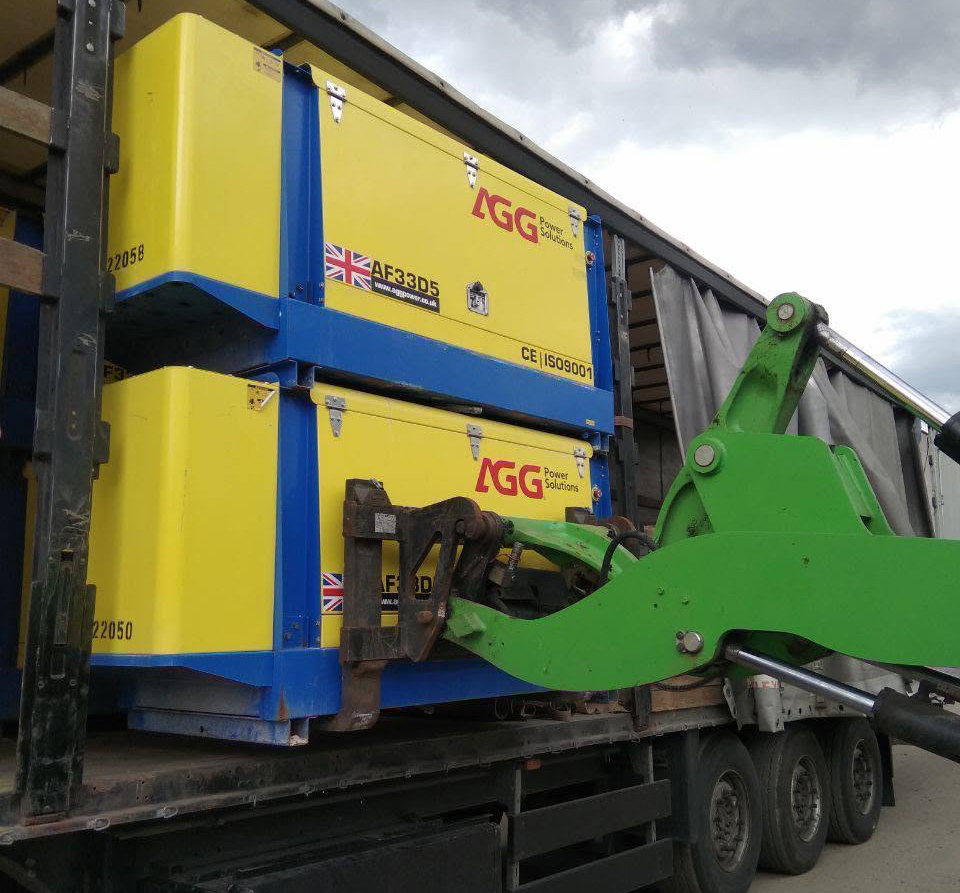
Receiving emergency generators from partners
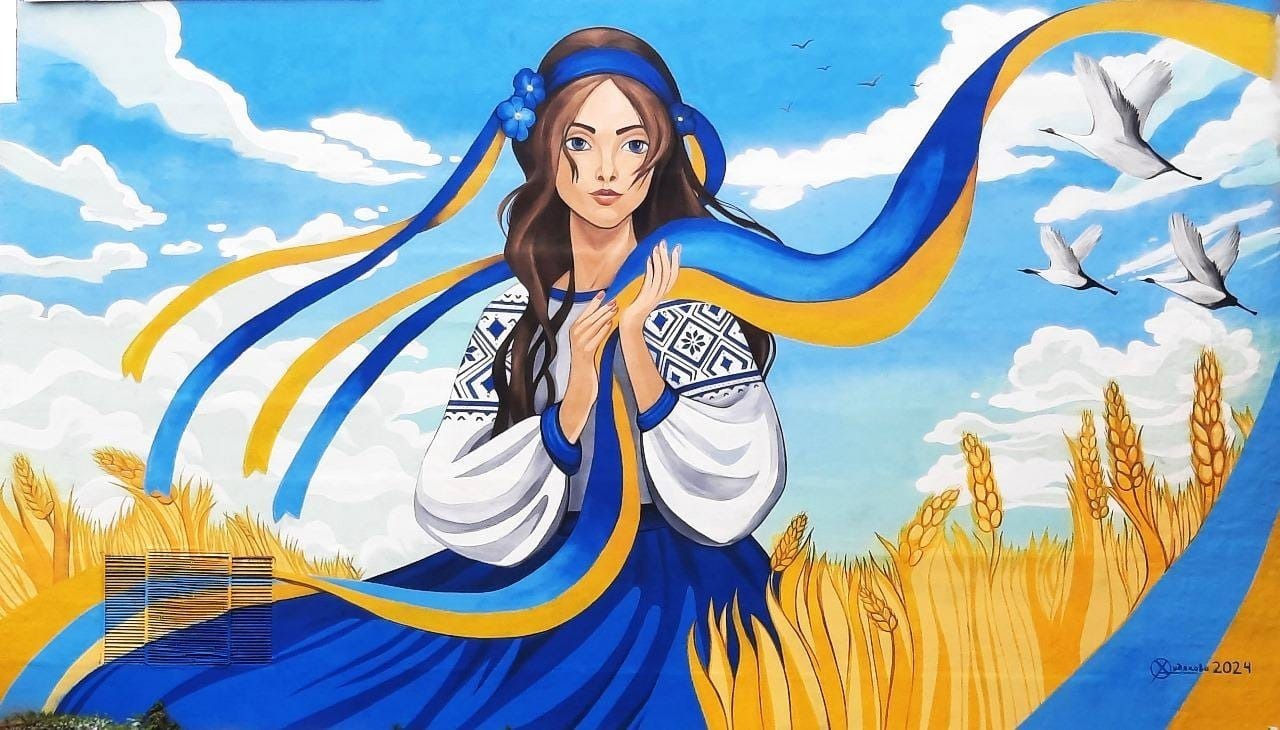
“Free”. A famous mural in Rohan by the artist Anastasiia Khudiakova
How to keep young people in the community through effective youth policy
Last month, we published an article on the history of the youth movement in Rohan community. I was impressed that the youth team, with the support of its partners, managed to raise over UAH 2 million in grants, in-kind donations and other forms of assistance. How did they manage it?
Back in 2021, we held the first meeting of the Rohan Settlement Council’s Youth Council. Thanks to our many partners, the council soon mastered the art of grant-writing and later achieved some impressive results. Young people attract funds from different sources, and thanks to this we have managed to renovate and refurbish youth centres and the library, as well as organise several training sessions and other events. Paradoxically, it was the war that forced many of our active young people to grow up faster, take responsibility, and take action.
Rohan community approved the Youth Policy Programme for 2025–2027 and allocated around UAH 450,000 for youth activities. Is now the right time for this?
Working with the next generation is always timely. After all, we want to hand the country over to capable young people, don’t we? These funds are earmarked for various youth activities, initiatives, and events. However, I would like to point out that our Youth Council is a vibrant, effective and capable body, so the Programme’s funds are rarely used. Young people seek out partners themselves, mobilise resources, and understand the community’s challenges well. Thanks to the active involvement of the Youth Council, major recovery events have been held in the community for two years running as part of the VidNOVA:UA programme. Young people from 14 regions of Ukraine, as well as from abroad, have come to visit us. They worked shoulder to shoulder, renovated the premises, and got to know one another – and they still keep in touch and remain friends today. The young people literally built our Youth Centre themselves: they renovated the old premises, which are now used for classes, meetings, and training sessions. Sometimes even the settlement council asks to use this facility for its own events. Next year, the young people plan to help modernise the local library. The most valuable thing for me is that these young people are independent and have their own vision for the future of the community. With young people like this, there is no need to fear for the future.
What is your prediction for Rohan community in five years’ time?
Peaceful, of course. A place where people want to return to, too. I want Rohan community to be a place where people want to live, work and make plans for the future. One of the most important indicators of our work for me will be not just the number of new or restored facilities, but also the number of people who want to return home from abroad. Not because benefits have been cut or it has become more difficult to live abroad, but because people will find that home is a safe place with job opportunities and a future for their children. We understand that young people adapt quickly to life abroad. However, their return is particularly important to us.
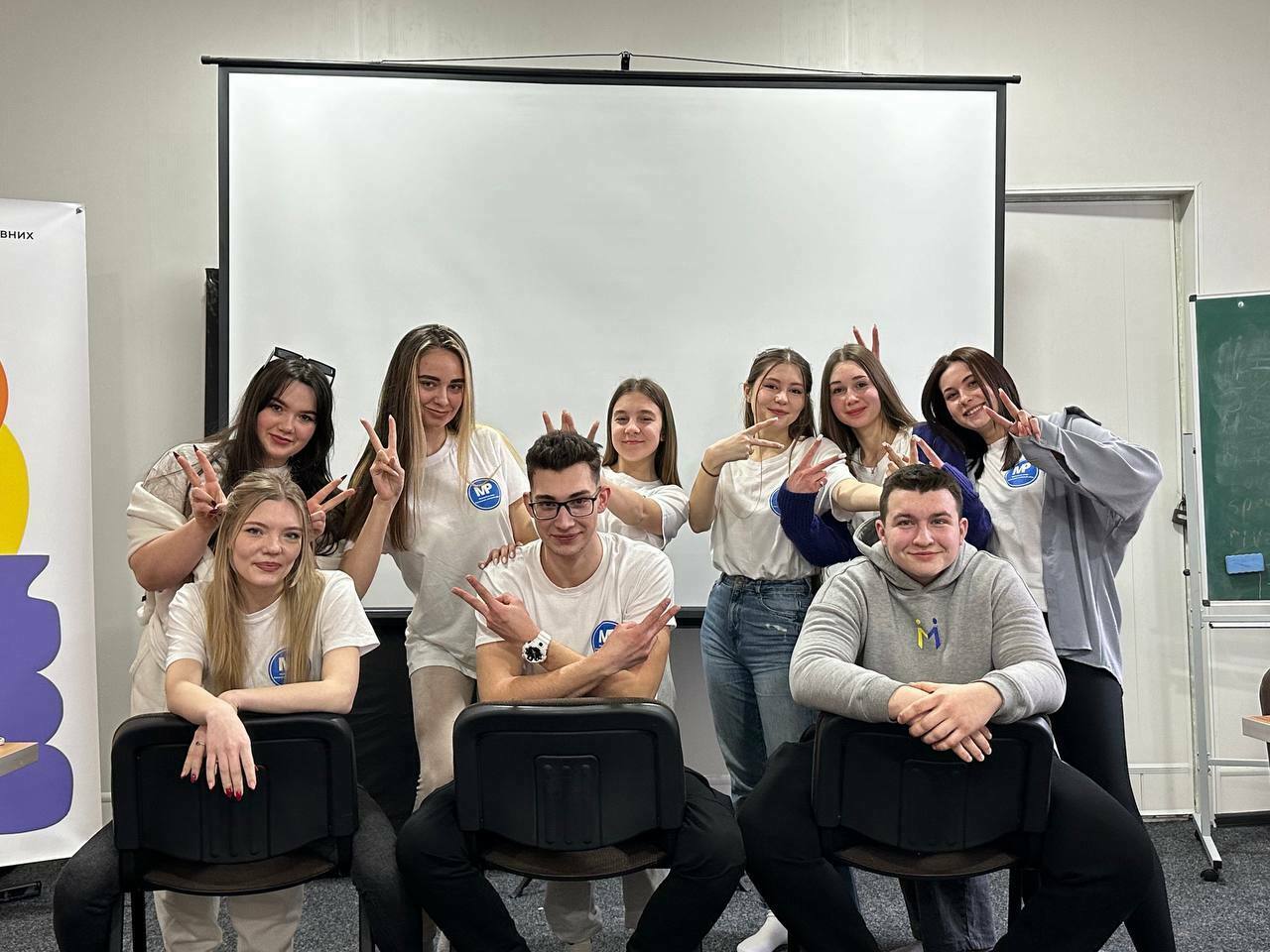
One of the events organised by youth in Rohan
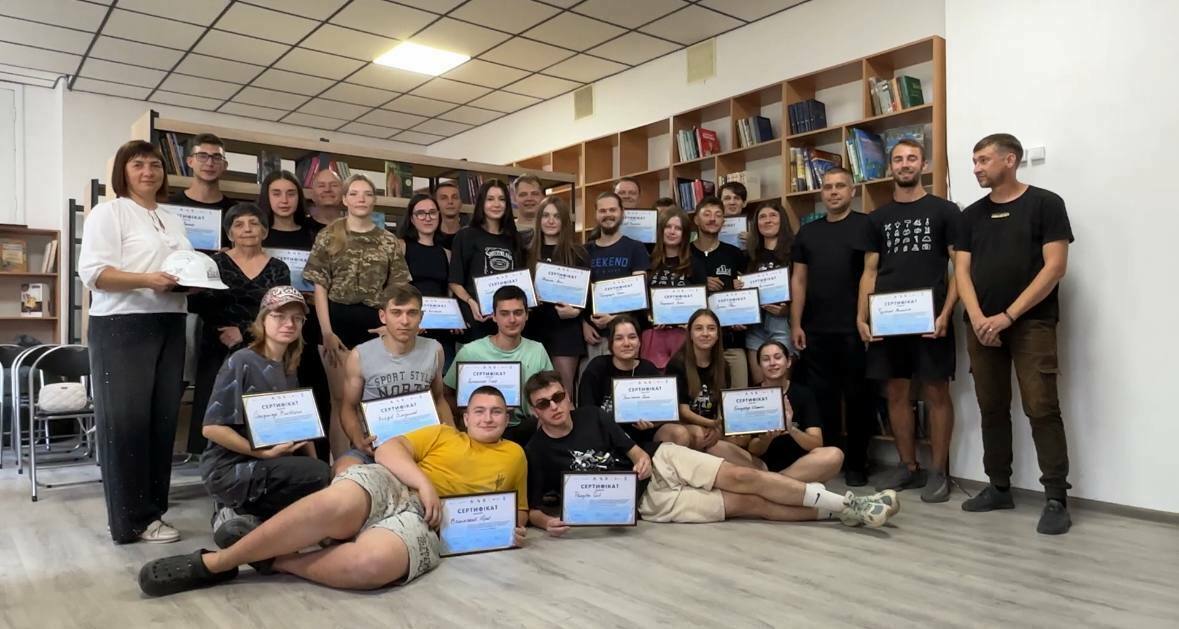
In the Rohan library, renovated by local youth
05 November 2026
Municipal Enterprises Reform: Polaris Programme...
The Polaris Programme “Supporting Multi-level Governance in Ukraine” has announced the selection results for...
05 November 2026
RESILIENT COMMUNITIES training programme completed!
RESILIENT COMMUNITIES training programme...
On 5 November, International Project Manager Day, the “Resilient Communities” training programme – developed by...
05 November 2026
Як розвивати співпрацю громад України та Румунії: висновки з Rebuilding Ukraine 2026
Як розвивати співпрацю громад України та...
Джерело - Facebook New Strategy Center Традиційно міжнародне муніципальне партнерство з Румунією є більш...
05 November 2026
Open Call for Experts to Conduct Technical...
The Polaris Programme: Support to Multi-Level Governance in Ukraine invites experts to submit their CVs for inclusion...