How to maintain resilience during wartime. Interview with Mayor of Zmiiv
Pavlo Holodnikov, Mayor of Zmiiv, on how to ensure defence, heating, education, healthcare, and housing without losing the trust of residents
By Dmytro Syniak
Zmiiv community consists of 60 localities and covers an area of almost 800 square kilometres. It also has a rich industrial heritage and significant agricultural potential, and its proximity to the city of Kharkiv, which has a population of one million, makes it particularly promising. However, it is currently facing serious military risks. In an interview with Decentralisation, Pavlo Holodnikov, Mayor of Zmiiv, discussed how resources can be allocated under such conditions while maintaining the pre-war standard of service provision.
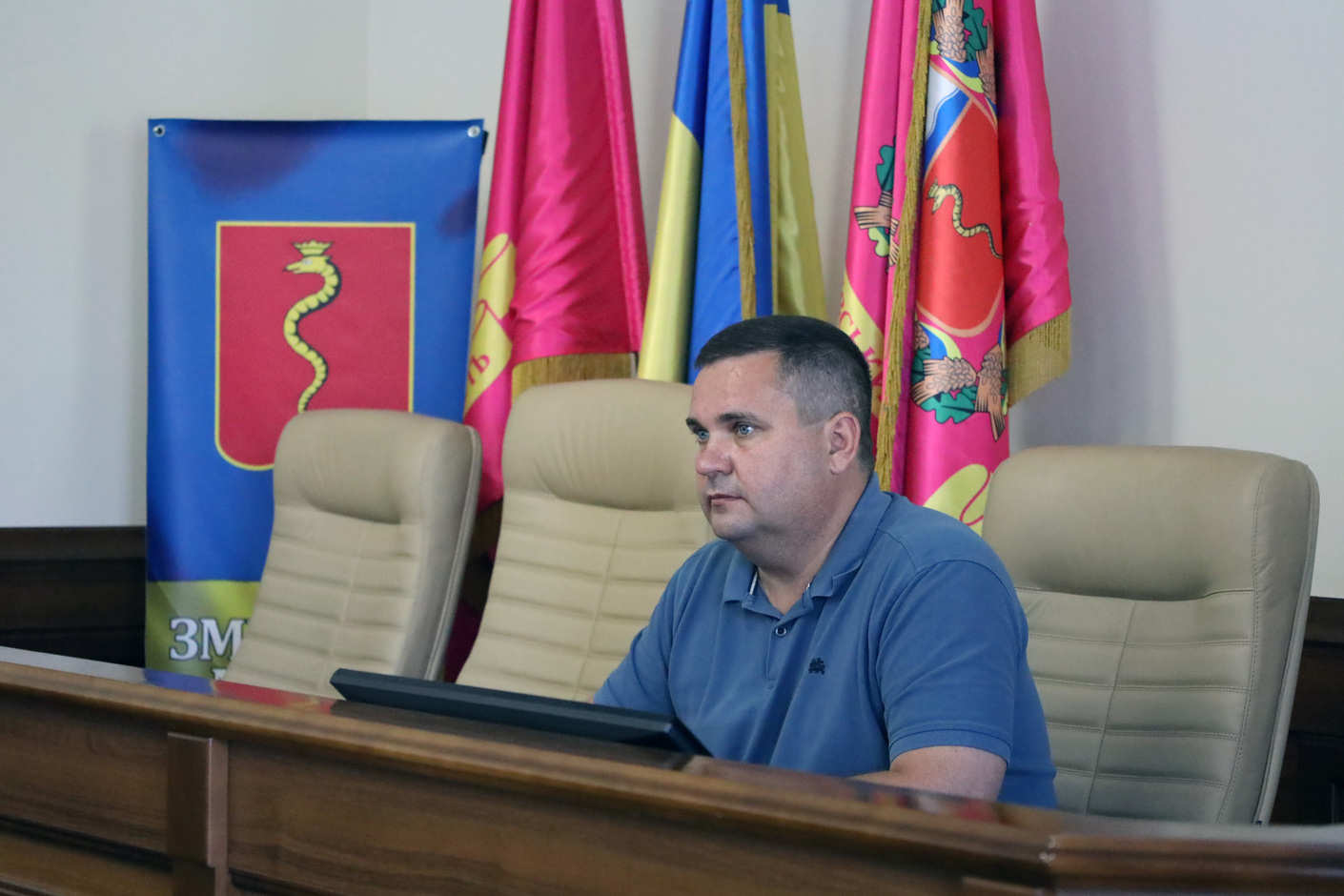
Pavlo Holodnikov, Mayor of Zmiiv
On the growth of the population by one and a half times
The Community Development Strategy states that the pre-war population of Zmiiv community was almost 40,000, although a third of them were older than 60, and the proportion of children and young people below working age was only 11.4%. What is the current situation with the population of the community? Is it realistic, in the context of a full-scale war, to retain people of working age in the community?
I would say that before the war our population was actually 41,000, since not all our residents were officially registered here. Around 4,000 of them later moved abroad or to other communities, whereas their places were taken by internally displaced persons, whose number reached 18,300. The fact that they chose us says a lot. I mean, primarily, the quality of life and the standard of services provided. But the arrival of such a large number of people is a serious challenge. Not only has the strain on our housing stock increased, but also on city council departments such as social welfare and education, and others. Against this backdrop, I would like to thank the Kharkiv Regional Road Service and the Infrastructure Restoration Service for repairing our roads. We would not have been able to manage this on our own under the current circumstances. The same applies to the ambitious projects to build three outpatient clinics and two underground schools. The bomb shelter at Chemuzhivka Lyceum is almost finished, so the children will be able to take their seats there very soon. I can say the same about Zmiiv Lyceum No. 2. In addition, we are developing plans for bomb shelters at Zmiiv Lyceum No. 1 and Veleten Lyceum.
In the challenging circumstances of war, community leaders often have to make difficult management decisions. Which of these have been the most difficult for you since the full-scale invasion began?
I can answer that question straight away, because that period was the most difficult time of my life. In 2022, the community’s budget revenue fell so sharply that we had to make staff redundancies. Otherwise, we would have been buried in wage debts, thereby breaching Article 70 of the Budget Code. So it was an extremely painful process. But just a year later, once we had recovered slightly, we restored our full staffing levels and resumed providing all services in full. Now, as far as staffing is concerned, our only problem is with medical staff.
You said you have more than 18,000 internally displaced persons. Does that mean the community has grown by one and a half times?
Well, we did not have a census, so we only have approximate figures. But based on different indirect indicators, such as the number of schoolchildren, we arrive at a figure of 37,000. This is the local population. And if we add 18,000 internally displaced persons to that, we get 55,000. A staggering figure! By way of comparison: the entire Zmiiv district, which was twice the size of our community in terms of area, had a population of 88,000 before the collapse of the Soviet Union. And we now have 55,000! Due to this influx of people, housing prices in the community have skyrocketed. Now not only is it difficult to rent a house or a flat, but even a single room! People approach the city council almost every day asking for help with housing, but there simply is none available. To tackle this problem, we are currently planning several housing projects in cooperation with international donors, but they cannot be implemented quickly.
At least, I know that in Zmiiv, the former boarding school on Sokolivske Highway is currently being converted into accommodation for internally displaced persons. What stage is this project at now? How many people could it potentially house?
This project was initiated by the Kharkiv Regional Military Administration. It has passed the state expert assessment and is currently at the stage of constructing the bomb shelter, which is now the starting point for almost every construction project. The second stage involves connecting utilities; the third involves replacing the transformer and building a modular boiler house. In parallel, we are seeking funding from international donors, without which we will not be able to implement this project. It is set to be a fairly large building with a total area of 4,500 square metres, comprising 74 flats. The project budget amounts to UAH 451 million, but interestingly, the housing itself accounts for half of these funds. The other half is used for the bomb shelter and everything associated with it. Such are our realities now.
How exactly does Zmiiv community work with international donor organisations?
We are in constant contact with them. For example, both Chemuzhivka Lyceum and Taranivka outpatient clinic are being built using international funding. Although these funds reach us as a state subvention, they are in fact international funds, and the donors eventually visit us to check how they are used. Just yesterday, UNICEF specialists installed solar panels on our hospital. And our hospital itself has been taken under the wing of a Polish mission, which is currently doing major renovations there. Using international funds, we have also purchased boilers for our boiler rooms and numerous generators. And a German foundation has renovated two floors of our primary care clinic. The Howard Buffett Foundation (GEM) regularly provides our people with food parcels, and also replaces windows for our residents free of charge after shelling. Our Swedish partners have donated a mobile administrative service centre to us.
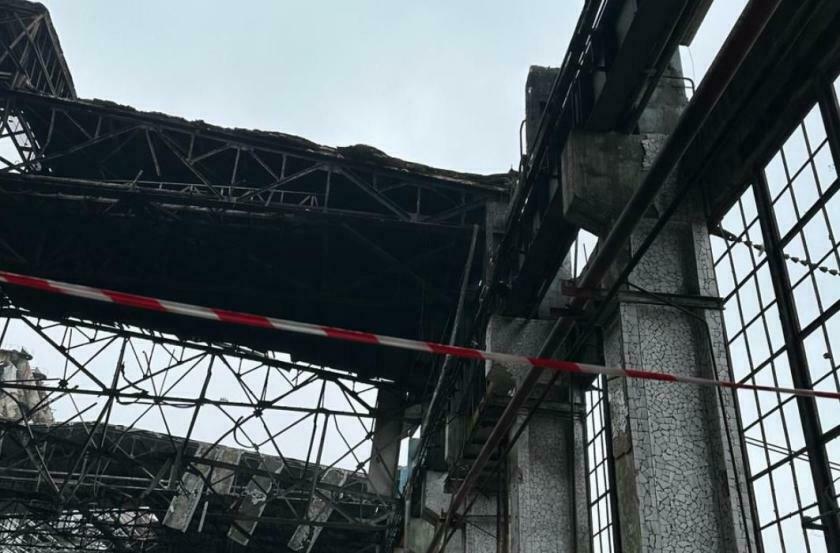
The Zmiiv Thermal Power Station after being struck by russian missiles in March 2024
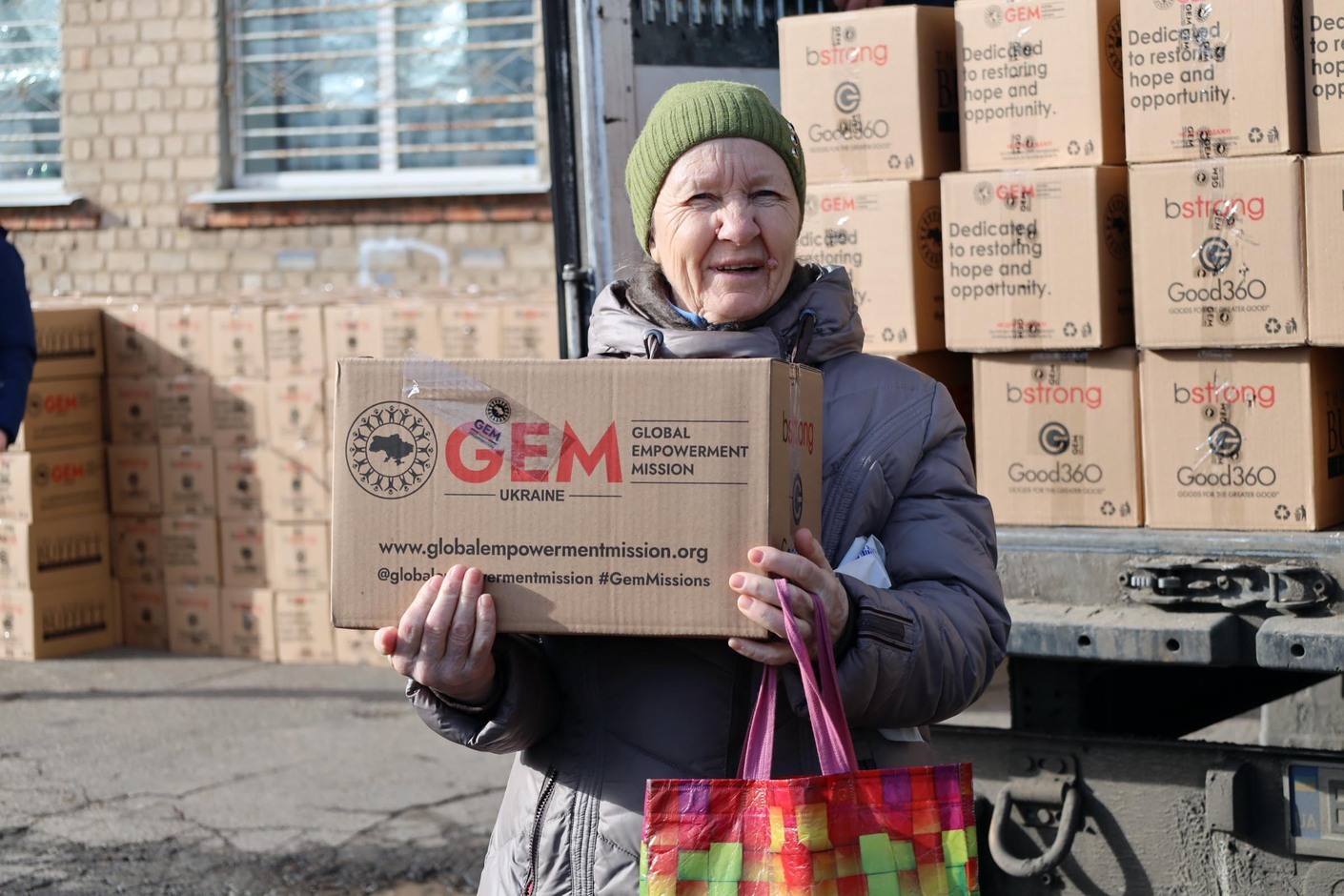
Howard Buffett’s GEM Charitable Foundation regularly provides food parcels to local residents
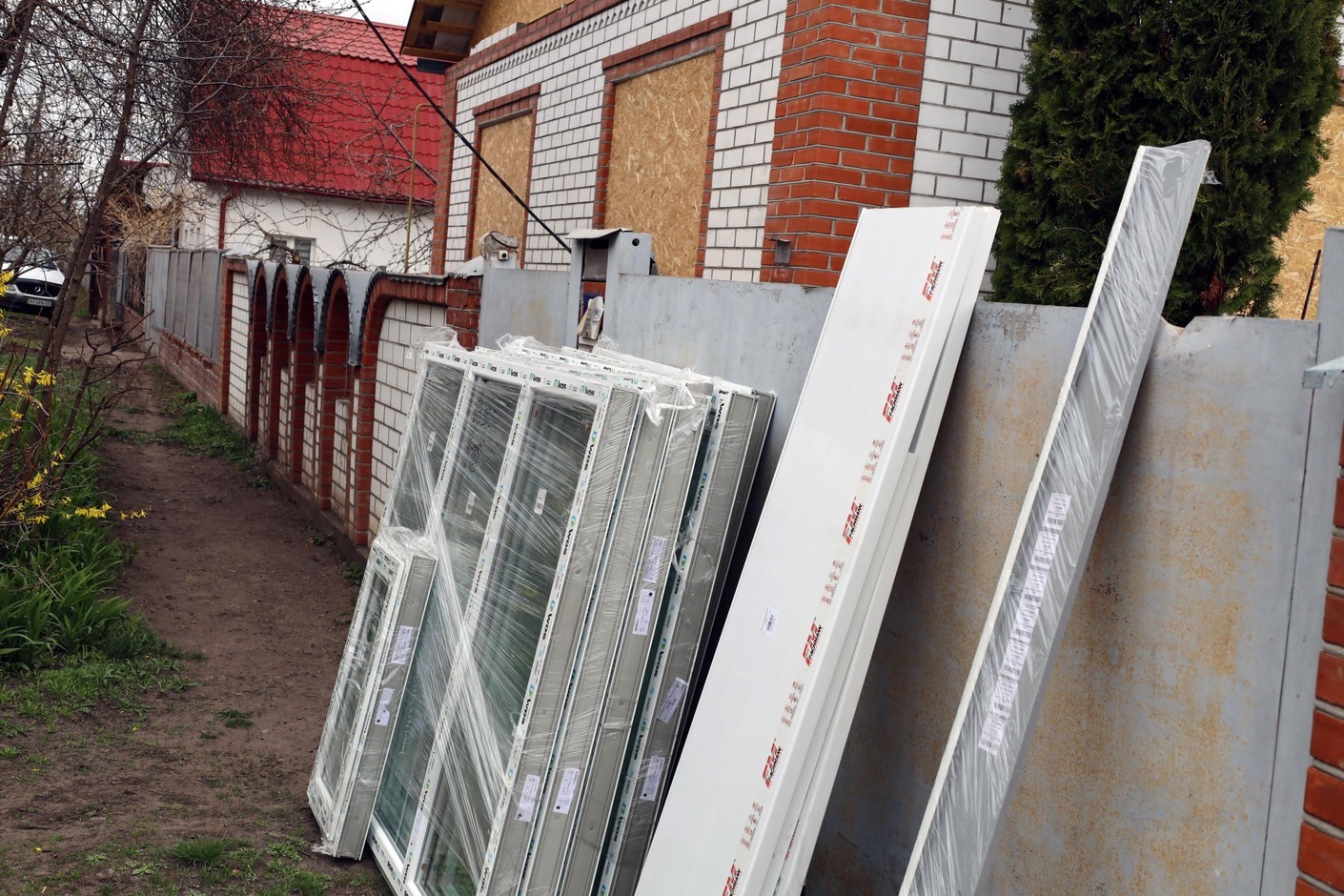
Howard Buffett’s GEM Charitable Foundation is replacing windows in houses damaged by the russian missile attack on Zmiiv
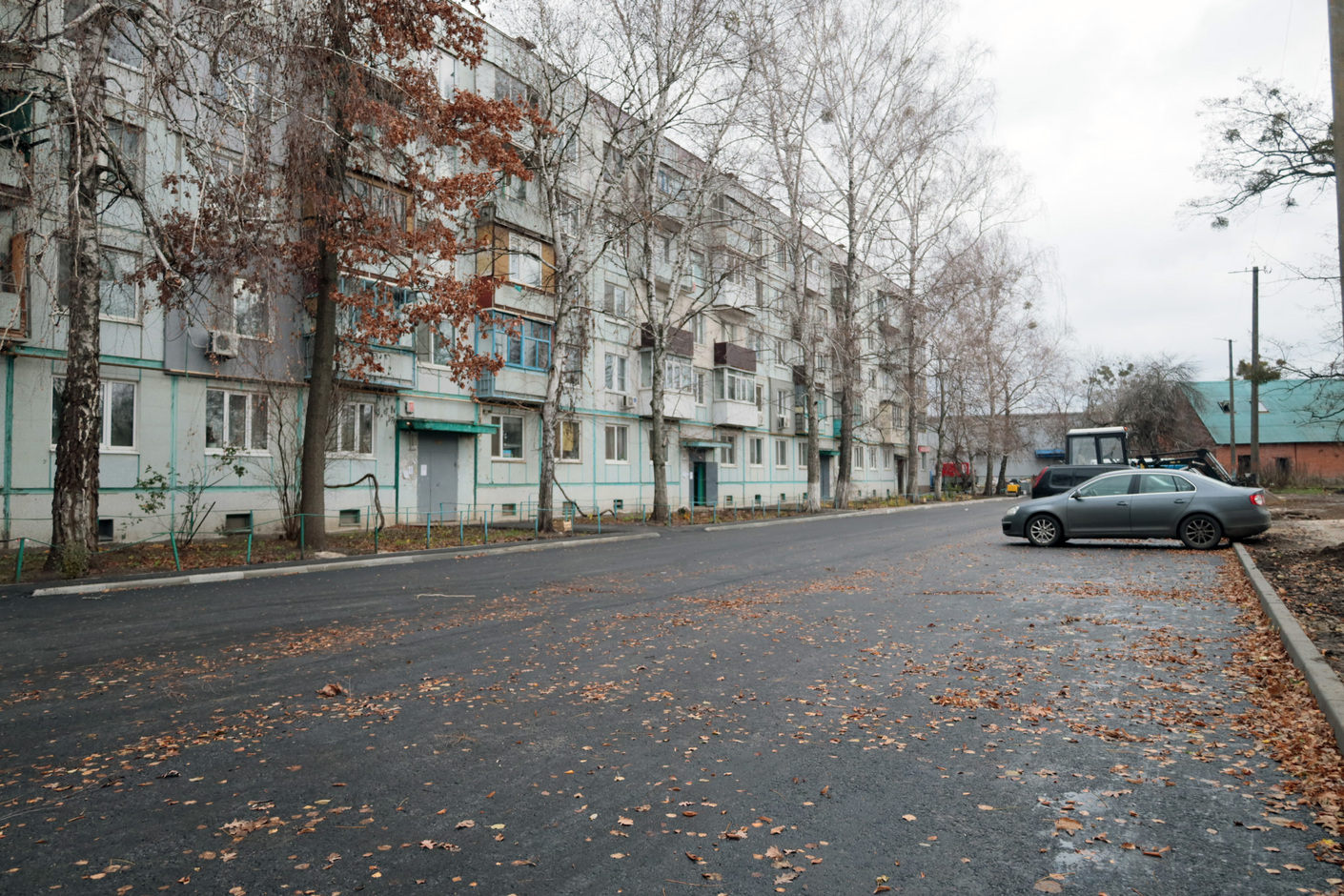
Landscaping of the residential area with parking spaces around blocks of flats in Zmiiv
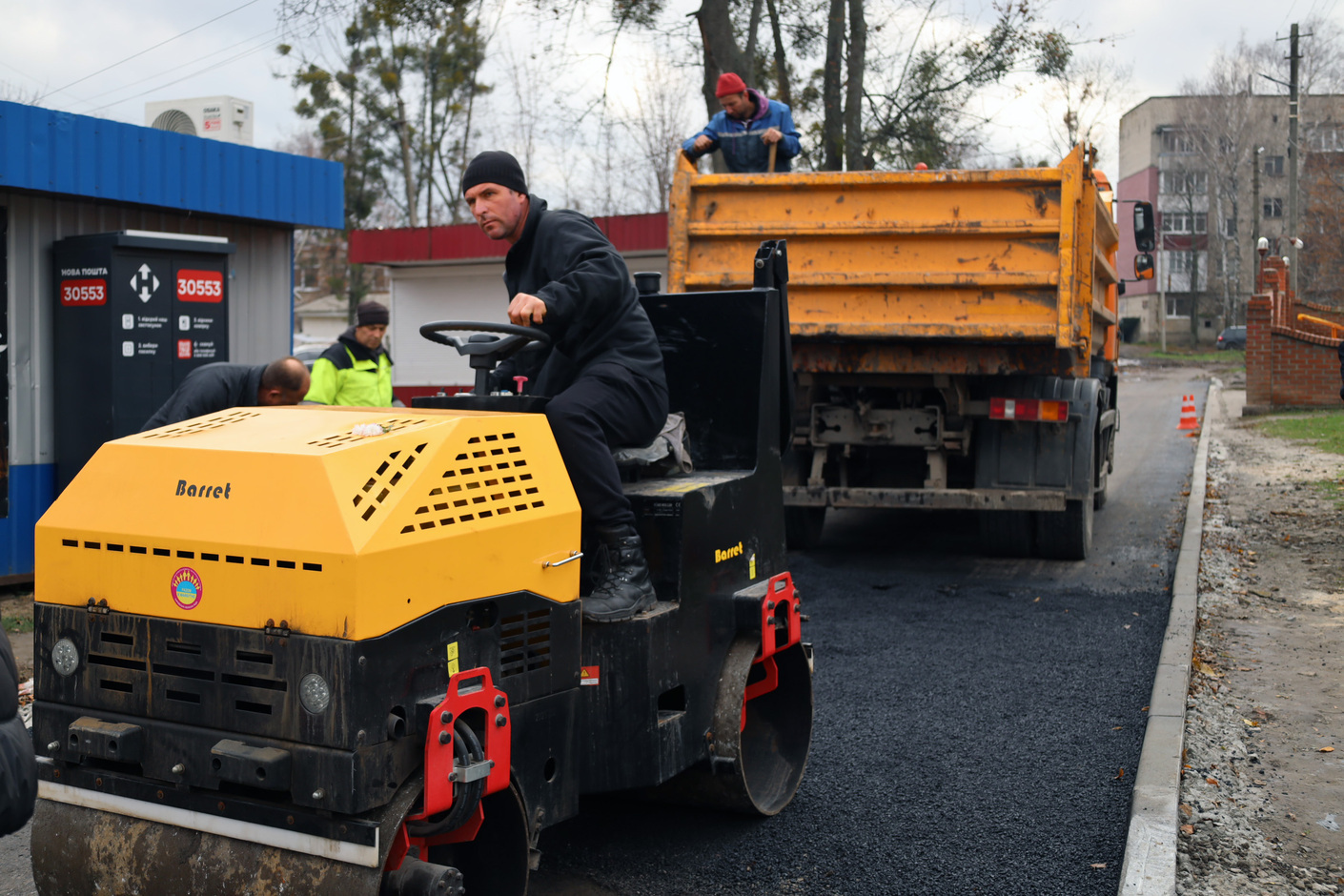
Asphalting of the residential area in Zmiiv to improve living conditions for residents
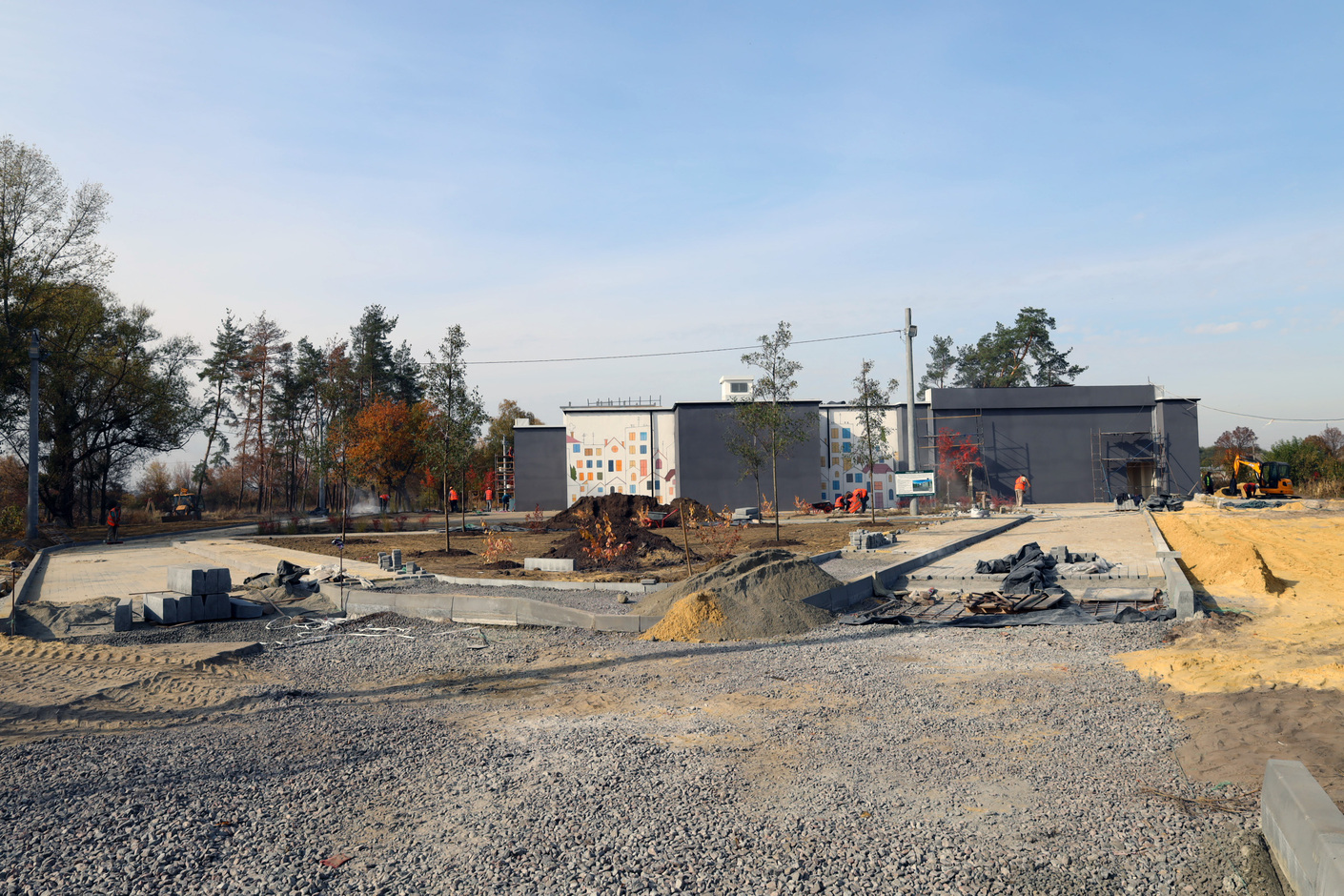
Construction of an underground school in Zmiiv
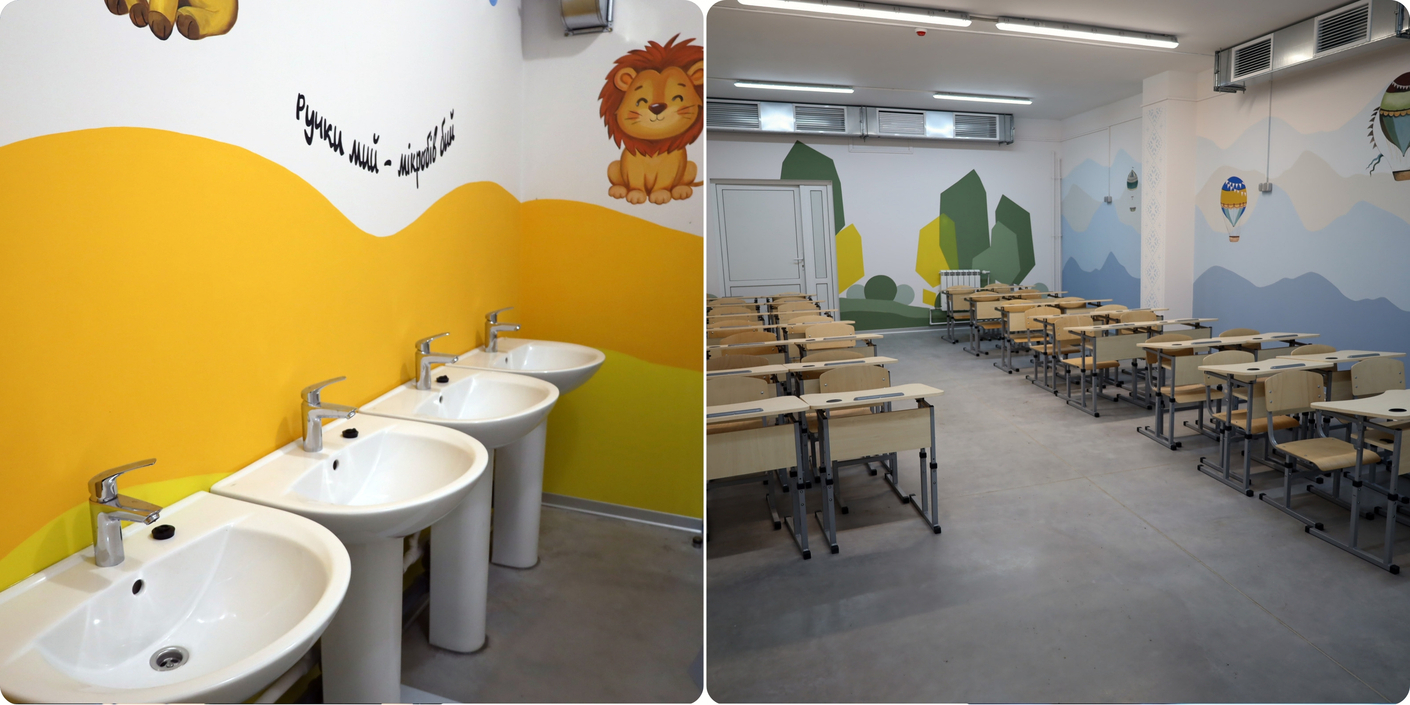
Inside the Zmiiv underground school
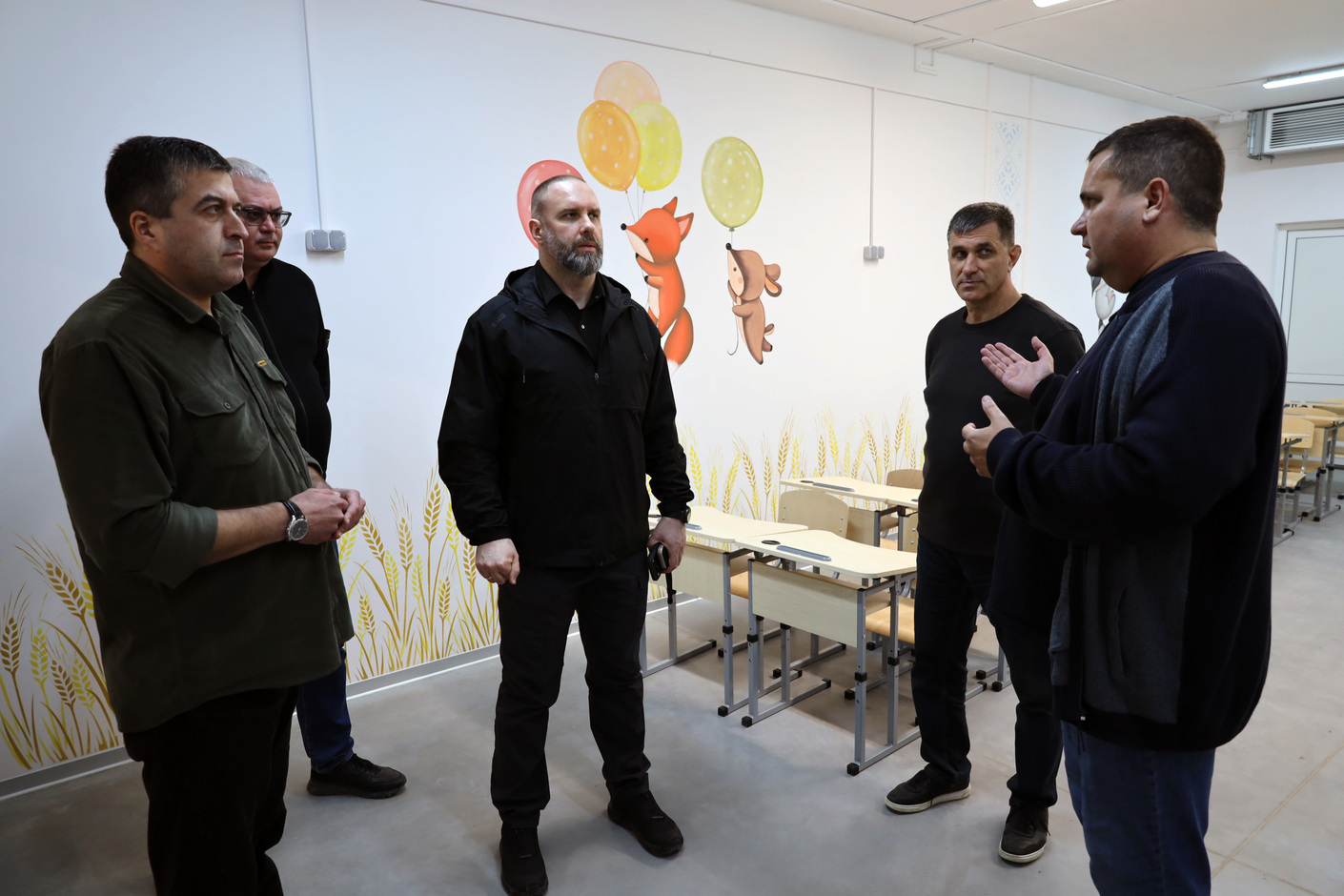
Pavlo Holodnikov, Mayor of Zmiiv, and Oleh Syniehubov, Head of the Kharkiv Regional Military Administration, in the Zmiiv underground school
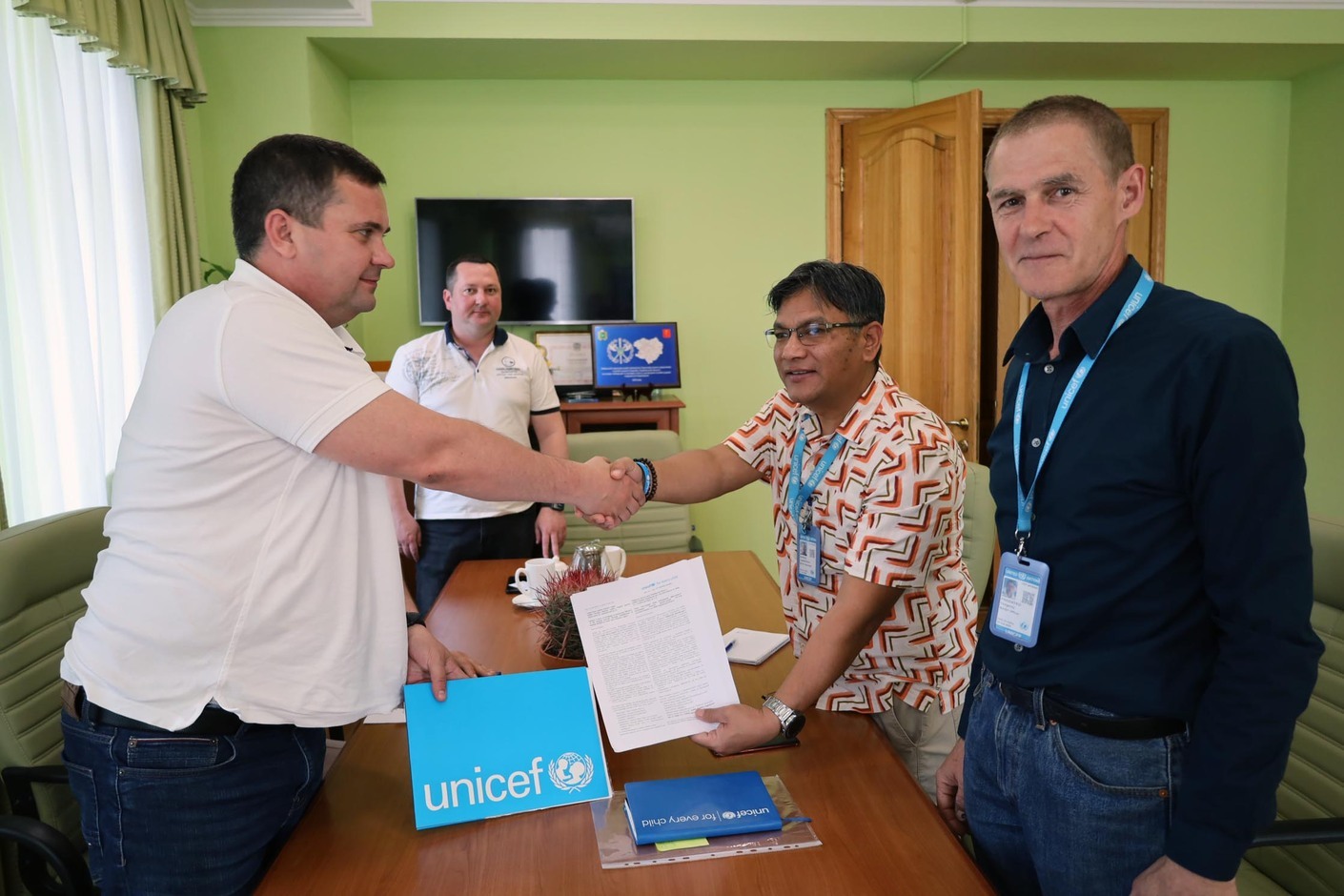
Cooperation with partners from UNICEF
‘The war has taught our people unity…’
In an interview at the very start of the full-scale invasion, you said that Zmiiv community had stayed strong largely thanks to the residents’ self-organisation. Do you make use of this characteristic of your people? What is the community capable of doing on its own today, without help from the state or international partners?
I remember that interview very well. When the enemy was just 22 km away from us, our people truly worked wonders! For example, local business owners, responding to our request, transported cash to our bank branches, which were thus able to continue paying out pensions and social benefits. But once the community had fully returned to normal life, the need for such extreme measures disappeared. Yet our residents have continued to support each other; you could say that the war taught them the value of unity. From time to time, they come up with new initiatives, coming together in fairly large groups. As a community leader, this gives me great pleasure, and I always do my best to support them.
Zmiiv community consists of 60 localities! How do you ensure that residents of remote villages have access to administrative services, healthcare, transport and so on?
We always emphasise that Zmiiv is not a priority for us, and the city council treats all localities in the community equally. So, in this context, it is better to talk not so much about the size of the community as about transport links, which the enemy constantly tries to disrupt. For example, just a few days ago, the railway cancelled several trains on the Merefa–Lozova route, and several of our villages – Taranivka, Veleten, Birky and others – which rely heavily on the railway, lost their transport link to the community centre. To save money, we have closed two starosta districts, but to ensure that service provision does not suffer as a result, we have kept our staff’s offices in the former village councils. In addition, we have introduced a mobile administrative service centre, which is in great demand. As I have already told you, our Swedish partners provided us with the vehicle for this. And finally, we are repairing the roads so that people do not feel as though they live on islands in their own villages. This year, for example, we repaired the roads between Zmiiv and the villages of Mokhnach (in our community), Artiukhivka, Haidary, Birky and others. For this purpose, we allocated a subvention to the Road Service, which then implemented our orders by supplementing our funds with money from the regional budget.
Just a week ago, the Zmiiv City Council increased its budget targets by over UAH 5 million, while allocating over UAH 2 million for off-road vehicles for combat units of the Armed Forces of Ukraine. What criteria do you use to determine how much funding can be allocated to support our defenders?
We have a fairly large total budget, as we have 13 schools, 90% of which are funded by the state. This means we can only operate using our own revenue. We had budgeted UAH 292 million of our own funds for this year, and as soon as we saw that we had exceeded this by UAH 5.2 million, we decided to transfer these funds to the Armed Forces of Ukraine. One unit of the 159th Brigade, which is operating in Kharkiv region, had been asking us for help for some time. We therefore allocated UAH 2.2 million to purchase vehicles for them. In addition, we transferred around UAH 1 million to different combat units to cover all kinds of needs. In total, we have transferred around UAH 6 million to the Armed Forces of Ukraine this year. This is despite our diverse support programmes, which are aimed not only at military personnel but also at staff of the Ministry of Emergency Situations, the Security Service of Ukraine, and the police. In total, we have allocated over UAH 2.5 million to these programmes this year. Where will the emergency services staff get extra fuel if we do not provide it? After all, they often work far more than their timetables stipulate.
Does the community have a participatory budget? If so, what do people ask for?
The Zmiiv City Council comprises 34 councillors who represent the interests of their constituencies. When people need something, they turn to their councillor first. However, the city council administration is also open to all suggestions. For instance, we organised roof repairs in the village of Bezpalivka after its residents approached us. Similarly, when residents of Haidary asked us to repair the road, we agreed. We did not turn them away either. Despite the fact that everything was managed manually, we were still able to fulfil people’s requests.

New vehicles for the Zmiiv-Service utility company
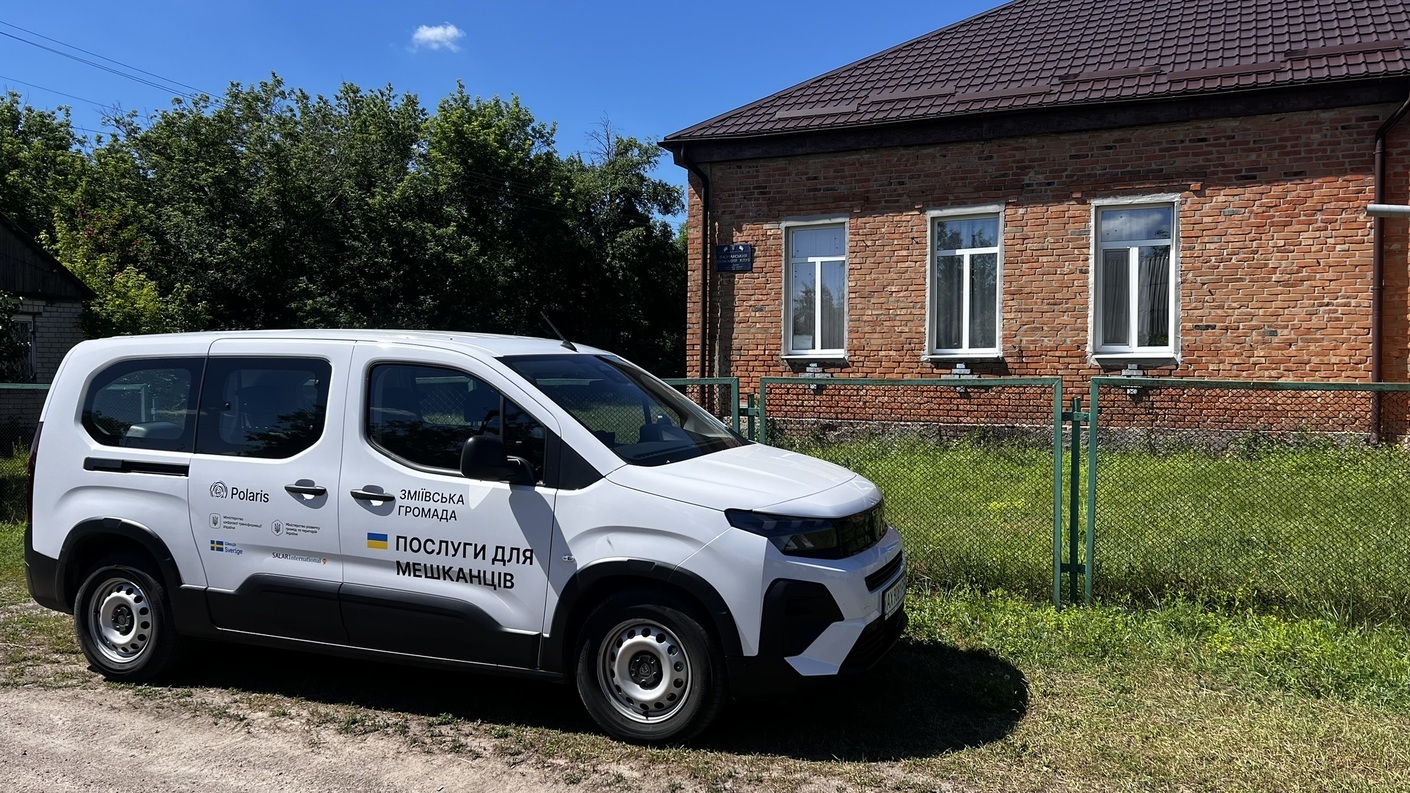
Mobile administrative service centre provided to the community by Swedish partners
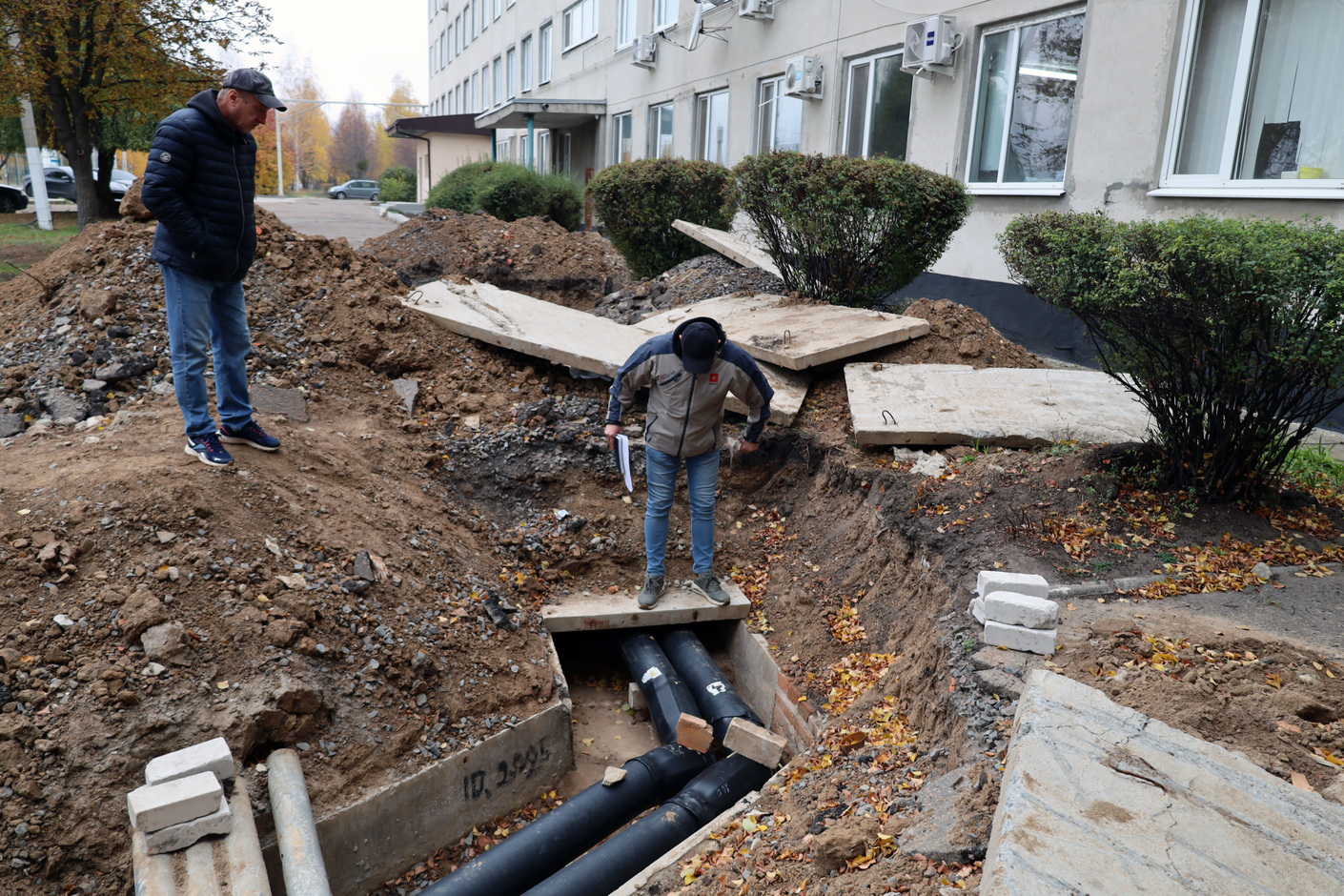
Replacement of the heating pipeline in the hospital
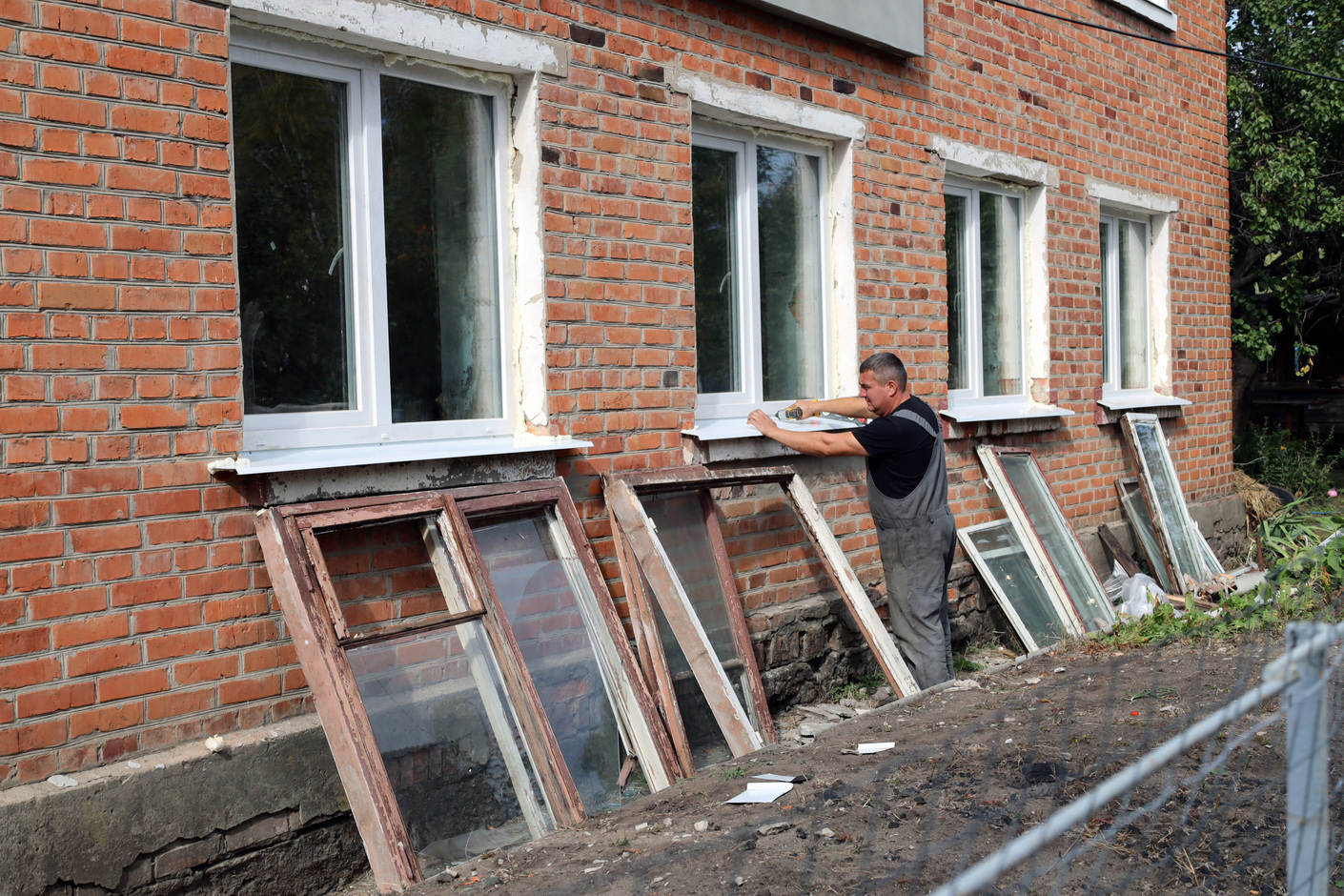
Replacement of windows in houses damaged by russian shelling
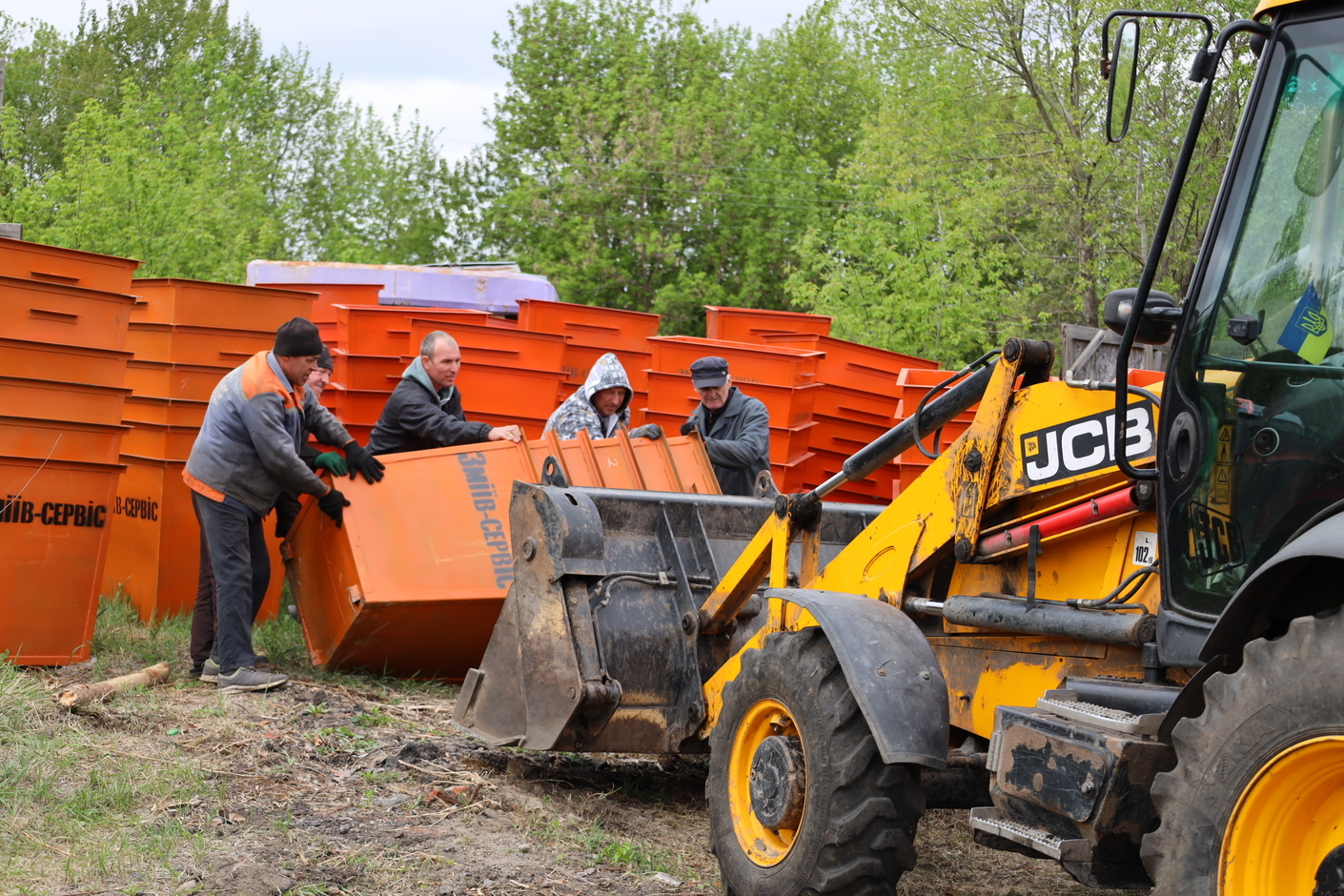
Zmiiv utility crews at work
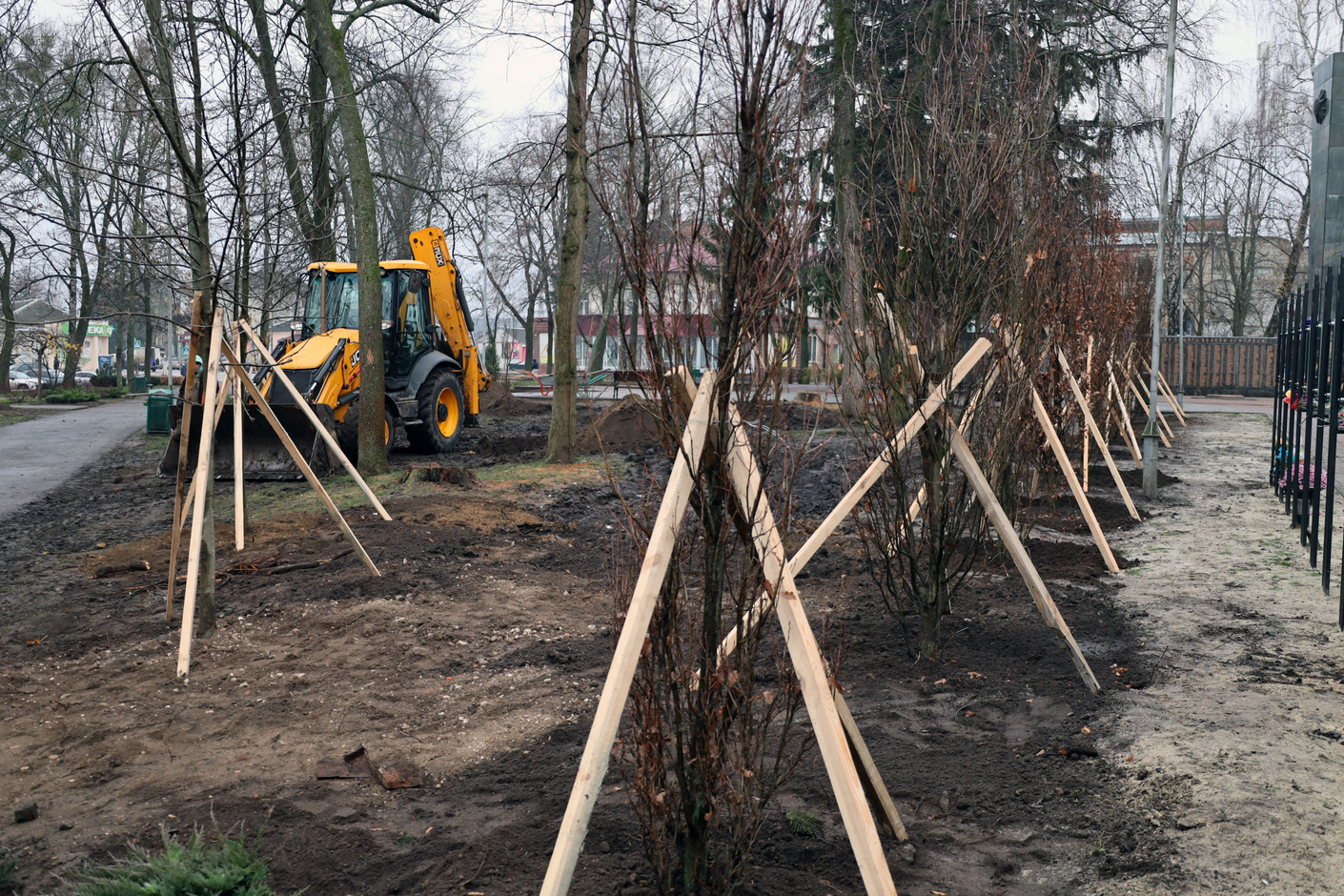
New tree saplings in the city park
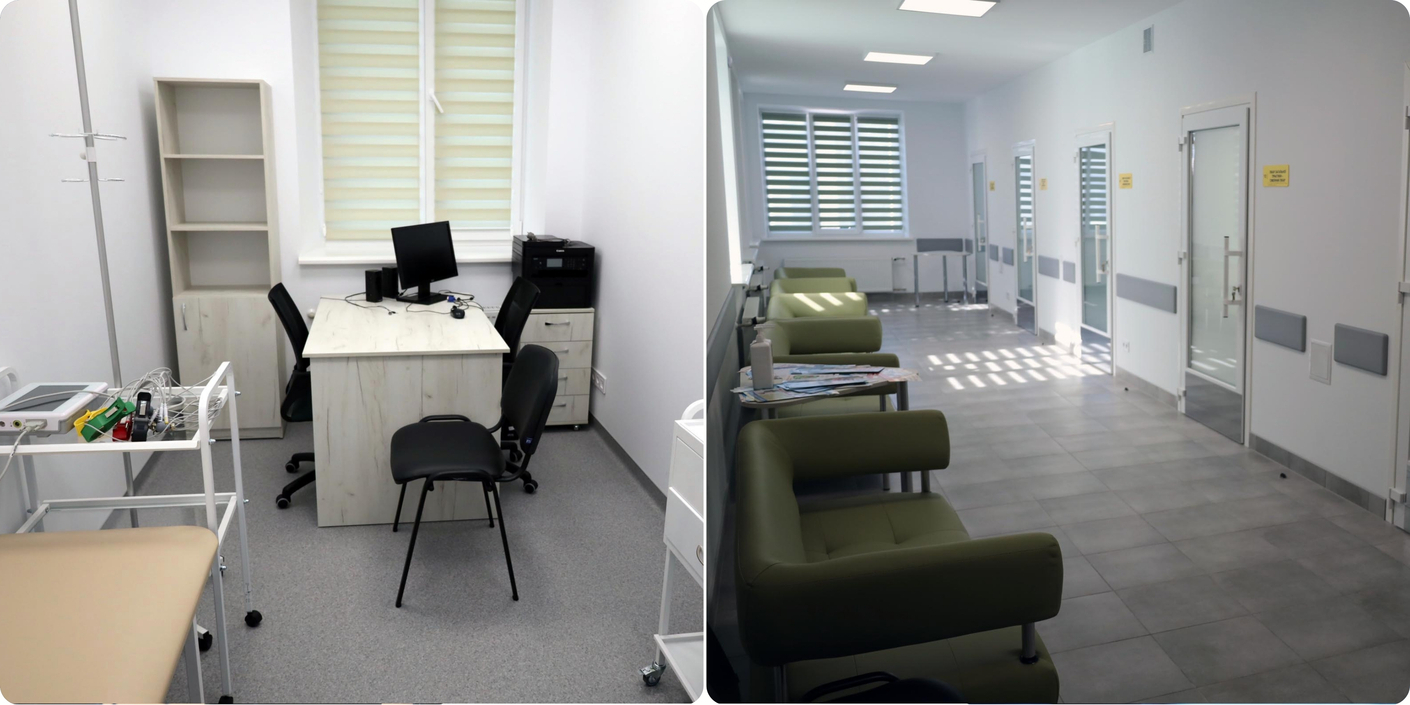
The renovated outpatient clinic in Zmiiv
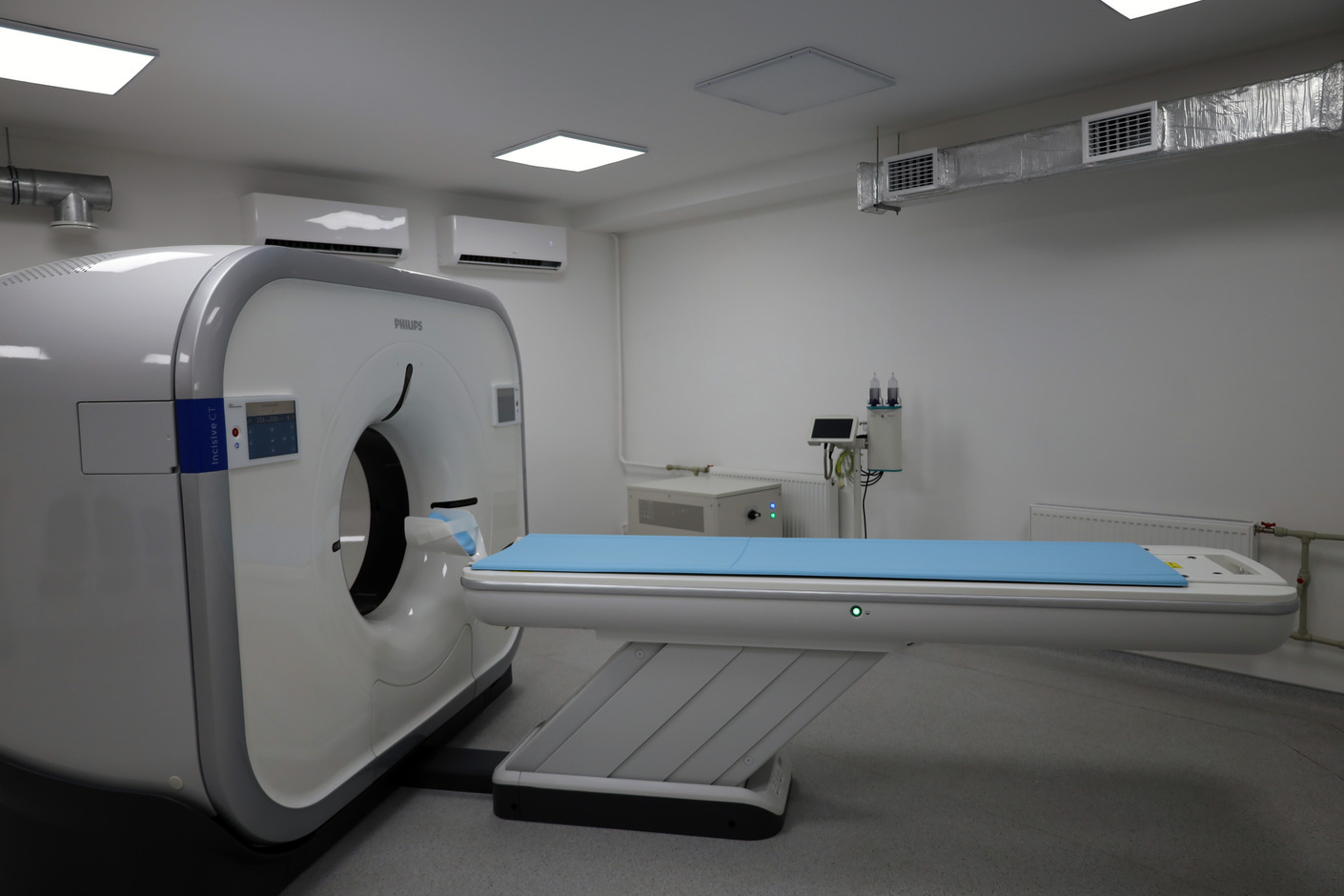
A new CT scanner at Zmiiv Hospital
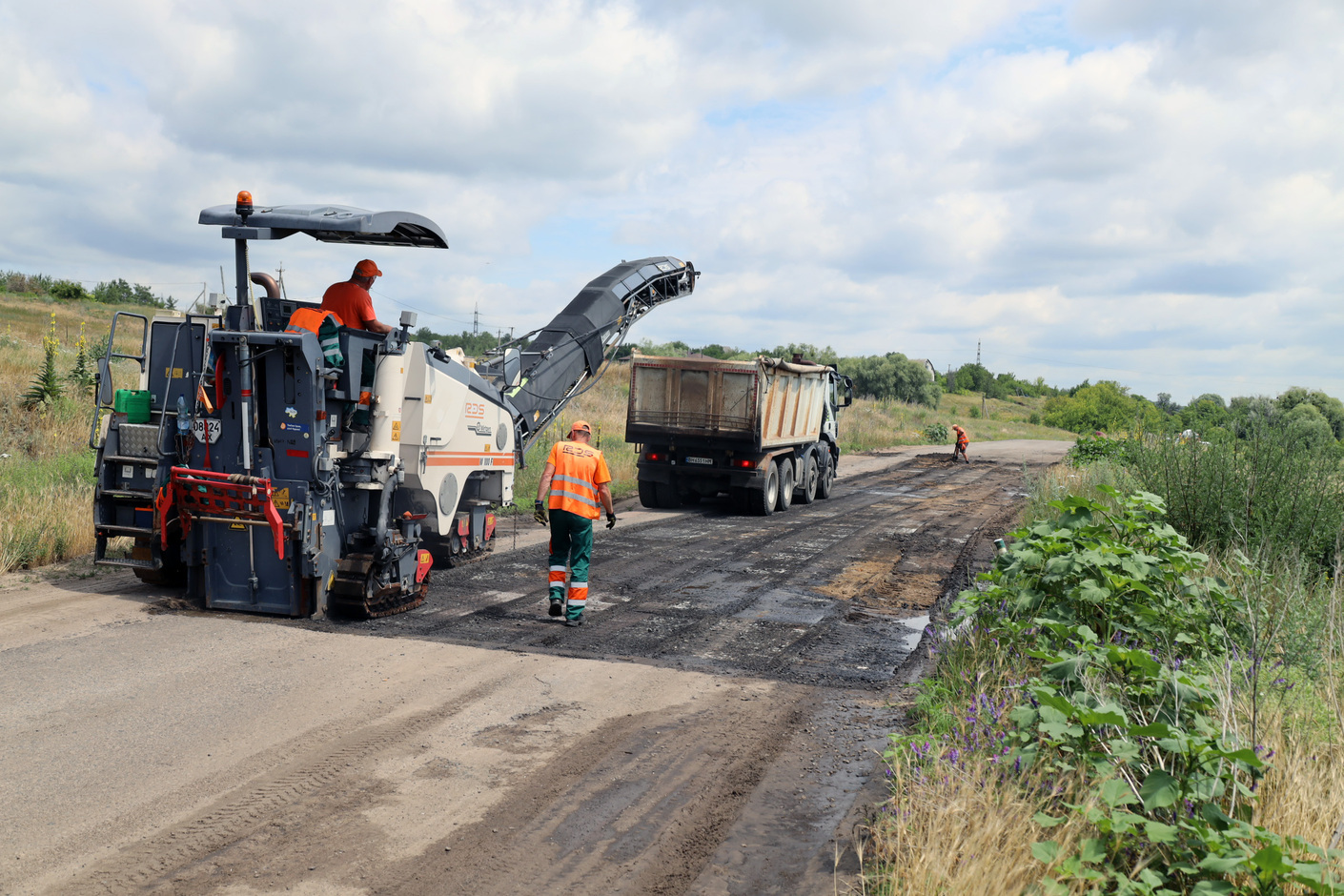
Road repairs in Zmiiv community…
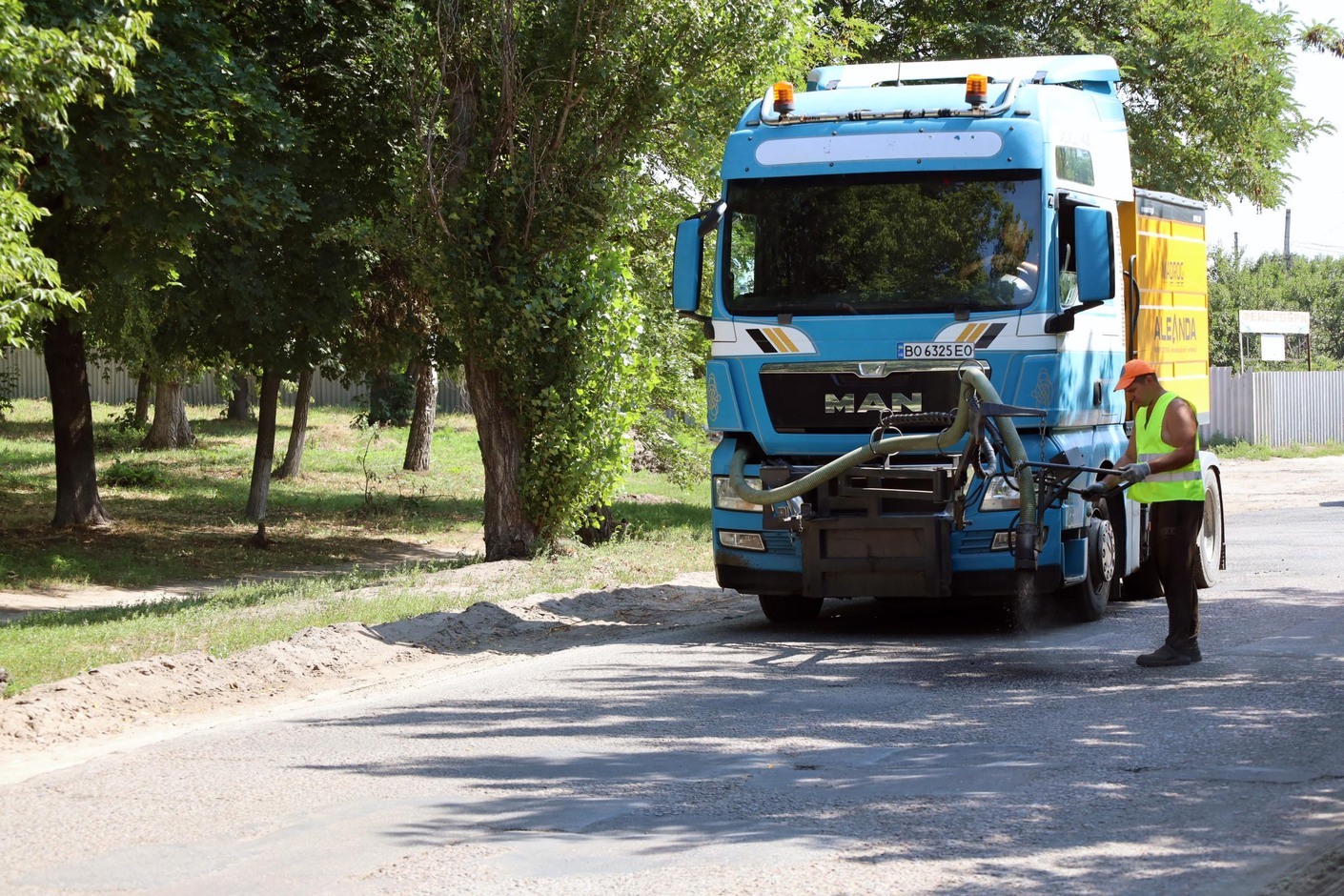
…using the modern pneumatic-jet method
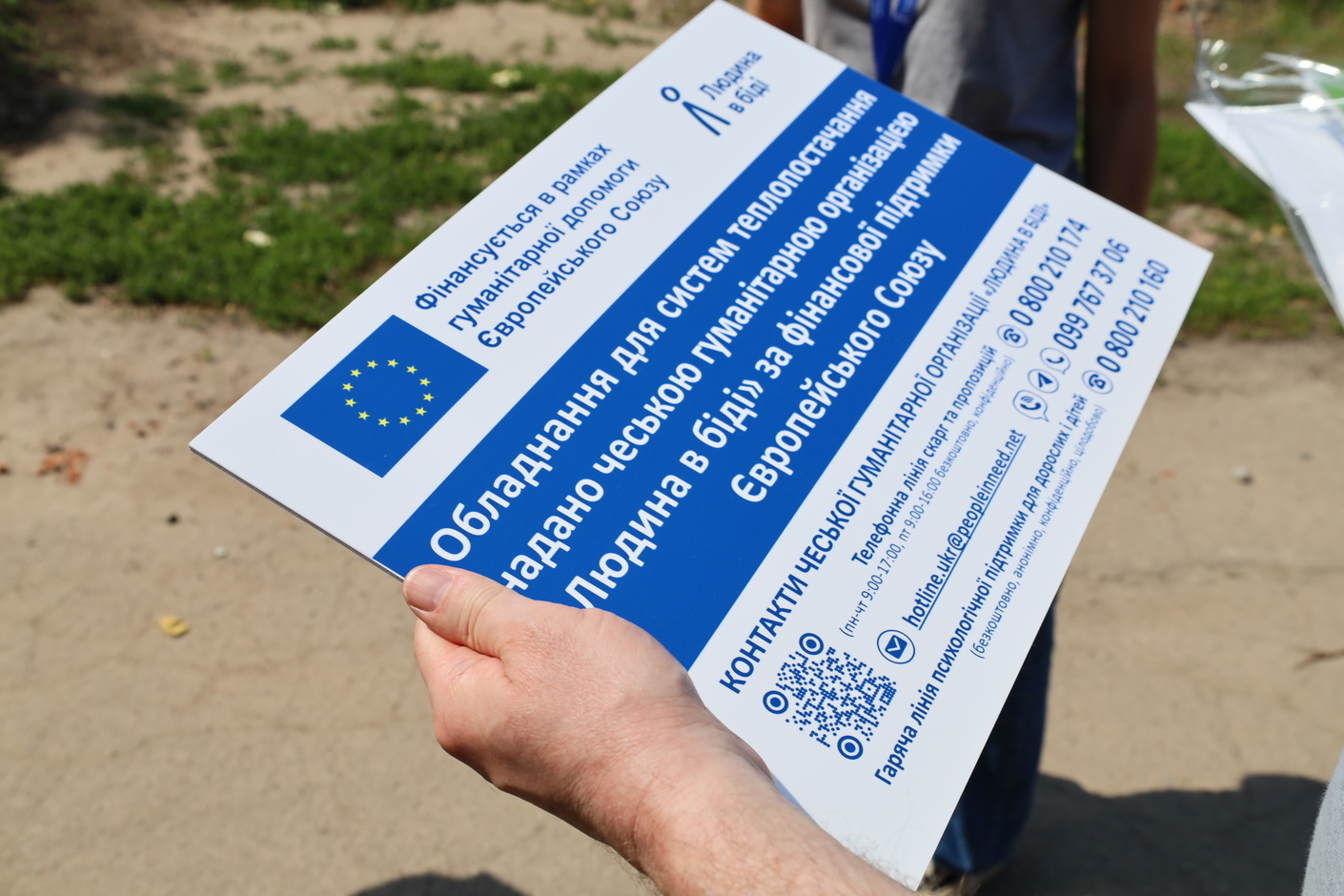
The partners’ calling card
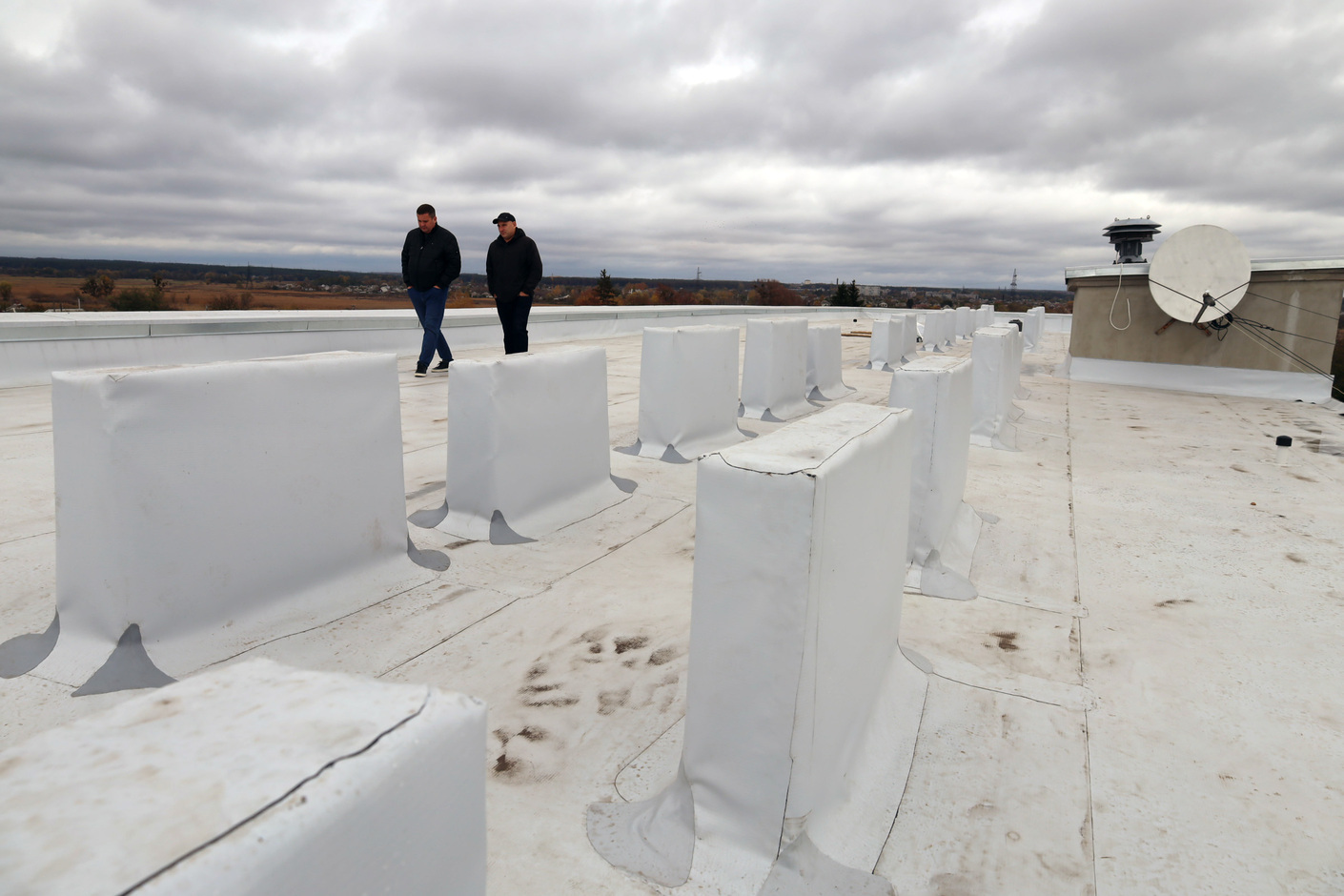
During major roof repairs to one of the administrative buildings in Zmiiv
‘Our hospital consumes 1 tonne of diesel fuel a day…’
In October, the community allocated UAH 490,000 for diesel fuel for the generators at the Zmiiv-Teplo utility company, and also set aside funds to settle gas distribution debts. How prepared is the community for prolonged power outages this winter?
I suppose I would be arrogant to say that we are fully prepared. However, I can say that all our facilities are equipped with generators. So, we can certainly remain self-sufficient for between 10 and 14 days. Of course, this will be very expensive. For example, the powerful generator that supplies our hospital with electricity requires 1 tonne of diesel fuel per day. And this is just one facility. Then there are schools, civil defence centres, administrative buildings… I must say that we have done a tremendous amount of work to convert more than 20 of our boiler rooms from gas to a gas-and-wood system. Now, even if there is no gas, people will not be left without heating.
What opportunities does the community have for creating jobs and supporting small businesses? Does Zmiiv community have any local programmes to support entrepreneurs that could simultaneously provide employment and increase budget revenue?
Here we cooperate closely with our employment centre, which, in turn, runs many different programmes. Just one example: individual entrepreneurs have the right to receive grants of up to UAH 200,000 from state funds. And if you create at least two new jobs, you can apply for a grant of up to UAH 0.75 million. We hold seminars on this for anyone interested.
Please share about the policy for veterans in your community. What is done to help veterans return to civilian life? Not only am I referring to payments or benefits, but also to employment, psychological rehabilitation, access to services, and participation in community decision-making?
Our veterans’ department is quite effective, and I am proud of it. We created it as soon as the full-scale war began – we were amongst the first to do so – because we realised that, eventually, we would face the challenge of helping veterans return to normal life. Without exaggerating, I can say that, based on this year’s performance, the Kharkiv Regional Military Administration has recognised our department as one of the best in the region. Any veteran can contact this department with any issues, and they will be helped. Just recently, a man came to us with a knee problem – he had surgery earlier that week. Our specialists always work with each person individually. Some are put in touch with staff from the social protection department; some are booked in for an appointment with a psychologist; some are taken to Kharkiv to use the swimming pool, others are simply taken fishing – an activity which our city council also organises for veterans. Right now, we are working with the National Health Service of Ukraine to open a veterans’ rehabilitation centre at our hospital. I hope this project will be realised already next year.
What, in your opinion, needs to be changed in the financial relationship between the state and communities so that local self-government has more real opportunities to act during the war?
Wishes and reality are, unfortunately, two different things. I still regret the UAH 20 million in military personal income tax that was removed in 2023. On the other hand, I am grateful to have what we have. Fortunately, there are those people who have ensured that we can still live freely – our defenders. Helping them is our sacred duty! I do not know what lies ahead for us, but in any case we will do our utmost to support the Armed Forces. It is not easy for us; we have suffered destruction from shelling, and there are those who have been killed and wounded, but thanks to the Armed Forces of Ukraine we are able to continue working and, as you can see, even plan our own development.
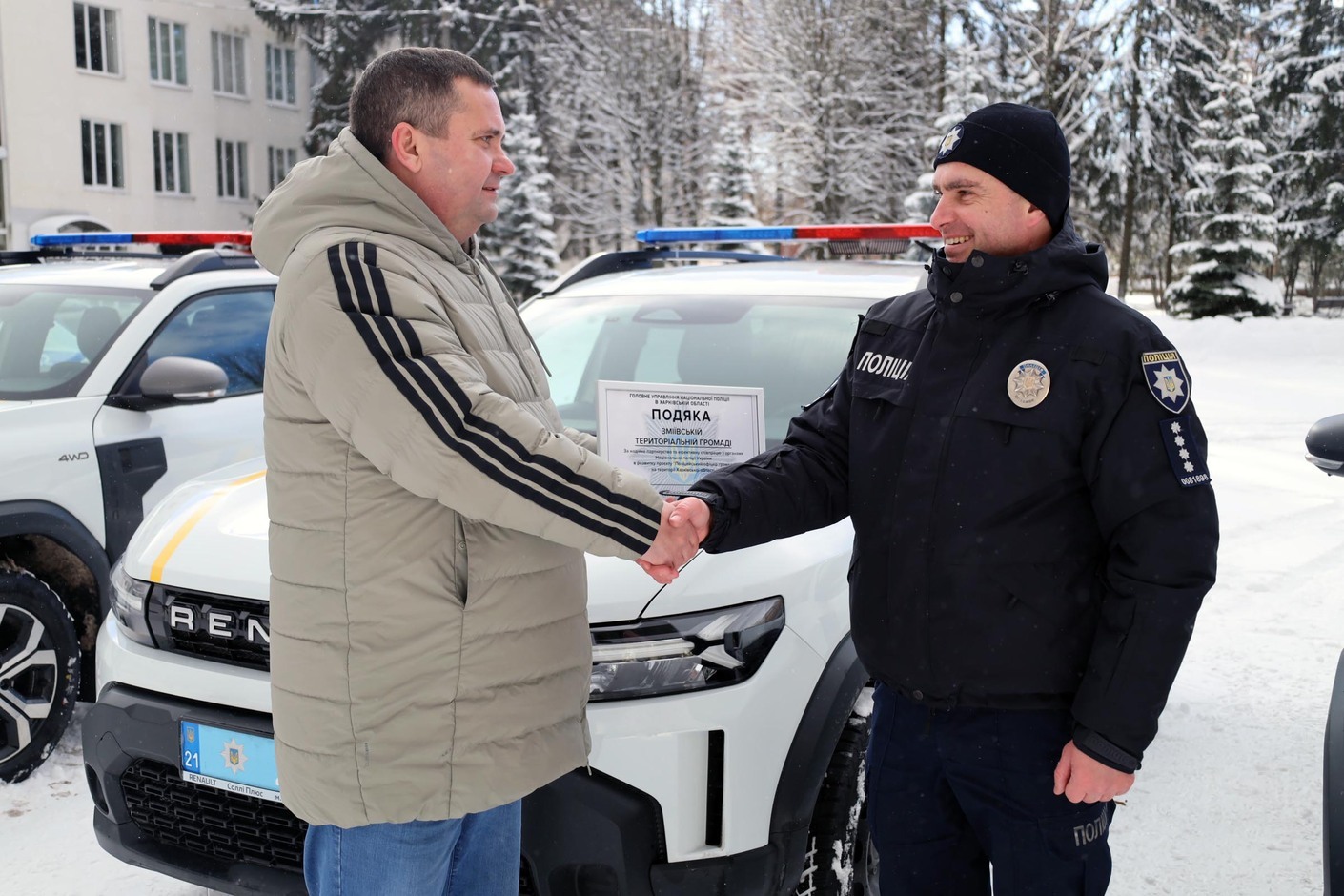
Handover of a service vehicle to a community police officer
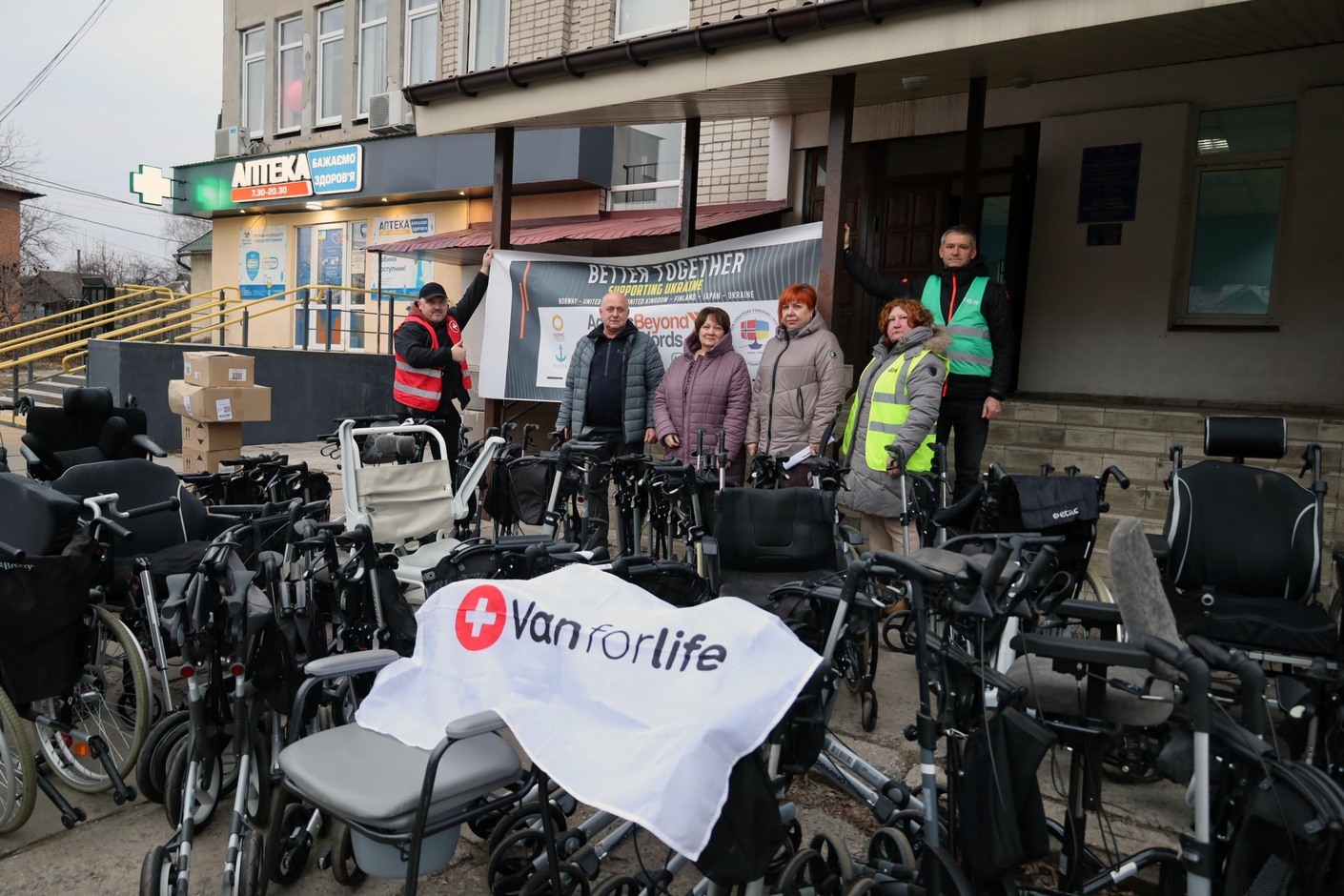
Rehabilitation equipment purchased by the community for the Department of Social Protection
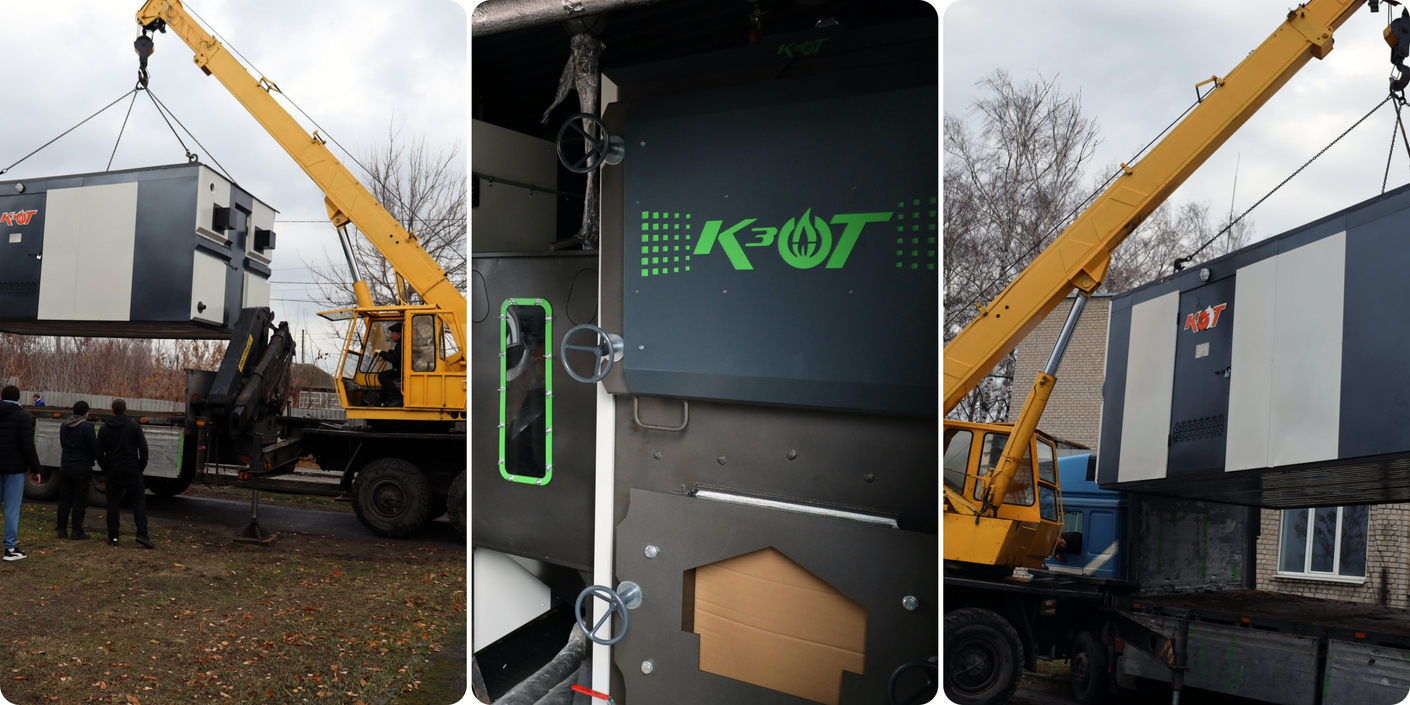
New solid-fuel boiler rooms installed in the community’s schools
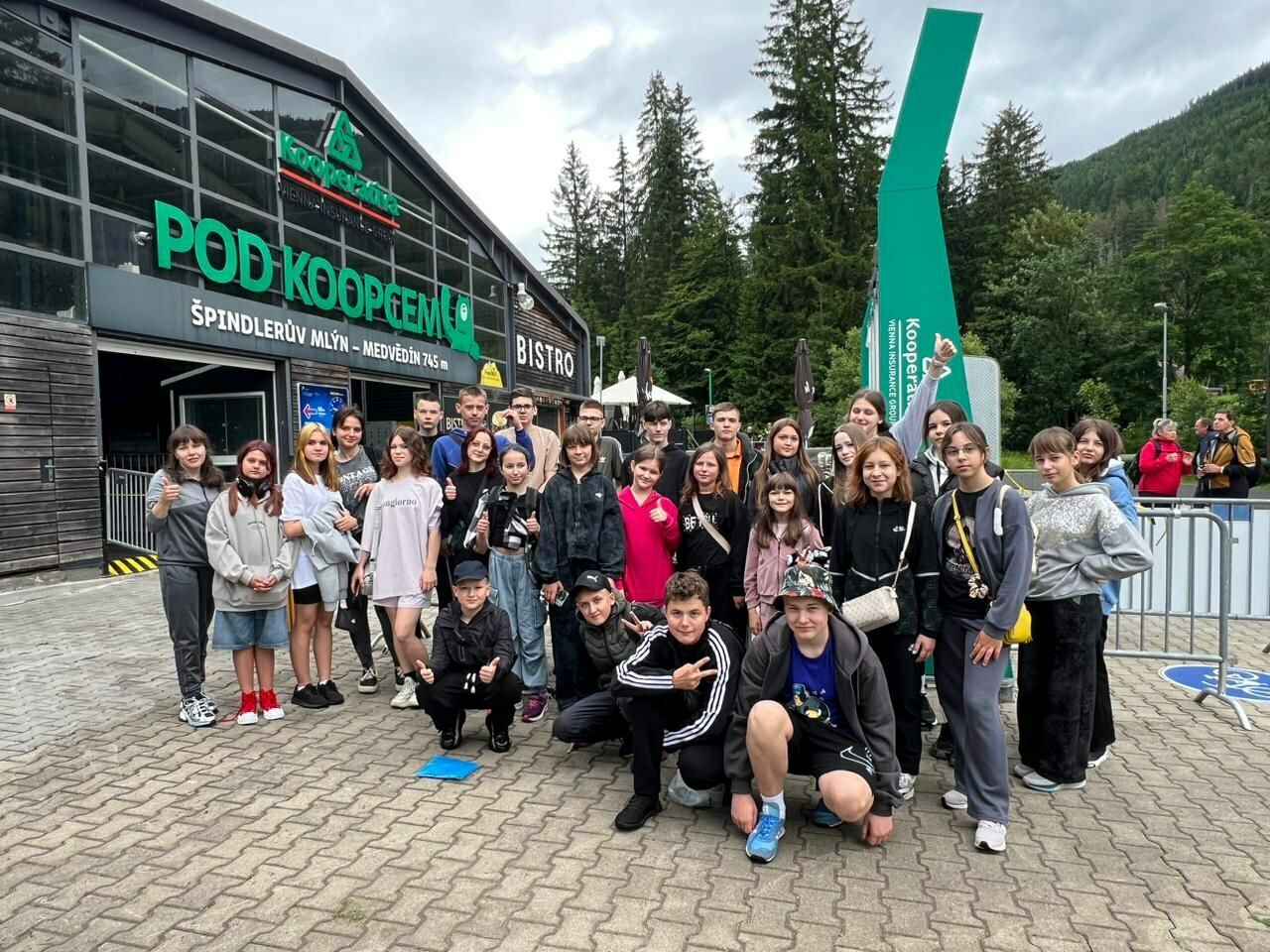
Children of Ukraine’s defenders and gifted children from Zmiiv community on holiday in the Czech Republic
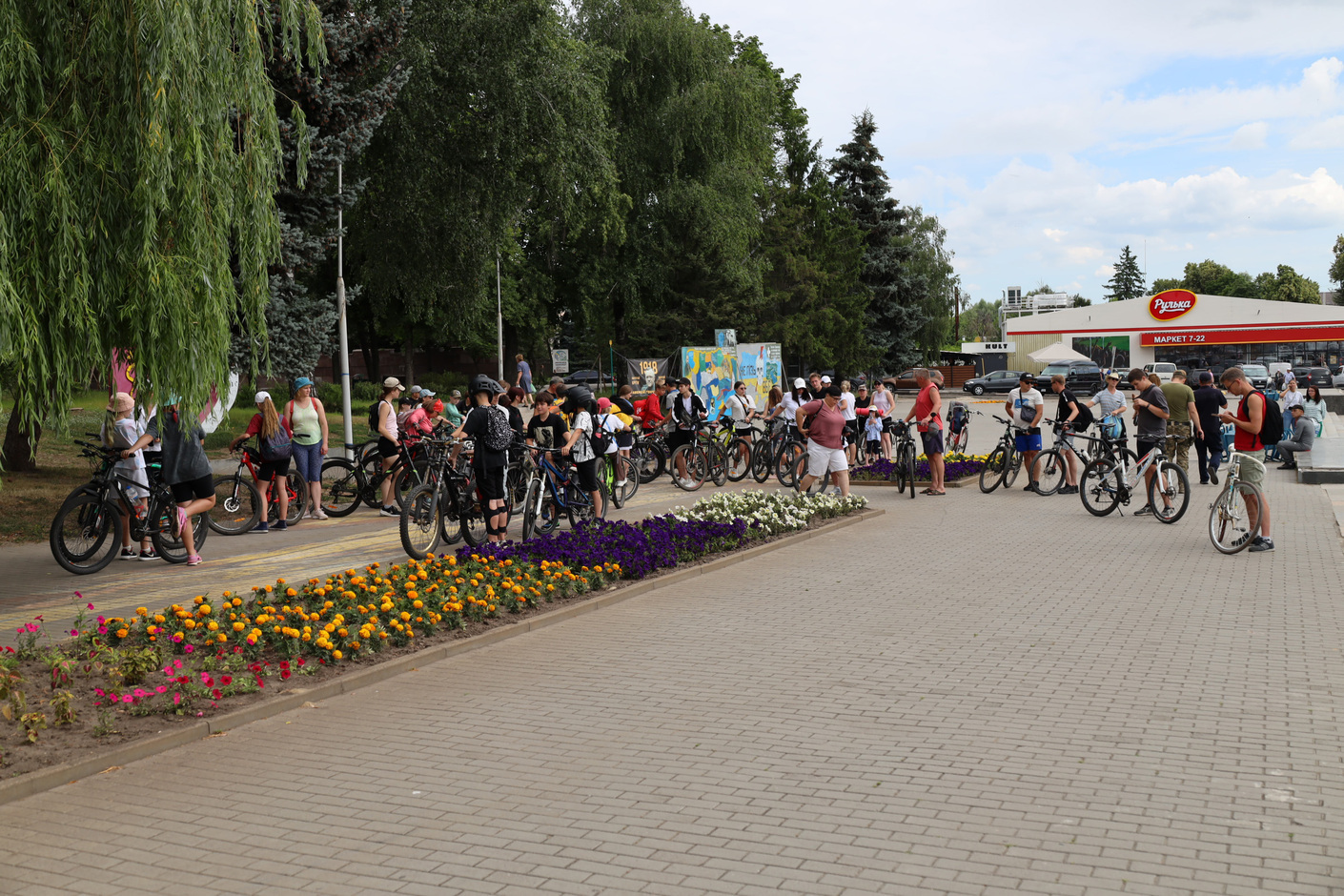
Youth cycle ride in Zmiiv
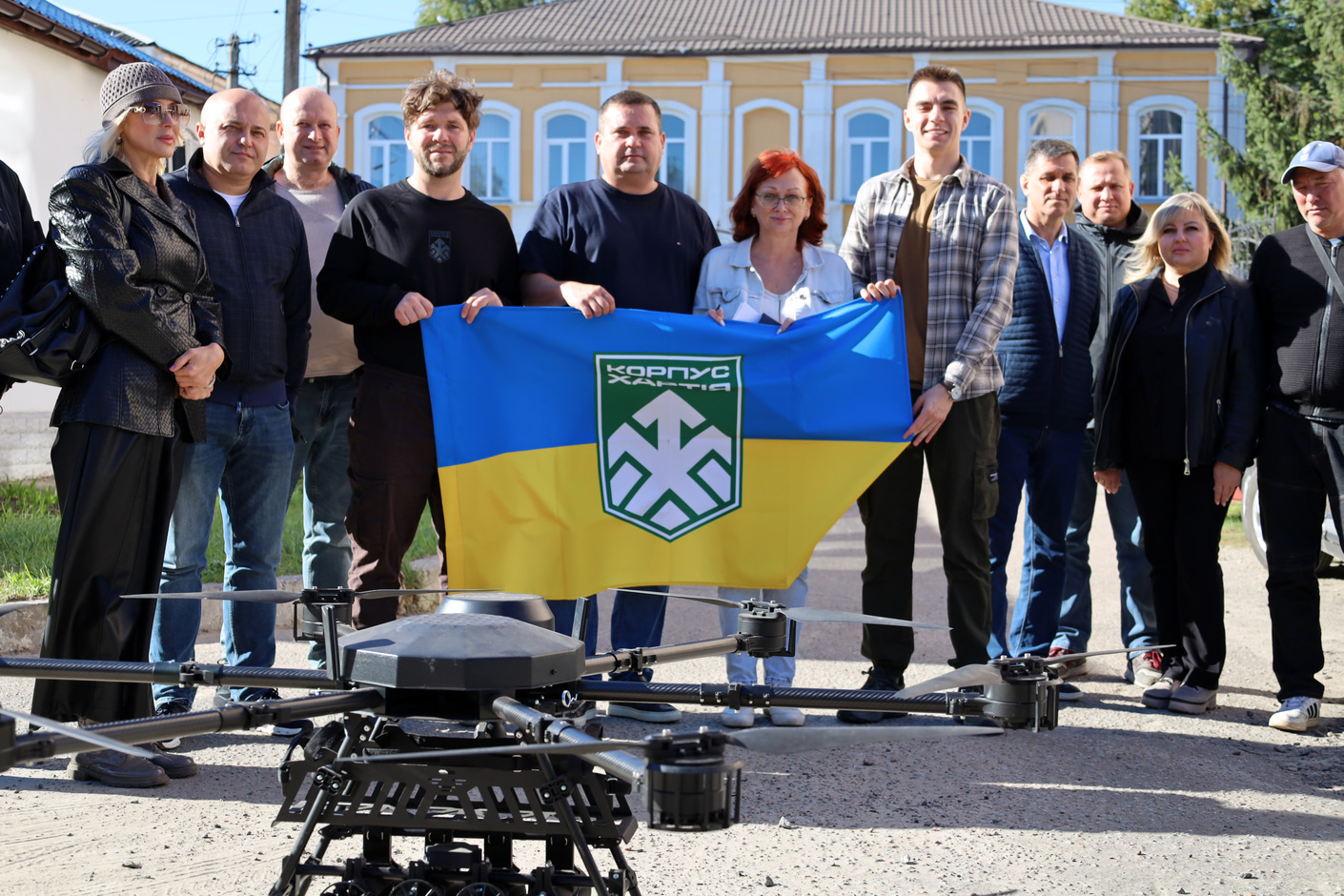
The Vampire drone, purchased with funds from Zmiiv City Council for the 2nd Khartiia Corps
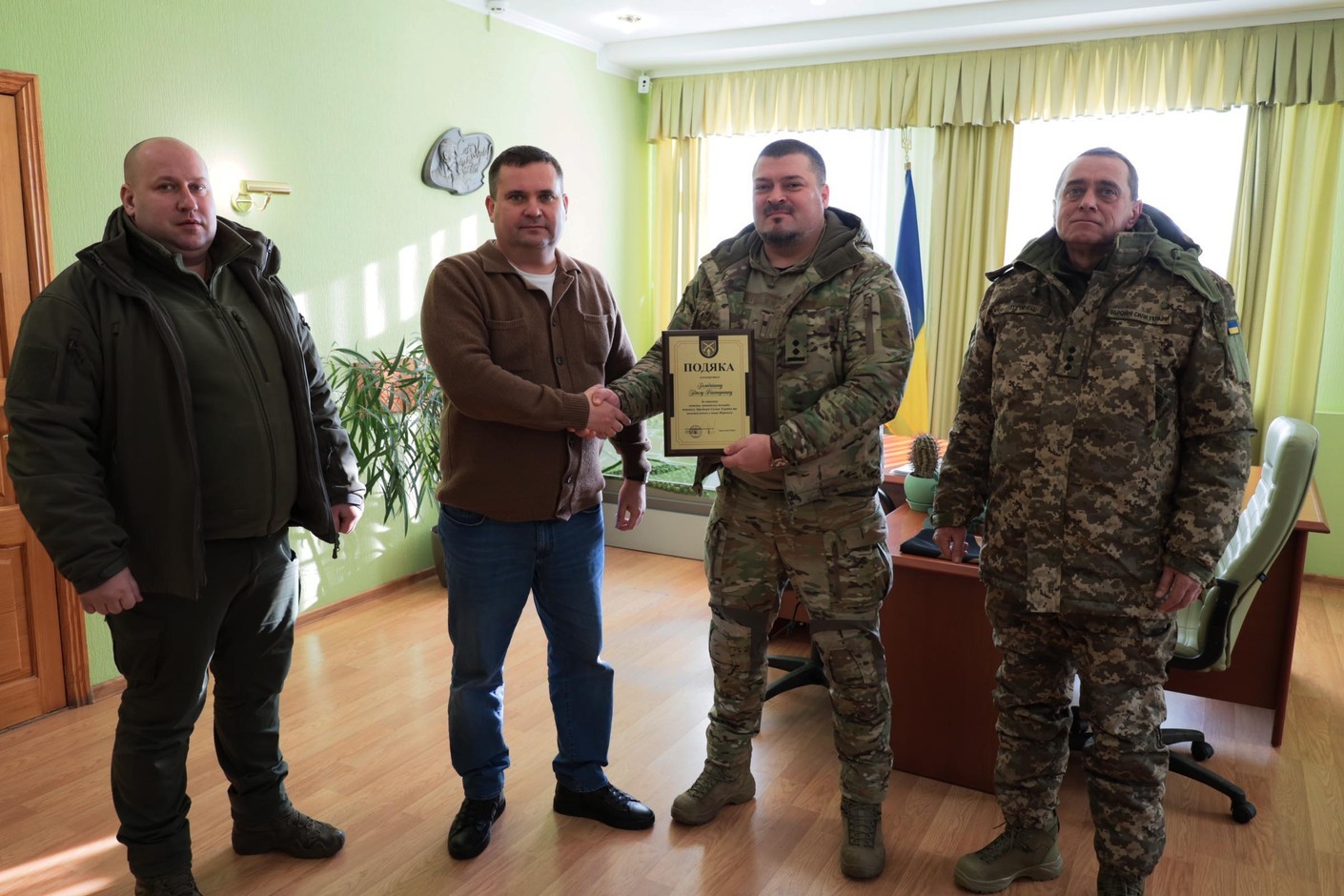
The military thank Pavlo Holodnikov for his help and cooperation
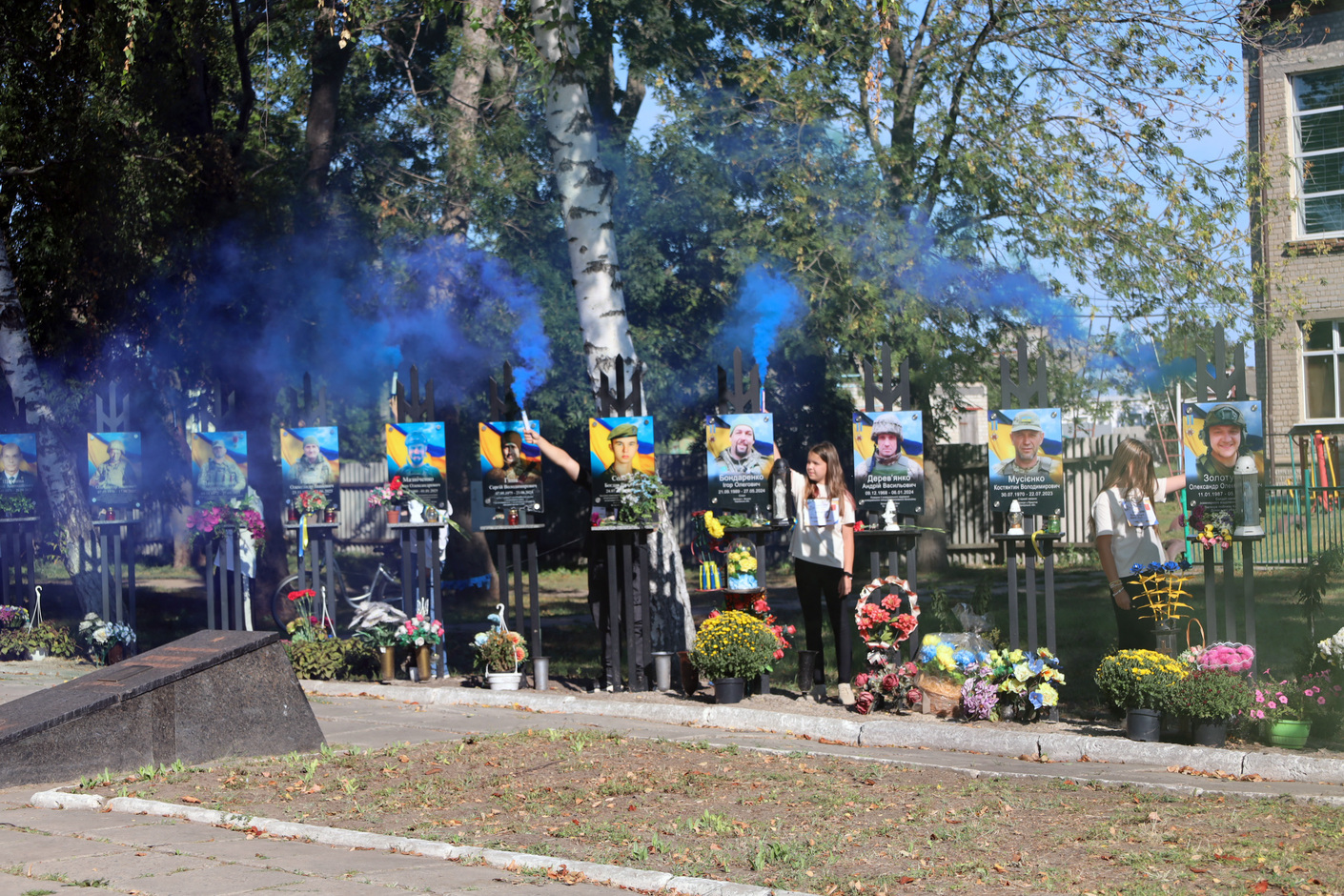
Every starosta district has an Avenue of Remembrance for Heroes
16 October 2026
Уряд спростив реалізацію проєктів за комплексними планами стійкості
Уряд спростив реалізацію проєктів за...
З 15 жовтня для проєктів у межах експерименту за комплексними планами стійкості діють оновлені правила. Уряд визначив...
16 October 2026
Профорієнтація в дії. Як Івано-Франківська громада виховує фахівців, які хочуть працювати вдома
Профорієнтація в дії. Як Івано-Франківська...
Уявіть дев'ятикласника, який упевнено заявляє, що мріє про кар'єру в IT лише тому, що чув про високі зарплати у цій...
15 October 2026
Правовий режим майна закладів освіти...
правовий статус майна комунальних закладів освіти та повноваження засновника і керівника закладу; які...
15 October 2026
«Я цінний для своєї громади й держави». Як у...
У Зимнівській громаді на Волині профорієнтація перестала бути формальністю. Тут не просто розповідають про...