Integrity – not a new norm for Ukraine. It is not merely about fighting corruption
On 11 September, Lubny hosted the first Regional Integrity Forum “From Principles to Practical Action”.
Integrity has deep roots
The venue for the forum was symbolic: in 1591, Lubny was granted Magdeburg rights – a tradition of municipal self-government that provided for its own rules of coexistence, community responsibility and residents’ participation in the governance of the city.
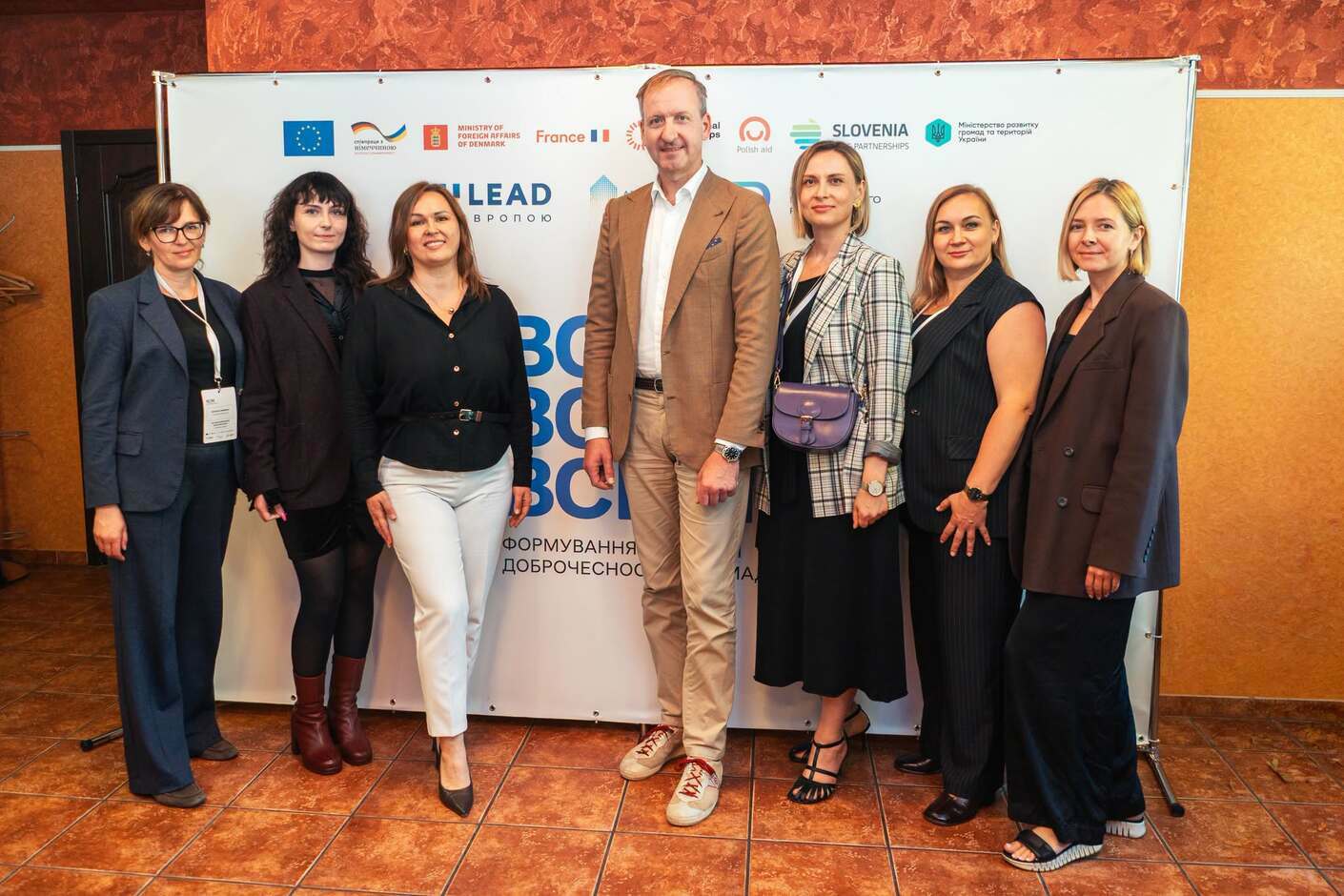
‘Magdeburg Law is a code of coexistence for residents that facilitated and improved governance,’ said Sören Herbst, Head of the Multi-Level Governance Unit at U-LEAD with Europe.
In his view, modern principles of integrity and self-government have deep European roots. ‘This proves once again that Ukraine’s accession to the EU and the implementation of all the reforms we are discussing – reforms of integrity and decentralisation – are not something new, but have a centuries-old history that has long linked Ukraine with European countries,’ emphasised Sören Herbst. ‘But in order to establish a truly sustainable democracy, we need trust. This is what holds everything and everyone together.’
Communities, where people interact with local authorities on a daily basis and receive public services, are one of the key levels at which lasting change is established.
What do the residents think?
During the forum, the results of a comprehensive study on the culture of integrity in communities, conducted within the framework of the VSIM project, were presented.
The survey involved 3,371 respondents from 330 communities across Ukraine. Of these, 70.6% believe that responsibility for integrity in the community lies with all its residents and with each individual personally.
This result shows that integrity is much broader than simply preventing corruption or complying with formal requirements. It is about trust, fairness, responsibility, and the willingness to act in line with declared values – from the family to local governments.
‘We can see that there is a demand for building integrity. After just six months of the project, 619 unique communities and over 5,000 people have already taken part in its activities – training sessions, surveys and other events,’ said Olena Khmelnyk, VSIM project manager and an expert in strategic development.
From talk to action
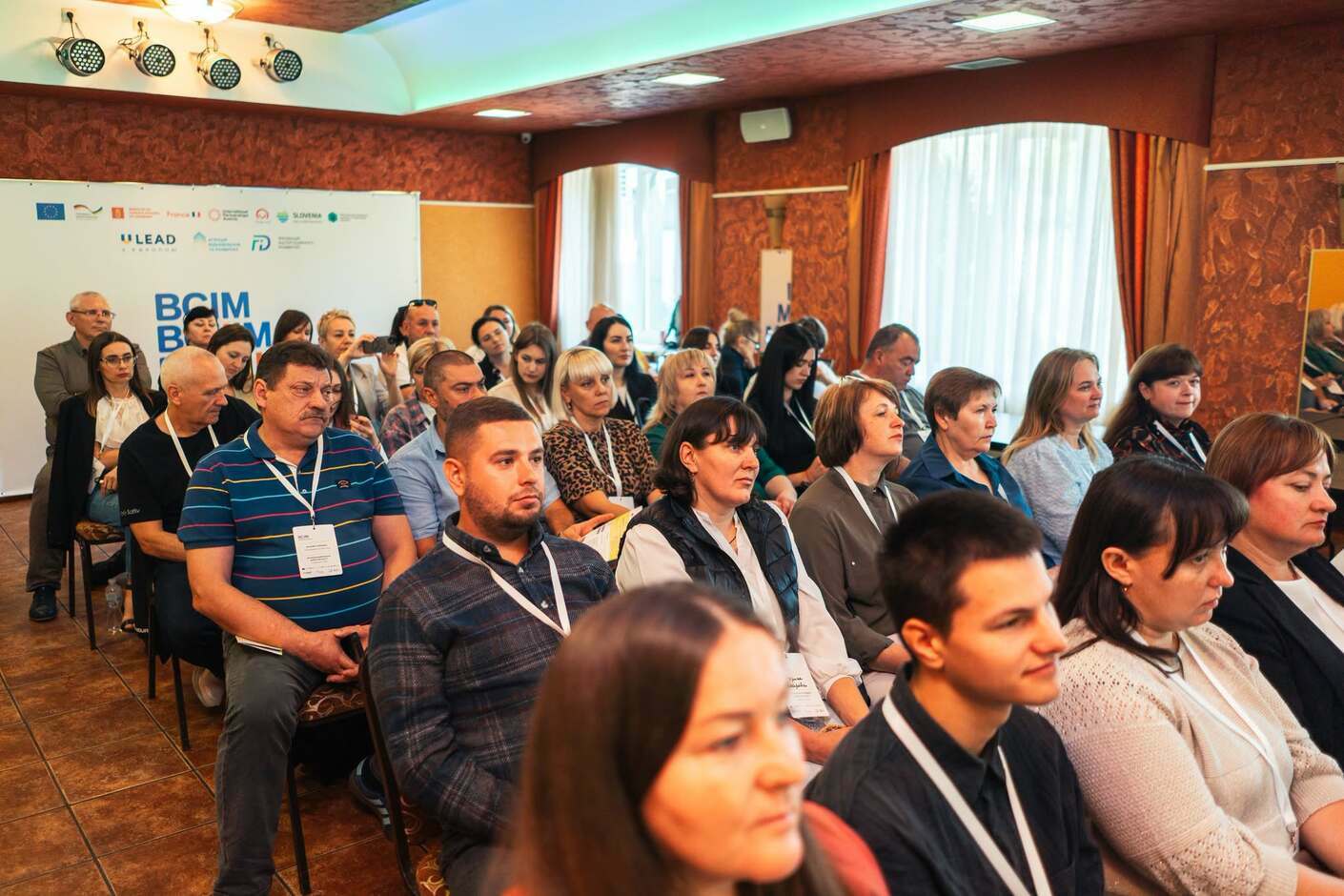
The forum participants worked not only with the research findings, but also with the practical challenges communities face.
During the panel discussion “Action Plan – How to Overcome the Current Challenges to Building a Culture of Integrity in Communities”, the participants discussed specific steps to build a culture of integrity. They paid particular attention to the culture of reporting – specifically, how reports of corruption can serve as a tool to protect the community rather than a threat to it.
During the workshop “Communication for Building Trust”, the participants looked for ways to talk to residents about integrity so that this topic could become part of the community’s daily life.
The first regional forum served as a platform for sharing experiences and finding practical solutions. Its main conclusion was that a culture of integrity cannot be established by a single document or decision. It begins with everyday practices, trust, and the responsibility of each individual.
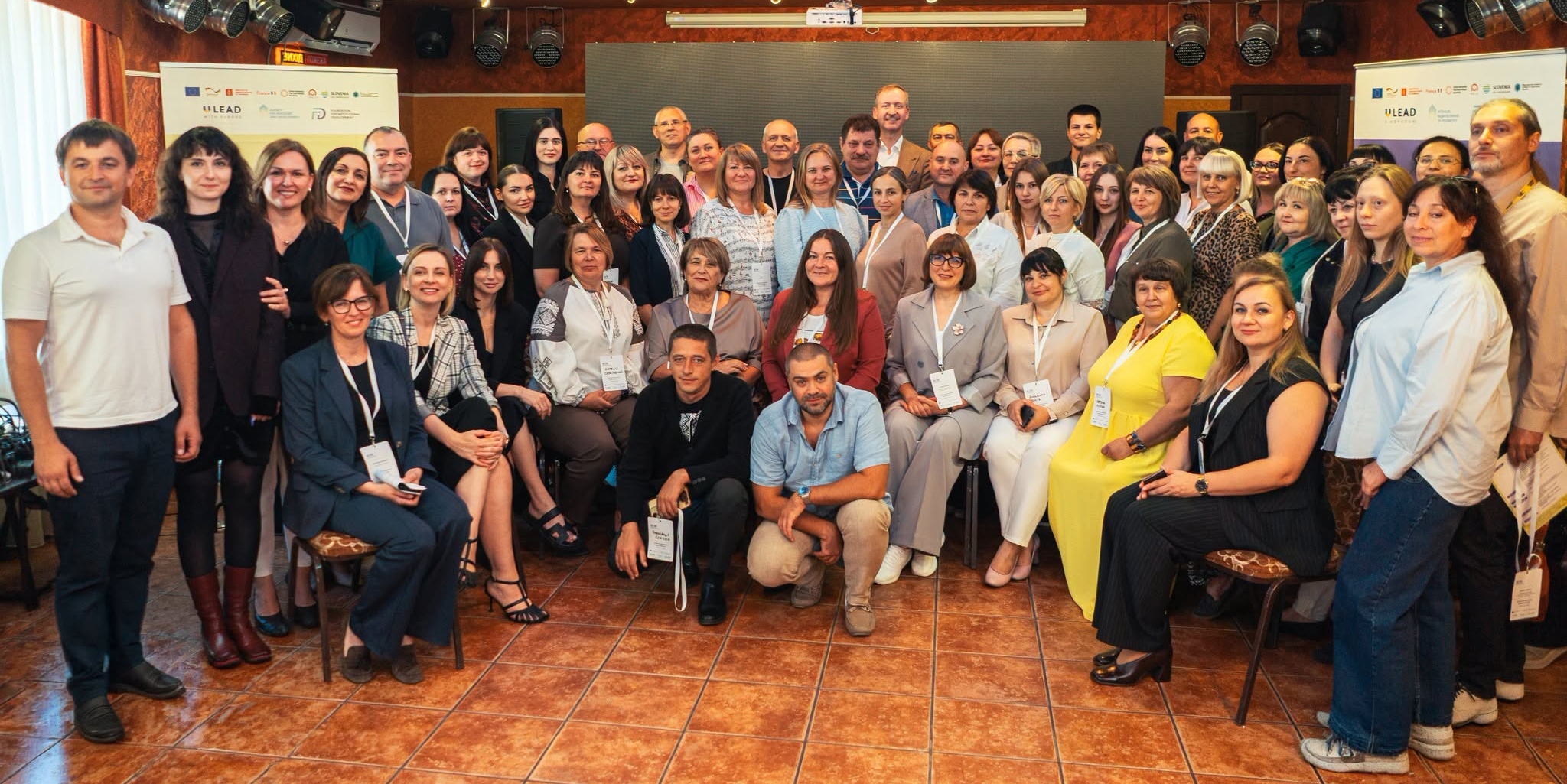
The forum in Lubny brought together representatives from 35 communities across seven regions – Poltava, Kharkiv, Sumy, Dnipropetrovsk, Donetsk, Luhansk, and Chernihiv – and marked the start of a regional dialogue.
Very soon, on 29 September, the second regional integrity forum will be held in Stryi. This means new meetings, an exchange of experiences, and joint efforts to ensure that integrity becomes not just a declaration, but a daily practice in communities.
The regional forum was held within the framework of “VSIM. Building a Culture of Integrity in Communities”, which is implemented by the Agency for Recovery and Development in partnership with the Institutional Development Foundation, with support from U-LEAD with Europe, jointly funded by the European Union and its member states Germany, Denmark, France, Austria, Poland, and Slovenia.
Tags:
Source:
Проєкт «ВСІМ. Формування культури доброчесності в громадах»
09 October 2026
Добре врядування та якісна освіта: як залучити молодь до розвитку громад і доброчесного врядування
Добре врядування та якісна освіта: як залучити...
7 жовтня у Львові відбувся форум «Амбасадори доброчесності: освіта та партнерство заради розвитку громад»,...
09 October 2026
КРОКУС у регіонах: UCORD готує АРР до проєктного розвитку територій
КРОКУС у регіонах: UCORD готує АРР до...
A two-day training course on using the KROKUS platform for representatives of 20 regional development agencies was...
09 October 2026
«Я обираю майбутнє в Україні!»
«Я обираю майбутнє в Україні!»
Що потрібно, аби саме так могли сказати кожен учень і учениця, які завершують школу? Не просто знати назви...
08 October 2026
Recovery of medicine begins in communities: Why rehabilitation has to become part of local policy
Recovery of medicine begins in communities: Why...
Rehabilitation, accessible medical care, and a resilient healthcare infrastructure will play an increasingly crucial...