Choices made with heart and mind: How career guidance works in Chernihiv
Imagine an eight-grade student who, instead of the usual workshop lesson, puts on VR glasses to try out welding, or eagerly fills out their own ‘employment record book’, moving from location to location in vocational training.
In Chernihiv, career guidance is no longer a formality but has become a living ecosystem where students are the main researchers. Jointly with the Swiss-Ukrainian DECIDE Project, the city is piloting a system that helps young people not only obtain a certificate but also consciously choose their future profession.
‘We aspire for children to make informed choices based on what they truly enjoy. After all, a passion for a subject is the driving force that motivates a person to develop and become a skilled professional,’ says Valentyna Poltorak, DECIDE Project Manager.
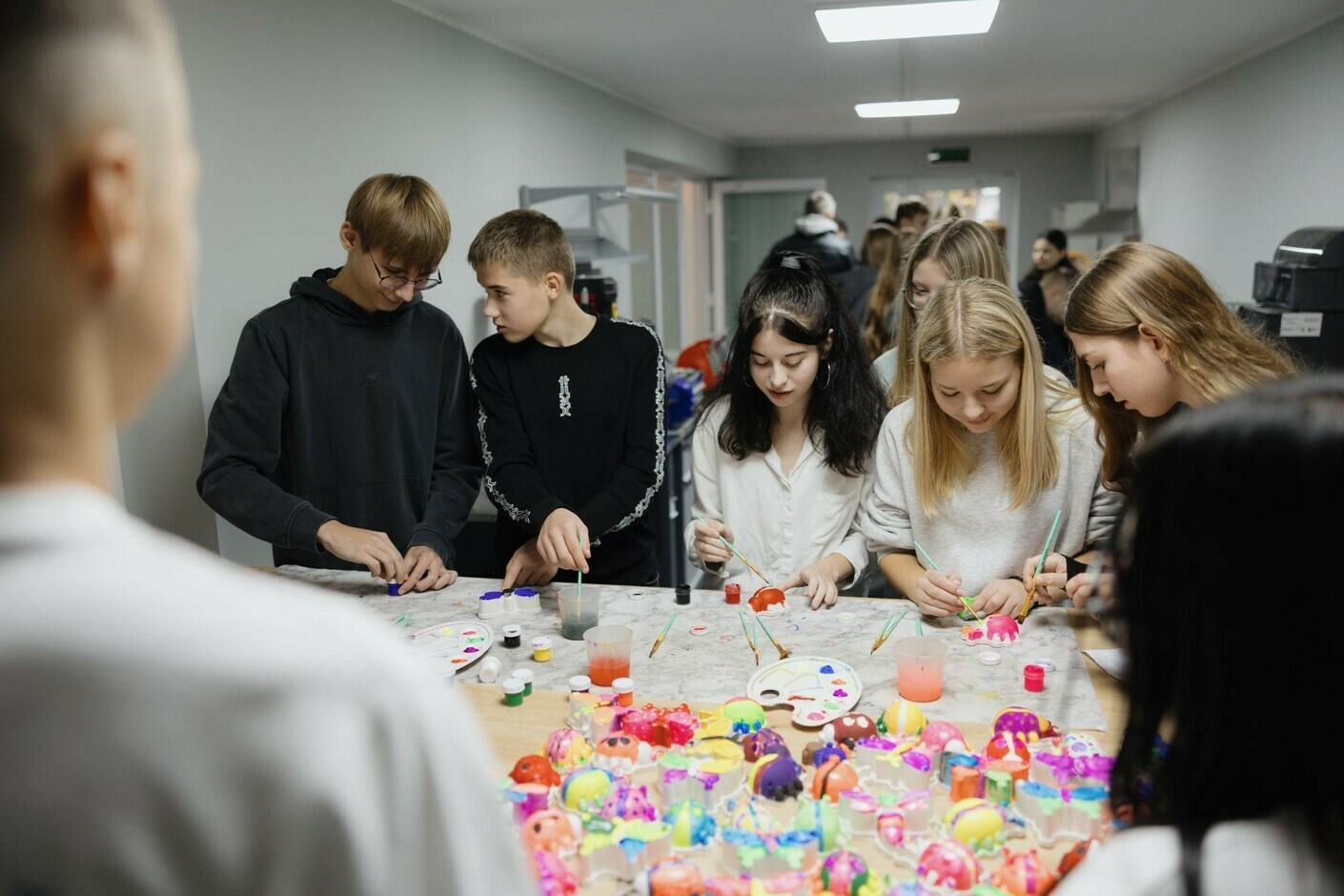
Event at the career guidance hub of Chernihiv Professional Lyceum of Railway Transport
Career guidance is about efficiency
For Vasyl Bilohura, Head of the Education Department of the Chernihiv City Council, career guidance is primarily about efficiency. When a graduate chooses a profession at random, the community loses resources. Therefore, career guidance is a kind of prevention against a child choosing a profession that they will not work in.
‘The effectiveness of spending funds directly depends on whether a child, having received an education, will continue to work in the relevant field. Unfortunately, there are many cases in our country where children, having chosen a profession on someone else’s advice rather than of their own free will, end up working in a completely different field,’ explains Vasyl Bilohura.
The results of this systematic work are already evident in the figures: whereas only 35 per cent of students opted for vocational education in 2016, this figure has now risen to between 50 and 60 per cent. This suggests that young people have started to see real prospects in the working professions.
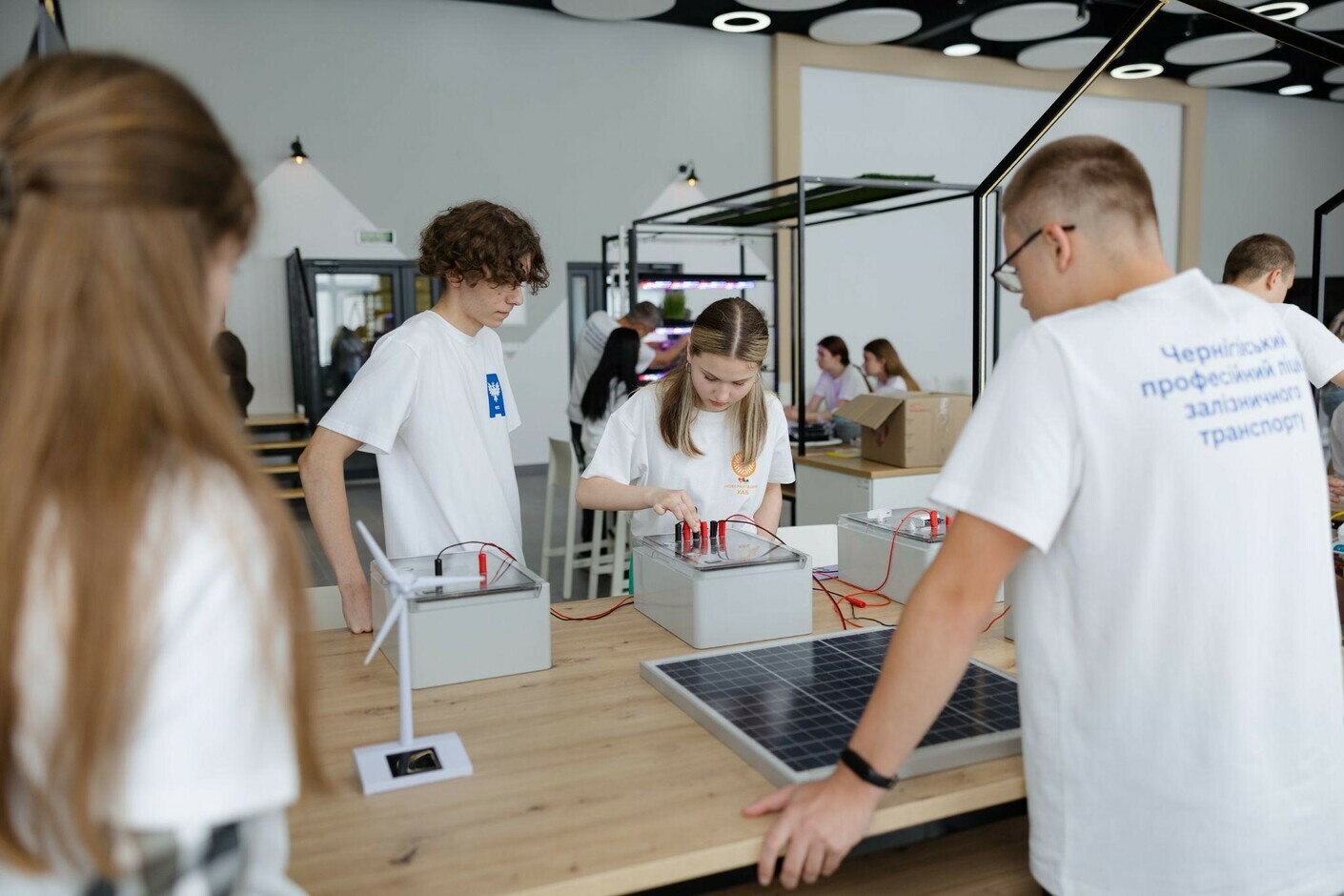
At the career guidance hub of Chernihiv Professional Lyceum of Railway Transport
‘Another important result of career guidance is when children find jobs in the future at enterprises in the city or community or start their own businesses here. Of course, the choice is always up to the child, but we are doing our best to make life and work in Chernihiv comfortable for people. To this end, we are talking about cooperation between vocational schools and businesses and providing information about opportunities in the community,’ says Vasyl Bilohura.
Currently, discussions are underway in Chernihiv with vocational education institutions about the possibility of opening and licensing new professions, organising cooperation with municipal enterprises and businesses in the city, and piloting the work of career advisors. All these links in the structure worked together to ensure that students chose vocational education for themselves and that it would be easier for vocational school students to find work directly in the community or in the region.
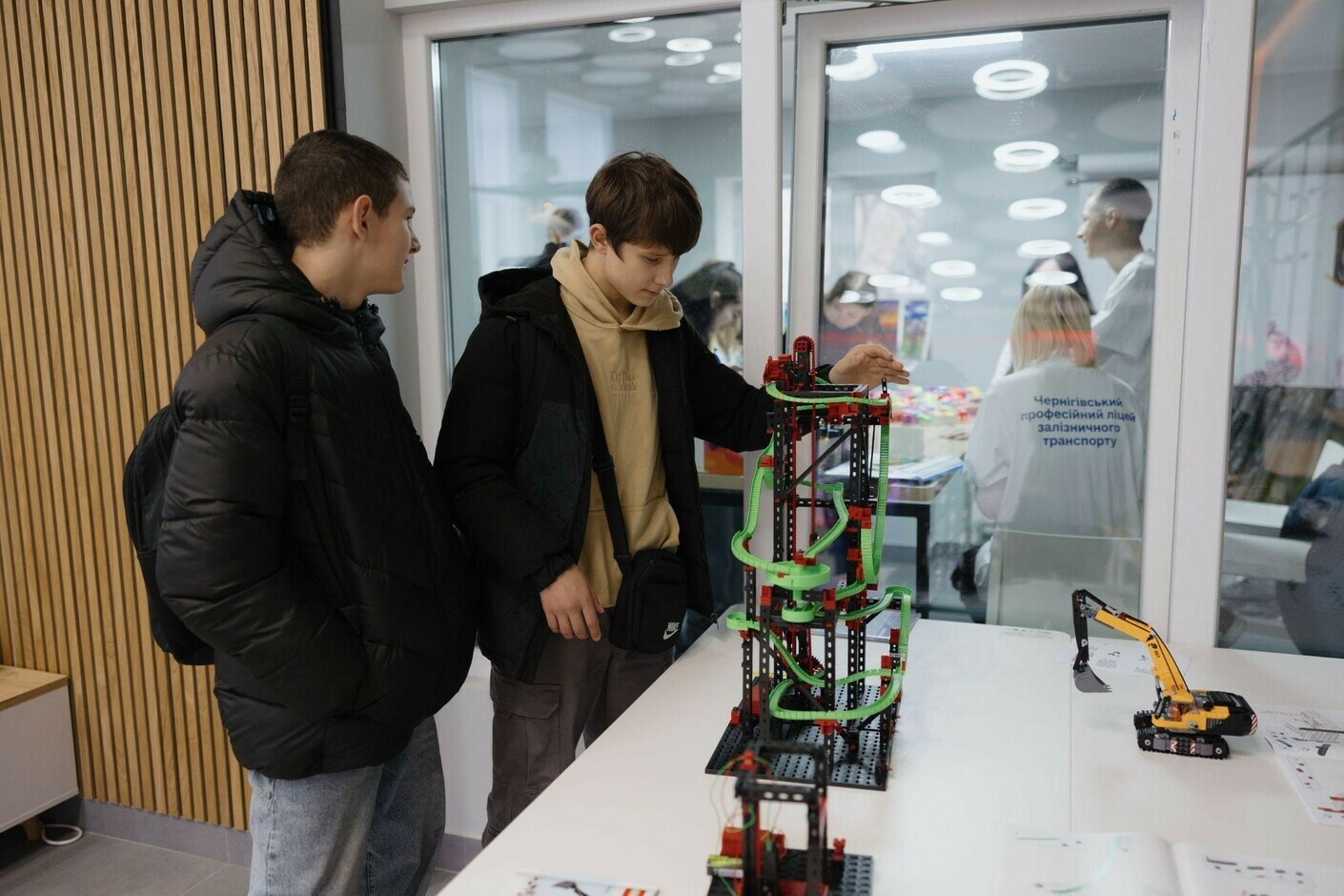
Event at the career guidance hub of Chernihiv Professional Lyceum of Railway Transport
Who are career counsellors and how do they unite the community?
A career counsellor is not merely an educator, but a coordinator who balances the interests of schools, authorities, and businesses. In Chernihiv, this system was developed in collaboration with the DECIDE team based on the experience of the University of Zurich.
Nataliia Burdiuh, Consultant at the Centre for Professional Development of Teachers, who helps to implement and coordinate the career counselling system in Chernihiv schools, says that the approach to teaching is completely unconventional. Teachers first underwent training themselves, where they tested all the techniques on themselves to understand children’s reactions.
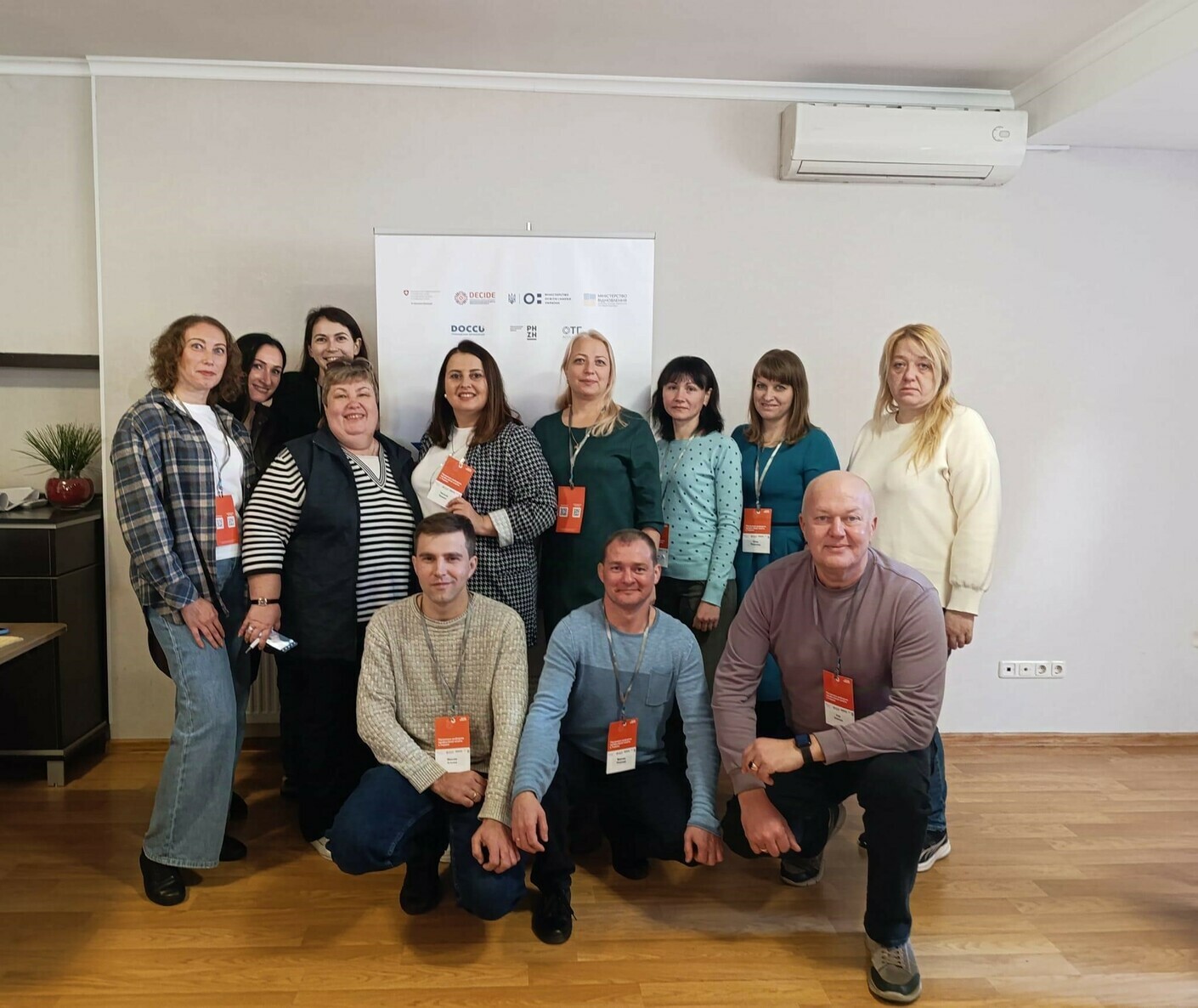
The team that helps implement career counselling in Chernihiv during the training course ‘Piloting and Implementation of a System to Support Students in Their Career Choices’. In particular, the photo shows Nataliia Burdiuh and career counsellors who teach at the school
The counsellors help adolescents assess their abilities, write their first CVs, and ask the right questions about their future. Colleagues have created a Telegram group for quick communication and exchange of experience between teachers to improve the process.
‘Since in 80 per cent of cases, the final decision of an adolescent is made within the family, we also make parents active partners in this process. The system we are building should give the family all the necessary tools to support the child in their choice,’ says Valentyna Poltorak.
From employment record books to cooking battles: practical examples
The best career guidance is the opportunity to get hands-on experience. Below are just a few formats that already work in Chernihiv:
1. Fest-portal into the world of professions’. This is a real-life test drive. Students receive improvised employment record books, in which they mark their completion of 16 different locations in a vocational education institution.
Children can try laying tiles, working with a welding simulator in VR glasses, installing plumbing or servicing solar panels. They are accompanied by vocational school students who share their experiences with their peers.
For example, at the Chernihiv Professional Lyceum of Railway Transport, children had the opportunity to visit 16 locations. At each of them, the participants completed tasks and tested themselves in a number of blue-collar professions: electrician, tile layer, plumber, liquid wallpaper installer, solar panel maintenance specialist, welder, and train conductor.
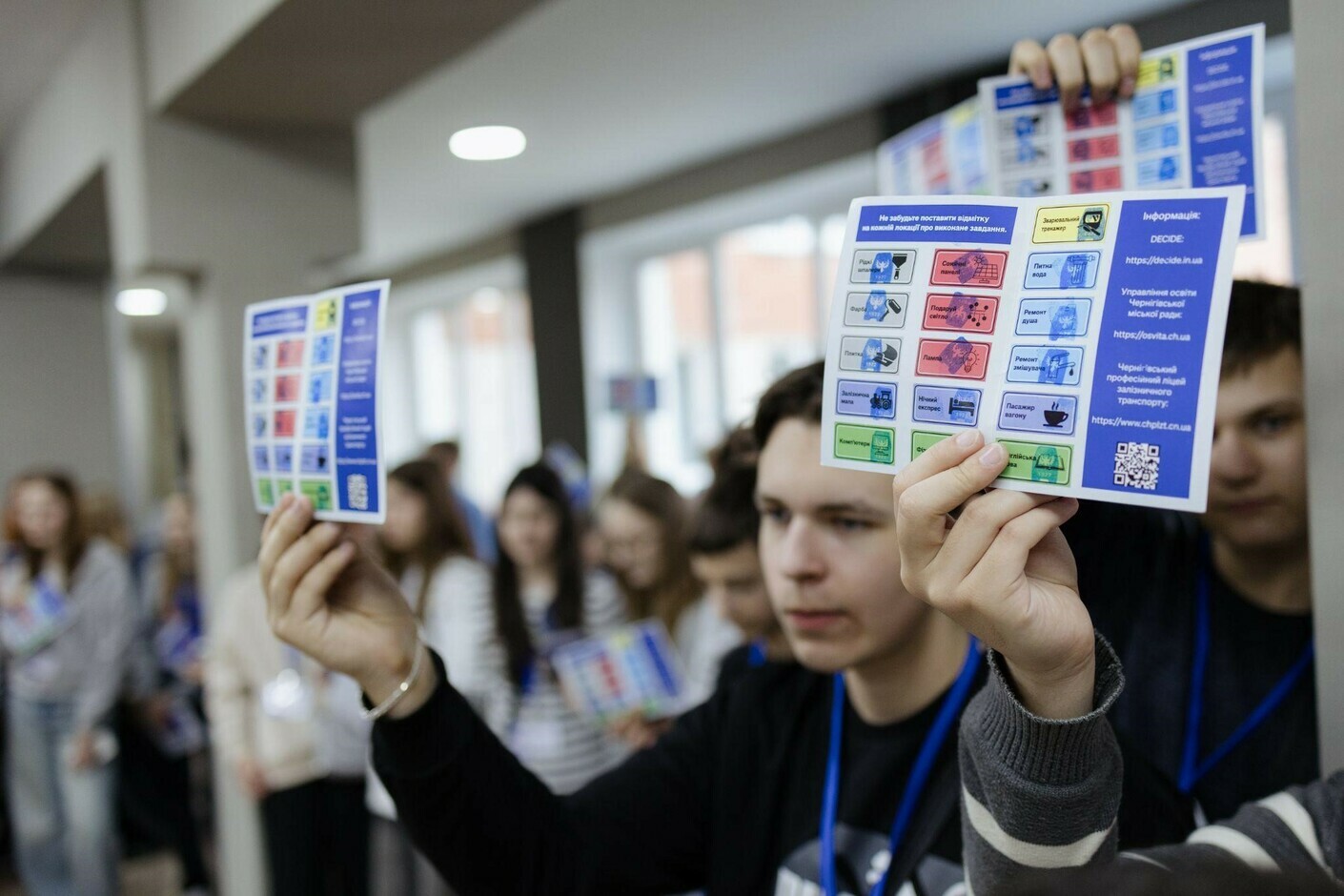
During the ‘Fest-portal into the world of professions’, students receive ‘employment record books’
2. Unlimited excursions. The success of the Chernihiv case would have been impossible without the openness of local entrepreneurs. Nataliia Burdiuh recalls how she arranged a visit to a small bread factory.
‘I called to ask if I could bring the children. And they said, “Yes, of course, but we can only take up to 15 children.” And I said, “I have 120 students.” Then they said, “All right, then you can come eight or nine times, as many times as you need.” And we actually went there eight times.’
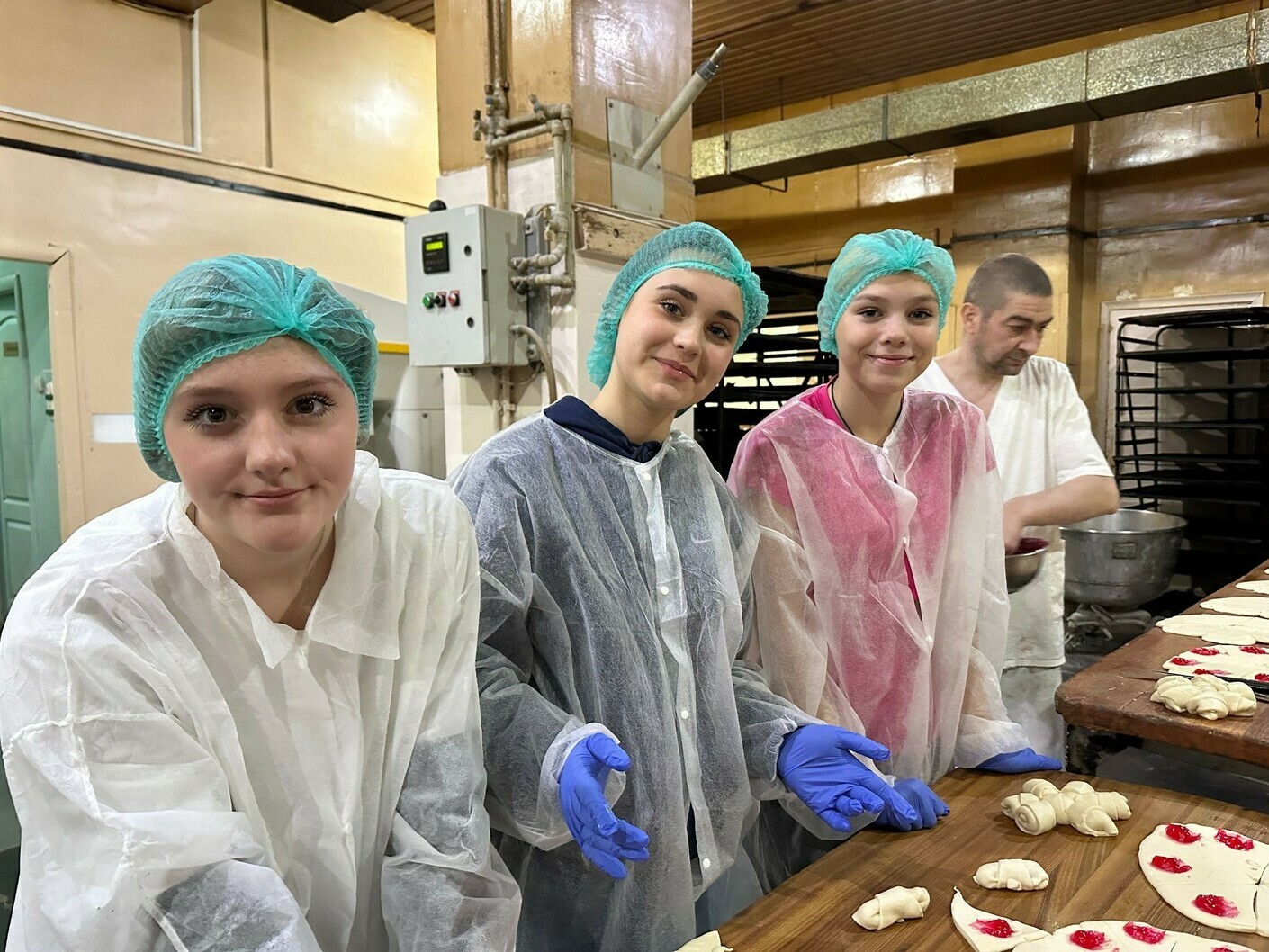
Students during one of the excursions to the production facility of Nasha Bulochka LLC
Altogether, about 30 such excursions were held within the framework of the pilot project with DECIDE. The children visited sewing factories, restaurants (where master classes were given by chefs from the city's top restaurants) and factories.
In Chernihiv, children have the opportunity to test themselves in the following professions: chef, cocktail bartender, pastry chef, waiter, electrician, welder, and conductor. They also have the opportunity to visit garment factories and a bread factory.
‘Children try everything with their hands – they really enjoy it. They discover businesses they had never heard of before. Most importantly, schoolchildren learn in practice that it is not necessary to have a higher education to work in a particular organisation. Instead, many blue-collar professions can be learned at vocational schools in Chernihiv after completing grade 9. For 30 per cent of children, this is a real discovery,’ says Nataliia Burdiuh.
3. Live podcast and breaking stereotypical beliefs. In an open dialogue format, children talk to those who have already become successful. For example, a female welder spoke to the students, completely dispelling myths about ‘male-only’ professions. Maksym Podzharyi also shared his journey from an electrician to the principal of a lyceum.
Concluding remarks
Teachers are most impressed by the change in students’ mindsets. Children have the opportunity to ask questions directly to employees at their workplaces. They ask where they studied, why they chose this job, what they like most about it, and what their salary is. In this way, they see a wider range of professions than those in their family or circle of friends. In general, schoolchildren have become more relaxed and interested, and their fear and reluctance to try something new has disappeared.
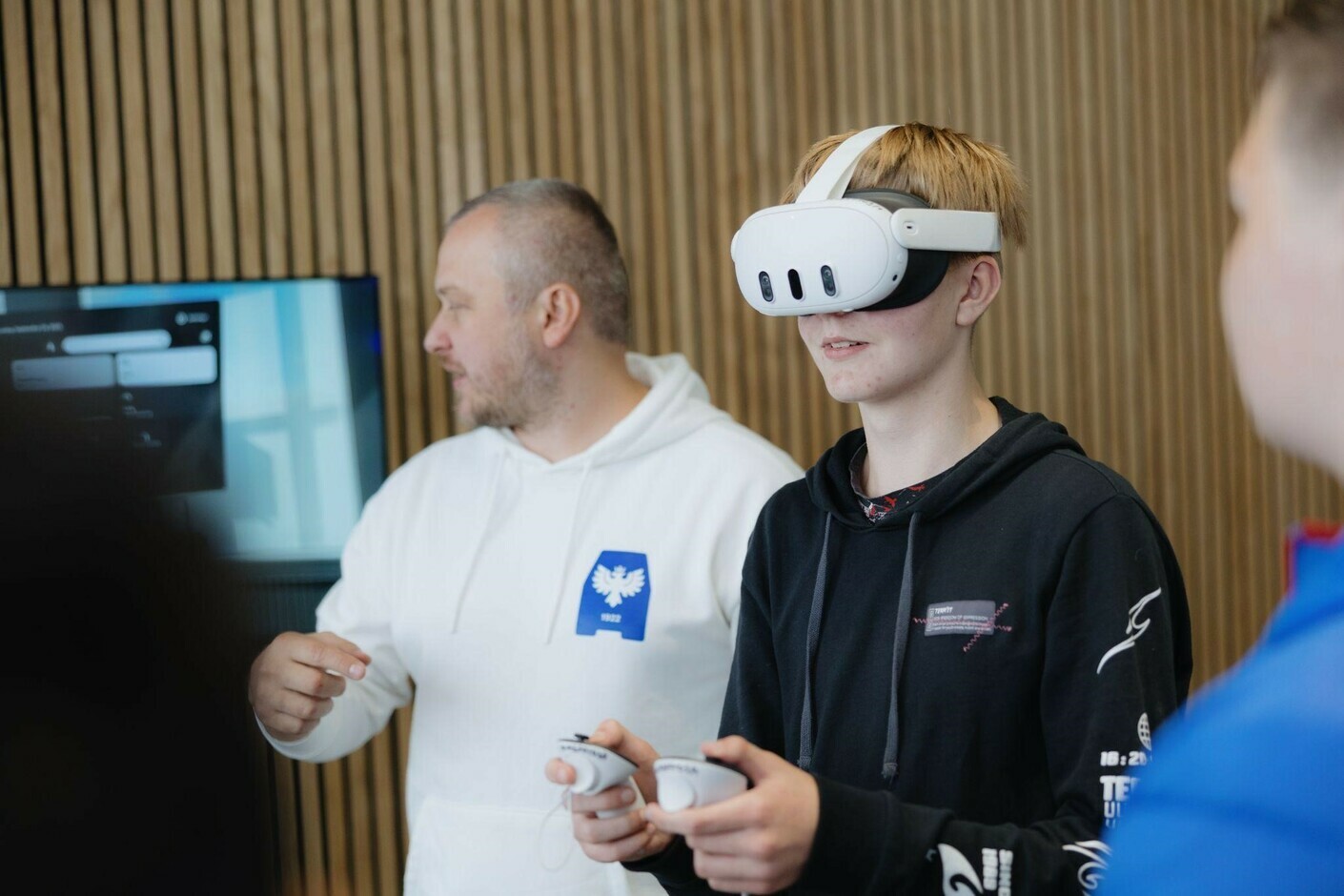
За Event at the career guidance hub of the Chernihiv Professional Lyceum of Railway Transport
‘We have a boy who constantly asks everyone questions. This is something that not all children are willing to do. But wherever we go, the child is interested in everything, “How is this done? How do you sew this? Where did you study? What is your specialty? Do you have two degrees? How much do you get paid?” He is open, direct, and not afraid to say anything. Sometimes he even compares himself to others, “Gosh, that’s such hard work. Oh no, I don’t think I could do it.” And that’s great!’ shares Nataliia Burdiuh.
The best indicator of success is the children’s opinions when no one is watching them.
‘Once, my colleagues and I were bringing the children back to school after another excursion. I was standing there and heard two students talking to each other and comparing what they had seen. One liked the sewing factory, and the other liked the ironworks. I was impressed by how they commented, analysed, and explained why they liked what they liked. At that moment, I realised that all this was not in vain. Even if only one child out of thirty in the class becomes interested in a particular profession, that will already be a result.’
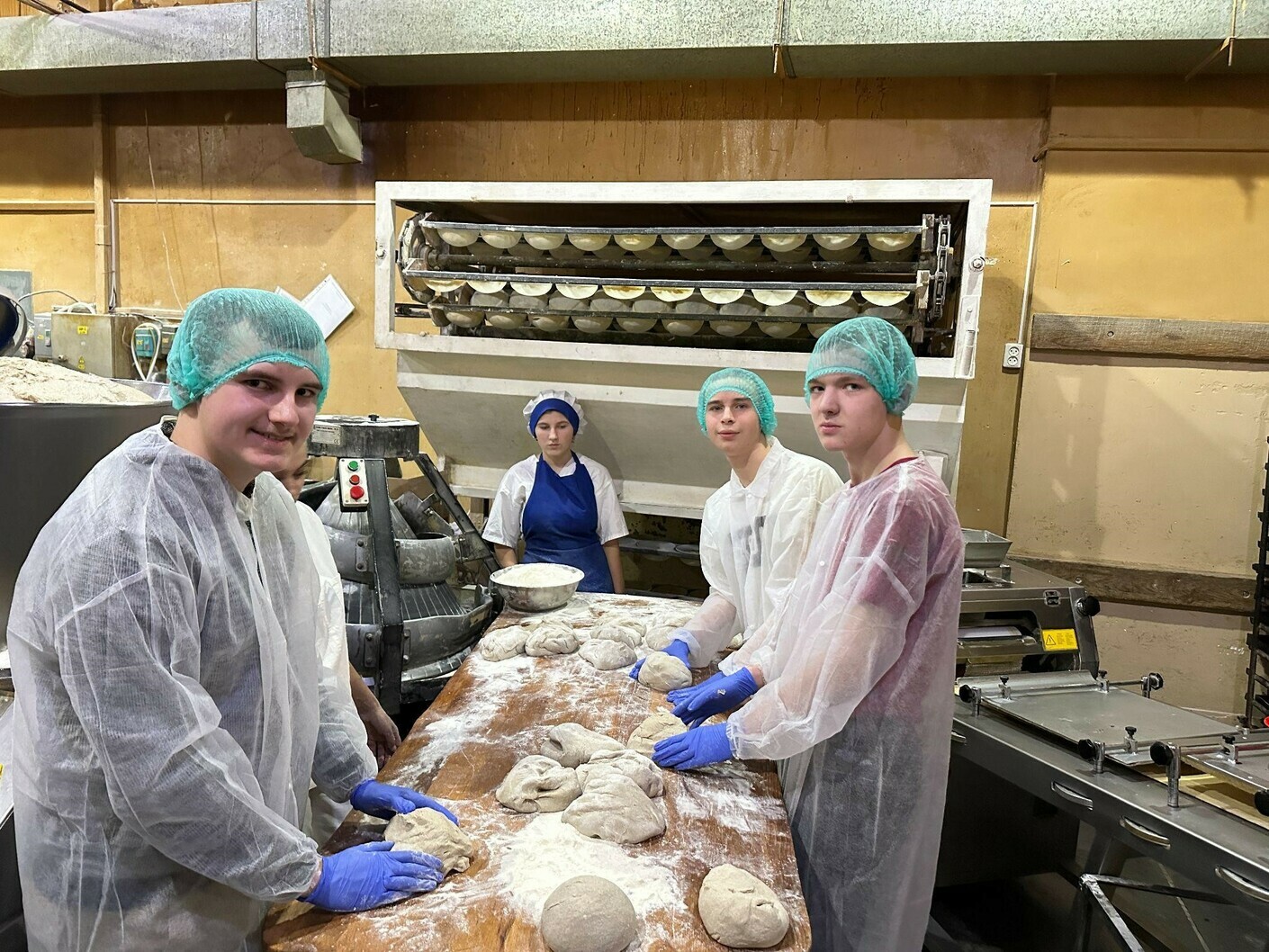
Schoolchildren during one of the excursions to the production facility
Nowadays, Chernihiv is planning to introduce the position of a career counsellor in every school. It is an ambitious goal, but the example of the city proves that when the authorities, business, and educational institutions work together, the community gets not only qualified personnel but also happy people who know what they want from life.
‘The reform of senior secondary education will not provide a full range of choices for one’s educational trajectory without quality career guidance. Our task is to provide students with maximum opportunities to practice and learn about the world of professions so that each and every one of them can find their way and be able to realise their potential here, in their community or region,’ concludes Valentyna Poltorak.
Mariia Buleiko (Markovska)


22 October 2026
III Міжнародний форум агломерацій в Україні: навіщо громадам діяти разом
III Міжнародний форум агломерацій в Україні:...
Транспортні маршрути, вода, критична інфраструктура та відбудова не зважають на адміністративні межі. Щоб громади...
22 October 2026
Олена Шуляк: громадам потрібно спільно...
Війна, внутрішня міграція та масштабна відбудова загострили питання, які не вкладаються в межі однієї громади. Про це...
22 October 2026
Віталій Безгін: агломераціям потрібні зміни до секторального законодавства
Віталій Безгін: агломераціям потрібні зміни до...
У Львові розпочався III Міжнародний форум агломерацій в Україні «Співпраця громад у функціональних територіях». У...
22 October 2026
У Львові розпочався III Міжнародний форум агломерацій в Україні (наживо)
У Львові розпочався III Міжнародний форум...
У Львові розпочався III Міжнародний форум агломерацій в Україні «Співпраця громад у функціональних...