‘More than a city: How Lviv is building a metropolis based on European experience.’ An interview with Roman Kizyma, Executive Director of the Association ‘Lviv Agglomeration’
By Dmytro Syniak
Ukraine is still developing its own model of decentralisation. The next logical step after creating amalgamated communities should be forming metropolises – powerful agglomerations centred around large cities. The first pilot association of this type was the Association of Local Governments ‘Lviv Agglomeration’.
Recently, Roman Kizyma, Executive Director of the Association, visited France with Members of Parliament and representatives of the Ministry for Development of Communities and Territories of Ukraine. France has transitioned from being one of the most centralised countries in Europe to one with powerful inter-municipal associations. In an interview with the Decentralisation Portal, Roman Kizyma explained why Ukraine’s community reform is already one of the most progressive in the world. He also discussed what is lacking for the full development of agglomerations, which practices from Reims, Montpellier and Lyon could be adopted, and why the next steps require not only the goodwill of communities, but also serious legislative changes.
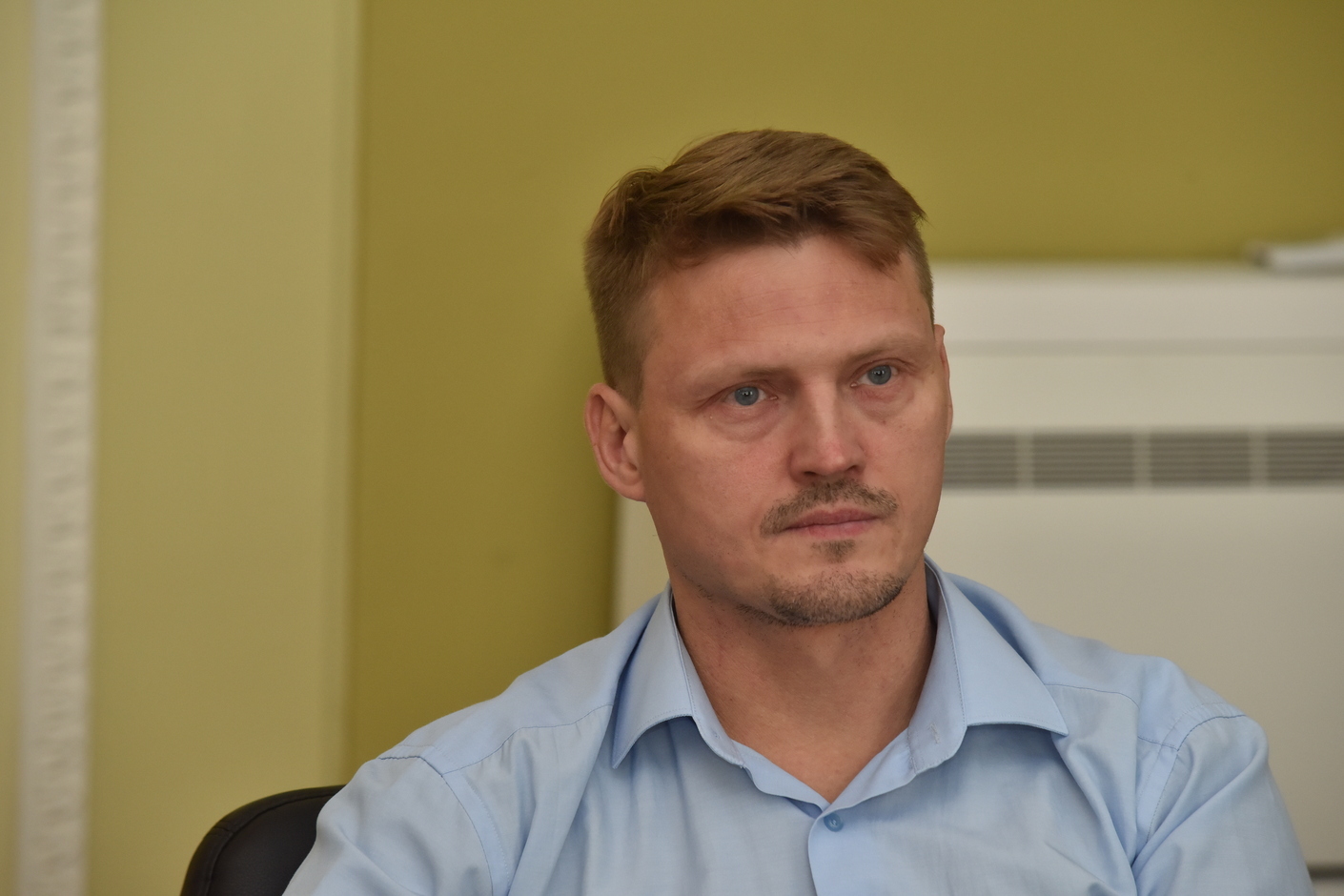
Roman Kizyma, Executive Director of the Association of Local Governments ‘Lviv Agglomeration’
How is an agglomeration formed?
Tell us about the ‘Lviv agglomeration’. How did it emerge and why?
This is the first metropolitan association of local governments in Ukraine since the decentralisation and administrative-territorial reform. The reform revealed certain systemic difficulties in the interaction between large cities, such as Lviv, and neighbouring communities, particularly rural ones. Consider, for example, that around 200,000 people come to Lviv every day for work, using its infrastructure and social services – primarily education and healthcare. This creates two problems. First, there is inequality for residents of neighbouring communities who pay taxes in Lviv but do not have equal access to all city services. The second problem is the uncoordinated development of surrounding communities. These communities may, for example, build housing complexes without consulting the city, thereby putting additional pressure on s transport, utility, and social infrastructure in Lviv.
Can an association of local governments solve these problems?
Actually, metropolitan governance is used around the world to address such issues comprehensively. With the support of the Council of Europe, the Lviv region began the process of creating such an association back in 2022. First, we developed a strategy, which was approved in November 2023 by the leaders of the 18 communities that were potentially going to participate. This is how the association began. Its main task is to facilitate horizontal cooperation between communities within the Lviv metropolitan region, enabling them to work together to achieve coordinated development, overcome common challenges, and realise opportunities in transport, spatial planning, ecology, and infrastructure.
As far as I know, Ukrainian legislation currently lacks specific provisions for creating metropolitan and similar associations. Have you therefore set a precedent?
In a way, yes. Our association was established under the current legislation as a local government association. In other words, it is a platform for cooperation, not a governing body. However, we are also promoting the idea of relevant legislative changes. We are implementing several international projects, ranging from a joint mobility policy to a peatland restoration strategy. We are actively developing partnerships with several European cities, including Barcelona, Amsterdam, Gothenburg, and Warsaw.
What laws and regulations are lacking for metropolitan areas in Ukraine?
One of the options we are discussing with MPs is the adoption of a special law for the Lviv agglomeration, modelled on the Metropolis GZM (Górnośląsko-Zagłębiowska Metropolia) in Poland, centred in Katowice. This metropolis encompasses a formerly depressed coal-mining region and therefore enjoys special status and additional funding (over five per cent of personal income tax). However, other cities with over a million inhabitants must now focus on more pressing survival issues due to constant russian missile and drone attacks. We are therefore ready to act as a pilot to develop models that these cities and suburban areas could use in the post-war recovery phase. This is our mission and our duty.
Why do metropolitan areas require specific resources and powers? Take the transport sector as an example.
It is a matter of survival and development. Without investment in shared infrastructure, intercity public transport around large cities will disappear within ten years. Large cities will develop their own comfortable systems and the outdated ‘cattle trucks’ currently operating around cities will become unprofitable and cease to run. However, if we had the opportunity to allocate part of the tax revenue to joint projects, for example, we could create express rail connections to key satellite cities of Lviv, such as Pustomyty, Briukhovychi, Horodok, and Vynnyky, in just a few years. This would provide access to the centre of Lviv in 20 minutes, increase mobility, make housing in neighbouring communities (where prices are half those in Lviv) more attractive, and contribute to improving the demographic situation. Essentially, this could provide an alternative to emigration for thousands of Ukrainians who cannot afford to live in Lviv.
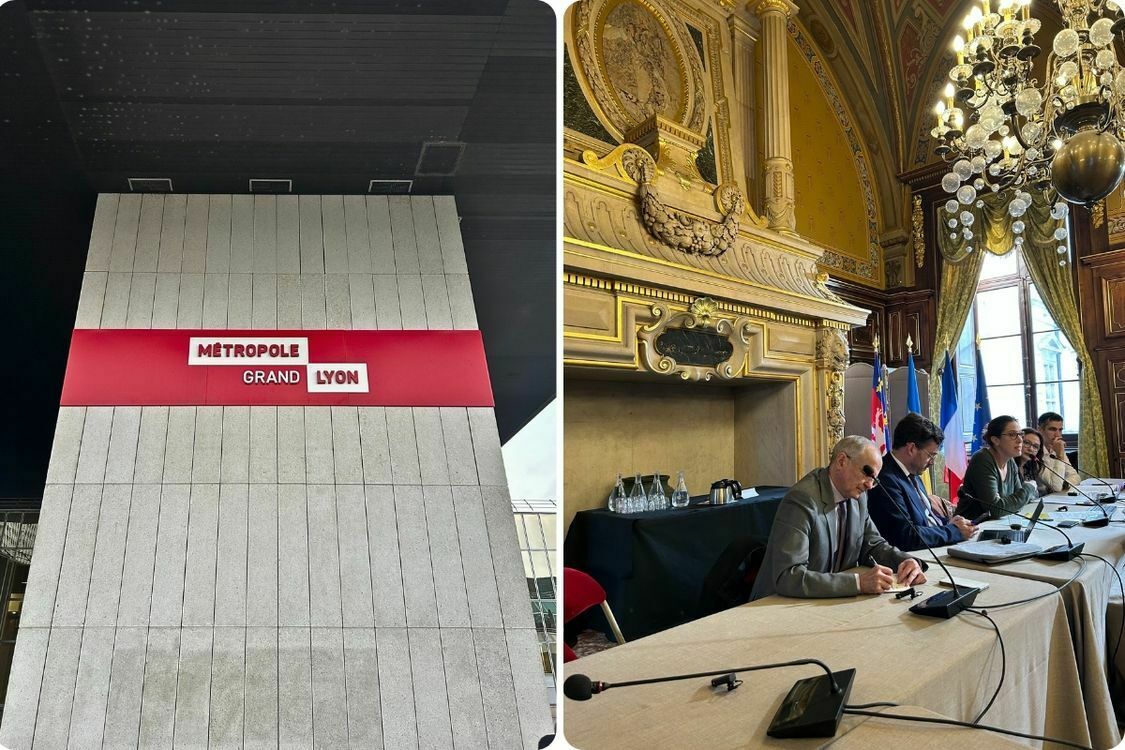
In the Metropolis of Lyon
Lviv – Reims – Montpellier – Lyon – Lviv
What was the purpose of your recent trip to France as part of the Ukrainian delegation? Was the trip successful?
Absolutely! It was organised by Expertise France, a French government agency for international cooperation, as part of the RELEVE Programme. Since the full-scale invasion, this agency has been providing active support to Ukraine, particularly with regard to local self-government reform. Each year, the agency organises visits for Ukrainian officials to learn from France’s experience. The purpose of the current visit was to study French models of horizontal cooperation between communities, known as inter-municipal associations (intercommunalité). The delegation included MPs from the relevant Verkhovna Rada committee, representatives from the Ministry for Development of Communities and Territories, and practitioners from the regions. As the executive director of the Association ‘Lviv Agglomeration’, I was among the practitioners, alongside my colleagues from the Lviv region. We studied the work of authorities at different levels – from communes and prefectures to regions – but our main focus was on inter-municipal associations.
Which French practices and agglomeration models do you find the most interesting and useful for Ukrainian communities?
Firstly, it is important to note that we do not intend to simply replicate the French model. The French have come a long way, evolving from an extremely centralised state comprising 35,000 small communes, to a system of powerful inter-municipal associations that are granted powers by both the communes and the state. Thanks to decentralisation, Ukraine has already created larger, more capable communities, which is a very progressive step. Therefore, there is no need to copy the French model.
What specific cases did you study?
There were three of them. The first was the Grand Reims agglomeration. Although it is not a metropolis, it is a highly successful inter-municipal association. It is known for its waste management. The agglomeration has a modern plant for sorting, processing and incinerating waste, making landfills almost unnecessary. This demonstrates how the waste problem can be resolved at the community level in a profitable and environmentally friendly manner. The second case study is Montpellier Méditerranée Métropole. It has a well-developed infrastructure, including free public transport, which is still being developed. However, some neighbouring communes remain outside this infrastructure, creating a certain dissonance. They did not want to join the metropolis at the time, and now everyone is suffering as a result. This is an important lesson for us: integration mechanisms must not compromise the integrity of essential infrastructure systems. Finally, the third case study is that of the Métropole de Lyon. This is the most inspiring example. Through a special decision by the state, this metropolis assumed the powers of a department (equivalent to a district in Ukraine) that had effectively gone bankrupt. This made the Métropole de Lyon a powerful entity with extensive authority over urban planning, transport, engineering infrastructure, and social affairs. This shows that metropolises can be extremely effective drivers of development and capable of taking responsibility for entire regions.
Did you manage to establish partnerships with French metropolitan areas during your visit?
Certainly. The Lviv agglomeration has established contacts with French inter-municipal associations, and plans to exchange experiences with them in the future. We are particularly interested in the Lyon metropolitan area, which we consider a potential sister city – incidentally, the symbol of Lyon, like Lviv, is a lion. This is because our population (1 to 2 million) and territory are comparable. However, the French have significantly more financial resources due to their special tax revenues and status.
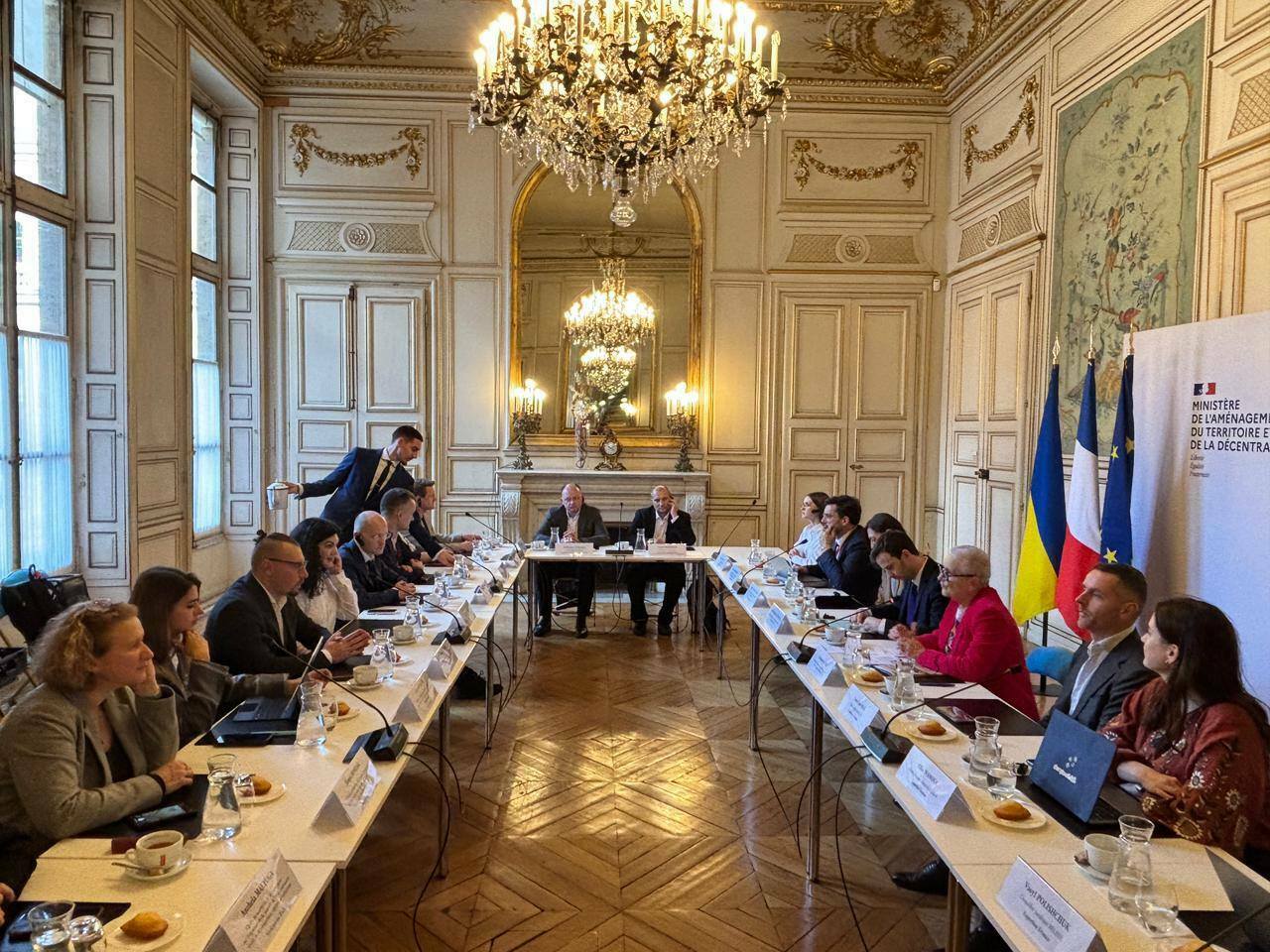
Ukrainian delegation at the French Ministry of Partnership with Territories and Decentralisation
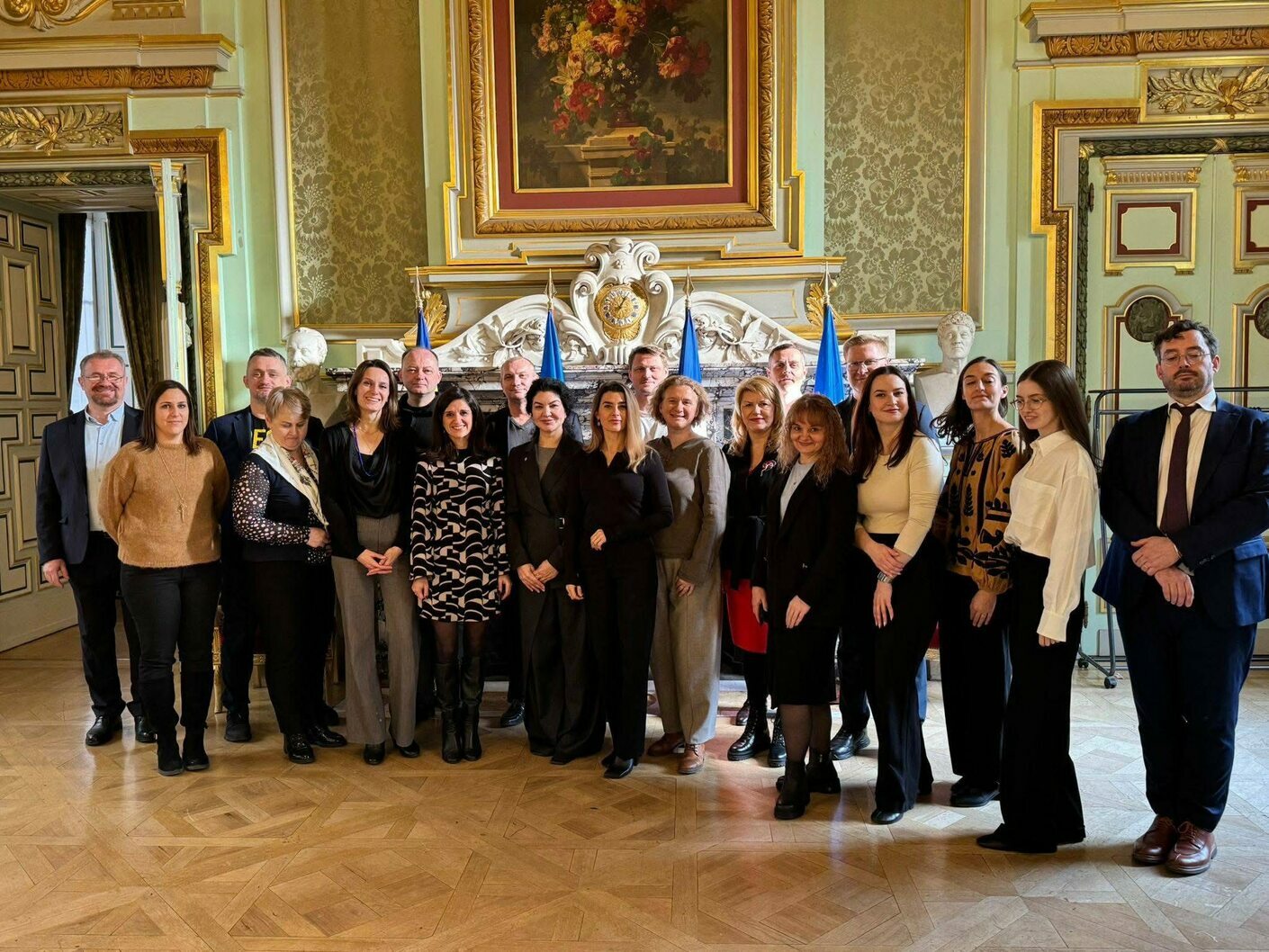
Ukrainian delegation at the Lyon City Council
‘We completed the first part but not the second’
Did anything during your trip particularly surprise or inspire you?
There were several such cases. The example of the Lyon metropolitan area inspired me the most. This shows that a high level of local self-government can be achieved, and that it can be responsible for the strategic development of a large area. I was also impressed by the waste management system in Reims. A concrete, pragmatic model... Paradoxically, this trip has once again convinced me that the decentralisation reform in Ukraine, in the context of community building, is one of the most progressive in the world. After all, we have created effective and capable administrative units. However, we completed the first part but not the second. In Ukraine, many powers that belong to local self-government in Europe (which, by definition, works more efficiently and has lower corruption risks) still remain at the state level, including in the form of state administrations. Therefore, the next step should be the gradual transfer of these powers to communities, taking their capabilities into account. Agglomerations or metropolises may assume such powers where communities are unable to do so.
Do you mean that we need to strengthen the institutional capacity of communities?
Exactly! This is a key task for our country when it comes to decentralisation reform. One of the most effective ways to achieve this is to establish inter-municipal associations or functional areas. These associations can help us to address issues such as waste management, water supply, sewage, and the like.
Could you please explain how this will work, using Lviv as an example?
Of course! The city, which forms the core of the Lviv agglomeration and is home to around 1 million people, has a powerful utility enterprise: Lvivvodokanal. However, it is supplied with water from surrounding communities. It turns out, therefore, that Lviv is heavily dependent on those communities through whose territory the water pipeline runs. These communities often lack centralised sewage systems, which can lead to groundwater contamination. Therefore, Lviv has to collaborate with these communities to improve the state of their surface and groundwater resources. The situation with waste is even more complicated. No community can afford a modern waste processing plant, particularly given the non-market tariffs in this sector. However, the introduction of European standards, including the tax on waste disposal, means that every tonne of waste at landfill sites will become ‘gold’. Without a joint decision, this will lead to the financial bankruptcy of many communities.
It seems that you should have started by addressing uncontrolled development around large cities. This is certainly no less problematic, right?
Quite right, no less. The problem is that there is currently no unified spatial planning around centres such as Lviv or Kyiv. As a result, we risk chaotic development and infrastructure collapse. Therefore, strengthening institutional capacity through consolidation is an urgent necessity, not just a desire, for addressing complex infrastructural, environmental and spatial challenges.
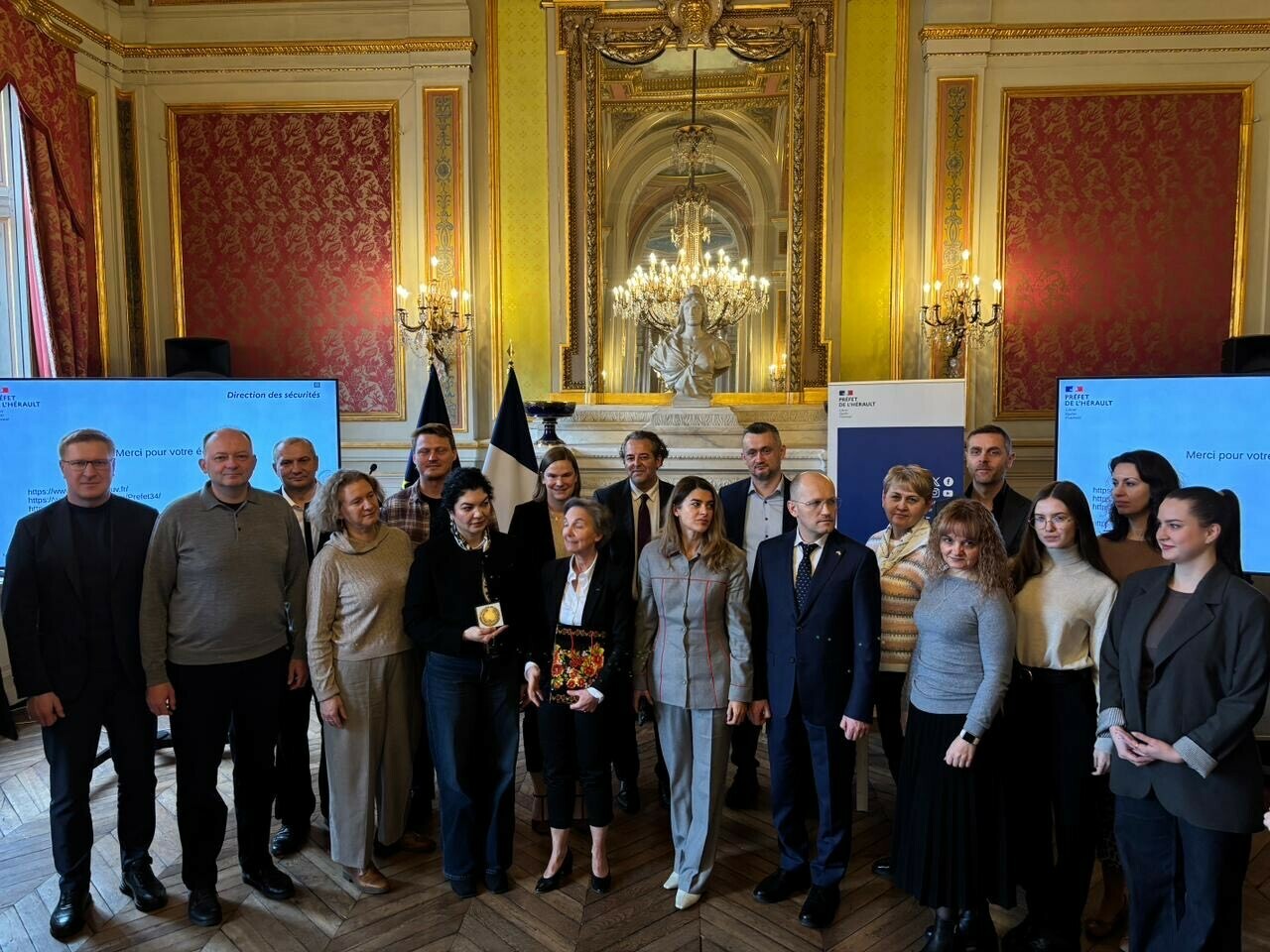
In the Hérault Prefecture
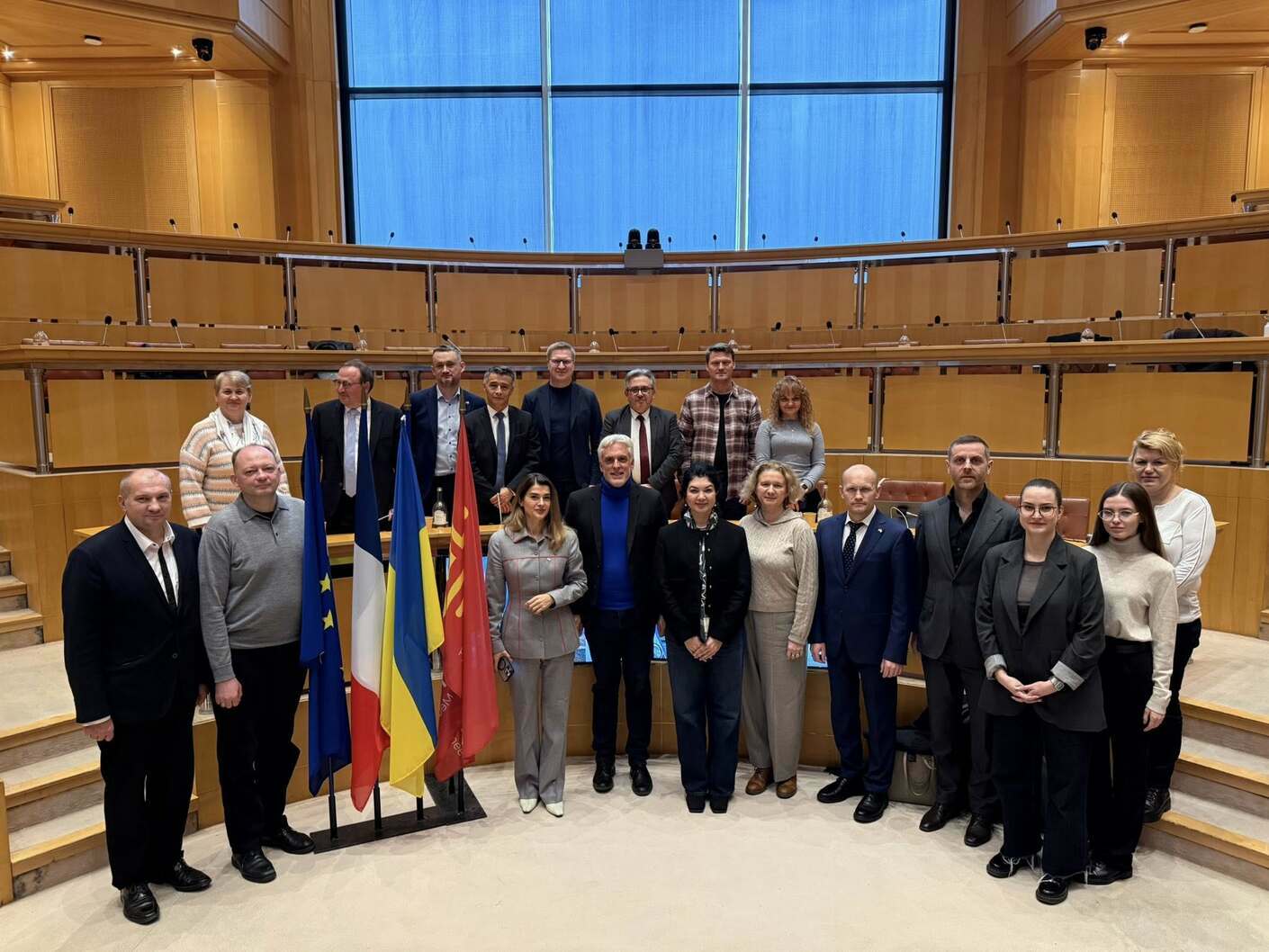
In the Occitania region
About ‘basins of life’
Does the existence of extremely large agglomerations, such as Istanbul with its population of 16 million, indicate a developed or problematic economy?
I only partially agree with the statement that large agglomerations are a ‘disaster’. Urbanisation has been a global trend in recent decades, and Ukraine remains one of the least urbanised countries in Europe. However, there is sometimes an imbalance when everything is concentrated in one large city and neighbouring areas are ‘washed out’ in every sense. Unfortunately, war worsens this situation. Therefore, metropolitan governance must balance this development by creating ‘basins of life’ within a 30–50 km radius of a large city (as they are called in France). These ‘basins of life’ should offer equal access to transport, medical and educational services, as well as jobs. Then people will be able to live comfortably in places such as Pustomyty. They will also be able to choose to work or receive services in Lviv, which is 20–30 minutes away by car. This reduces the environmental burden of the big city and promotes regional development.
Why do large cities, particularly those with populations exceeding one million, rarely enter into inter-municipal cooperation agreements compared to smaller communities?
Indeed, it is a fact that, of all the large cities in Ukraine, only Lviv has concluded two such agreements: one regarding an inclusive resource centre, and another regarding a support centre for teaching staff. Small communities use this tool much more actively than large cities do. In my opinion, the reason for this is that serious joint projects require significant resources. This raises the question of who should pay for what. A wealthy community (such as Lviv) will not simply invest in its neighbours’ infrastructure. Special mechanisms and state policy are required for this, and these are currently lacking. Besides, large cities are preoccupied with their own issues, and the legal tools for in-depth cooperation remain too complex for large communities to navigate.
How successful is the Lviv agglomeration? What exactly constitutes its success?
We are still at the beginning of our journey and do not consider ourselves completely successful yet, but we have already achieved some important successes. Previously, neighbouring communities feared being absorbed by Lviv. This is now a thing of the past, as we regularly hold general, board and specialist committee meetings. That is the first thing. Secondly, we are developing strategic documents and attracting grant funds for various projects, including the creation of a common mobility policy, a logistics hub project, the restoration of wetlands and waste management. Thirdly, we are the only Ukrainian members of key European and global metropolitan area associations (METREX and Metropolis), which gives us access to our partners’ knowledge and experience. Our greatest achievement is that we have created a platform for dialogue and cooperation between 13 communities, entirely voluntarily.
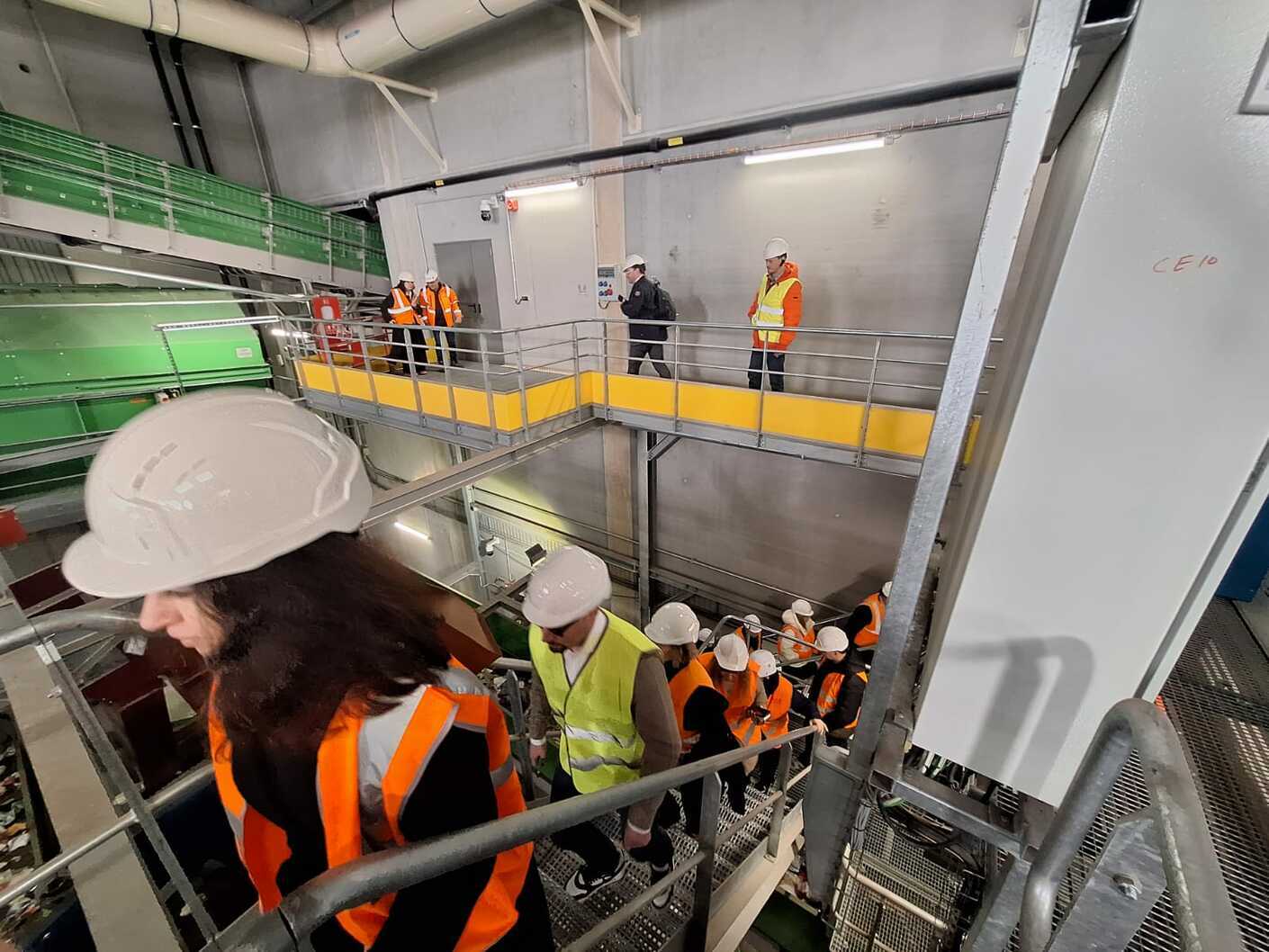
At a waste treatment plant near Reims
Through agglomeration, Lviv may become more attractive to investors
What international experience can help shape the legislative framework for Ukrainian agglomerations?
The key lesson is that the state should allow the creation of inter-municipal associations (such as metropolises and agglomerations) on a voluntary basis, but with clear criteria. Most importantly, these associations should receive additional state funding. This will enable joint transport, waste, and planning problems to be solved effectively. At the same time, the state will save significant administrative and human resources, reduce corruption, and delegate responsibility, thereby lightening its own load. Currently, around half of Ukraine’s population lives within the sphere of influence of cities with over a million inhabitants or within a radius of around 50 km. Ignoring this fact is a mistake. We can either allow further urbanisation to take its course, which would lead to chaotic development, infrastructure strain, and social problems, or we can take a proactive approach and recognise these areas (which cover only around 5 per cent of the country’s territory) as a priority for state policy.
Tell us more about the priorities. What should the state do in this regard over the next 3-5 years?
I would identify four key areas of work. The first is the adoption of a law on inter-municipal associations (agglomerations or metropolises), and the second is providing additional funds for these associations through this law. One option would be to allocate part or all of the reverse subsidy to these needs. The third area of work is reorganising district and regional state administrations into prefectures. By this, I mean prefectures in the European sense, which have significantly less power than the current regional state administrations. They would only supervise the legality of local government decisions, acting through the courts. This reorganisation would significantly reduce budgetary costs, as instead of employing thousands of regional administrators, we would only need hundreds of prefects. The risk of corruption will also be reduced and all processes will be optimised. This is, of course, a task for the post-war period... The fourth area of work is transferring most of the powers of regional state administrations to elected regional councils, together with the relevant resources.
What is the biggest challenge and motivation in your work?
The biggest challenge is the complete lack of regulatory and legal support, which results in a lack of our own resources. All the funds we manage to attract are external aid and grants. What motivates me most is that we are pioneers in this field. I believe that, following the successful decentralisation reform and the creation of capable communities, the next logical step should be to develop mechanisms for horizontal cooperation to promote mutual reinforcement and synergy. We can demonstrate how this works through our own example and, together with state and European partners, develop effective models.
What benefits will Lviv and the smaller communities that make up the Association gain from the existence of a proper agglomeration?
For smaller communities, the advantages are more obvious: they benefit from the so-called ‘gravity effect’, growing stronger when located near a large centre. For these communities, this means access to joint projects, resources and international connections, as well as the ability to solve complex infrastructure problems. Our work is definitely more focused on supporting these weaker communities. Lviv is essentially a self-sufficient city, so the key benefits for it are its international image and investment attractiveness. As a medium-sized European city, Lviv may be less interesting to major global investors such as Apple or General Electric. However, presenting ourselves as a large Lviv metropolis with a population of one million and an area of 2,000 square kilometres will open up new opportunities. Moreover, the core of our agglomeration will not be able to solve the problem of transport congestion without the surrounding communities. A larger territory also allows for more businesses to be localised. This would benefit both Lviv and the surrounding communities. Since such metropolitan areas are poles of growth, the entire country will benefit.
Tags:
30 December 2025
Planting seeds for the future. How volunteers...
Ukraine is at war. It is defending its right to exist and protecting every street, home and community. In this...
29 December 2025
Communities used more than half of state...
Communities have already spent more than 50 per cent of state subsidies for the repair and refurbishment of temporary...
29 December 2025
Ninety-seven per cent of local budgets...
As of 26 December 2025, 97 per cent of local budgets had been approved in Ukraine. This has created the conditions...
26 December 2025
В Україні стартує проєкт «Будинки майбутнього: екологічне модульне житло»
В Україні стартує проєкт «Будинки майбутнього:...
Громадська організація ДЕСПРО долучається до проєкту державно-приватного партнерства «Будинки майбутнього: екологічне...