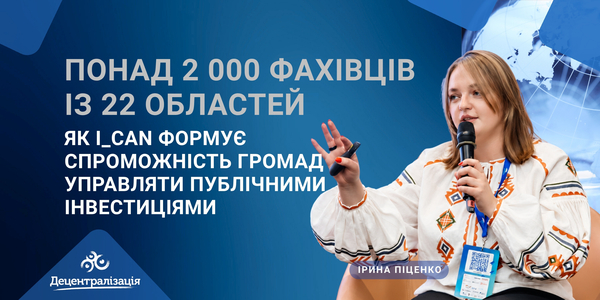
Понад 2 000 фахівців із 22 областей: як I_CAN формує спроможність громад управляти публічними інвестиціями
I_CAN — національна програма, яка допомагає громадам впроваджувати реформу управління публічними інвестиціями. Вона надає практичні інструменти та навички, щоб перетворювати ідеї на якісні інвестиційні проєкти: зі стратегічним обґрунтуванням, готовністю до реалізації, реалістичними бюджетами та зрозумілими показниками результату.
Програму імплементує ГО “КШЕ Інститут” (Kyiv School of Economics) за підтримки Світового банку (через Цільовий фонд підтримки, відновлення, відбудови та реформування України URTF) у координації з Кабінетом Міністрів України та ключовими державними партнерами реформи.
Попередні статті:
- https://decentralization.ua/news/20391
- https://decentralization.ua/news/20451
- https://decentralization.ua/news/20689
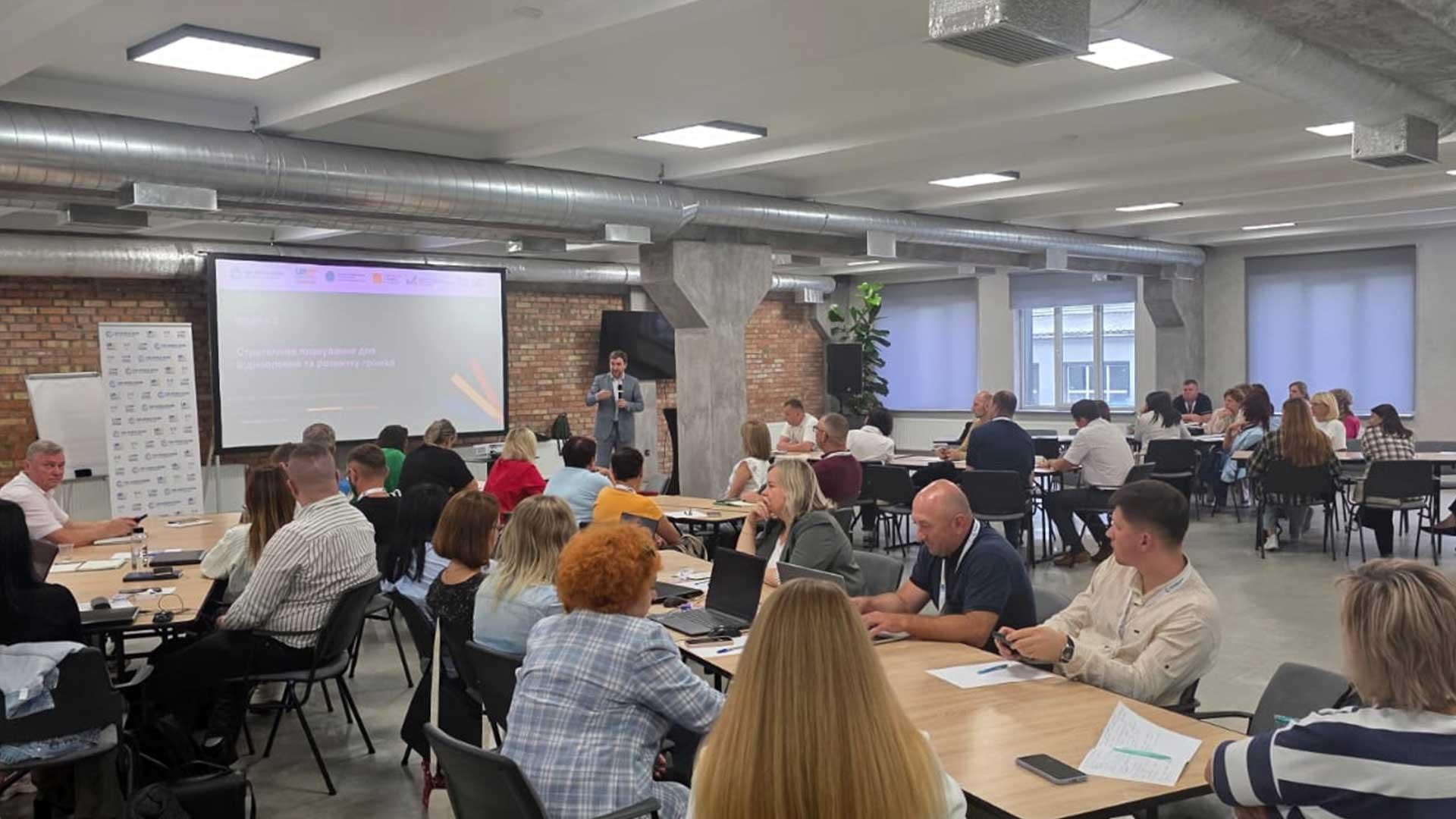
Цього року у червні I_CAN розпочала свою літню сесію — тур містами України, в яких вони навчали фахівців громад та різноманітних установ управляти публічними інвестиціями.
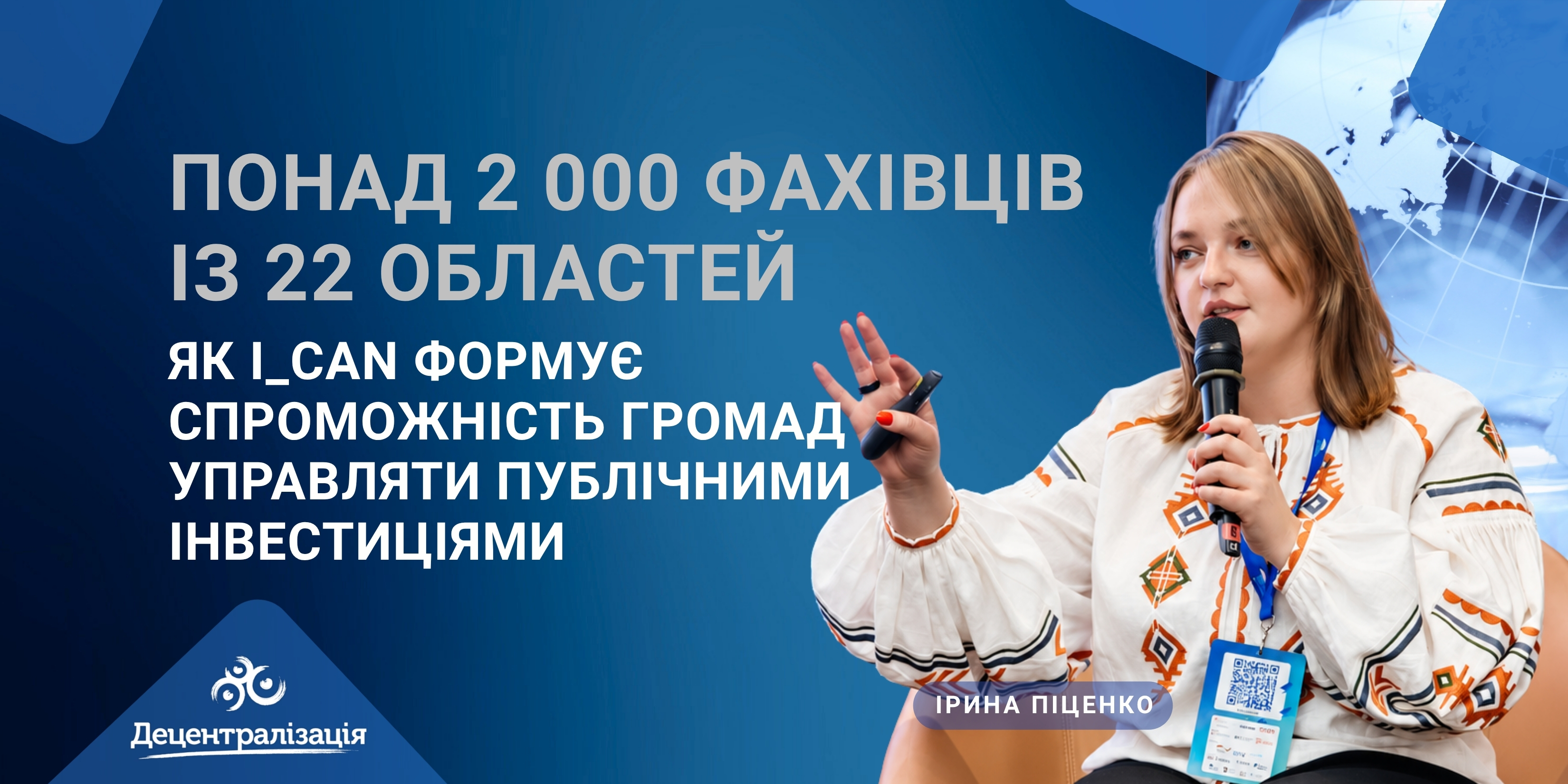
Про підсумки та висновки літньої сесії говоримо з Іриною Піценко — керівницею проєкту I_CAN.
Які результати літньої сесії I_CAN? Чи вдалося вам досягнути намічених цілей?
Літня сесія I_CAN була дуже інтенсивною, і ми можемо сказати, що основних цілей нам вдалося досягти. За час сесії ми суттєво розширили географію програми та продовжили навчання команд громад у регіонах України. Головне — ми спілкувалися із фахівцями на місцях, з тими, хто щодня управляє публічними інвестиціями. Ми розуміємо їхні потреби та спроможності.
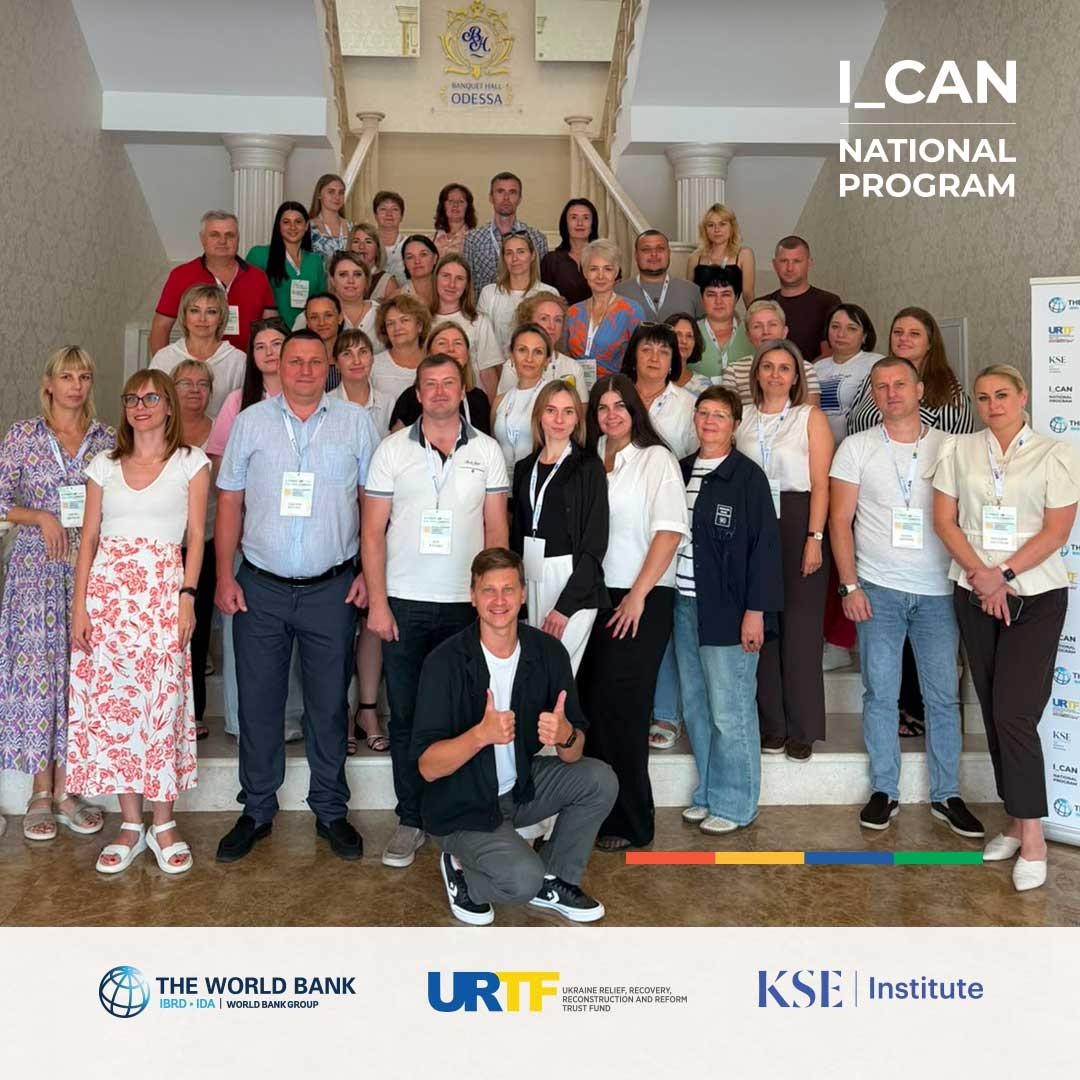
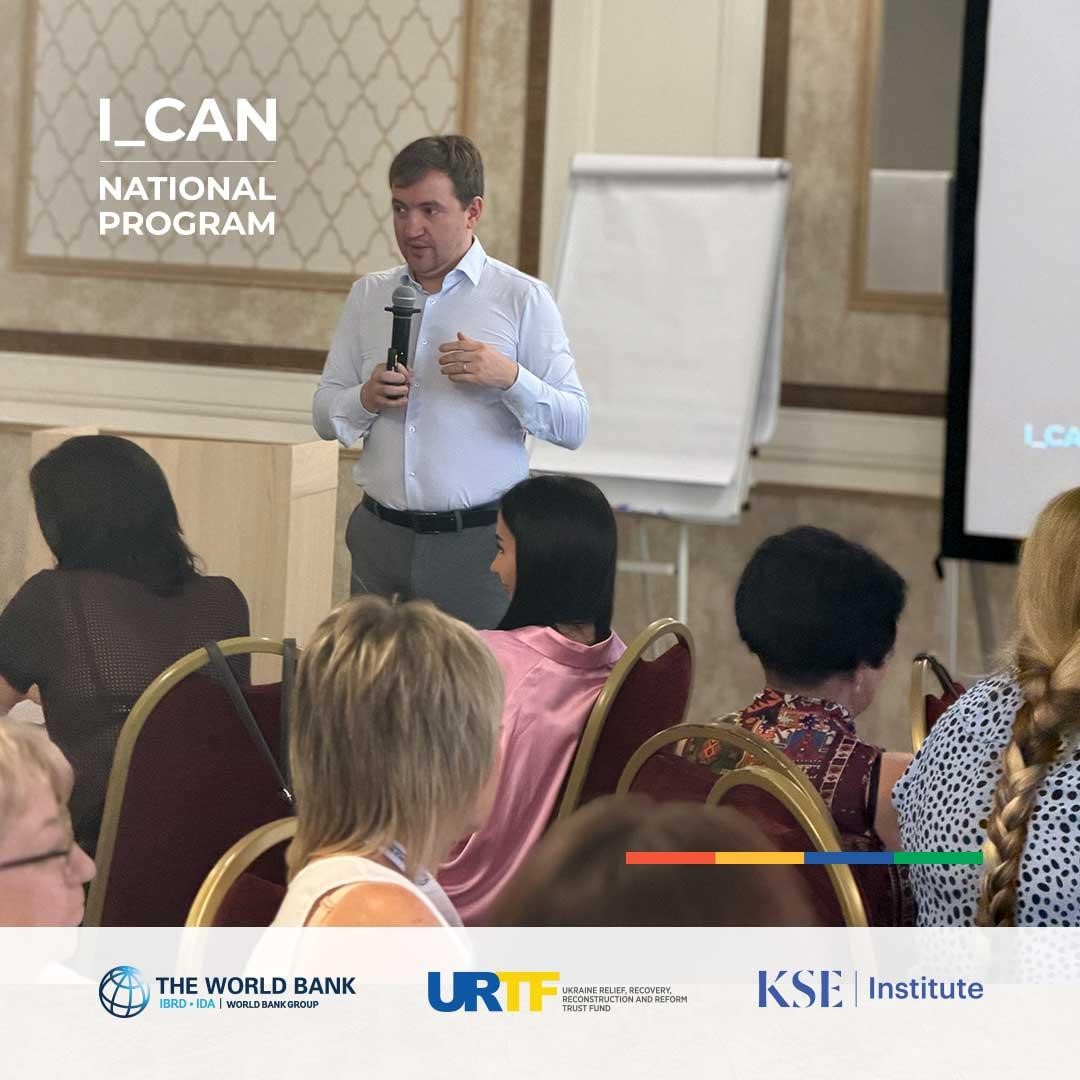
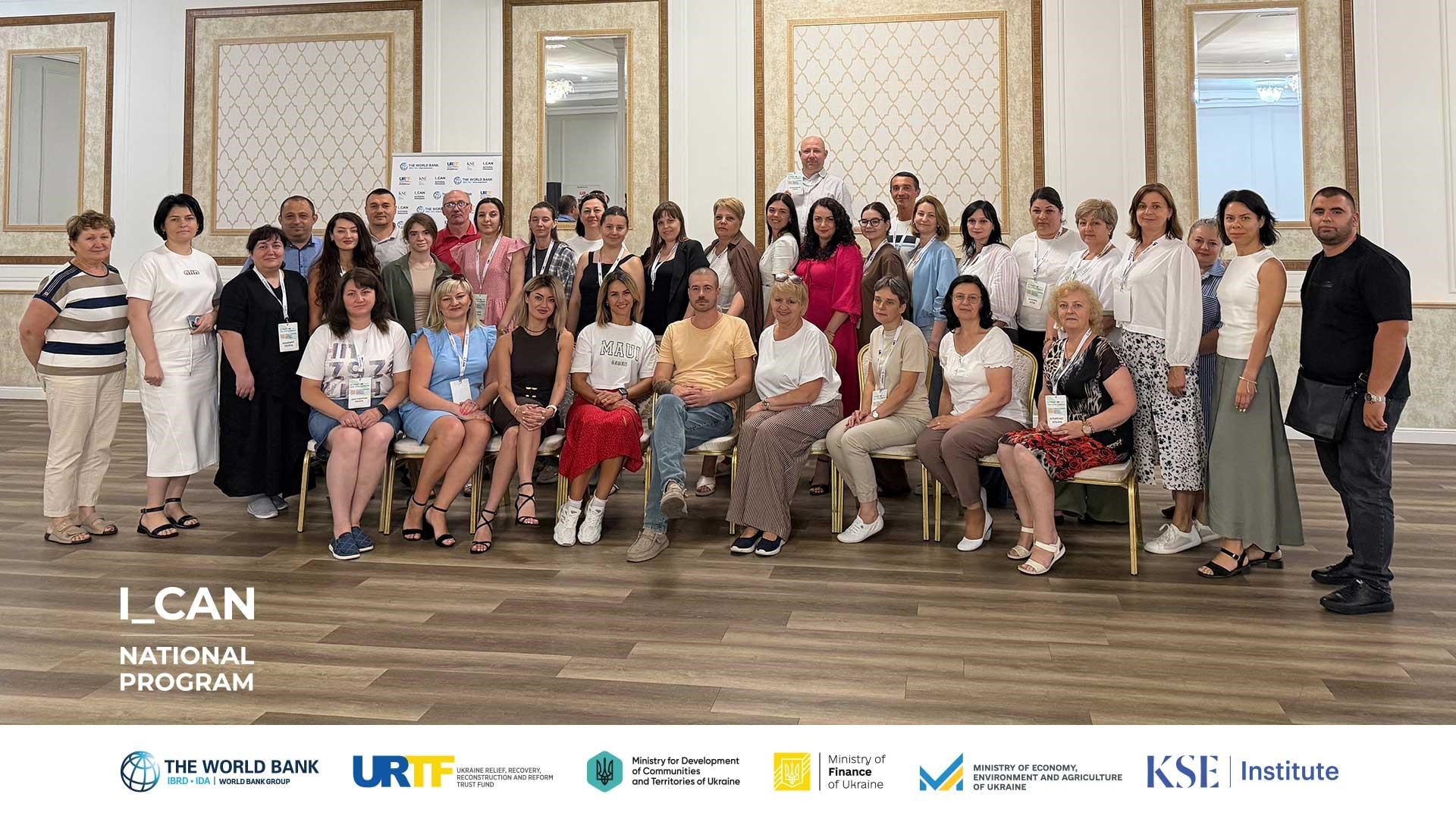
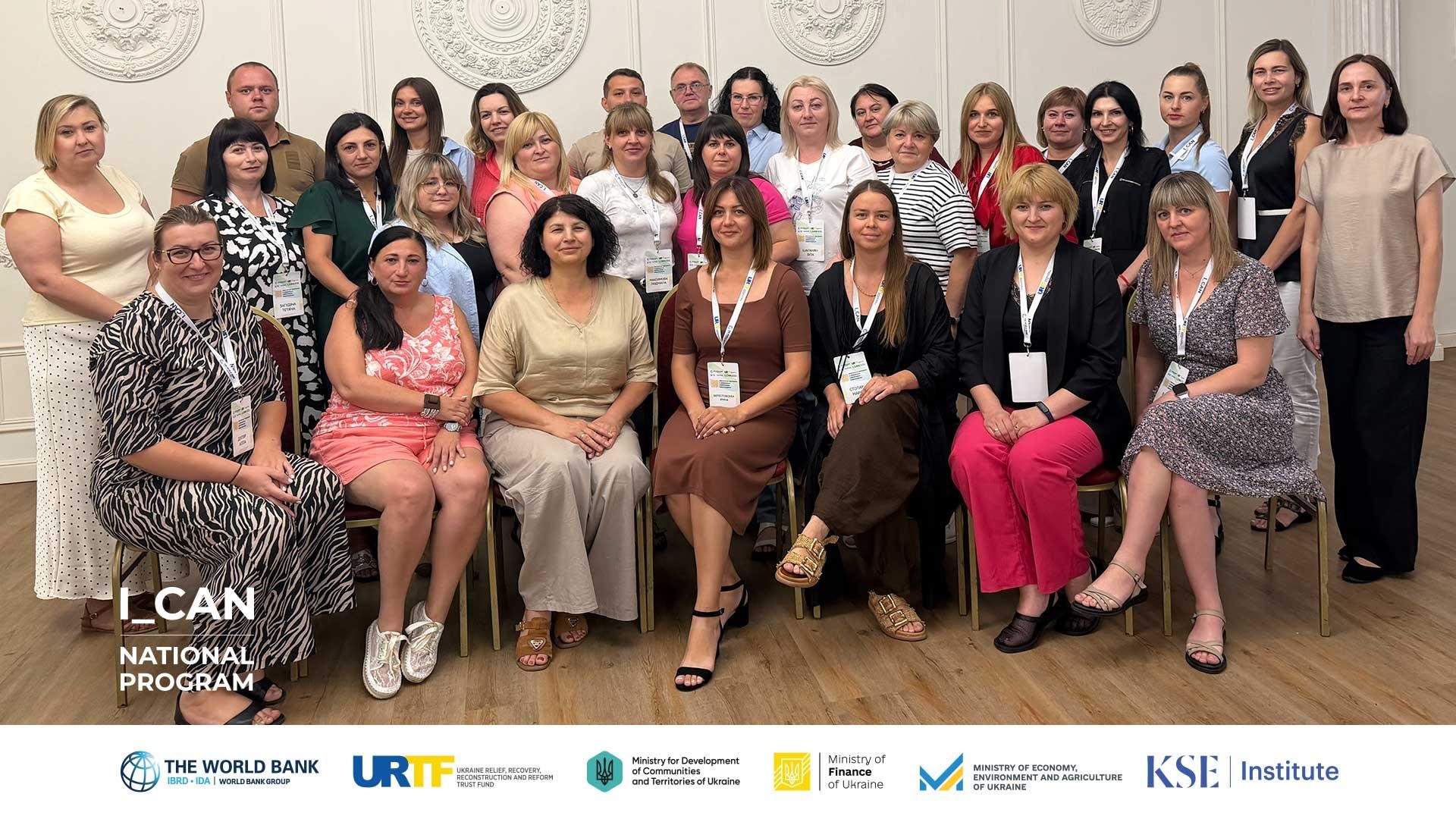
I_CAN за час своєї літньої сесії провів тренінги у Києві, Одесі, Хмельницькому та Тернополі для фахівців із Чернігівської, Сумської, Київської, Донецької, Херсонської, Одеської, Миколаївської, Хмельницької, Тернопільської та інших областей.
Загалом станом на кінець літа очні навчальні формати I_CAN завершив вже 2 151 учасник — це представники громад та інших учасників системи публічних інвестицій із 22 областей. Із них саме за час літньої сесії — 1107 фахівців.
Були різноманітні громади: від сільських — до обласних центрів. Громади дуже різні — за масштабом, досвідом і спроможністю команд. Але запит, який ми бачимо всюди, схожий: фахівцям уже недостатньо знати нормативну базу — їм потрібні практичні навички роботи з публічними інвестиціями.
Але для мене головний результат літа — не цифра сама по собі. Ми побачили, що громади вже включилися в нову систему УПІ, проте рівень спроможності у них дуже різний. Тому наступний етап — як пояснювати правила реформи, так і допомагати фахівцям застосовувати їх у щоденній роботі.
Які нові інструменти посилення фахівців ви запланували після цієї літньої сесії?
Літня сесія I_CAN дала нам дуже важливе розуміння: лише одного навчання недостатньо. Під час тренінгу ми можемо дати фахівцям знання, інструменти, розібрати разом практичні кейси. Але справжня робота починається тоді, коли людина повертається у свою громаду, відкриває конкретний проєкт і має застосувати нові правила на практиці.
Саме в цей момент виникає найбільше запитань: як правильно сформувати проєкт, як обґрунтувати інвестиційне рішення, який механізм фінансування обрати, як застосувати нові нормативні вимоги. І ми побачили дуже чіткий запит громад: їм потрібне не лише навчання, а постійна професійна підтримка.
Тому I_CAN поступово переходить від моделі «провели навчання — завершили роботу» до моделі довгострокової взаємодії з фахівцями. Ми розвиваємо професійну спільноту I_CAN, проводимо тематичні вебінари відповідно до актуальних потреб громад, оперативно розбираємо зміни у нормативній базі та запустили консультаційну лінію I_CAN Helpline (067 701 00 80), де фахівці можуть отримати відповідь на конкретне практичне питання.
Для нас наступний етап — це вже не просто передати знання. Ми хочемо створити середовище, в якому фахівець із публічних інвестицій не залишається сам на сам із реформою після завершення тренінгу. Він має знати, де отримати роз’яснення, із ким обговорити складний кейс, де знайти практичний досвід колег та як швидко адаптувати свою роботу до нових вимог.
Саме так, на нашу думку, буде сформована практична спроможність громад: через постійне застосування знань, професійний обмін та доступ до підтримки тоді, коли вона потрібна.
Чим сильнішою буде спільнота фахівців, тим сильнішим та спроможнішим стане кожен фахівець, і, звісно ж, громада, в якій він працює.
Спільнота I_CAN, яку ви наразі розвиваєте, чим вона живе? Чому вона потрібна фахівцям, які працюють з УПІ?
Для нас Спільнота I_CAN починається з дуже простої речі: ми не хочемо залишати людей сам на сам із реформою УПІ та їхніми проєктами після завершення навчання.
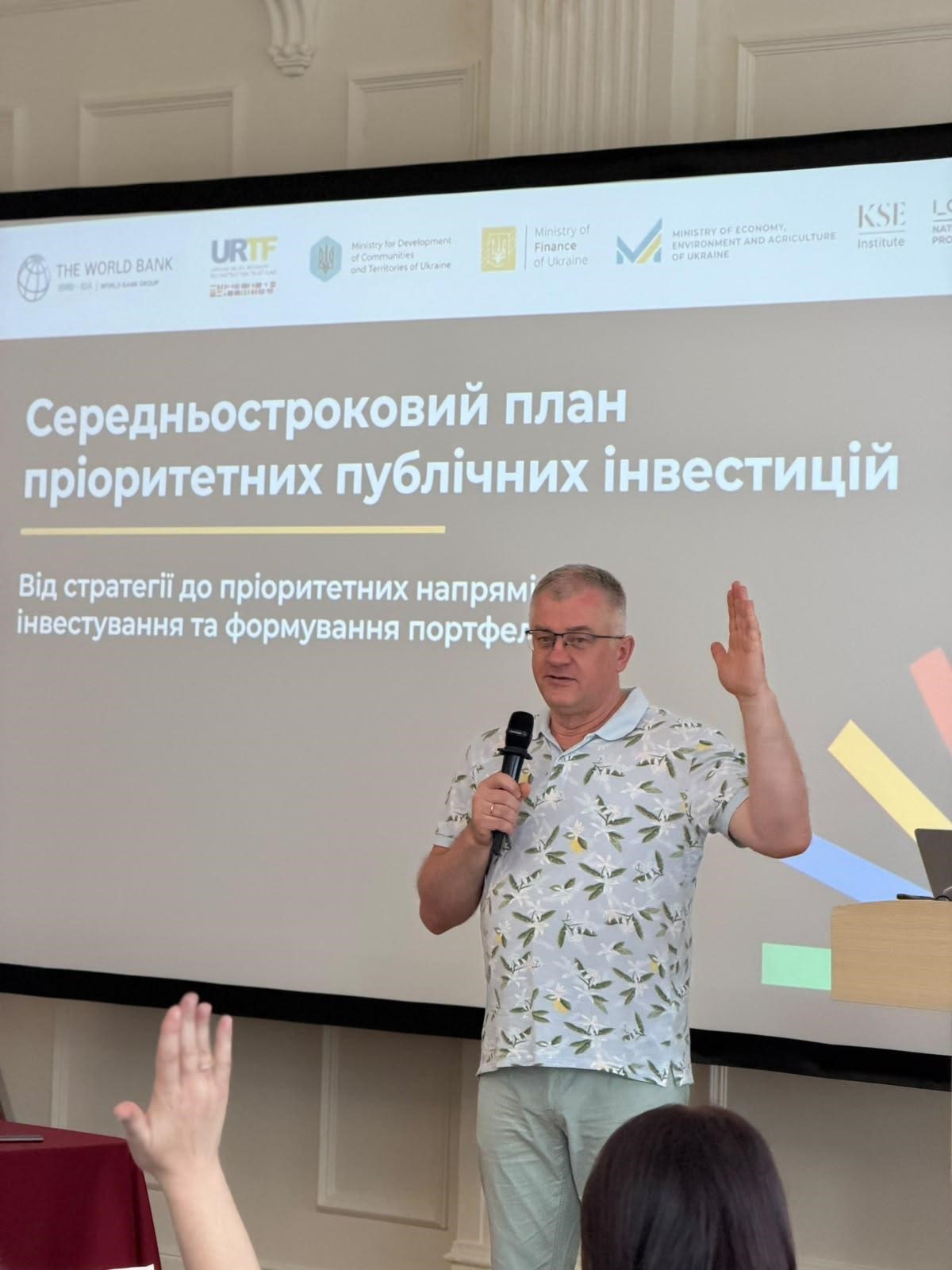
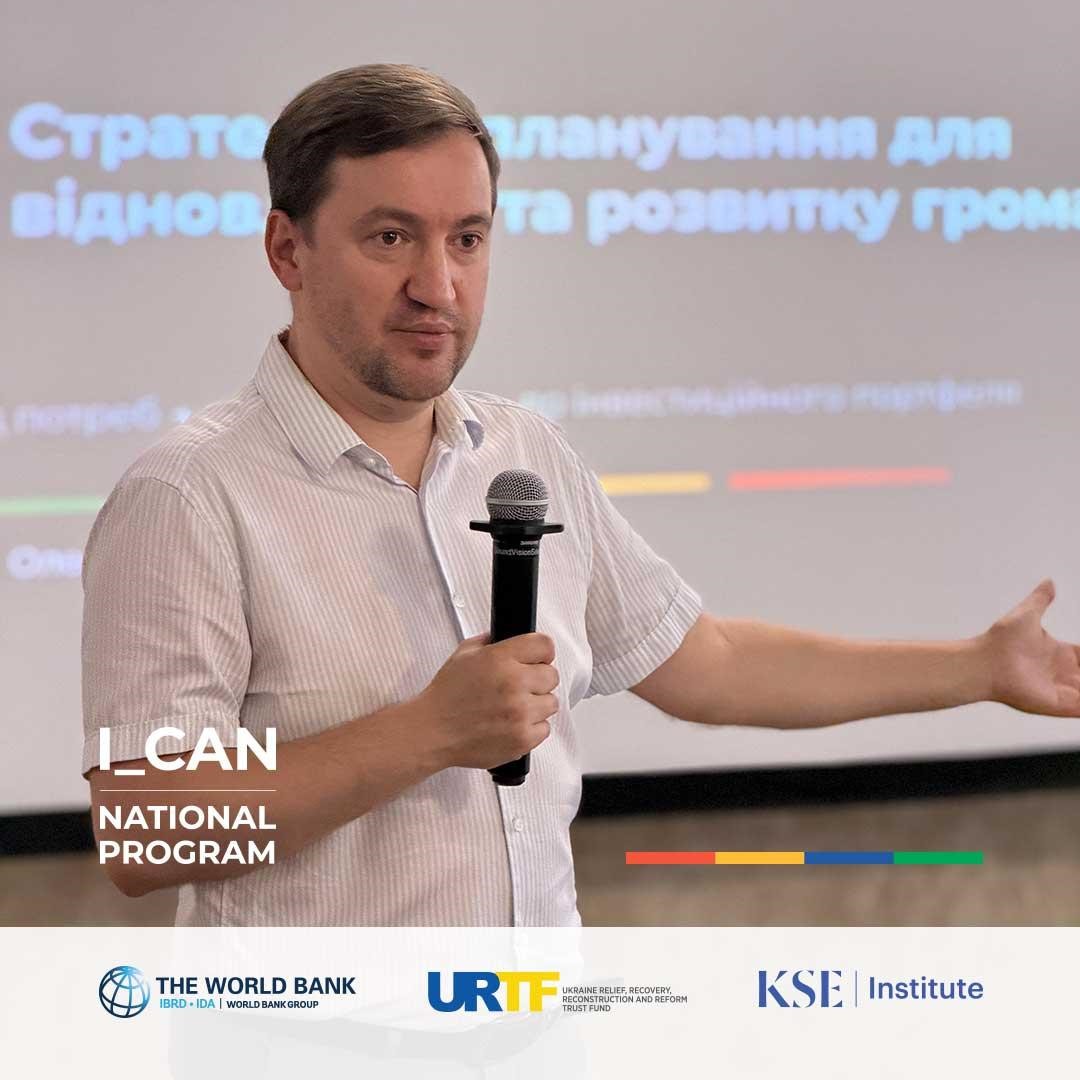
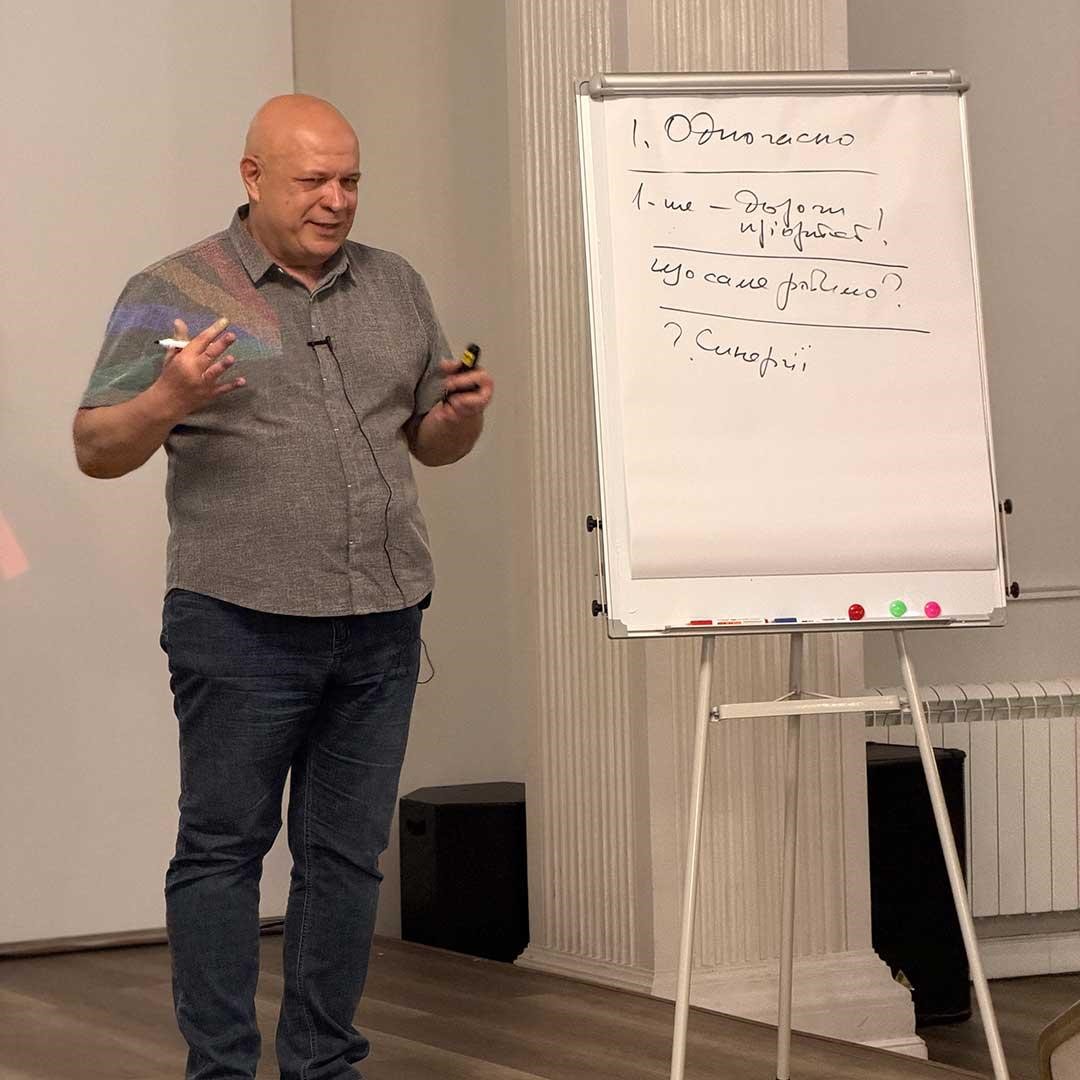
Під час тренінгів ми проводимо з учасниками кілька інтенсивних днів: разом розбираємо нову систему управління публічними інвестиціями, працюємо з інструментами, кейсами, обговорюємо конкретні ситуації громад. Але потім люди повертаються до своєї щоденної роботи — до стратегій, портфелів, проєктів, бюджетів. І саме там з’являються нові, вже дуже практичні актуальні запитання. Тому для нас важливо, щоб завершення тренінгу не означало завершення взаємодії з I_CAN.
Саме для цього ми розвиваємо Спільноту I_CAN. Ми хочемо продовжувати говорити з нашими учасниками, знати, з якими труднощами вони стикаються, і створювати для них різноманітні формати підтримки залежно від того, що їм потрібно саме зараз. Це тематичні вебінари та зустрічі, розбір практичних питань, роз’яснення нових нормативних вимог, консультації через I_CAN Helpline, практичні матеріали та інші формати, які ми будемо розвивати разом із самою Спільнотою.
І є ще одна важлива складова — обмін досвідом між громадами. За час навчань через I_CAN проходять фахівці з різних регіонів, великих міст і невеликих громад. Вони працюють у межах однієї реформи, часто стикаються зі схожими проблемами, але знаходять різні рішення. Ми хочемо створити простір, де цей досвід не залишається всередині однієї громади, а може бути корисним іншим.
Тому Спільнота I_CAN для нас — це фактично продовження навчання після навчання. Ми хочемо залишатися поруч із фахівцями, коли знання переходять у практику: допомагати розбирати складні питання, створювати нові формати взаємодії, з’єднувати фахівців між собою та давати можливість вчитися не лише у наших експертів, а й один в одного.
Мені здається, саме так і буде сформована фахова спільнота: не навколо чату чи переліку заходів, а навколо постійної взаємодії та відчуття, що після тренінгу фахівець не залишеться зі своїми питаннями сам-один.
Напередодні нашої літньої сесії ми сформували головну мету: не лише навчити певну кількість фахівців, а створити основу, підґрунтя для спроможної мережі фахівців, які працюють у своїх громадах із публічними інвестиціями. І саме цей результат команда I_CAN буде масштабовувати восени.
Ми знаємо потреби фахівців, ті питання, які виникають у їхній практиці. Бо теорія і знання законодавства — це не навички. Практика потребує саме практичних інструментів — термінову відповідь на актуальні запитання, роз’яснення законодавчих та нормативних нововведень.
Будемо систематизувати потреби фахівців й готувати для них системні рішення. Для прикладу, днями провели вебінар для всіх фахівців УПІ на тему «Фінансування публічних інвестиційних проєктів: як працює каскадний принцип». Одне з питань, з якими саме зараз стикаються громади — як правильно обрати механізм фінансування ПІП? Адже навіть один проєкт може отримати кілька можливих механізмів фінансування.
Які плани у I_CAN на осінь?
Восени ми продовжуємо очну навчальну програму I_CAN. Наступний етап — тренінги у західних регіонах України, де ми продовжимо працювати напряму з командами громад та іншими фахівцями, залученими до УПІ.
Паралельно продовжуватимемо серію тематичних вебінарів. Тут ми хочемо бути максимально практичними й реагувати на те, що відбувається в реформі саме зараз: нові нормативні вимоги, інструменти та питання, з якими громади стикаються у своїй щоденній роботі.
Ще один важливий напрям, над яким ми зараз працюємо, — онлайн-компонент навчальної програми I_CAN. Очні тренінги дають можливість глибоко працювати з командами та практичними кейсами, але мають природне обмеження за масштабом. Онлайн-формат має стати наступним етапом поширення знань I_CAN і зробити навчальні матеріали доступними для значно більшої кількості фахівців по всій Україні, незалежно від регіону.
І, звичайно, будемо продовжувати розвивати Спільноту I_CAN. Водночас тут ми залишаємося гнучкими. Попереду ще одна складна зима, тому формати взаємодії значною мірою залежатимуть від безпекової та енергетичної ситуації. Для нас важливо і виконати запланований календар активностей, і залишатися на зв’язку з громадами, і пропонувати ті формати підтримки, які будуть для них доступними та корисними.
Тож восени ми працюємо одразу на кількох рівнях: продовжуємо очне навчання, підтримуємо фахівців через вебінари та Спільноту і, водночас, готуємо наступний крок — масштабування знань I_CAN через онлайн-навчання на всю Україну.
Ми стартуємо осінньо-зимову сесію I_CAN. Почали з Івано-Франківська. Будемо ретельно готувати наші трененінги, враховуючи актуальні потреби громад. І з особливою увагою до загроз та захисту. Поміж сесіями ми активізували участь у різноманітних проєктах. Взяли участь у проєкті Living Lab Офісу Конгресу місцевих та регіональних влад при Президентові України, у 5-денному тренінгу для тренерів з управління публічними інвестиціями Вищої школи публічного управління, у Львівському Форумі «Фінансова стійкість громад». Нам є про що розказати та чим поділитися, завдяки тим фахівцям, яких ми навчаємо управляти публічними інвеситціями. Їхній досвід — наша мотивація та розвиток.
Attached images:
Tags:
study spromozhnist amalgamation of hromadas investments
Source:
Портал "Децентралізація"
02 October 2026
MinRehion aims to develop Bridges of Trust...
MinRehion plans to transform international partnerships of Ukrainian communities into Bridges of Trust, which will...
02 October 2026
Каталоги можливостей жовтня: розвиток громад та місцевого бізнесу
Каталоги можливостей жовтня: розвиток громад та...
Розвиток та відновлення громад потребує значних ресурсів для впровадження необхідних змін. Саме тому...
02 October 2026
MinRehions prepares “Single Route for IDPs” from evacuation to community adaptation
MinRehions prepares “Single Route for IDPs”...
MinRehion is working on the “Single Route for IDPs” concept, which aims to integrate evacuation, temporary...
02 October 2026
Як працює Європейське об'єднання територіальної співпраці
Як працює Європейське об'єднання територіальної...
Європейське об'єднання територіального співробітництва (ЄОТС) – це європейський правовий інструмент, розроблений для...