Export brand power: How Ukrainian products can help communities promote themselves around the world
The world knows Ukraine. Today, this is largely due to the war, the struggle for independence, and events that remain at the centre of international attention. However, what will the world know about Ukraine apart from the war? Which Ukrainian cities, products, and cultural traditions will be familiar to people in different countries in ten or twenty years’ time?
This question concerns the country’s international reputation and the future of Ukrainian communities. In the context of the war, opportunities to promote the country are limited; therefore, the potential of Ukrainian manufacturers, whose products are already available abroad, deserves special attention.
We know Japan through Toyota, Sweden through IKEA, and Ireland through Guinness. These brands have become part of their countries’ international reputations. Through them, associations are formed with technology, design, traditions, and manufacturing quality.
Ukraine also has dozens of brands whose names are linked to specific cities and regions. Some of them are well known domestically, whereas others are present on international markets. For communities, this presents an opportunity to spread information about their territory through products that already have their own customers.
When a product is known better than the city
In regional branding, the concept of “export brands” exists. In this context, this refers to products that can spread information about their place of origin thanks to their presence in foreign markets. Sometimes, a product becomes better known than the city with which its name is associated.
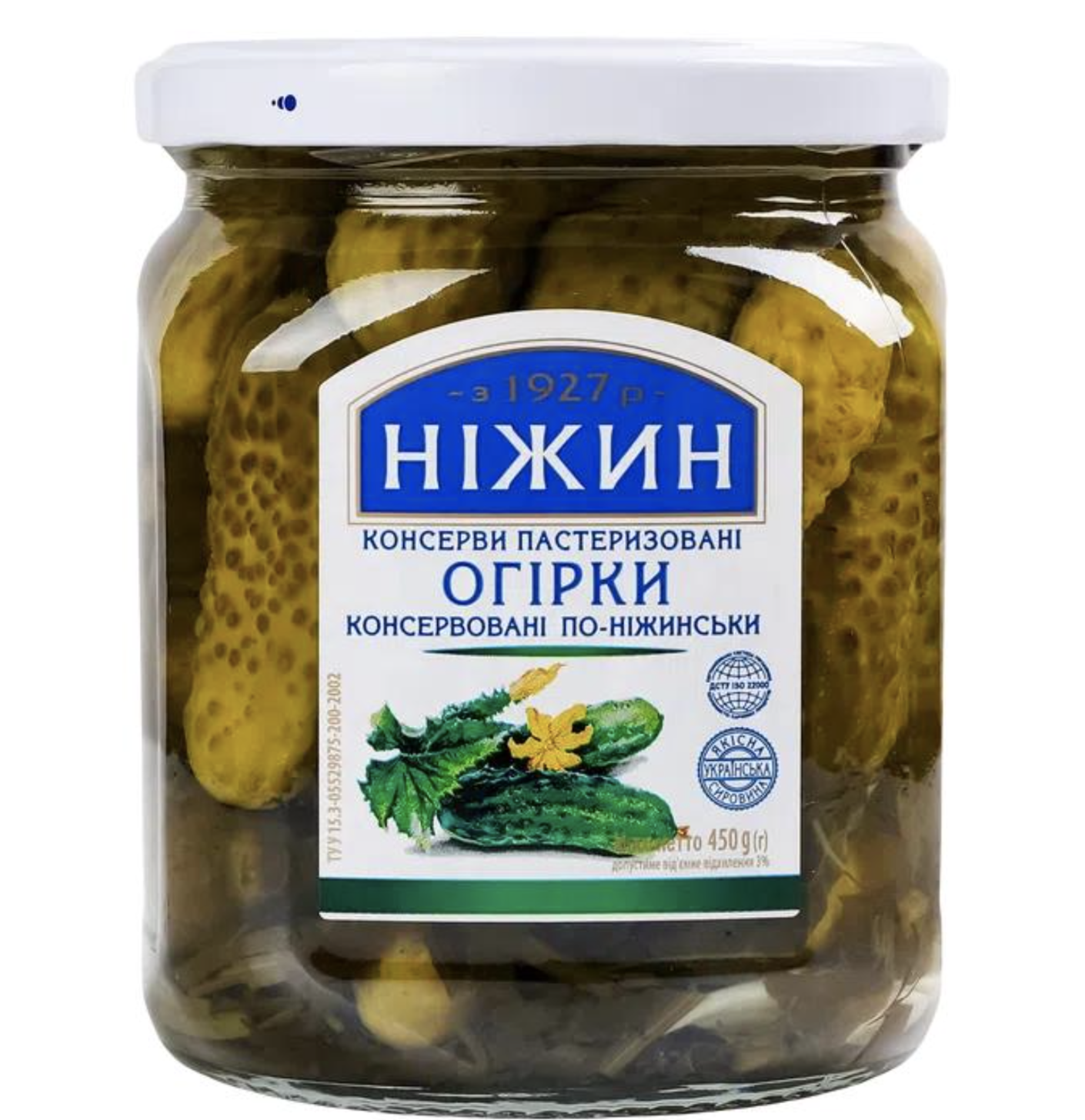
One such example is “Nizhyn”.
In November 2026, a Ukrainian manufacturer of tinned vegetables entered the Japanese market. The brand’s products are also available in other countries around the world. For the company, this is an opportunity to grow its sales, and for the city, a chance to introduce itself to a new audience.
The name “Nizhyn” appears on the packaging of a product purchased abroad. Behind it lies the history of a Ukrainian city and production traditions that have been shaped over decades. But does the foreign buyer know where Nizhyn is located and what makes it interesting?
A similar situation can be observed in Morshyn. Thanks to “Morshynska” mineral water, the name of this city in Lviv region is well known to Ukrainians. For the community, this recognition can serve as a basis for communicating the territory’s natural features, the local economy, and opportunities for visitors.
Another example is Myrhorod, whose name is firmly associated with mineral water. The product helps to maintain the city's name recognition amongst consumers.
In each of these cases, the community has the opportunity to build on the associations that have already formed around its name. To do this, it is important to investigate what people know about the territory itself and how this knowledge can be expanded.
Photo 1. “Nizhyn” products
Products that tell the stories of communities
Products whose origins are linked to local history, natural conditions, and production traditions are of special value for regional branding.
Salt is one such product in Drohobych.
The Drohobych salt works is one of the oldest operating salt production facilities in Ukraine. The history of salt extraction is closely linked to the development of the city, its economy, and the formation of its local identity.
This story in particular formed the basis for the development of the Drohobych brand “It’s All about the Salt!”. New products, souvenirs, tours, cultural initiatives, and ways of telling the city’s story began to emerge around the theme of salt.
Drohobych salt holds special value for the city’s regional positioning, as its origin is directly linked to the place of production. In this case, the product’s history helps to explain the history of the city itself.
This approach can also be used by other communities that have recognisable local products.
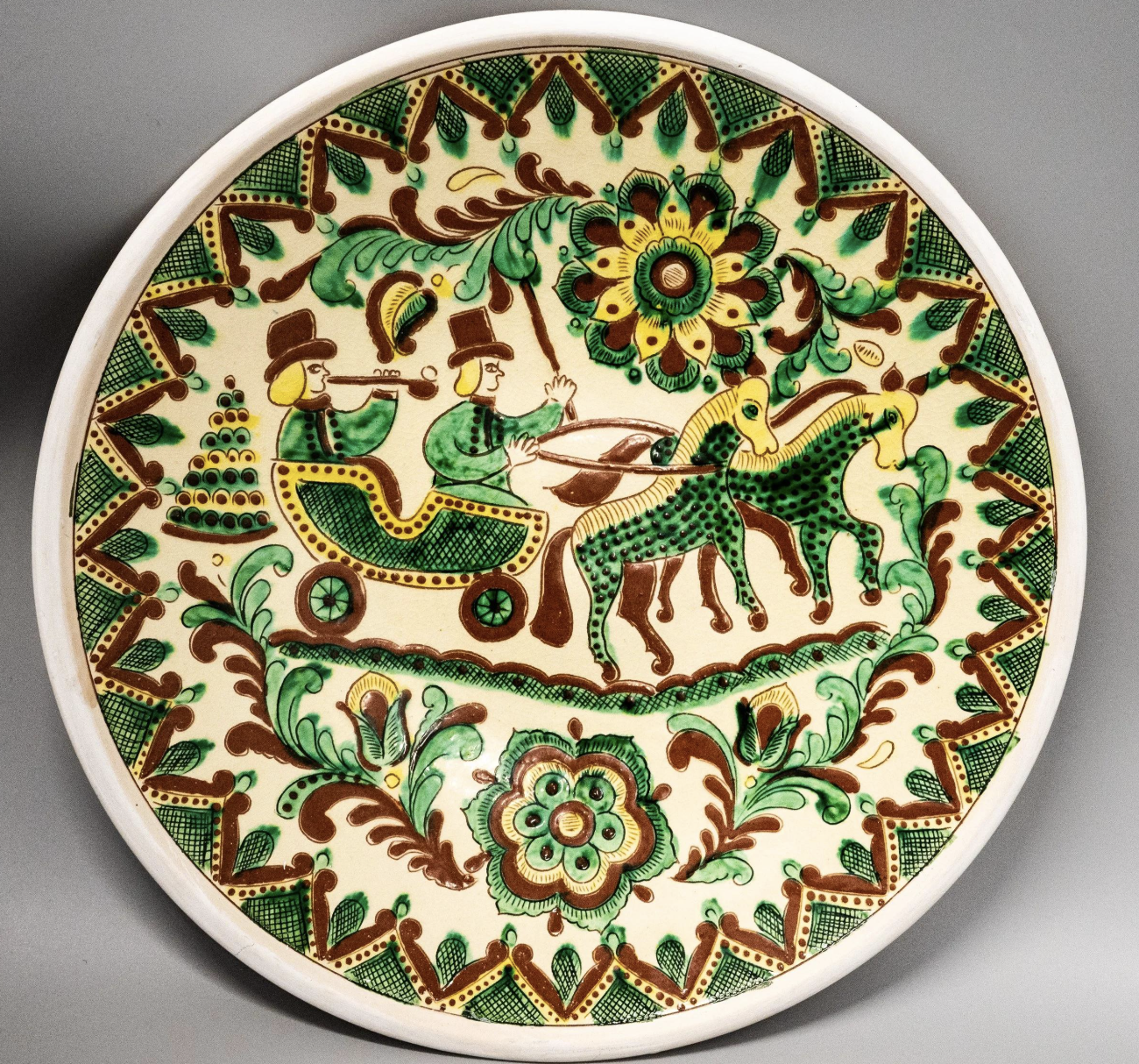
For example, Kosiv’s painted ceramics were inscribed on UNESCO’s Representative List of the Intangible Cultural Heritage of Humanity in 2019. International recognition of this tradition creates additional opportunities for Kosiv and the surrounding communities. Workshops, exhibitions, educational programmes, and cultural partnerships can help spread information about the region to new audiences.
Krolevets towels also have close ties to their place of origin. The tradition of open-weave weaving and the distinctive ornamentation give the local craft its recognisable character. For the community, this presents an opportunity to work with producers, craftspeople, and cultural institutions to develop contemporary products rooted in tradition.
Each of these territories has its own history and a product that can help to promote its name.
Photo 2. Drohobych salt, against the backdrop of a saltworks or the salt-making process
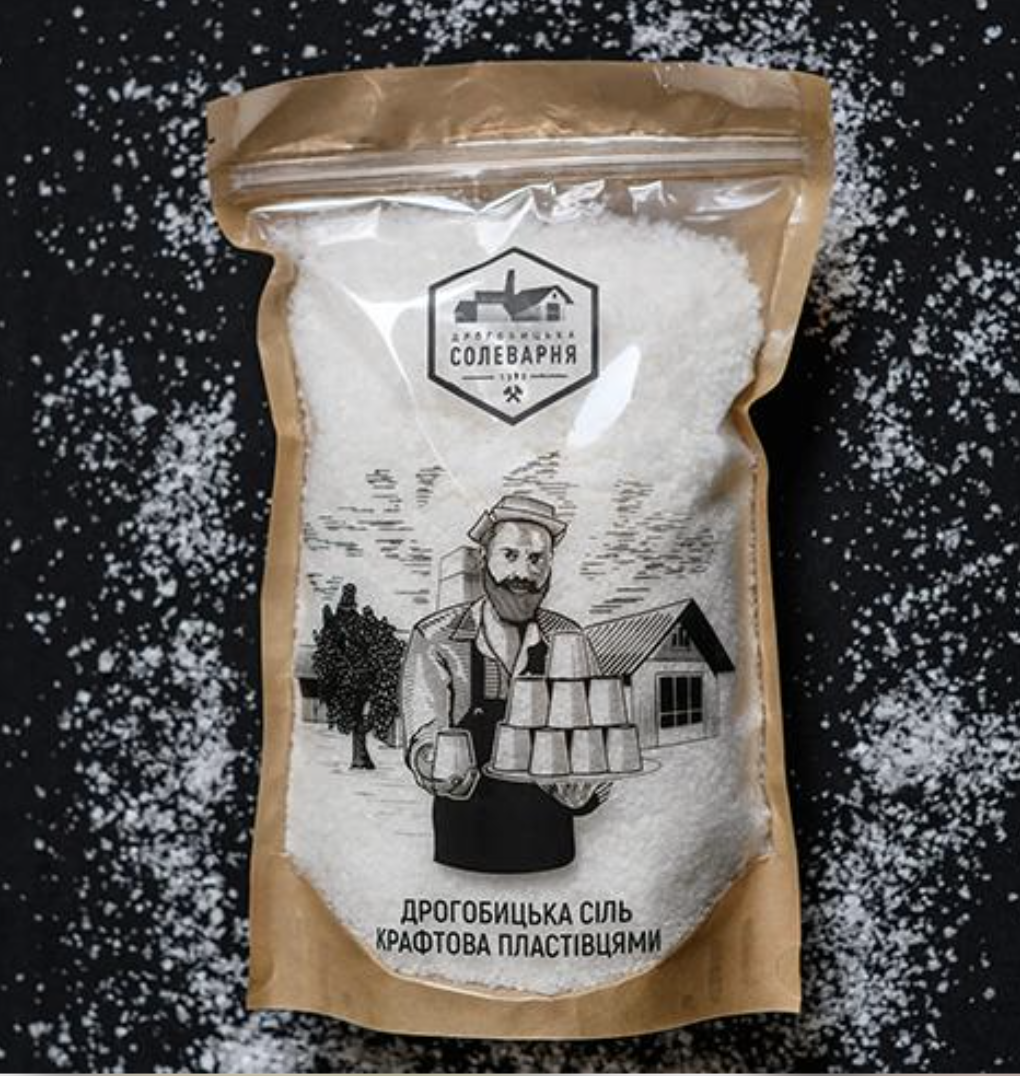
Photo 3. Kosiv ceramics – an example of a product linked to local tradition
How communities can work with local brands
Start by researching local producers. Many communities are home to businesses whose products are sold in other regions of Ukraine or abroad. However, they may not be making the most of their potential to promote the local territory.
The first practical step could be to compile a list of such businesses. It is important to find out what goods they produce, where they are sold, who the customers are, and to what extent the product’s name or history is linked to the community.
The next step is to engage with business owners. For a successful partnership, it is important to understand the challenges the business faces and how information about the place of origin can help it in its dealings with customers.
For example, a food producer might be interested in highlighting local traditions that emphasise the uniqueness of its products. A company manufacturing technological equipment might find it useful to have material on local engineering expertise or the history of industrial development.
Once this has been done, the community and the producer can jointly identify specific tools for collaboration.
The history of the product’s origins. Prepare a brief description of the community that the company can use on its website, in catalogues, presentations or communications with partners. Materials adapted for international markets will be particularly useful.
Joint photos and videos. Talk about production, local traditions, the people, and the history of the territory. The company can use such materials to promote its products, whereas the community can use them for its own communications.
Local products in community presentations. Use producers’ stories during meetings with potential investors, partner cities, international organisationsx, and journalists. Successful businesses help to promote the territory’s economic potential.
Joint events and projects. Involve producers in local exhibitions, educational programmes, cultural events, and presentations. This helps residents gain a better understanding of the local economy and fosters a connection between the product and the community.
New products based on local identity. Work with entrepreneurs to create products that use local stories, traditions, materials, or symbols. This approach can help develop new areas of small business.
To get this work started, simply identify a few promising producers, hold meetings, and agree on joint actions. The initial results will help you understand which tools work best.
Why businesses should collaborate with the community
A successful partnership needs mutual interest. For a business, its origins can serve as an additional selling point when communicating with customers and partners.
This is particularly true for products whose value is linked to local traditions, natural conditions, or production history.
The community can help the producer prepare materials, uncover interesting stories, establish cooperation with local cultural institutions, and present the product in a broader context.
To achieve this, it is important to understand the needs of the business. The business needs to see the practical benefits of the collaboration, and the community needs to see specific opportunities for its own development.
This approach enables the formation of long-term partnerships in which each party has a stake in the outcome.
Systematic work with export brands
The international presence of Ukrainian manufacturers creates additional opportunities to promote the country. These should be taken into account when working with international partners, during economic missions, exhibitions, and presentations about Ukraine.
One practical solution could be to compile a list of Ukrainian brands that have international recognition and the potential to spread information about their cities and regions.
Communities would benefit from methodological support on how to collaborate with such manufacturers. In particular, this would cover how to research local brands, identify common interests with businesses, create communication materials, and evaluate results.
The reputation of a community begins with what it creates
Ukrainian communities are home to businesses and products that already have an established reputation. Some of them are well known in Ukraine, while others are gradually entering international markets. Their success can create new opportunities for the development of these territories.
To achieve this, communities should examine their own economies more closely, work with local producers and find ways to highlight the origin of their products.
During the war, this work is important for the international reputation of Ukraine as a whole. Every Ukrainian product that enters a foreign market can serve as an opportunity to introduce foreigners to the country, its cities, culture, and people.
Ukraine should systematically use the potential of its export brands, and communities should learn to see the successes of local producers as opportunities to position themselves.
The reputation of a territory is shaped by what its residents create, produce, and offer to others. The more people know about the stories behind Ukrainian products and their places of origin, the broader the perception of Ukraine will be.
The column reflects the opinion of its author only. The author is responsible for ensuring the accuracy of the information. The views expressed in the column may not coincide with those of the editorial staff of the Decentralisation Portal.

26 November 2026
Досвід французьких громад — для українських...
Французькі муніципальні фахівці можуть долучитися до підготовки українських проєктних менеджерів, які допомагатимуть...
26 November 2026
Як громадські організації можуть підсилити муніципалітети у проєктах Interreg
Як громадські організації можуть підсилити...
Фонд Східна Європа та організація Cities4Cities запрошують вас 8 грудня долучитися до презентації звіту "Участь ОГС в...
26 November 2026
«Ідея крутилася в голові років десять»: як у...
У Лепетисі вже є дванадцятеро навчених добровольців, захисне спорядження й офіційно зареєстрована добровільна пожежна...
26 November 2026
DECIDE and Ministry of Education and Science...
On 20 November, Lviv hosted the Forum “Reform of Specialised Senior Schools: Opportunities and Challenges for...