Over 2,000 experts from 22 regions: How I_CAN builds communities’ capacity to manage public investment
I_CAN is a national programme that helps communities implement public investment management reform. It provides practical tools and skills to turn ideas into high-quality investment projects: with strategic justification, readiness for implementation, realistic budgets, and clear performance indicators.
The programme is implemented by the NGO “Kyiv School of Economics (KSE)” with the support of the World Bank (through the Ukraine Recovery, Transformation and Reform Trust Fund, URTF) in coordination with the Cabinet of Ministers of Ukraine and key government partners in the reform.
Previous articles:
- https://decentralization.ua/news/20391
- https://decentralization.ua/en/news/20451
- https://decentralization.ua/news/20689
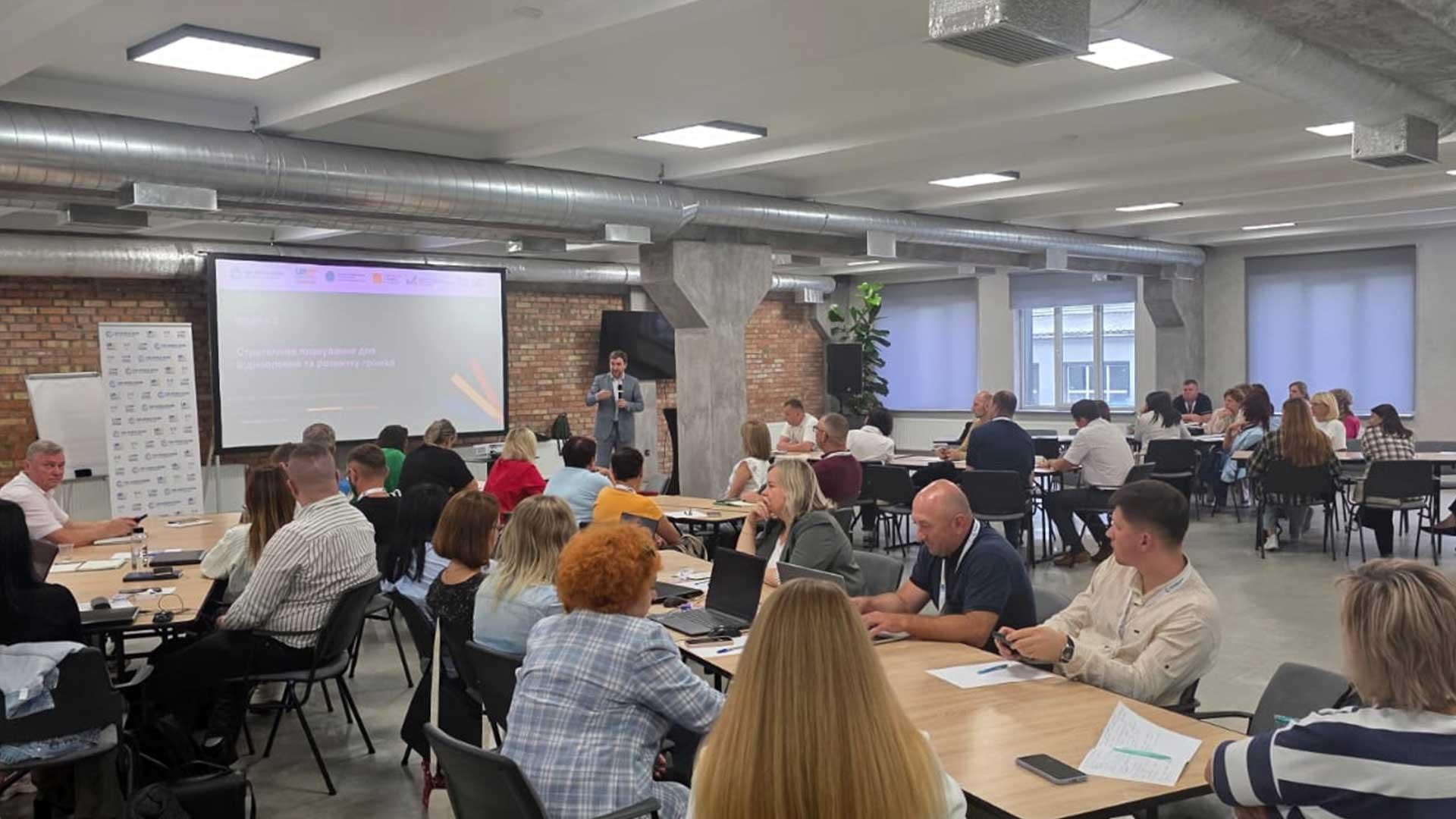
In June 2026, I_CAN launched its summer session – a tour of cities across Ukraine, during which they trained community specialists and staff from different organisations in public investment management.
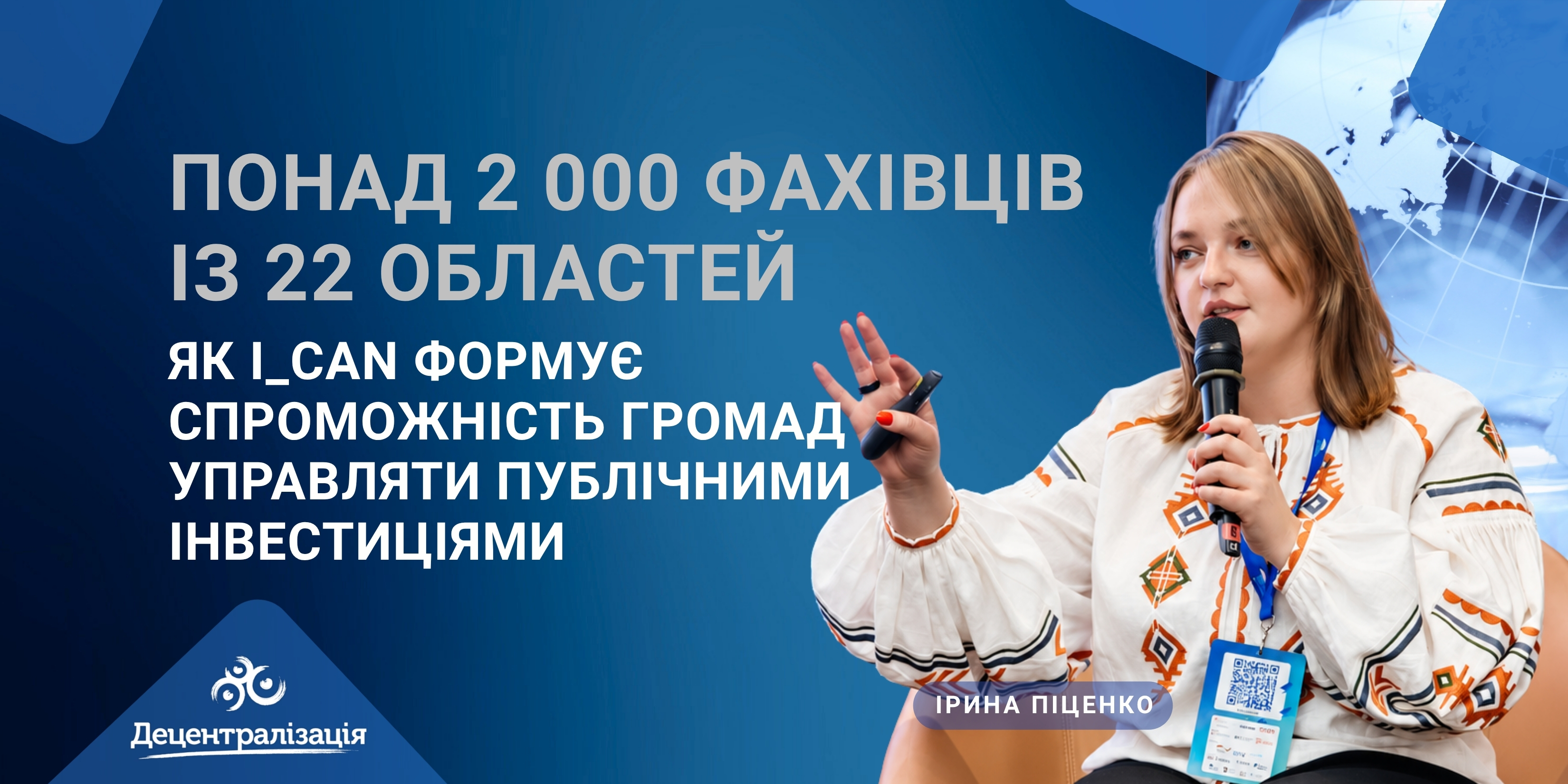
Iryna Pitsenko, I_CAN Project Manager, shares her reflections and conclusions on the summer session.
What are the results of the I_CAN summer session? Did you manage to achieve your set goals?
The I_CAN summer session was very intensive, and we can say that we managed to achieve our main goals. During the session, we significantly expanded the programme’s geographical reach and continued training community teams across Ukraine’s regions. Most importantly, we engaged with local experts – those who manage public investments every day. We understand their needs and capabilities.
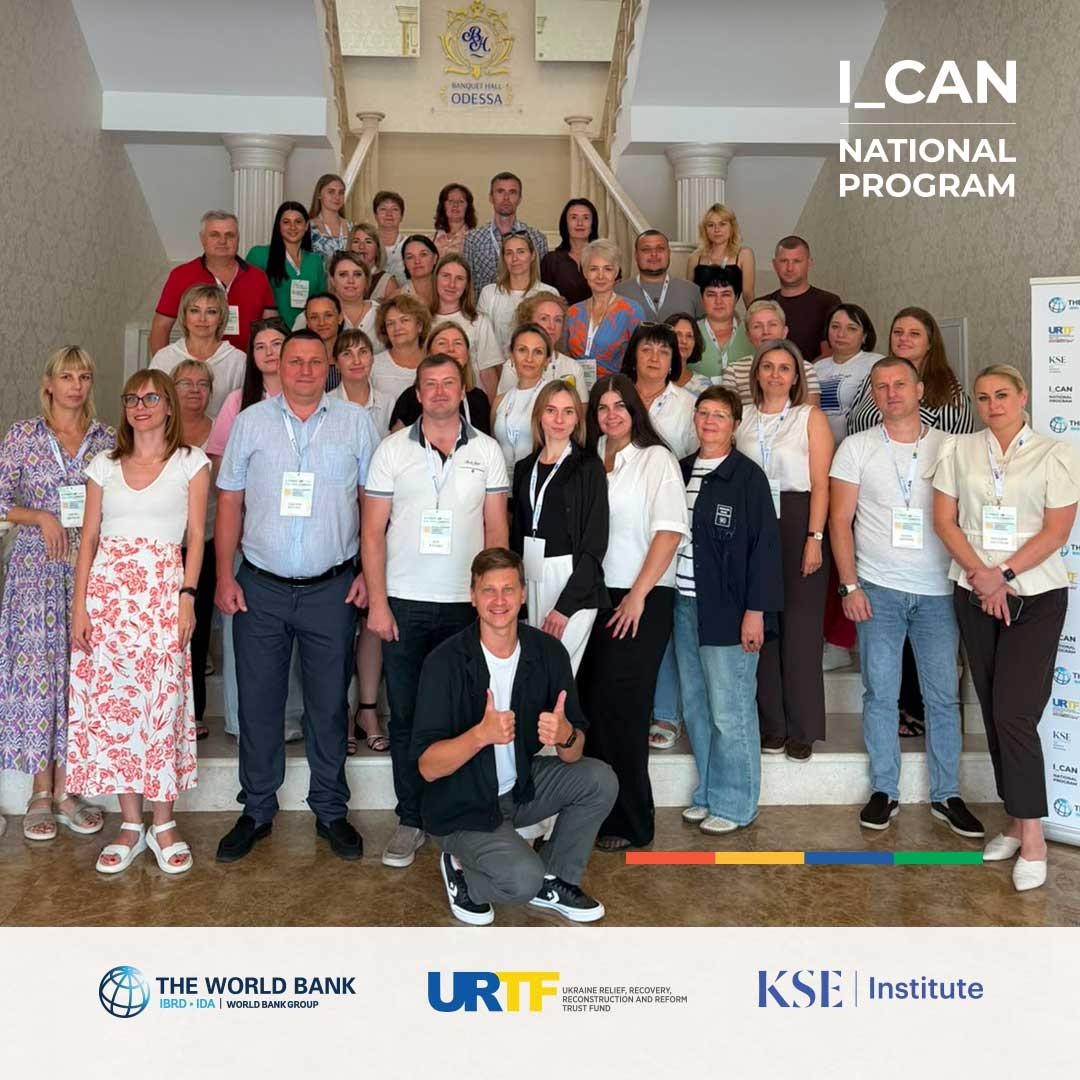
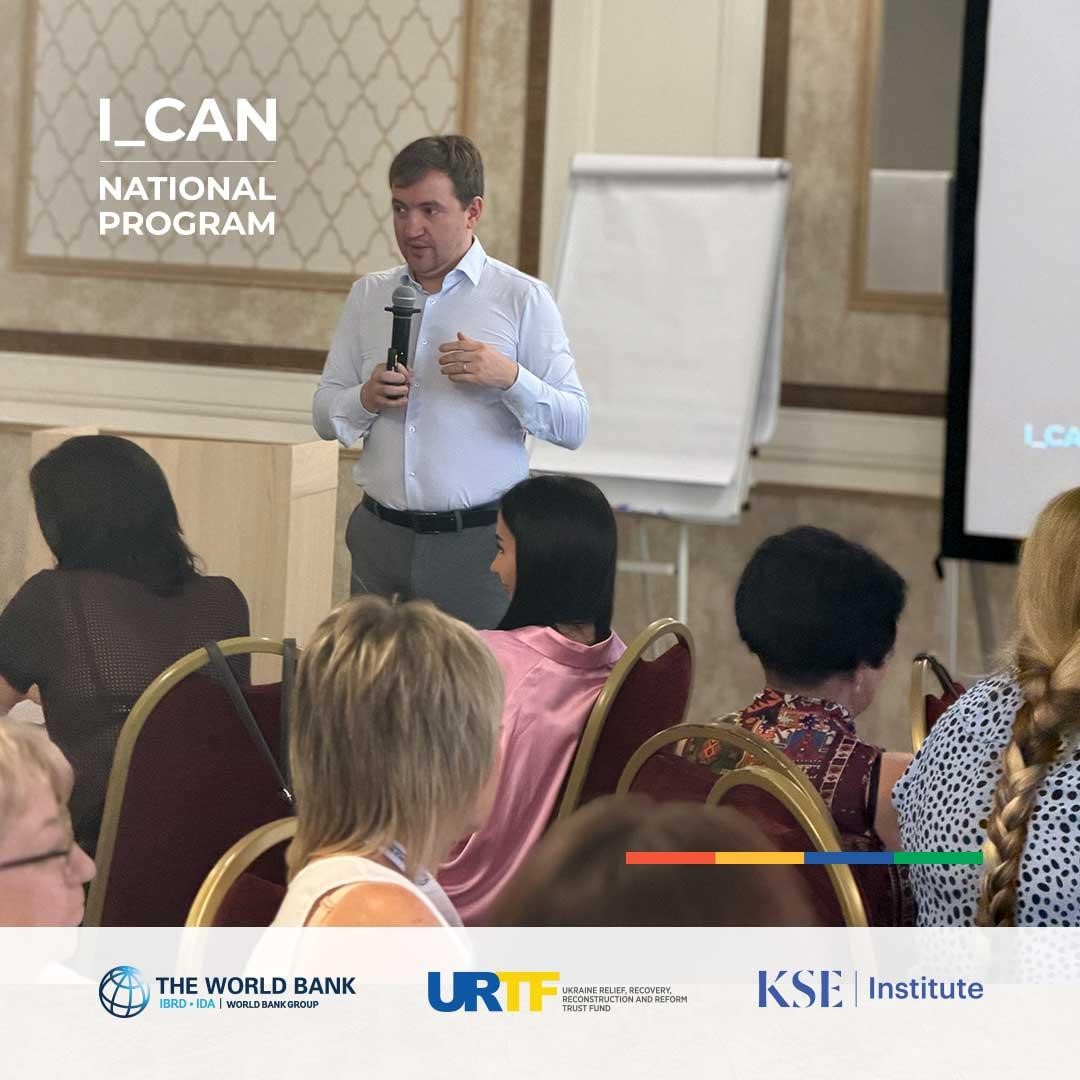
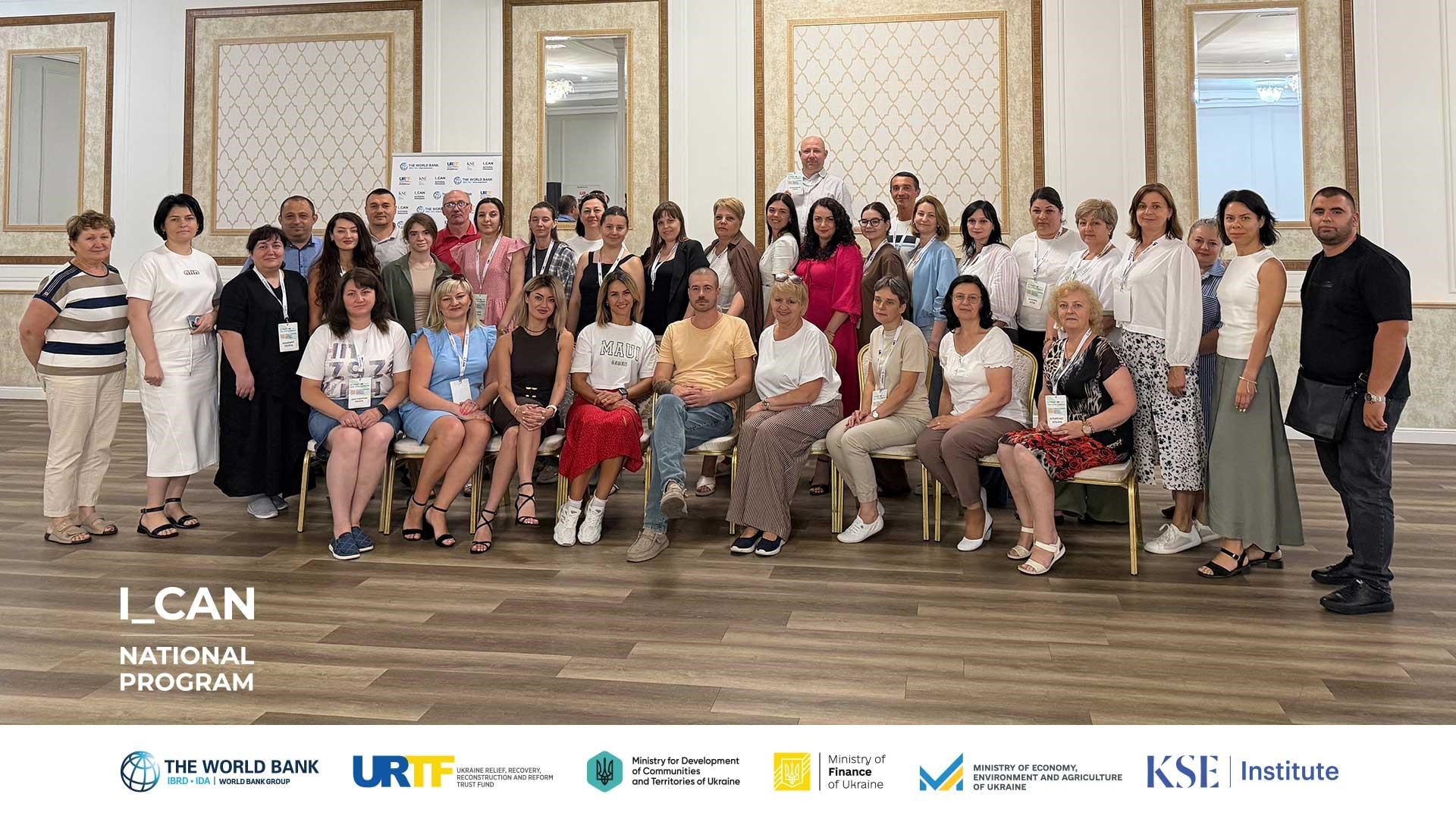
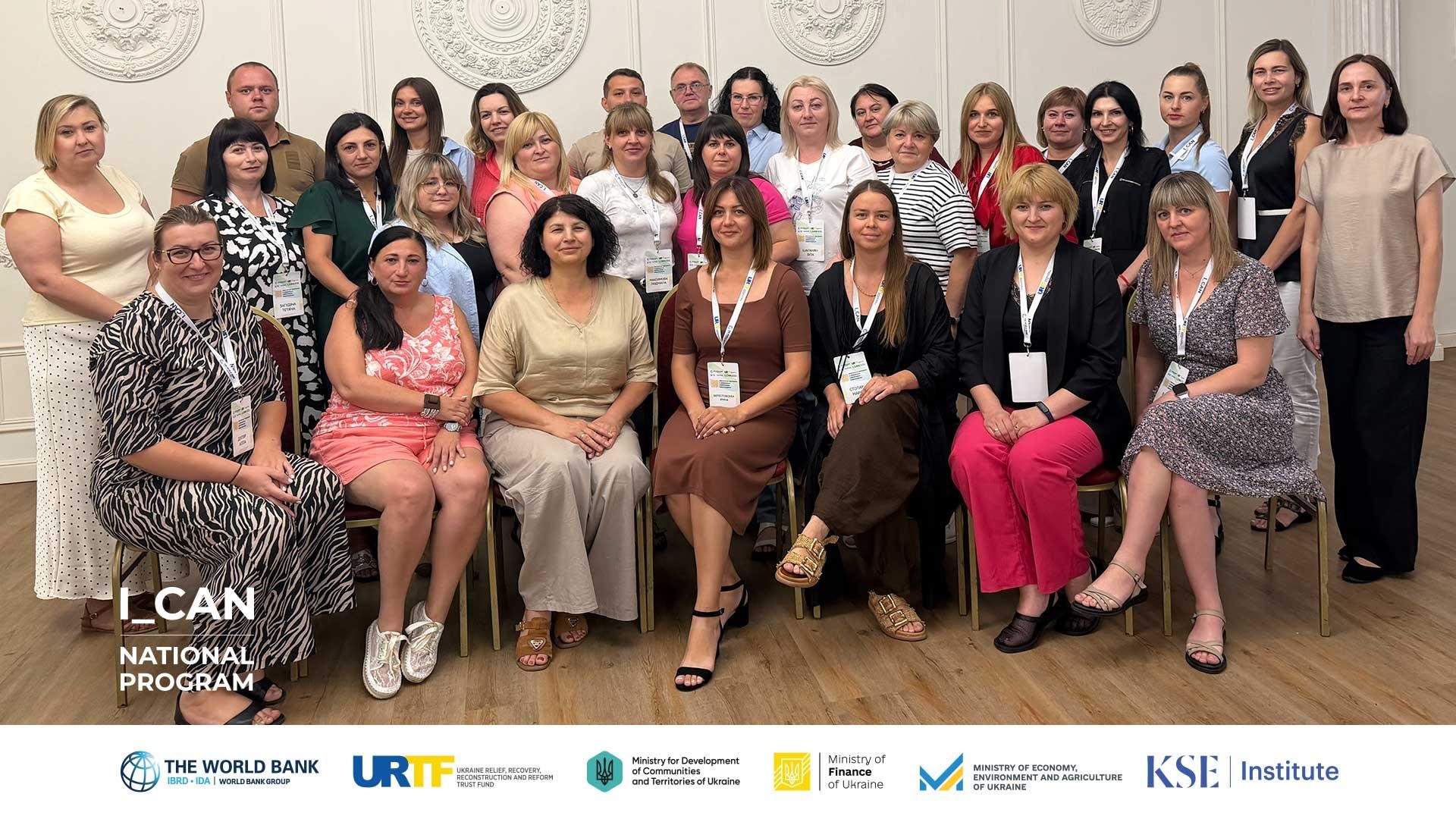
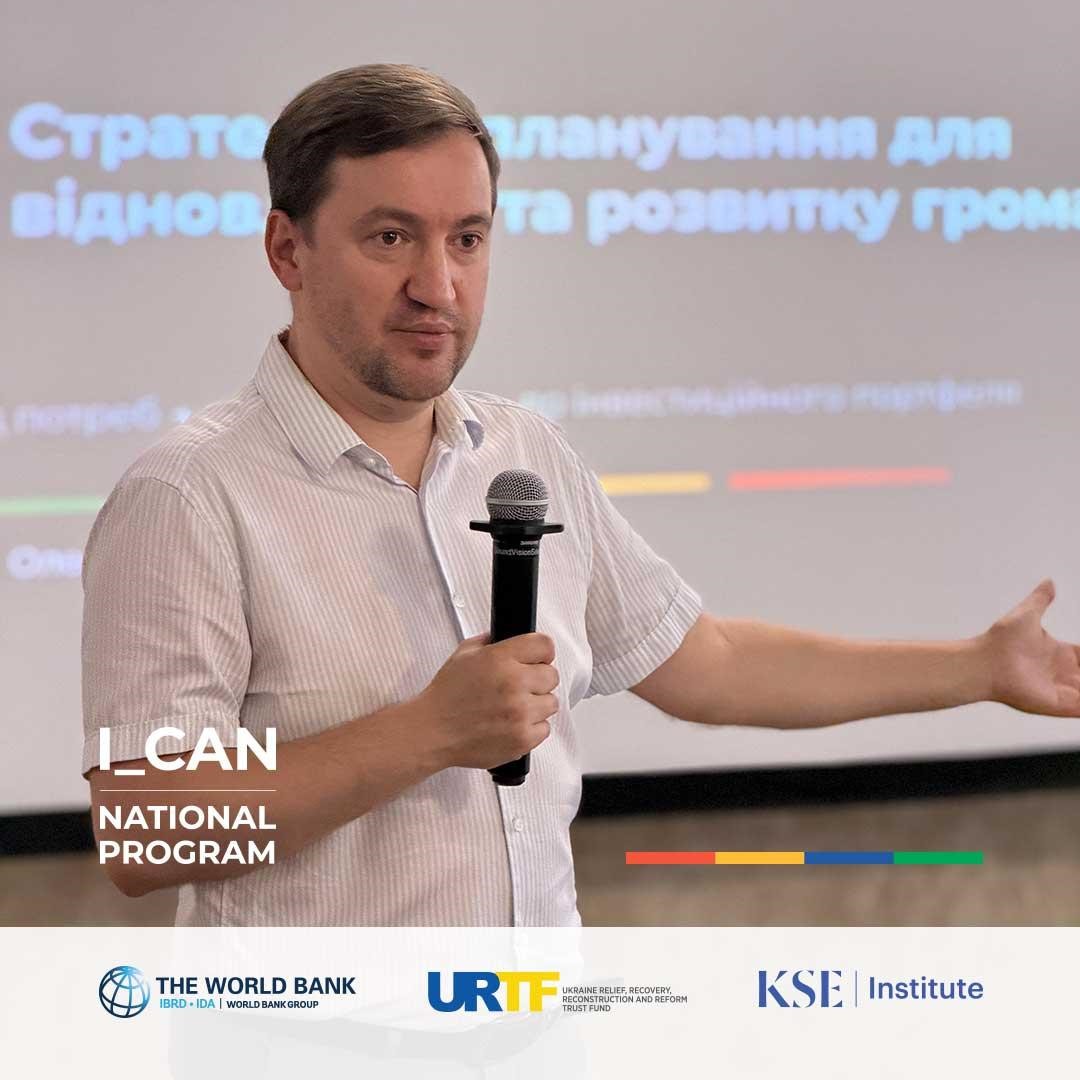
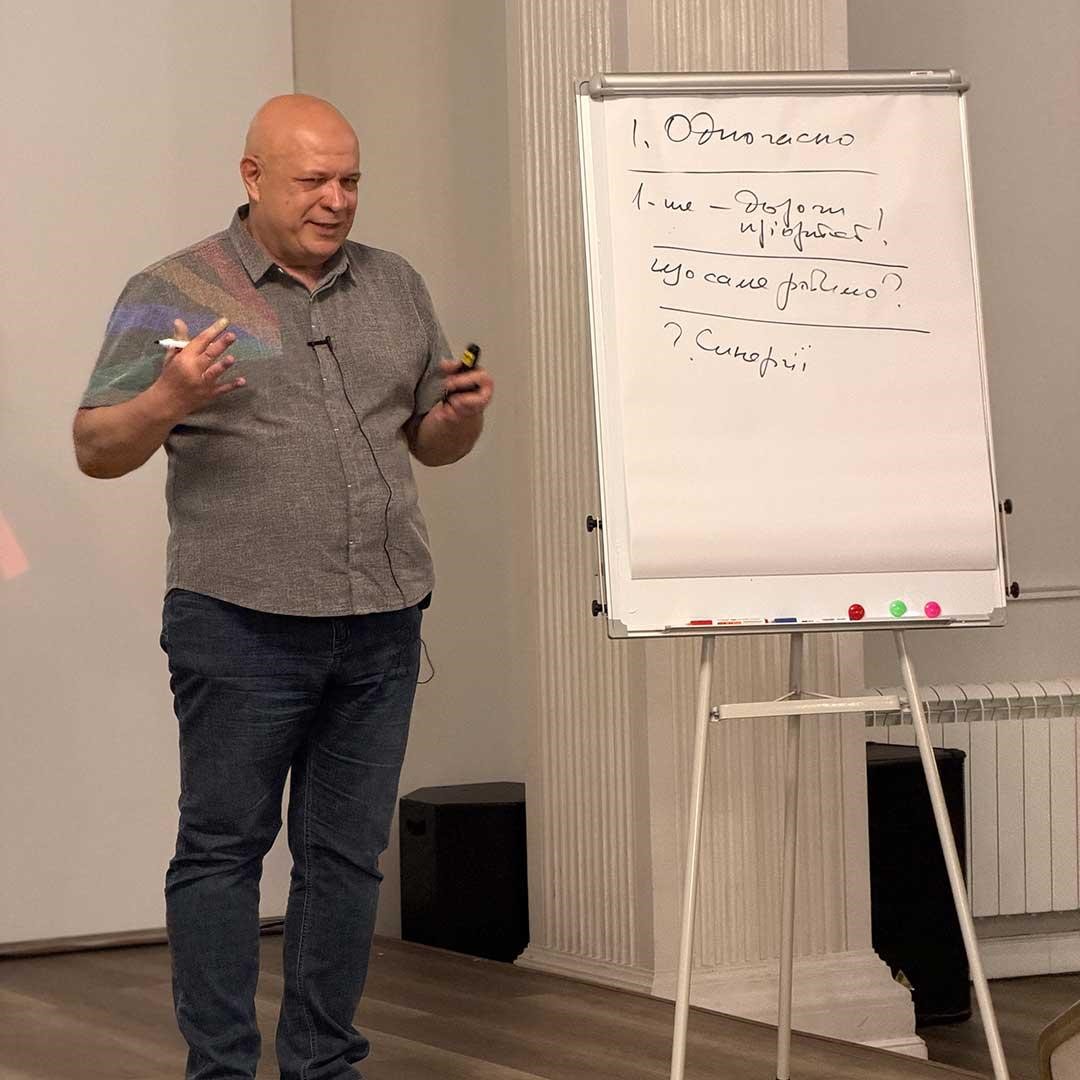
During its summer session, I_CAN held training sessions in Kyiv, Odesa, Khmelnytskyi, and Ternopil for experts from Chernihiv, Sumy, Kyiv, Donetsk, Kherson, Odesa, Mykolaiv, Khmelnytskyi, Ternopil, and other regions.
In total, by the end of the summer, 2,151 participants had already completed the I_CAN in-person training programmes – these were representatives of communities and other stakeholders in the public investment system from 22 regions. Of these, 1,107 specialists took part during the summer session alone.
The communities were diverse: ranging from rural areas to regional centres. The communities vary greatly in terms of scale, experience, and the capabilities of their teams. However, the need we see everywhere is similar: it is no longer enough for experts to know the regulatory framework – they need practical skills in working with public investment.
For me, however, the main outcome of the summer is not the figure itself. We have seen that communities have already embraced the new public investment system, but their levels of capacity vary greatly. Therefore, the next stage is both to explain the rules of the reform and to help experts apply them in their daily work.
What new tools to strengthen the capacity of experts have you planned after this summer session?
The I_CAN summer session gave us a very important insight: training alone is not enough. During the training, we can provide experts with knowledge and tools, and analyse practical case studies together. But the real work begins when a person returns to their community, launches a specific project, and has to put the new rules into practice.
Right at this point, the majority of questions arise: how to structure a project correctly, how to justify an investment decision, which funding mechanism to choose, and how to apply the new regulatory requirements. And we have seen a very clear demand from communities: they need not only training, but also ongoing professional support.
I_CAN is therefore gradually moving away from a “train and leave” model to one of long-term cooperation with experts. We are developing the I_CAN professional community, organising themed webinars tailored to the current needs of communities, promptly analysing changes to the regulatory framework, and have launched the I_CAN Helpline (067 701 00 80), where professionals can get answers to specific practical questions.
For us, the next stage is no longer simply about imparting knowledge. We want to create an environment in which a public investment expert is not left to face the reform alone once the training has finished. They need to know where to seek clarification, with whom to discuss a complex case, where to find practical insights from colleagues, and how to quickly adapt their work to new requirements.
In our view, practical capacity of communities will be built in precisely this way: through the continuous use of knowledge, professional exchange, and access to support when it is needed.
The stronger the community of experts, the stronger and more capable each expert will become – and, of course, the community in which they work.
The I_CAN Community, which you are currently developing – what drives it? Why do experts working on the PIM need it?
For us, the I_CAN Community starts with one very simple thing: we do not want to leave people to cope with the Public Investment Management (PIM) reform and their projects on their own once the training has finished.
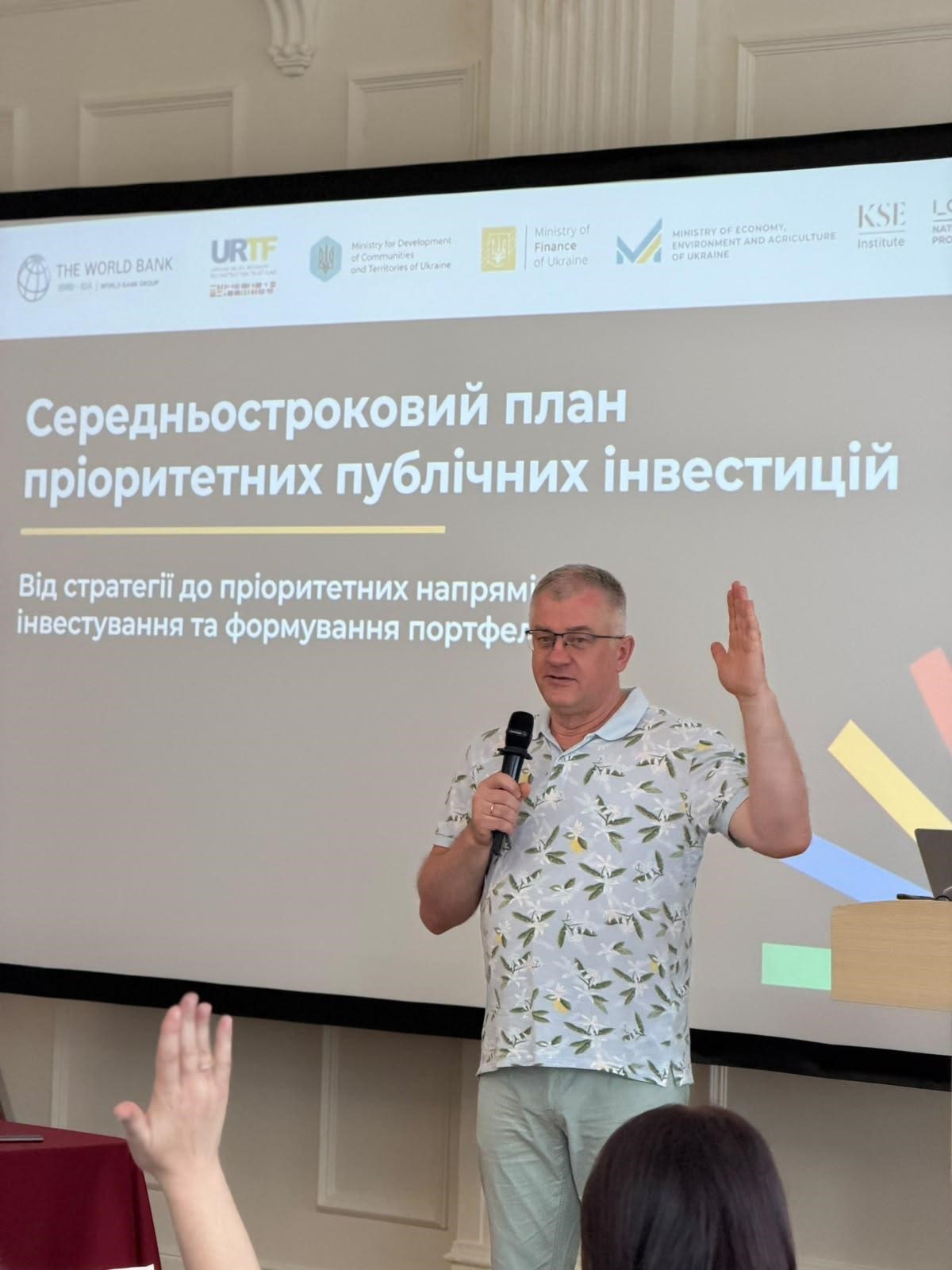
During the training sessions, we spend several intensive days with participants: we analyse the new public investment management system together, work with tools and case studies, and discuss specific situations in communities. But then people return to their daily work – to strategies, portfolios, projects, and budgets. That is precisely where new, highly practical, topical questions arise. Therefore, it is important to us that the end of the training does not mean the end of engagement with I_CAN.
To this end, we are developing the I_CAN Community. We want to continue engaging with our participants, find out what challenges they face, and create a variety of support formats for them, depending on what they need at the moment. These include themed webinars and meetings, discussions of practical issues, explanations of new regulatory requirements, consultations via the I_CAN Helpline, practical resources and other formats that we will develop together with the Community itself.
There is also another important component – the exchange of experience between communities. During the training sessions, I_CAN brings together experts from different regions, large cities, and small communities. They work within the framework of the same reform, often face similar challenges, but find different solutions. We want to create a space where this experience is not confined to a single community, but can be useful to others.
Therefore, for us, the I_CAN Community is literally a continuation of learning beyond the training itself. We want to remain close to experts as they put their knowledge into practice: to help unpick complex issues, create new formats for interaction, connect experts with one another, and provide opportunities to learn not only from our experts but also from one another.
I believe this is how a professional community will be built: not around a chat group or a list of events, but around constant interaction and the sense that, after a training session, an expert will not be left alone with their questions.
In the days leading up to our summer session, we set ourselves a key objective: not merely to train a certain number of experts, but to lay the foundations for a capable network of experts who work in their communities with public investment. The I_CAN team will be scaling up this very initiative in the autumn.
We know the needs of these experts and the issues they face in their daily work. After all, theory and knowledge of the law are not the same as practical skills. Practical work requires practical tools – prompt answers to pressing questions and clarification of legislative and regulatory changes.
We will systematise the experts’ needs and develop comprehensive solutions for them. For example, we recently held a webinar for all PIM experts on the topic “Financing public investment projects: how the cascade principle works”. One of the issues communities are currently facing is how to choose the right financing mechanism for a public investment project. After all, even a single project may have several possible financing mechanisms available.
What plans does I_CAN have for the autumn?
This autumn, we are continuing the I_CAN in-person training programme. The next stage involves training sessions in the western regions of Ukraine, where we will continue to work directly with community teams and other experts involved in the PIM.
At the same time, we will continue our series of thematic webinars. Here, we aim to be as practical as possible and respond to what is happening in the reform right now: new regulatory requirements, tools and issues that communities face in their daily work.
Another important area we are currently working on is the online component of the I_CAN training programme. In-person training sessions allow us to work in depth with teams and practical case studies, but they have natural limitations in terms of scale. The online format is set to become the next stage in disseminating the knowledge of I_CAN and making the training materials accessible to a significantly larger number of experts across Ukraine, regardless of region.
And, of course, we will continue to develop the I_CAN Community. However, we remain flexible in this regard. Another challenging winter lies ahead, so the formats of our engagement will largely depend on the security and energy situation. It is important for us both to stick to our planned programme of activities and to stay in touch with communities, as well as to offer forms of support that are accessible and useful to them.
So this autumn we are working on several different levels at once: we are continuing in-person training, supporting experts through webinars and the Community, and, at the same time, preparing the next step – scaling up I_CAN’s knowledge through online training across the whole of Ukraine.
We are launching the I_CAN autumn–winter session. We started in Ivano-Frankivsk. We will carefully prepare our training sessions, taking into account the current needs of communities, with particular attention to threats and protection. Between sessions, we have stepped up our participation in numerous projects. We took part in the Living Lab project run by the Office of the Congress of Local and Regional Authorities under the President of Ukraine, in a five-day training course for trainers on public investment management organised by the Higher School of Public Administration, and in the Lviv Forum on “Financial Sustainability of Communities”. We have plenty to talk about and share, thanks to the experts we train in public investment management. Their experience is our motivation and the driving force behind our development.
Attached images:
Tags:
study spromozhnist amalgamation of hromadas investments
Source:
Портал "Децентралізація"
09 October 2026
Добре врядування та якісна освіта: як залучити молодь до розвитку громад і доброчесного врядування
Добре врядування та якісна освіта: як залучити...
7 жовтня у Львові відбувся форум «Амбасадори доброчесності: освіта та партнерство заради розвитку громад»,...
09 October 2026
КРОКУС у регіонах: UCORD готує АРР до проєктного розвитку територій
КРОКУС у регіонах: UCORD готує АРР до...
A two-day training course on using the KROKUS platform for representatives of 20 regional development agencies was...
09 October 2026
«Я обираю майбутнє в Україні!»
«Я обираю майбутнє в Україні!»
Що потрібно, аби саме так могли сказати кожен учень і учениця, які завершують школу? Не просто знати назви...
08 October 2026
Recovery of medicine begins in communities: Why rehabilitation has to become part of local policy
Recovery of medicine begins in communities: Why...
Rehabilitation, accessible medical care, and a resilient healthcare infrastructure will play an increasingly crucial...