UCORD Summer School: From project offices to business support: Plans of Regional Development Agencies in frontline regions for 12 months ahead
In frontline regions, one can easily find dozens of urgent tasks and have no time to prioritise. With this in mind, the third day of the UCORD Summer School for regional development agencies was devoted not to new presentations, but to making choices: which functions each RDA will strengthen in the coming 12 months, who it will work with, and what it will prioritise.
Representatives from the regional development agencies of Zaporizhzhia, Mykolaiv, Kharkiv, Kherson, Chernihiv, Sumy, and Odesa regions participated in the Summer School, which was organised by the Swiss-Ukrainian “Ukraine`s Cohesion and Regional Development” (UCORD) Project in cooperation with the European Association of Development Agencies (EURADA).
During the first two days, the teams analysed the experience of European agencies, particularly in strategic planning, project preparation, working with small and medium-sized enterprises, investment proposals, and partnerships. As a final step, they worked on a 12-month capacity and action framework: they described the situation in the region, selected a maximum of three priorities, identified the necessary resources and partners, and set out the first steps and performance indicators.
This exercise was important for another reason. The European models were not presented as a ready-made recipe for Ukraine. They helped to distinguish between functions that were genuinely needed and ideas that, whilst appealing, were as yet unattainable; to understand what the agency could do on its own, and where it would need the support of communities, regional authorities, universities, the business sector or external experts.
Zaporizhzhia Regional Recovery Agency: Building a recovery support system

For the Zaporizhzhia Regional Development Agency, the starting point is the ongoing security risks, the occupation of a significant part of the territory, the relocation of communities, and the need to retain the region’s human and economic potential.
The team has identified three priorities for the next 12 months.
The first priority is to establish a regional project office. Its task will be to prepare and support recovery projects for the region: from identifying needs and developing concepts to securing funding and implementation. As a first step, the RDA decided to agree on a working format with the regional military administration.
The second priority is to establish systematic cooperation with communities. The RDA plans to appoint contact persons in the communities, collect and update information on needs, assist in developing project initiatives, and strengthen the capacity of local teams.
The third priority is to launch practical support for businesses. This involves providing consultations on relocation, entering new markets, exporting, and accessing finance. Before setting up any service, the RDA plans to conduct an initial survey among entrepreneurs.
The Zaporizhzhia Regional Development Agency (RDA) recognises its own weaknesses: a lack of specialists, experience in working with European funds and DREAM, as well as expertise in supporting businesses in frontline communities. Therefore, to implement the plan, the team wishes to engage other RDAs, European partners, sector-specific experts, and digital hubs.
Kharkiv Regional Development Agency: From ad hoc support to a regional system
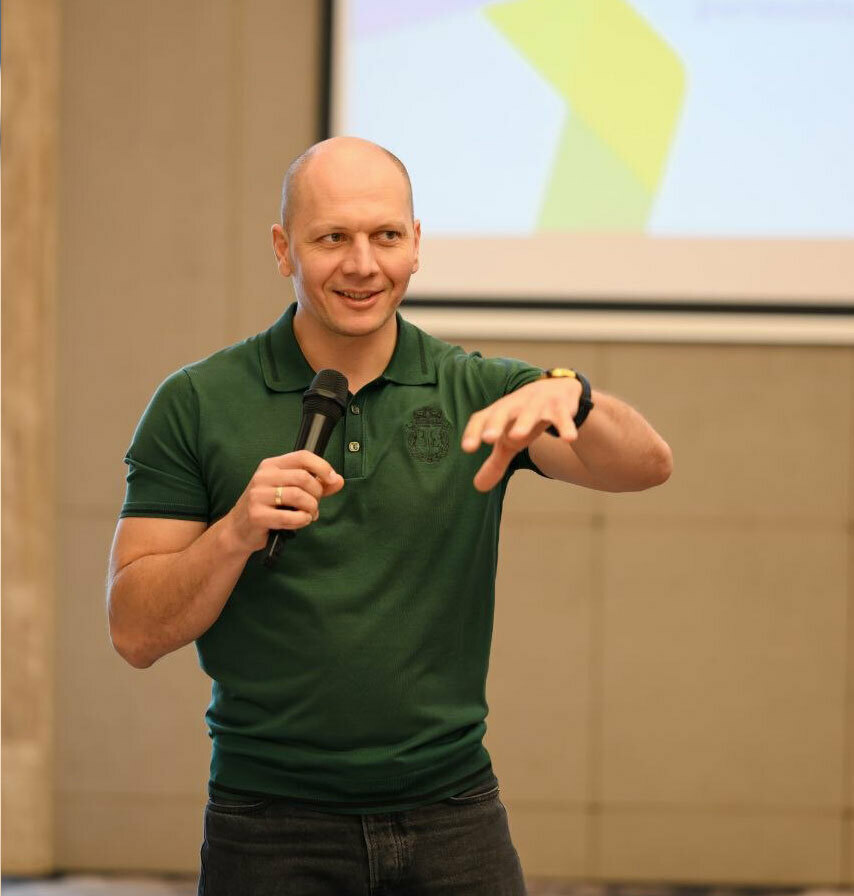
The Kharkiv Regional Development Agency has set an ambitious yet practical framework: to move from working with communities on a project-by-project basis to the systematic management of regional development.
For this, the team plans, firstly, to build its own evidence base. This involves a more in-depth analysis of the region, establishing an analytical function and engaging specialists to assist with data management and strategic planning. In a year’s time, the RDA aims to be ready to act as the lead strategist for at least one community.
The second priority is to establish regular contact with small and medium-sized businesses, so that entrepreneurs know what kinds of enquiries they can put to the agency and what specific support it can provide. The team plans to create stable channels of communication with the business community and to give at least 20 consultations to micro, small, and medium-sized enterprises every month.
The third priority is the development of stronger grant and infrastructure projects. The Agency plans not to limit itself to urgent applications, but to develop projects from concept to implementation, form international consortia to participate in Horizon Europe and Interreg, and secure funding for at least three major projects per year.
The first steps have already been identified: gathering analytical data, identifying methodologies and experts, and building a network of contacts and sectoral groups. Without this, neither evidence-based regional policy nor international consortia will be effective.
Mykolaiv Regional Development Agency: Network, portfolio, analytics
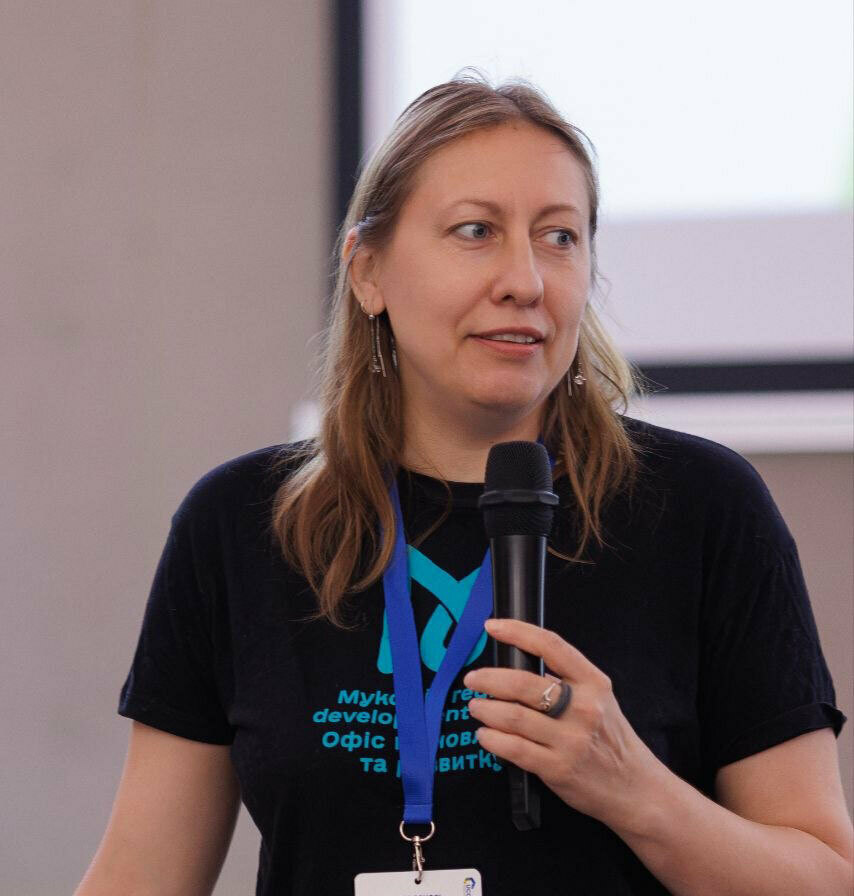
“Network, portfolio, analytics” – this is how the Mykolaiv Regional Development Agency described its key themes for the year in a nutshell. Behind these three words lies a shift in the agency’s role: from performing individual grant-funded tasks to becoming a regional hub that helps communities and partners work in a systematic way.
The first priority is to develop a network of local economic development agencies. The team is already working on setting these up in communities and plans to provide training, internships, and regular coordination. The idea is for communities to have their own capable partners to work on development, whilst the regional Economic Development Agency can provide them with methodological and expert support.
The second priority is to create a regional project portfolio. The agency aims to learn how to quickly shortlist project ideas, assess their readiness, refine them in collaboration with communities, and prepare them for presentation to international partners and potential investors. The team distinguishes between DREAM and the broader project portfolio: not every promising idea is immediately ready for inclusion in the state system, but it must be described, assessed, and have a clear path for further development.
The third priority is internal analytics and process optimisation. The RDA is convinced that, before expanding the team, it is necessary to eliminate unnecessary manual work, organise data, introduce performance monitoring, and learn to track the sustainability of projects once funding has ended.
A key priority will be permanent dialogue between local authorities and business owners in communities on business needs, regulatory barriers, investment opportunities, and available funding instruments. In international practice, this type of interaction is referred to as G2B – government-to-business.
Chernihiv Regional Development Agency: Services for communities and businesses, not occasional consultations
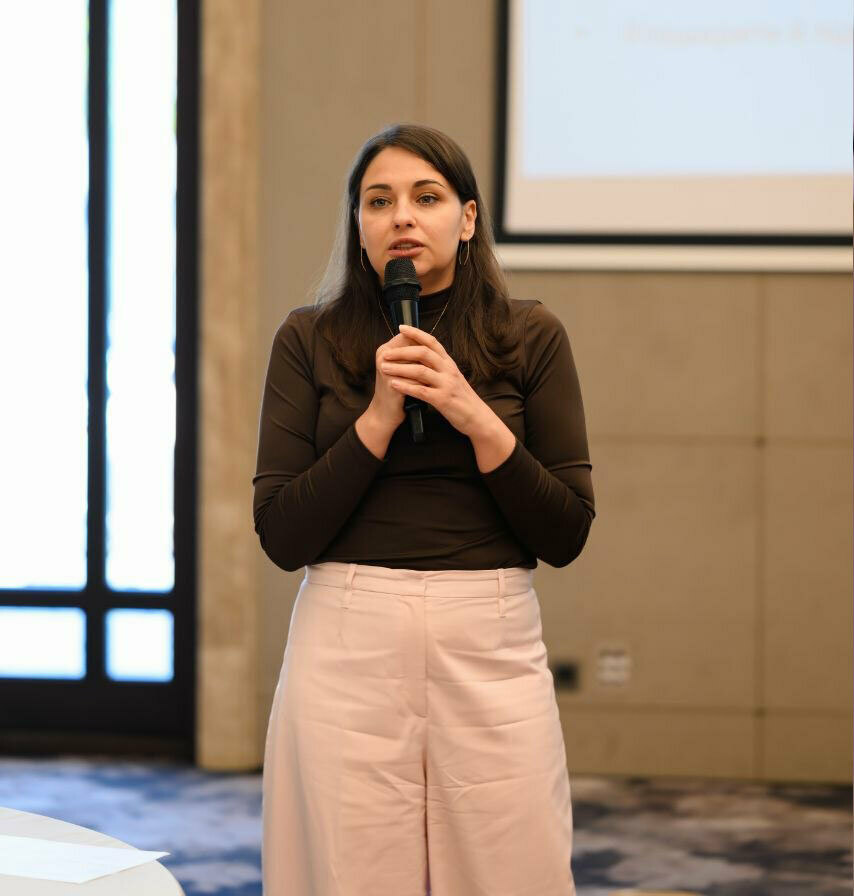
For the Chernihiv Region Regional Development Agency, a key outcome of the Summer School was the clarification of its role as a service provider. The Agency aims to move away from the patchy implementation of individual projects to systematic work in three areas: supporting communities, developing inter-municipal initiatives, and providing support to small and medium-sized businesses.
In its work with entrepreneurs, the RDA already cooperates with the Chernihiv Region Entrepreneurship Support Fund. Its objective for the year is to re-establish the entrepreneurship support network in five districts of the region and to move away from individual consultations to comprehensive support: from identifying funding opportunities to registering on European platforms and preparing applications.
At the same time, the agency plans to establish a systematic support framework for communities and inter-municipal projects. For a region with 57 communities of different capacities, this is a way of pooling resources in cases where a single community cannot prepare or implement a complex project on its own.
Another priority is the region’s investment profile and project portfolio. In 12 months’ time, the RDA aims to have at least eight project concepts for key areas of work and at least one cluster initiative.
As a first step, the team has identified the need to assess the needs of communities and SMEs and to draw up a 12-month plan to strengthen services, setting out responsibilities, deadlines, and performance indicators.
Kherson Regional Development Agency: Collecting data where the situation changes daily
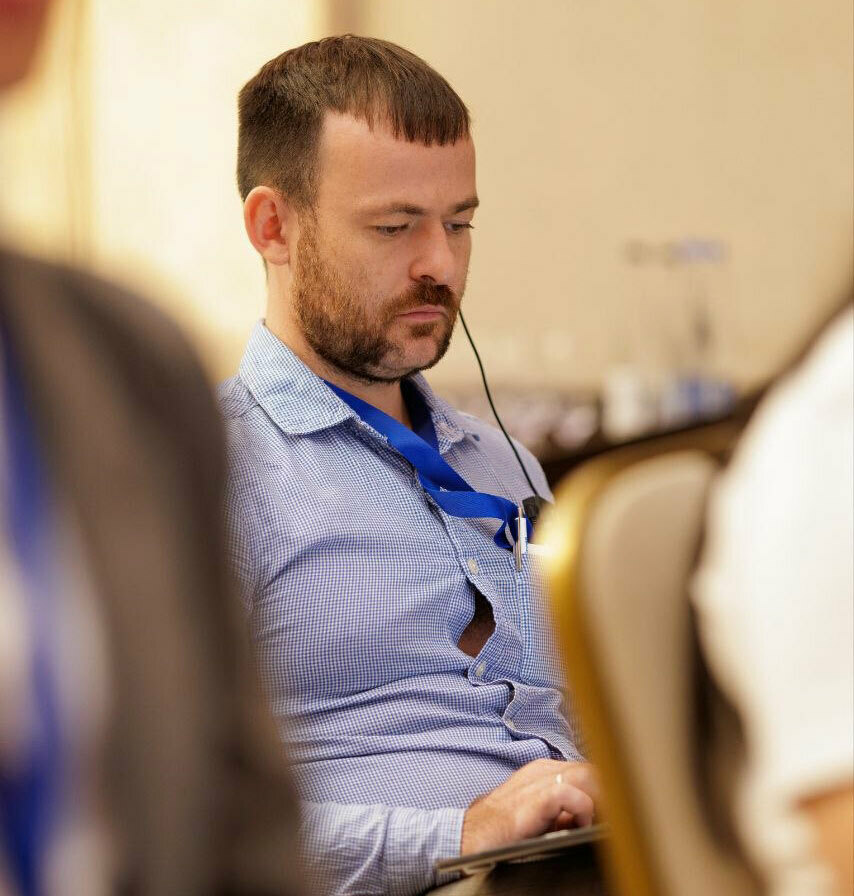
For the Kherson Regional Development Agency, planning a year ahead takes place under particularly challenging conditions. Part of the region is occupied; communities in the liberated territories live under constant attack; businesses have relocated to a large extent; and the needs of the territories are changing faster than standard documents can be updated.
Therefore, the RDA’s top priority is strategic planning based on constantly updated data. The Agency is developing cooperation with Kherson universities, which are currently operating in different cities of Ukraine, to establish a network of experts to analyse the region’s agricultural, economic and other needs.
The second priority is to support businesses that have remained in the region. The RDA plans to create a business map across seven communities to identify which enterprises are active, what exactly hinders their development, and which issues need to be advocated for with the regional authorities, relevant associations, and at national level. The team pays special attention to farmers who are facing the aftermath of the occupation, land contamination, and problems with land reclamation and irrigation.
The third priority is a high-quality project portfolio. The team plans to review the communities’ project ideas, assess their readiness, work on the technical documentation and the quality of data in DREAM, and put together its own portfolio of at least ten projects.
Oleh Kulakevych, Director of the “Office for European Integration” Regional Action Group in Kherson region, emphasised during his presentation that the region needs more than just money. Equally important are data, digital tools, expertise and partnerships, which will enable solutions to be developed in a constantly changing situation.
This picture is completed by two RDAs that are already UCORD partners and possess significant practical experience. Their plans demonstrate how systematic work with teams, communities, projects, and financial sustainability can become the next step in the agency’s development.
Sumy Regional Development Agency: Connecting grants, business, and communities into a single system
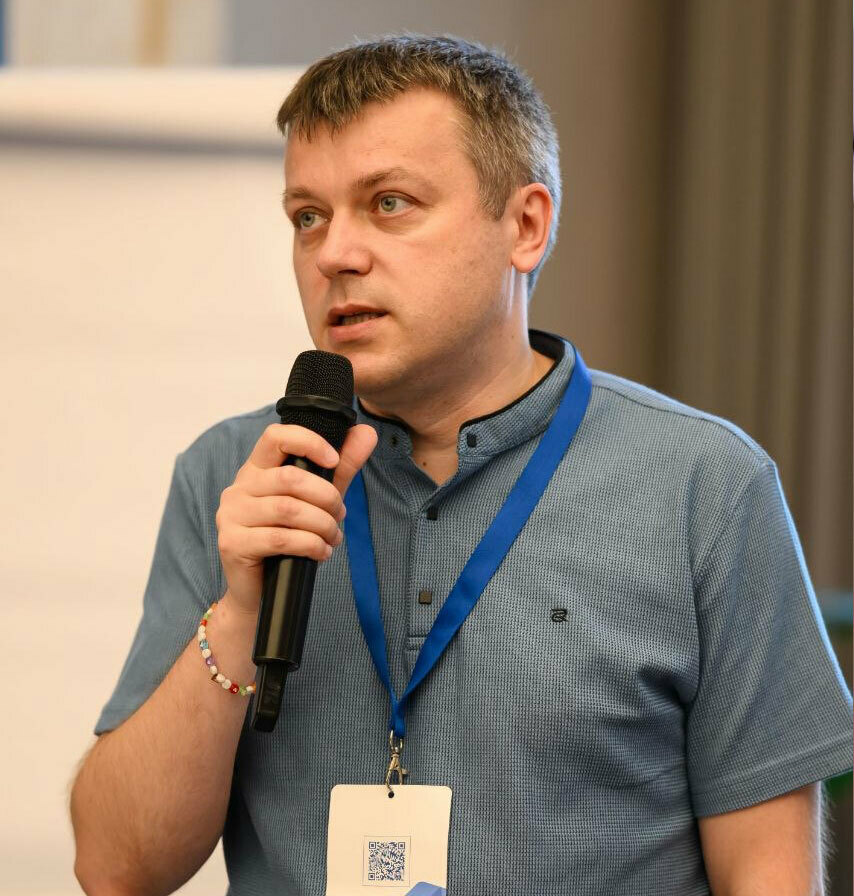
The Sumy Regional Development Agency works in a border region where shelling continues, the workforce is decreasing, and businesses are leaving. Given limited resources, the team has identified three functions that can have a systemic impact.
The first priority is to strengthen the project office. The RDA aims to train the team to prepare, submit, and implement applications to European funds. The practical first step is to draw up a list of priority calls for proposals for the next six months and assign managers to oversee the preparation of applications.
The second priority is the development of an investment hub. The aim here is to ensure that businesses are better informed about the support available, and that the agency can provide a clear pathway: from consultation and a helpline to the preparation of a business plan, grant application or investment proposal. The team plans to provide 260 specialist consultations, prepare 30 grant applications for businesses and ten proposals for the investment catalogue during the year.
The third priority is methodological support for communities. The RDA plans to step up its work on recovery strategies in line with European standards and the DREAM ecosystem, conduct an audit of communities’ project ideas, engage external specialists, and establish a network of at least ten experts in strategic planning.
The Sumy RDA does not aim to do everything on its own. To implement the plan, it envisages cooperation with communities, business associations, international donors, relevant ministries, and other RDAs.
Odesa Regional Development Agency: First, bring order to the system
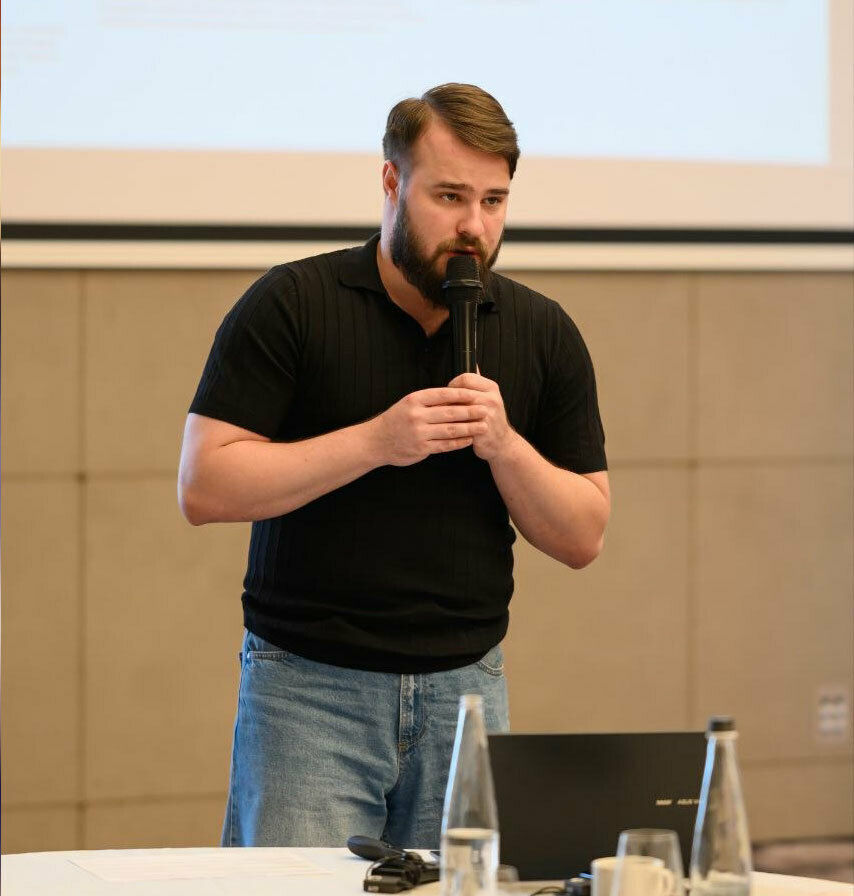
The Odesa Regional Development Agency works with all 91 communities, supporting strategies, projects, investment initiatives, and international and cross-border cooperation. Given the scale of these tasks, its main challenge is not to invent yet another function, but to ensure the manageability of those already in place.
The RDA’s first priority is therefore institutional and financial stability. The team plans to undertake a functional analysis of the organisation’s structure, staff workload, expenditure, and sources of funding. This should result in a plan for institutional development and financial stability for 2027.
The second priority is the professional development of the team and coordination between the agency’s five offices. This involves assessing competencies, clearly defining responsibilities, eliminating duplication of functions, and developing English language and specialist skills. Expertise is particularly needed in financial analysis, technical and economic feasibility studies, infrastructure projects, public-private partnerships, and EU law.
The third is a unified internal system for managing projects, investment proposals, and partnerships. Currently, information on projects, investors, deadlines, budgets, and results is stored in different formats. The Odesa RDA plans to introduce a shared digital register, a unified project lifecycle, a dashboard, and a CRM system. First, the team needs to document all processes and determine which data must be entered into the system.
This decision is important not only for the Odesa RDA itself. It demonstrates that institutional capacity is not an abstract “strong team”, but rather clear processes, accountability, shared data, and the ability to maintain projects and partnerships when circumstances or staff change.
What UCORD brings to future work
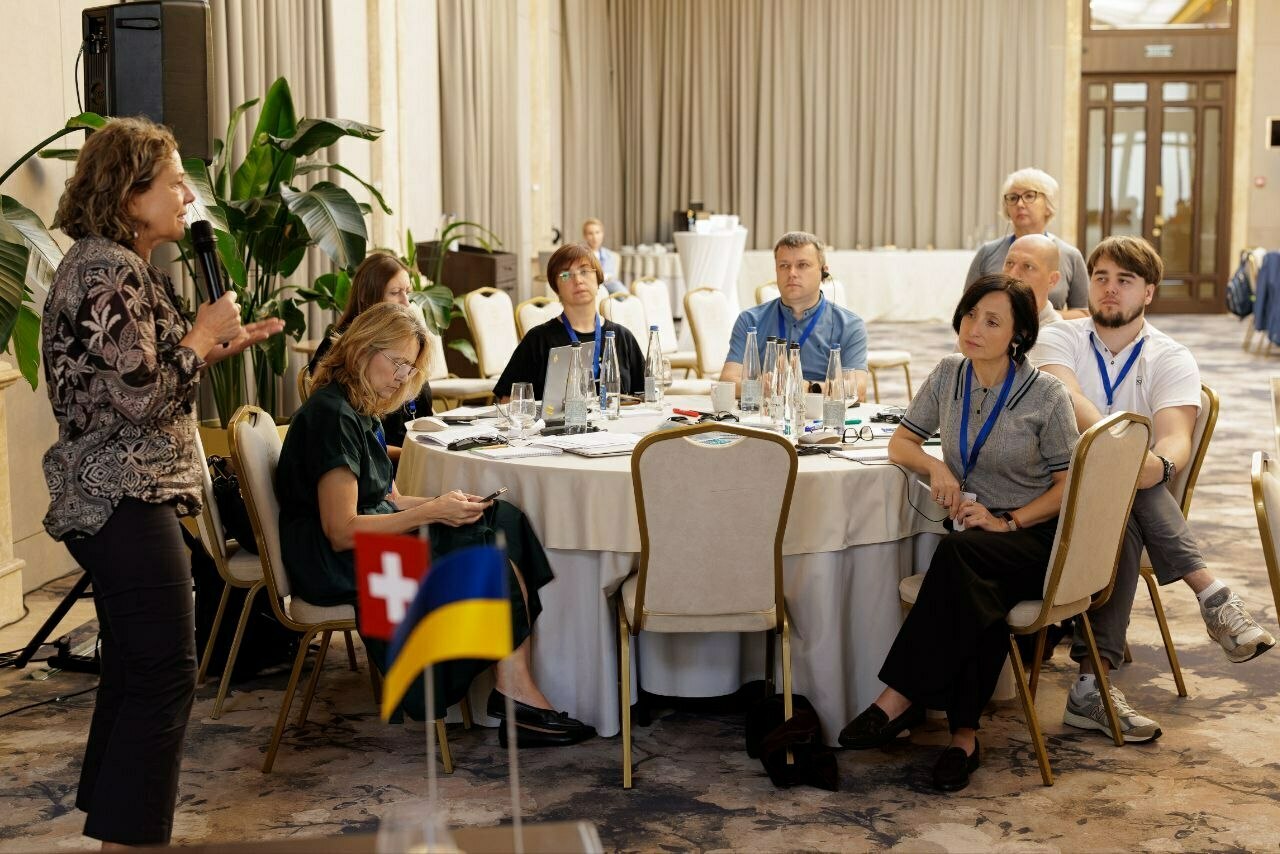
At the end of the Summer School, the teams presented a variety of plans. And that is a significant outcome. One agency currently needs a CRM system and an internal audit; another requires a business map; a third needs a network of local agencies; and a fourth needs a project office or a group of experts in strategic planning.
However, the common requests were very clear: agencies need people, analytics, digital tools, project development methodologies, specialist expertise, access to international partnerships, and more sustainable funding models.
After the Summer School, UCORD plans to review the agencies’ presentations and materials together with EURADA experts Roberta Dall’Olio and Kornelija Mlinarević, and provide each RDA with individual practical recommendations. Important: the 12-month roadmap must not remain merely a presentation; it must become a working document to which the team returns, reviews the initial steps and adjusts the plan.
‘Work with frontline regions is a completely different world. The challenges may seem similar, but each territory has its own specific characteristics. It is important for us to remain flexible so that we can organise our work in a way that is as useful as possible for each agency,’ said Maryna Bril, UCORD Project Leader.
These plans do not negate the uncertainties of war. But they give agencies what is often lacking in their everyday work: a shared understanding of exactly what the next step should be, who to involve in that step, and what the outcome should be in a year’s time. Only then does regional development cease to be a collection of individual applications and become the work of an institution on which communities, businesses, and the region as a whole can rely.
Read more about the UCORD Summer School in the articles on the “Decentralisation” portal:
- From regional policy to specific decisions: Lessons learned by regional development agencies from frontline regions on the first day of UCORD Summer School
- UCORD Summer School: How Regional Development Agencies can turn regional needs into viable projects
- UCORD Summer School: How Sumy and Odesa Regional Development Agencies work with resilience, communities, and investment
- UCORD Summer School: What frontline RDAs take away after three days of sharing experiences

Tags:
regional development agency regional development
Source:
Портал "Децентралізація"

19 September 2026
"Ми маємо бути єдиним голосом усіх наших громад...
Карпатська інтеграційна ініціатива має стати основою для переходу до нового формату EUSCARP — Стратегії ЄС для...
18 September 2026
Віталій Безгін: підтримка громад має враховувати функціональний тип території
Віталій Безгін: підтримка громад має...
«Українські громади дуже різні за безпековими умовами, географією, економікою та потребами людей. Тому й державна...
18 September 2026
Вакансія: Експерт(-ка) з дошкільної освіти
Вакансія: Експерт(-ка) з дошкільної освіти
Опис контексту Щоб задовольнити мінливі потреби українських муніципалітетів і зацікавлених сторін на національному...
18 September 2026
Вакансія: Експерт(-ка) з місцевих фінансів (в напрямку «Фінансова децентралізація»)
Вакансія: Експерт(-ка) з місцевих фінансів (в...
Опис контексту Щоб задовольнити мінливі потреби українських муніципалітетів і зацікавлених сторін на національному...