DECIDE Analytical Study: What Solutions from European Countries Could Help Update Ukraine’s Regional Policy
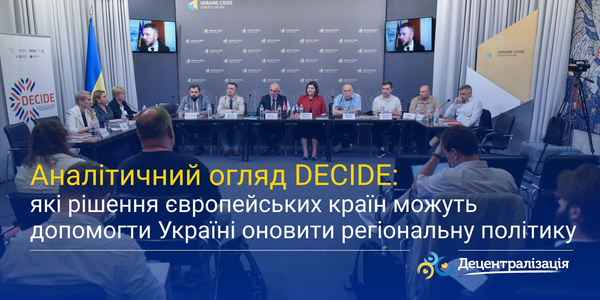
On 10 June, the Ukrainian Crisis Media Centre hosted a presentation of an analytical study of the experience of regional development planning in European countries. The study was prepared by the Swiss-Ukrainian DECIDE Project in the context of the reform of the state’s regional policy in Ukraine and preparations for the new EU programming cycle for 2028–2034.
The study examines the experience of 13 countries: Switzerland, Sweden, Ireland, Spain, Croatia, Slovenia, the Czech Republic, Romania, Poland, Serbia, Bosnia and Herzegovina, North Macedonia, and Montenegro.
The participants went beyond simply discussing European experience as a collection of examples. The talks focused on the future architecture of Ukraine’s state regional policy, its links to the EU cohesion policy, public investment, restoration, security challenges, and the capacity of communities and regions to operate under the new rules.
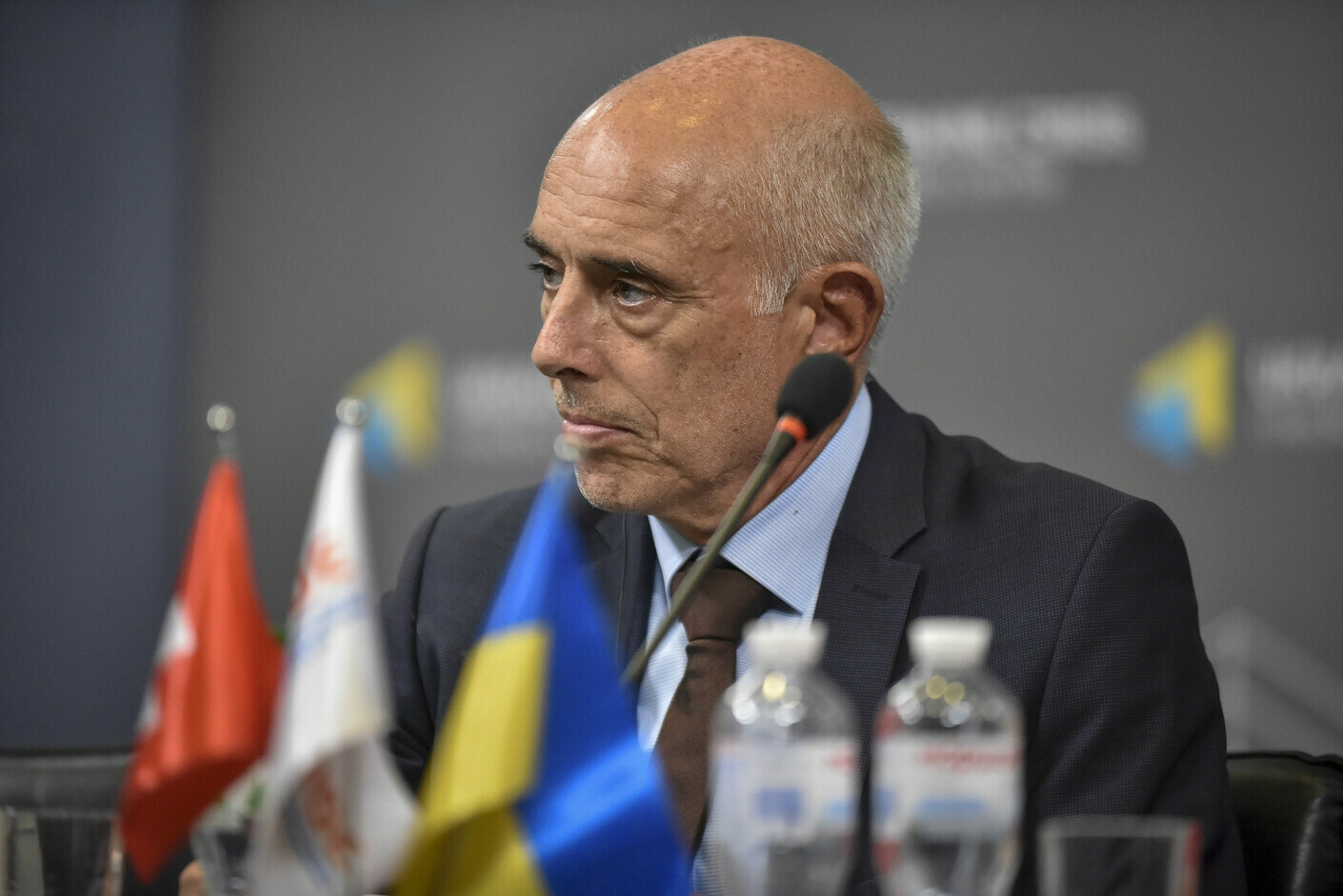
In his opening remarks, Jean-Luc Bernasconi, Head of International Cooperation at Embassy of the Swiss Confederation to Ukraine, emphasised that the Swiss experience could be particularly useful for Ukraine, even though Switzerland is not a member of the EU. According to him, its regional policy is compatible with the European cohesion policy and is based on an understanding of the strengths of each region.
‘The Swiss model began with a simple yet challenging question: what can a particular region offer the broader economy of the country? How can it contribute? Each region identifies its strengths and builds its future development upon them. Diversity is not a planning problem; it is a resource,’ noted Jean-Luc Bernasconi.
He also emphasised that the local level should not simply implement decisions made at the central level, but should have its own projects and results.
‘Local initiatives work when regions and local governments have real powers to act in line with the ideas they propose. The federal level sets the goals, the framework for funding and coordination, whilst local governments develop the projects,’ he said.
Jean-Luc Bernasconi drew attention to the fact that the restoration of Ukraine should not simply mean a return to the pre-war status quo.
‘The key lesson for Ukraine is to develop competitive regions, rather than simply rebuilding what used to be. This involves innovation clusters, access to know-how, supply chains, and the integration of urban and rural territories. Reconstruction should create regions that can stand on their own two feet, be more competitive and resilient than before,’ he emphasised.
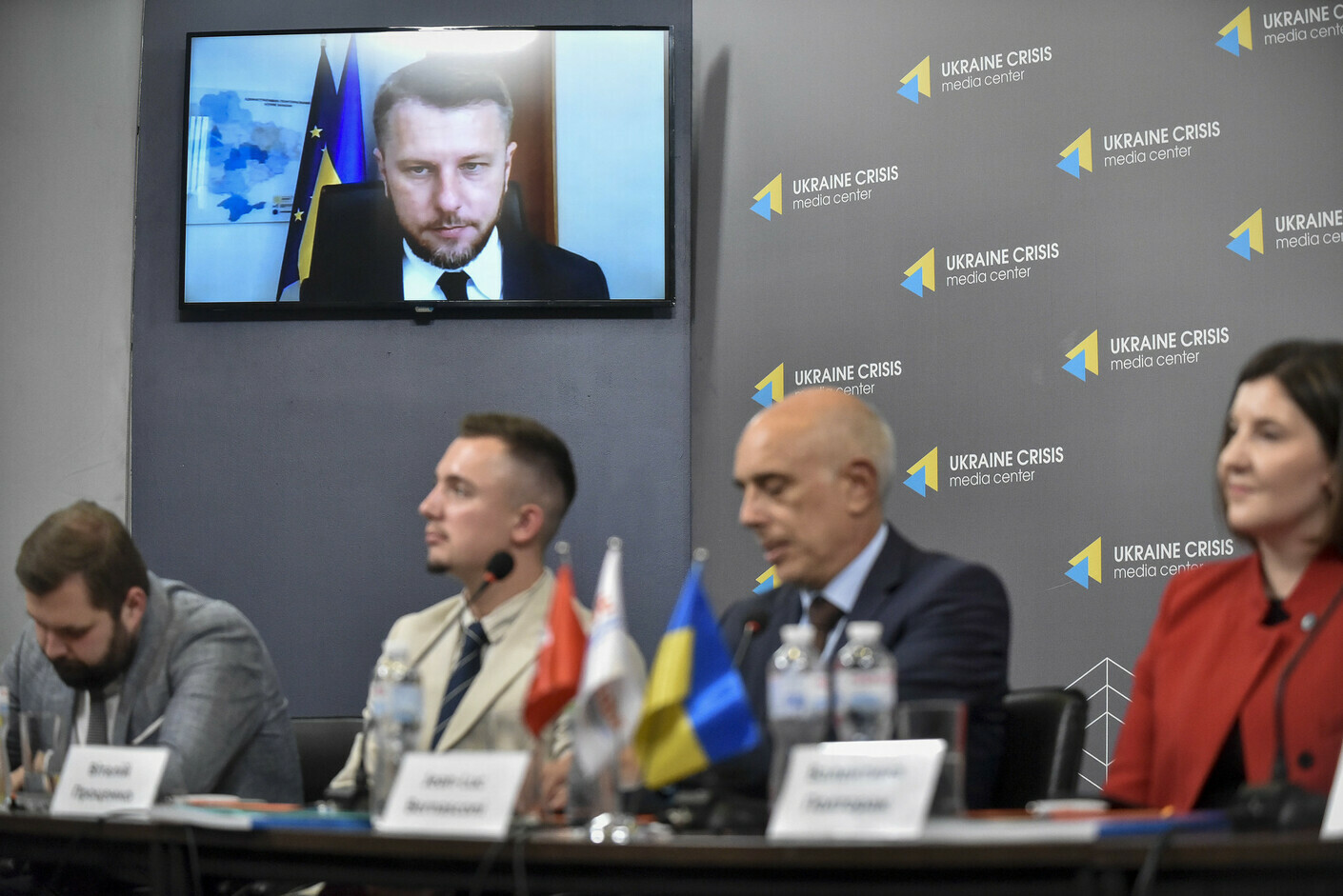
Oleksii Riabykin, Deputy Minister for Development of Communities and Territories of Ukraine, stated that international experience is of practical importance for shaping national policy on regional development, but the Ukrainian model will inevitably have its own specific features.
‘Ukrainian regional policy will, one way or another, differ from the pan-European model. Why? Because we are at war. This is a very important factor that affects all territories and all their residents. Therefore, we have to take these factors into account,’ said Oleksii Riabykin.
He also emphasised the importance of Chapter 22 of the negotiations on the EU accession of Ukraine, which concerns regional policy and the coordination of structural mechanisms.
‘Chapter 22 combines strategic planning for the development of territories with public investment, which should be based on development strategies, and these, in turn, should be based on the needs of specific territories. Another very important component is coordination. It should be both horizontal and vertical, and it should be of a higher quality than it is at present. Without this coordination, accession to the European Union is impossible,’ the Deputy Minister emphasised.
According to him, Chapter 22 focuses not only on regional development, but also on statistics, the institutional capacity of public authorities at different levels, auditing, transparency, accountability, and anti-corruption policy.
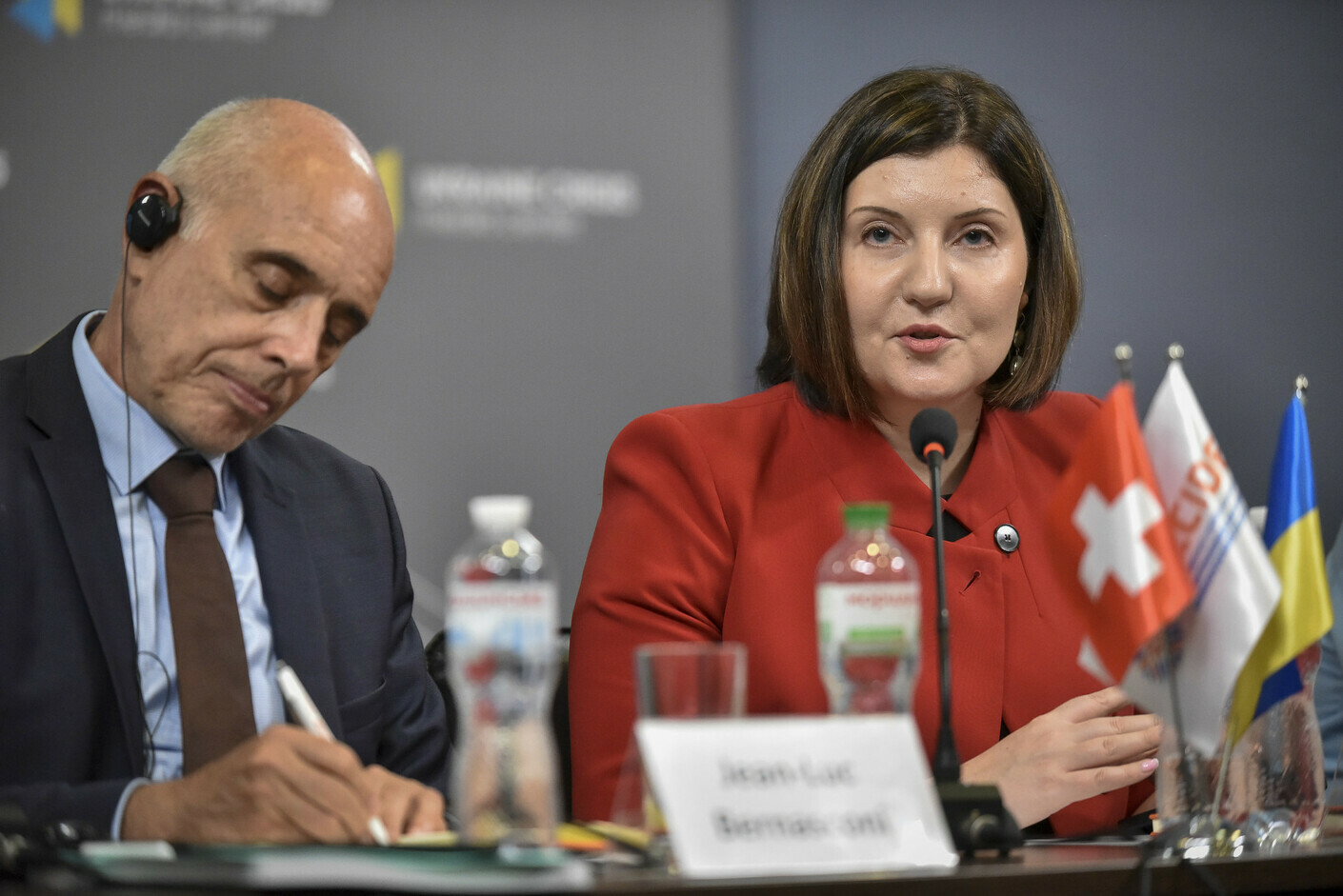
Valentyna Poltorak, DECIDE Project Manager, highlighted that Ukraine is at a historic crossroads where strategic planning should simultaneously address the tasks of development and recovery.
‘At a time when much of Ukraine’s infrastructure has been destroyed, any strategy – whether at the community or regional level – should combine development and restoration, and serve as a kind of Marshall Plan for Ukrainian regions and communities. But in order to do this properly, we need to study the experience of European countries,’ she said.
Valentyna Poltorak also highlighted that strategic planning should be not only an expert process but also a socially meaningful one.
‘As a Swiss project, we support broad public engagement, particularly that of communities. We have experience of working in four regions where over 90% of communities were involved in the development of strategic documents. We believe this should be a process in which citizens are involved in defining the priorities of regional policy,’ she noted.
Another key component of DECIDE Project, she said, is the revitalisation of human capital, particularly through education, the connection between education and the labour market, and the development of partnerships between communities.
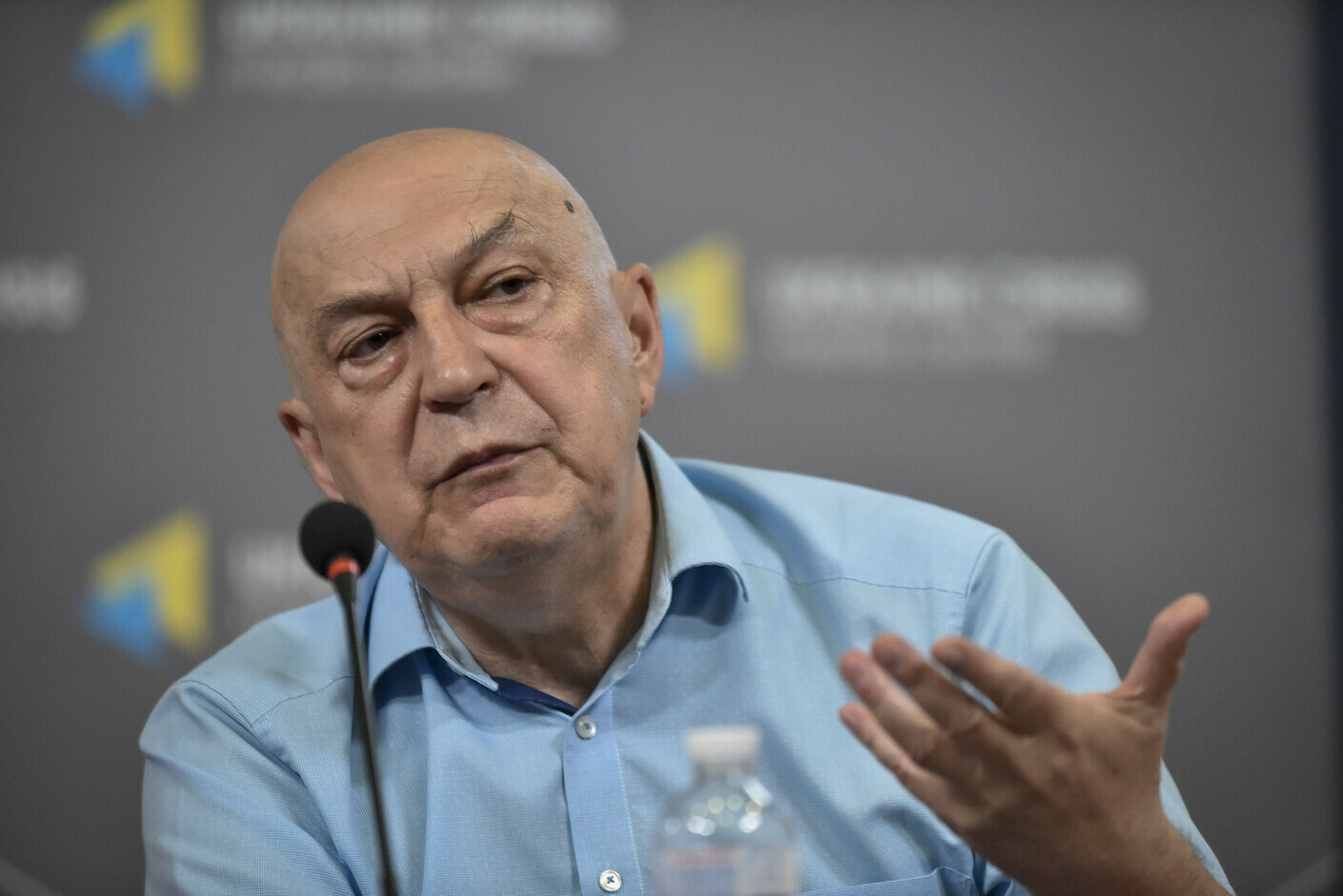
Myroslav Kosheliuk, author of the analytical study and DECIDE National Expert, explained that the idea for the study arose during the work of an expert group under the relevant Ministry, whose task is to update approaches to state regional policy. He said that Ukraine faces an unprecedented challenge: moving towards the EU whilst being at war. Therefore, the experience of other countries cannot serve as a ready-made recipe, but rather as a source of guidance for the decisions Ukraine needs to make right now.
‘On the one hand, we are progressing towards European integration, whilst on the other hand, we are implementing this process amidst the war. I doubt anyone has ever had to do this before. We have a specific deadline: the current EU programming cycle ends in 2027 and the next one begins – covering the years 2028–2034. We need to complete a lot of work in literally just a year and a half,’ said Myroslav Kosheliuk.
This study was prepared as a case study. According to Myroslav Koshelшuk, for each of the 13 countries, the legislative framework, national planning documents, documents relating to the use of EU funds, and examples of strategic documents at regional and local levels were analysed. In total, roughly 400 documents were processed.
‘This study does not provide any ready-made answers. However, it contains a considerable amount of material that can be used to find solutions to the challenges we face today,’ the expert noted.
One of the cross-cutting conclusions of the study is that EU countries adhere to common priorities, principles, and standards for drafting basic documents, rules for the use of funds, and monitoring their effectiveness. At the same time, there is no universal model for regional policy: countries have different sets of planning documents, different planning horizons, different priorities, and different implementation mechanisms.
He named one of the main conclusions as the need to learn to operate in compliance with European rules even before receiving significant EU funding.
‘Today, in the process of European integration, we have to learn to build a system and operate in compliance with European rules before we receive significant European funding, rather than doing it backwards. This is a very important aspect,’ emphasised Myroslav Kosheliuk.
The expert also drew attention to the architecture of planning documents within the framework of the EU cohesion policy. The National Development Strategy should define the priorities of the country itself and be broader in scope than the documents prepared for the use of European funds. It serves as the basis for the Partnership Agreement with the European Commission, operational programmes, and other planning documents relating to the use of EU mechanisms.
Meanwhile, he warned against mechanically copying European models.
‘Ukrainian regional policy should be European – we have to make the most of the opportunity presented by European integration to transform it in line with European standards. But it has to be Ukrainian in the sense that it has to take our own priorities into account,’ he said.
In his presentation, Myroslav Kosheliuk provided examples of different approaches to planning. In particular, Poland has a long-term strategy up to 2050, a medium-term strategy up to 2035, and nine integrated cross-sectoral strategies, one of which is regional. In Spain, the “Spain 2050” vision document, prepared by the national foresight office, plays an important role, alongside a large number of sectoral strategies, as well as an urban agenda and so-called anchor projects. Croatia operates a seven-year regional development planning cycle; however, this example of this country also illustrates the risks of a lack of synchronisation between different laws and documents.
One block of the presentation focused on the integration of spatial and strategic planning. Switzerland relies on a Spatial Concept, with which most strategies and programmes in regional policy are aligned. The Czech Republic structures its Strategy 2021+ not by sectors, but by types of territory: metropolises, agglomerations, regional centres, structurally affected territories, and economically and socially vulnerable territories. Slovenia builds its spatial logic around four frameworks: development corridors and entry points, a polycentric urban system, rural areas, and green infrastructure. Poland is moving towards integrating strategic and spatial planning into a single system of documents, in particular through functional-spatial models and areas of strategic intervention.
Some of the practical tools that could be useful for Ukraine mentioned in the presentation included the Problem Tree for each type of territory in the Czech Republic, Spain’s benchmarking of key challenges, mandatory descriptions of development needs and potential in Croatia, scenario analysis based on megatrends and the identification of “development traps” in Poland, as well as digital portals and strategy databases that assist in working with data and document templates.
In conclusion, Myroslav Kosheliuk outlined several recommendations: first, there should be a national strategy with its own priorities; operational programmes funded by the EU should be built based on this strategy, rather than replacing it; Ukraine should establish an institutional coordination mechanism whilst still at the candidate stage; a conscious decision should be made on the principle of organising future operational programmes – thematic or regional; enabling conditions should be prepared in advance and European cohesion policy mechanisms should be piloted.
The presentation by Myroslav Kosheliuk is available HERE
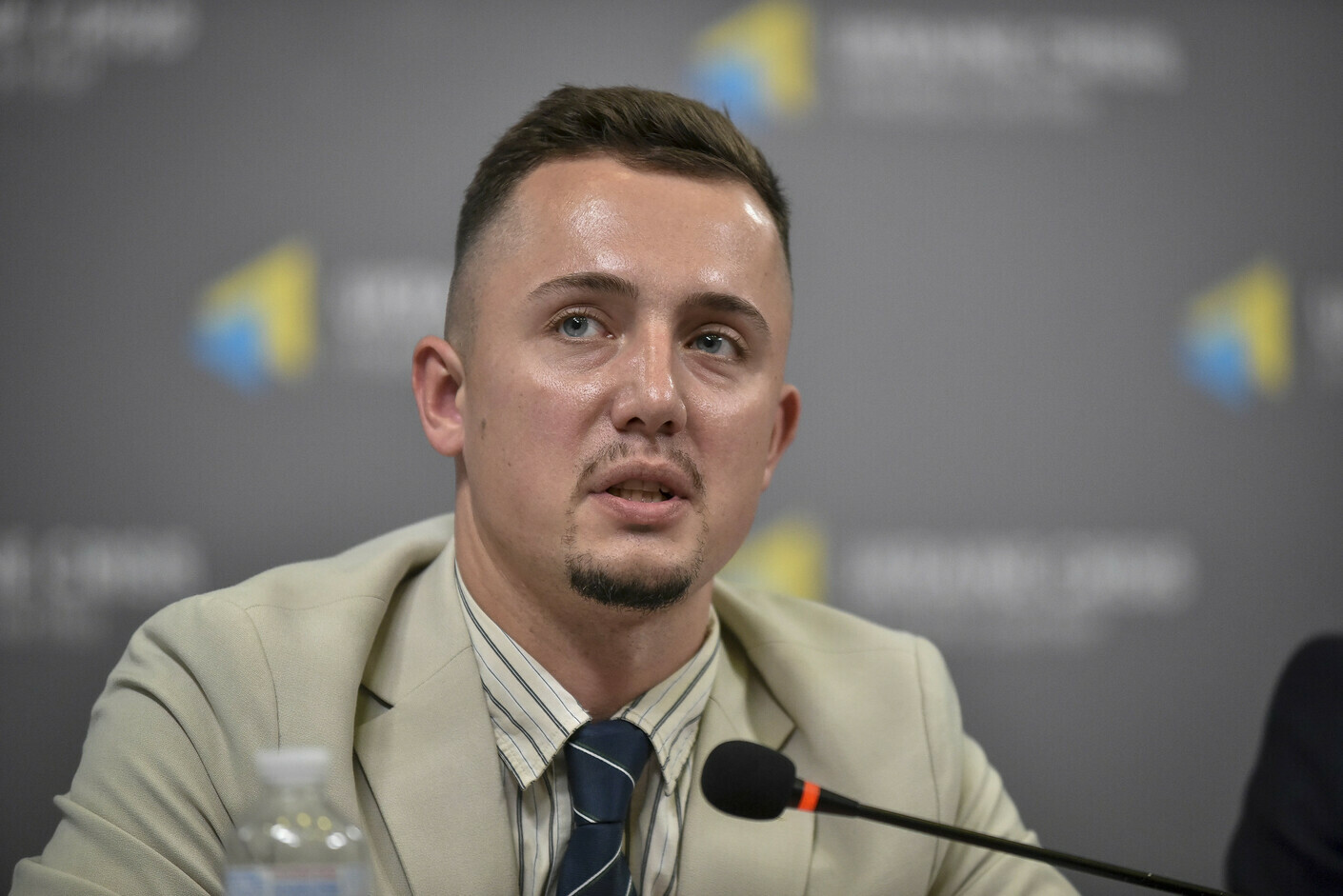
Vitalii Protsenko, Director of the Department of Regional Development and Territorial Reintegration at the Ministry for Development, confirmed that the findings of the study are already used in the development of the new state regional policy.
‘The findings you have presented already form the basis of the new state regional policy and are part of the implementation of our benchmarks under Section 22. In 2026, the Ministry began developing a new State Strategy for Regional Development for 2028–2034,’ he noted.
According to Vitalii Protsenko, 2026 provides an opportunity to synchronise sectoral policies with state regional policy. He reported that a new model of the system of national and strategic planning has already been agreed between the Ministry for Development, the Ministry of Finance, and the Ministry of Economy.
He also mentioned the need for high-quality data for the new State Strategy for Regional Development.
‘In order to develop a high-quality strategy and set a positive trend, decisions have to be made based on data. We want to collect this data so that it can form the basis for a new state regional development strategy and for sectoral strategies, which are also due to be updated by the end of 2026,’ said Vitalii Protsenko.
He also emphasised that the new strategy should be much more concise and practical.
‘The new strategy will be structured and clear. We are aiming for 50–60 pages, but this will be a high-quality distillation of analytical materials, well-structured scenarios, and strategic and operational objectives. A separate aspect is that the new State Strategy for Regional Development should contain a high-quality cartographic basis, which was not the case previously,’ he noted.
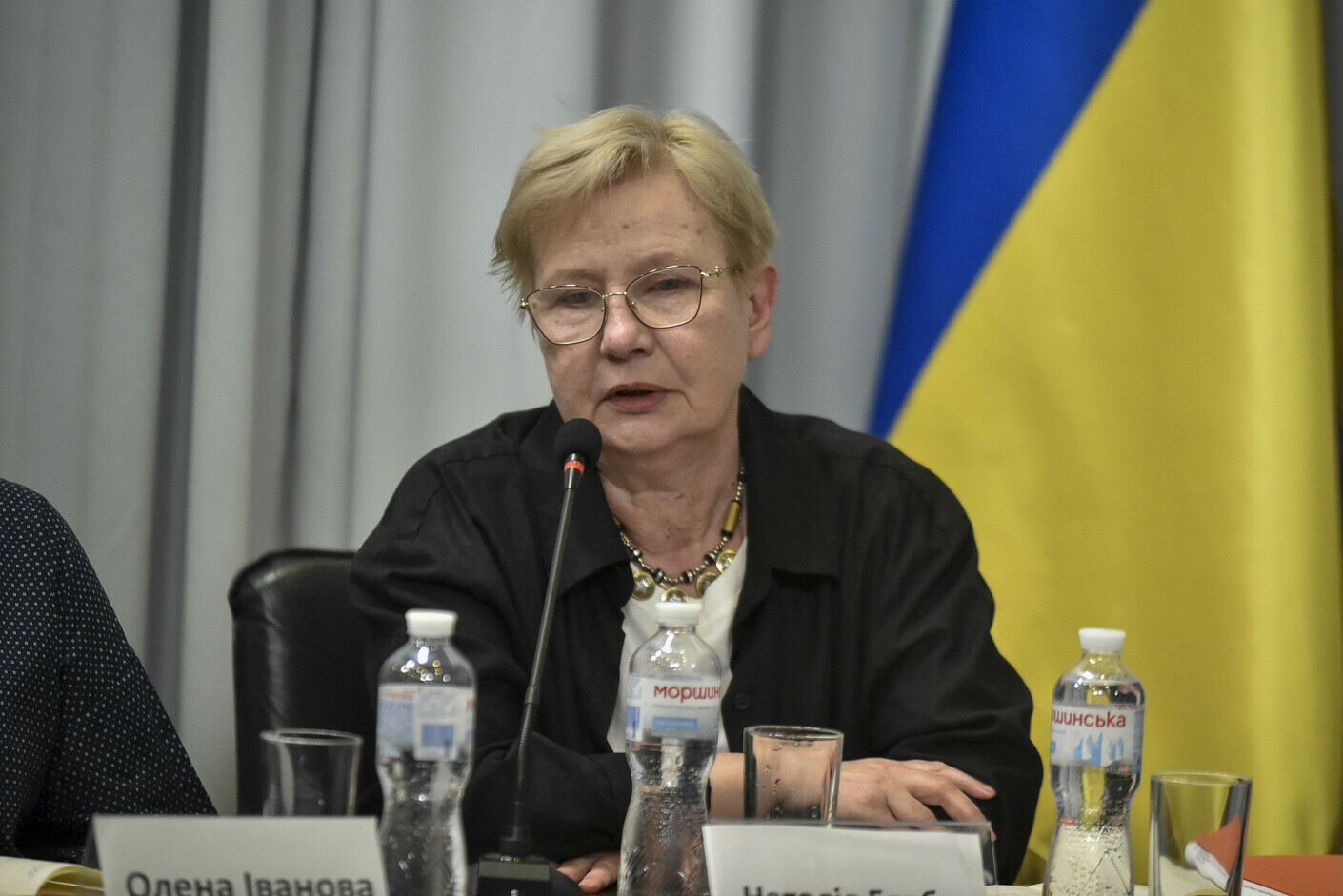
Nataliia Hloba, Adviser to the Deputy Minister for Development of Communities and Territories of Ukraine, described the innovations envisaged in the methodology for developing the State Strategy for Regional Development for the next planning period. This primarily involves a comprehensive territorially-oriented approach.
‘The complexity of implementing the territorial approach in Ukraine lies in the factor of war. It requires that we create two typologies based on different criteria. One typology is based on the functional types of territories. The second is a typology based on security criteria: temporarily occupied territories, frontline territories, and possibly also territories of active hostilities and territories of potential hostilities,’ she explained.
She said that the State Strategy for Regional Development should be an evidence-based policy.
‘The aim of developing this analytical document is to identify trends, challenges, structural shortcomings in the regions, their development needs, and their endogenous potential. Planning should be carried out on this basis. In other words, regional policy is evidence-based policy,’ said Nataliia Hloba.
Other innovations she mentioned included a human-centered approach, a financial model for implementing regional policy, a new approach to monitoring, scenario planning, and the integration of resilience as a strategic category.
‘We are trying to ensure that this strategy is primarily linked to the quality of people’s lives. I hope a comprehensive sociological study will be carried out to identify the needs of people living in different regions, so that people can directly influence the drafting of such an important document,’ she noted.
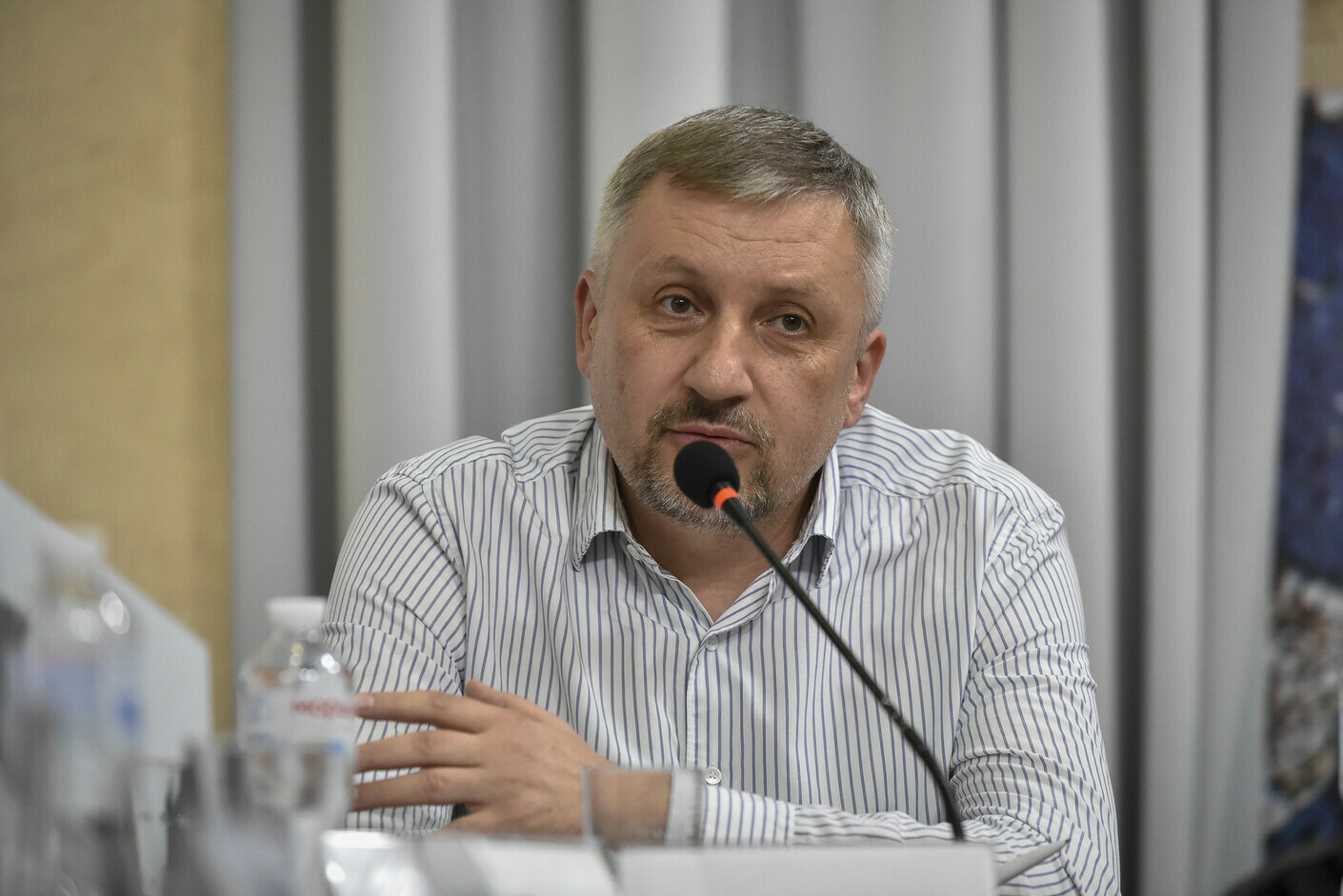
Yurii Tretiak, an expert on decentralisation and regional development, drew attention to the fact that the study should become a must-read for everyone who works on the state and regional strategies.
‘We are embarking on an important planning process for the coming period. For everyone who works on the state and regional strategies, this should definitely be a must-read so that we can learn how things work in the countries whose experience could be useful for Ukraine,’ he said.
He also reminded one of the principles laid down during the drafting of legislation on state regional policy: “no plans without money and no money without plans”. At the same time, Yurii Tretiak emphasised that Ukraine should now reconsider the interconnection between strategies, public investment, the State Fund for Regional Development, sectoral policies, and future European mechanisms.
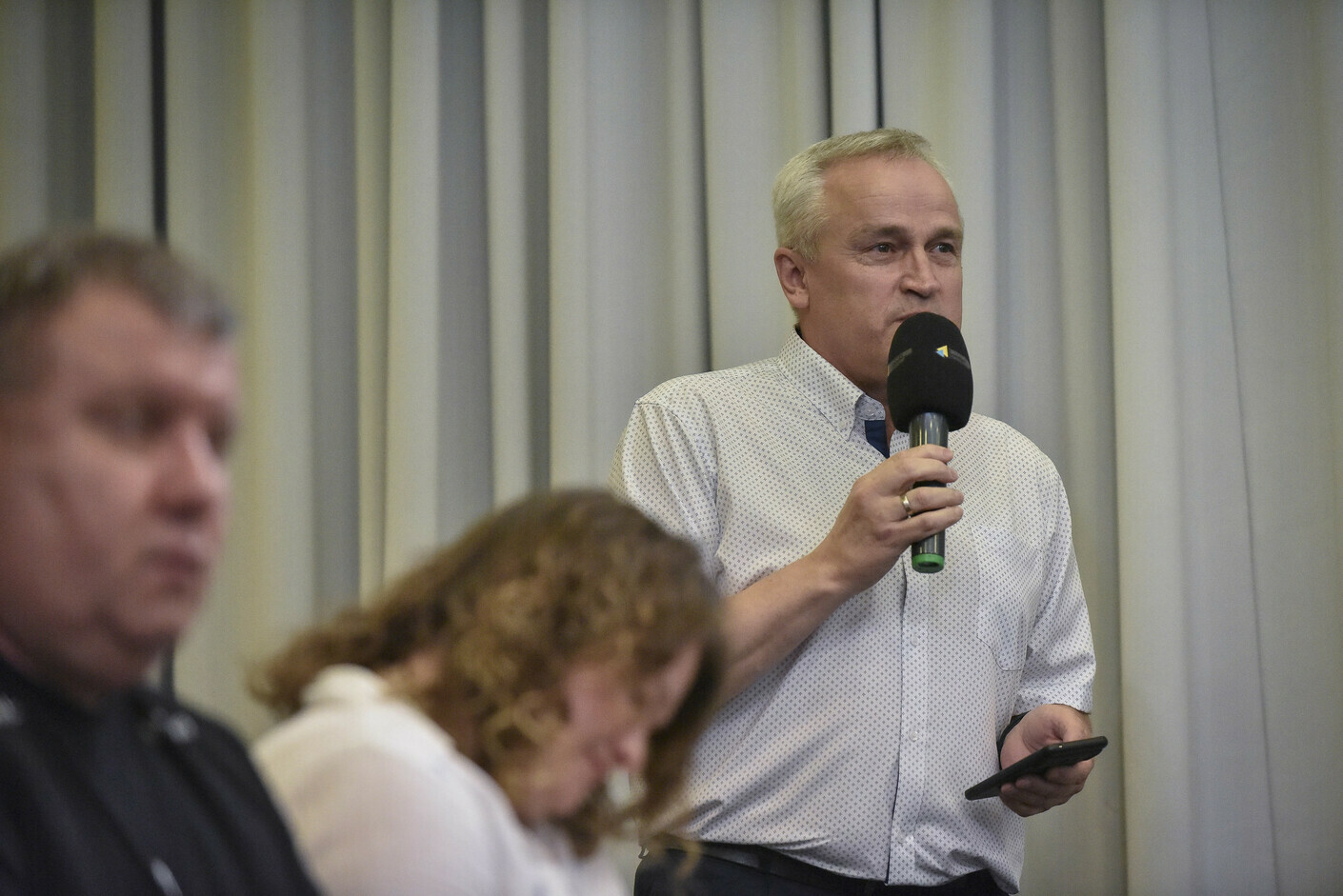
Ihor Abramiuk, Director for Development at the All-Ukrainian Association of Communities, supported the statement that Ukraine should start preparing to work with European funds right now.
‘We have to prepare now, not when the funds become available to us. By then it will be too late. We simply will not be able to use them, because there will be so much money that, if we do not have the necessary mechanisms in place, we will be overwhelmed and unable to use these resources,’ he said.
Ihor Abramiuk also emphasised the necessity of a clear architecture for strategic planning.
‘It is good to hear that there will be an architectural framework. Because there is none at present. Our only legally recognised strategy is the state strategy for regional development. We need to consider how to integrate future strategies – particularly for territories that can use European rural development mechanisms – into the overall strategic planning system,’ he observed.
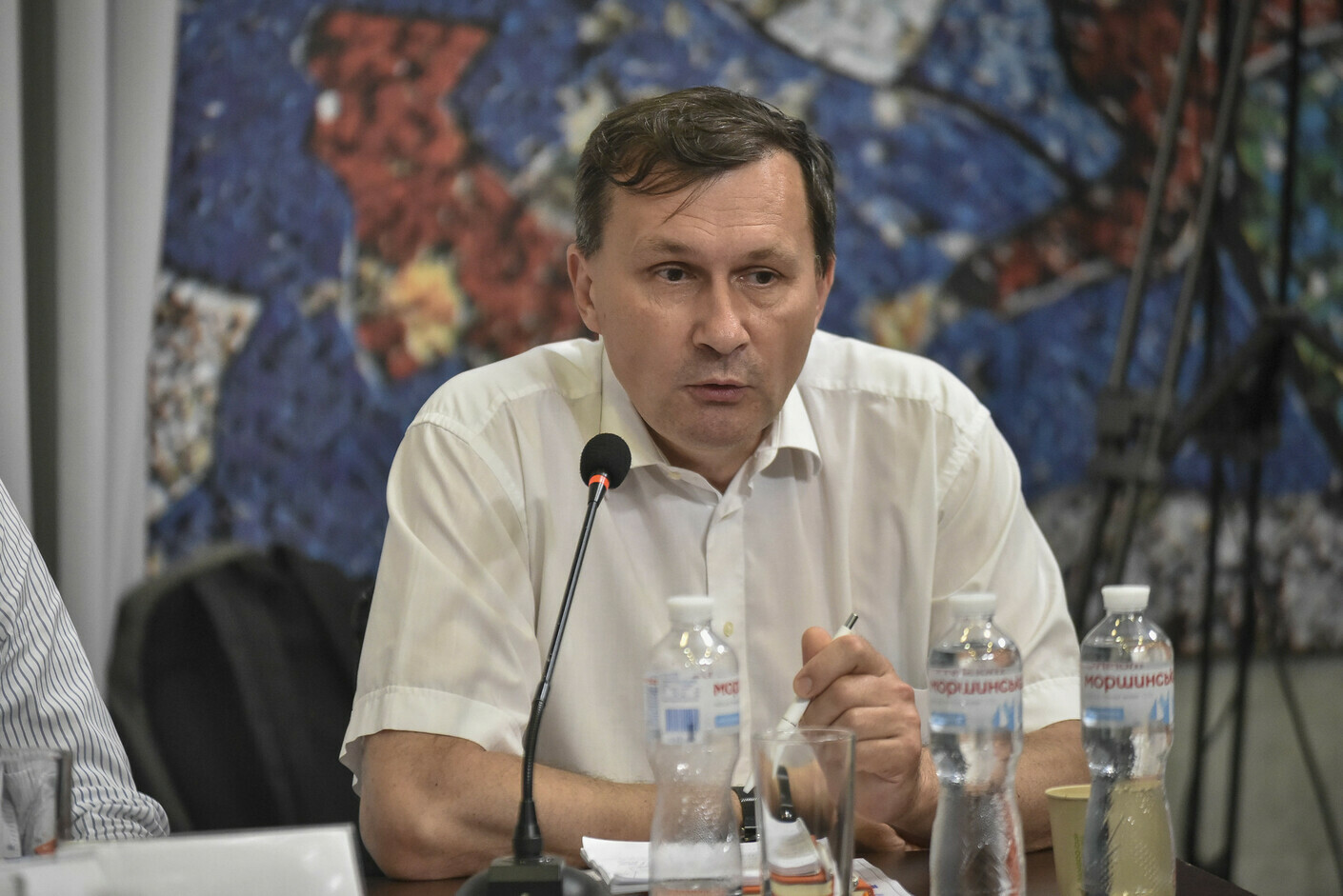
Yaroslav Zhalilo, Deputy Director of the National Institute for Strategic Studies, underscored that the study is important both as a research resource and as a practical guide. Yet, he emphasised that there is no universal approach, and Ukraine has to do its own “homework”.
‘Strategy is not about how to allocate money, but about how to generate money. Strategies should be broader than current budgetary constraints in order to overcome those constraints. Otherwise, you will never overcome them,’ said Yaroslav Zhalilo.
He also suggested taking a broader view of the content of regional policy.
‘The approach that regional policy is merely about addressing disparities is somewhat outdated. Today, the focus is on addressing disparities in the ability of regions to realise their potential. This is the key point,’ he remarked.
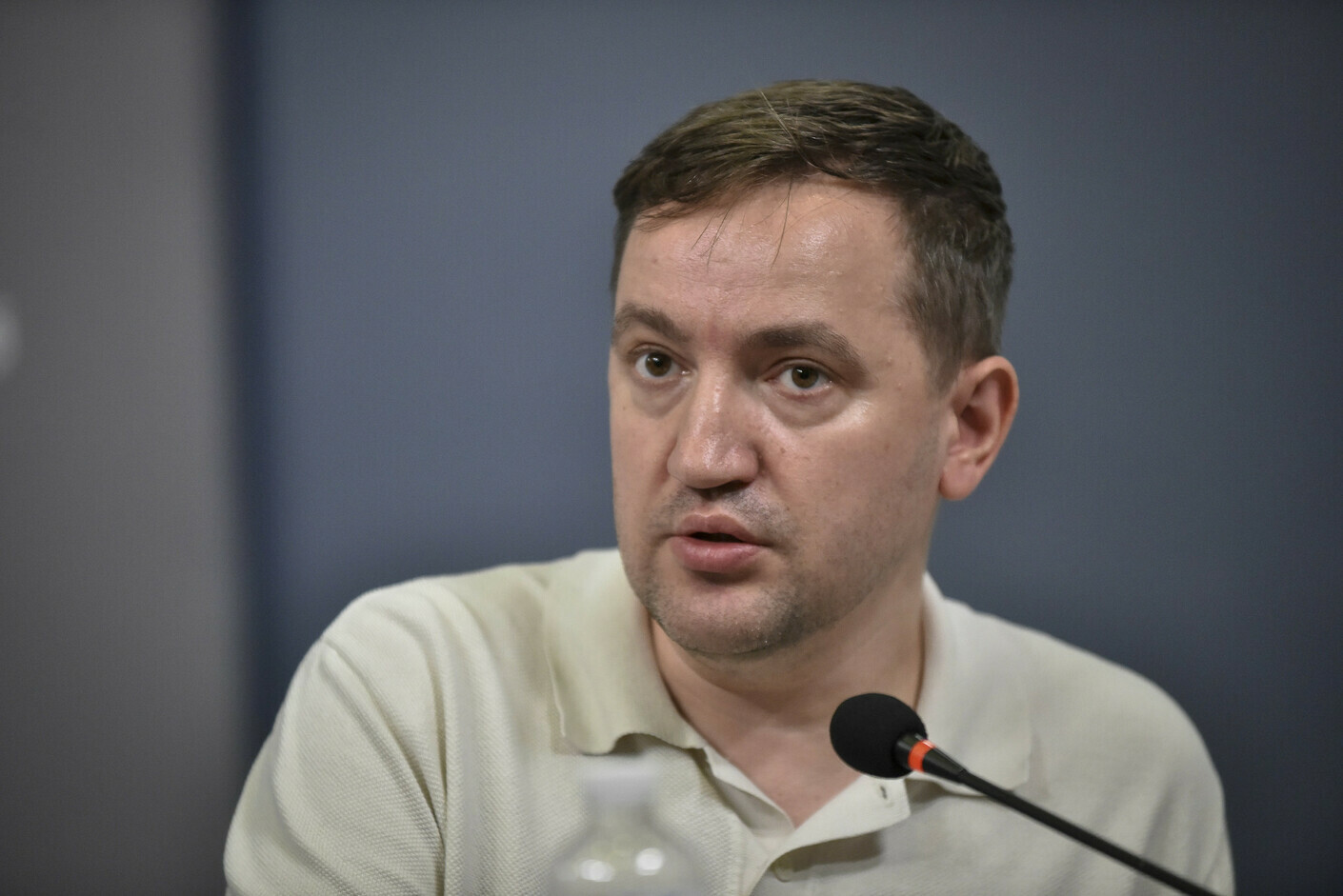
Oleksandr Solontai, Chair of the Board – Chair of the Steering Committee of the Agency for Recovery and Infrastructure Development, pointed out that European experience will help explain the essence of the new regional policy to communities and cities.
‘There is often a lack of arguments for representatives of cities, regional centres, and suburbs of agglomerations that view the revision of regional policy in the context of European integration with caution and fear they will be cut off from resources. Experience from other countries shows that this is not true. It is about growth opportunities, about stimulating those who are already growing today, and about the possibility of creating added value for the region and the country through them,’ he said.
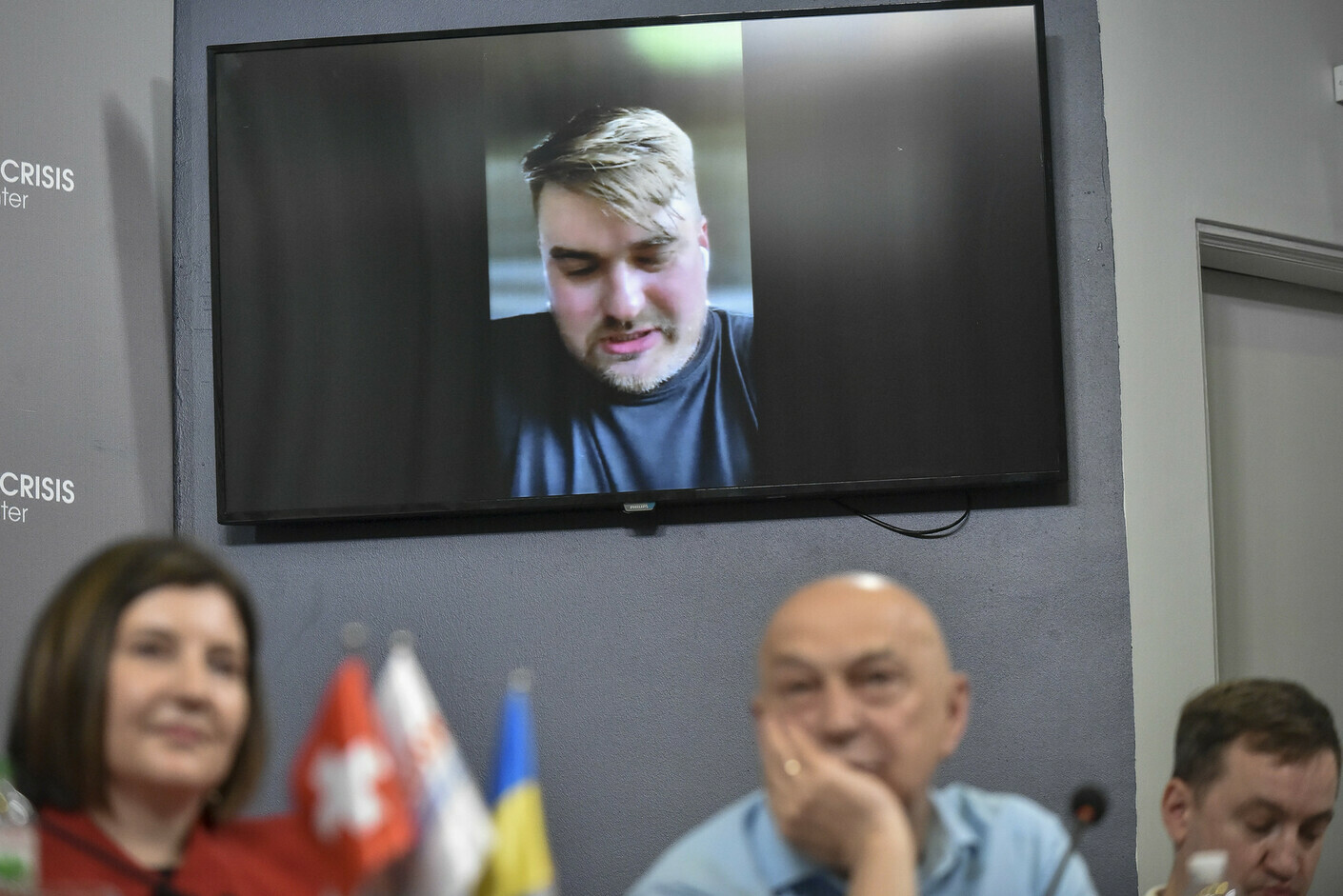
Pavlo Ostapenko, DECIDE Project Expert and Head of the NGO “Ukrainian Researchers Society”, emphasised that, when considering European experience, it is important for Ukraine to take into account not only the substance of the mechanisms, but also the political systems and the size of the countries whose experience is analysed. According to him, the most relevant examples for Ukraine may be those of unitary republics, in particular Poland, as well as countries comparable in terms of area and the complexity of governance.
‘We should focus primarily on the political systems of the countries included in the analysis. Unitary republics are the most suitable for us, rather than federations or confederations. And secondly, there is the size of the country. Because it is one thing to plan a strategy for a country of 30,000 square kilometres, and quite another for one of 600,000 square kilometres. Ukraine is the largest country in Europe, so these are processes of a completely different scale,’ noted Pavlo Ostapenko.
He also supported the idea of gradually aligning strategic and spatial planning, giving the example of Poland, which is moving towards integrating its spatial concept and strategy into a single document. In his view, Ukraine may not be able to fully achieve this within the next planning cycle, but it needs to prepare thoroughly for the cycle after that.
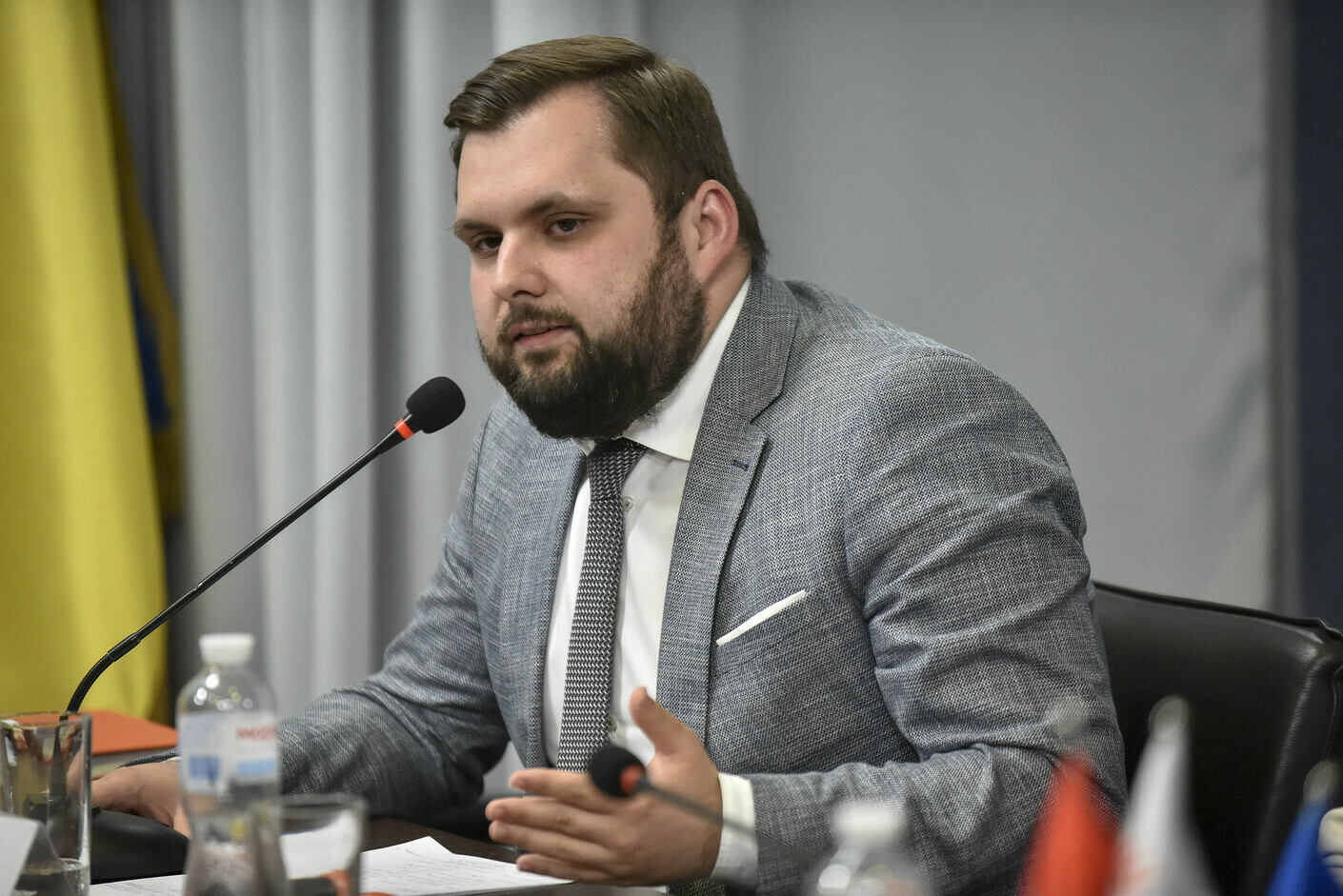
Dmytro Lyvch, Managing Partner of Civitta Ukraine, stressed that the war and European integration simultaneously pose a major challenge and a major opportunity for Ukraine – to reshape the economic geography of the country.
‘Nowadays, we often consider European integration as a process of harmonising legislation. But harmonising legislation is only a small part of what needs to be done to be able to operate in the same way as the European Union. These two trends – the war and European integration – pose a major challenge, but at the same time present an opportunity for Ukraine to adjust the economic geography that has developed over more than 30 years,’ he said.
He said that the new system of strategic planning should be simpler, more adaptable, and better aligned with the economic convergence of Ukraine with the EU.
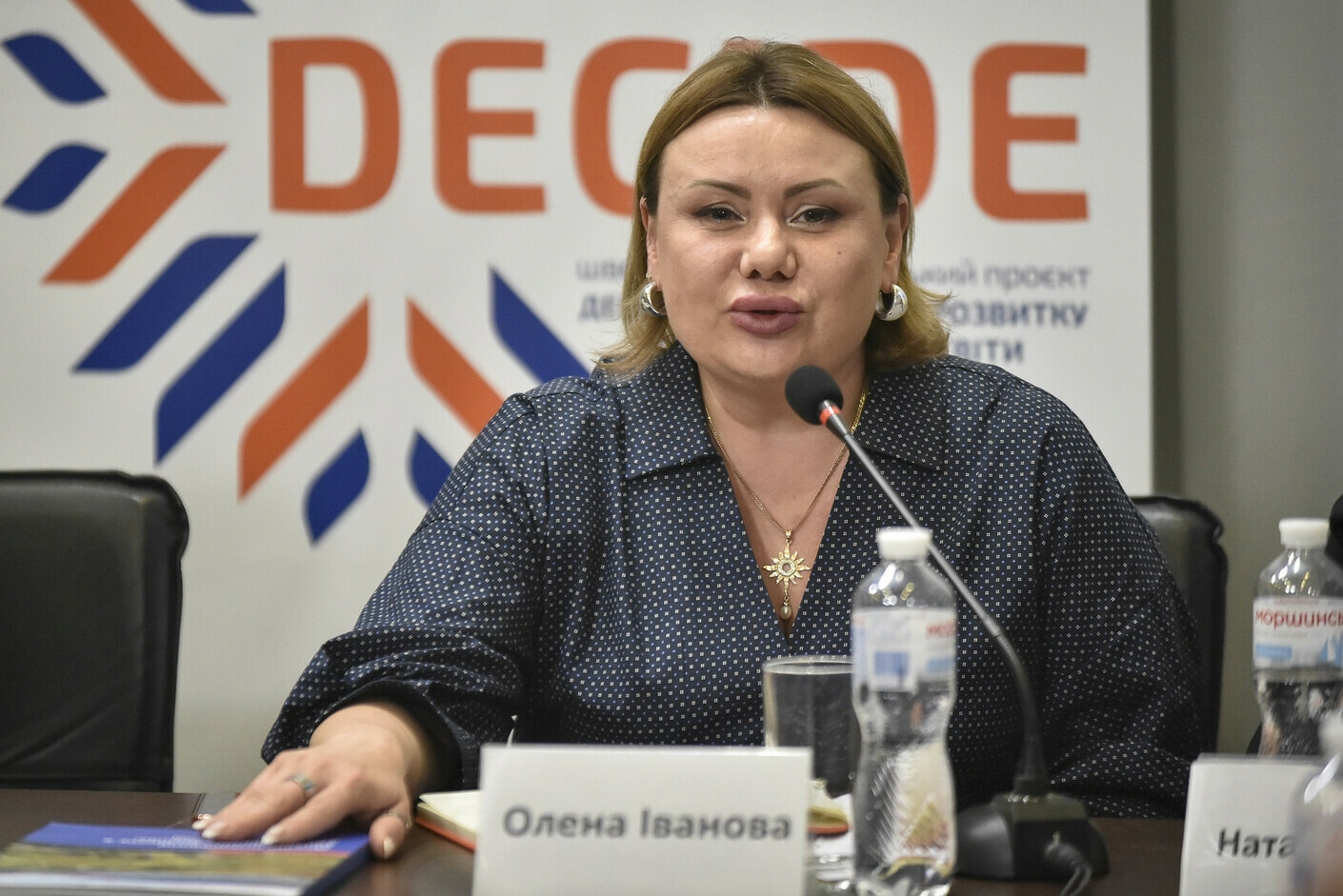
Olena Ivanova, Head of the Office for Community Engagement at the Odesa Regional Development Agency, emphasised that high-quality strategic planning is impossible without local experts.
‘A new phase in the culture of strategic planning is beginning. It is no longer optional or superficial – everyone begins to realise that strategy is important. But experts need to implement it at the local level. Therefore, we need strategic planners, project managers, and high-quality analysts who should be integrated into local and regional institutions,’ she said.
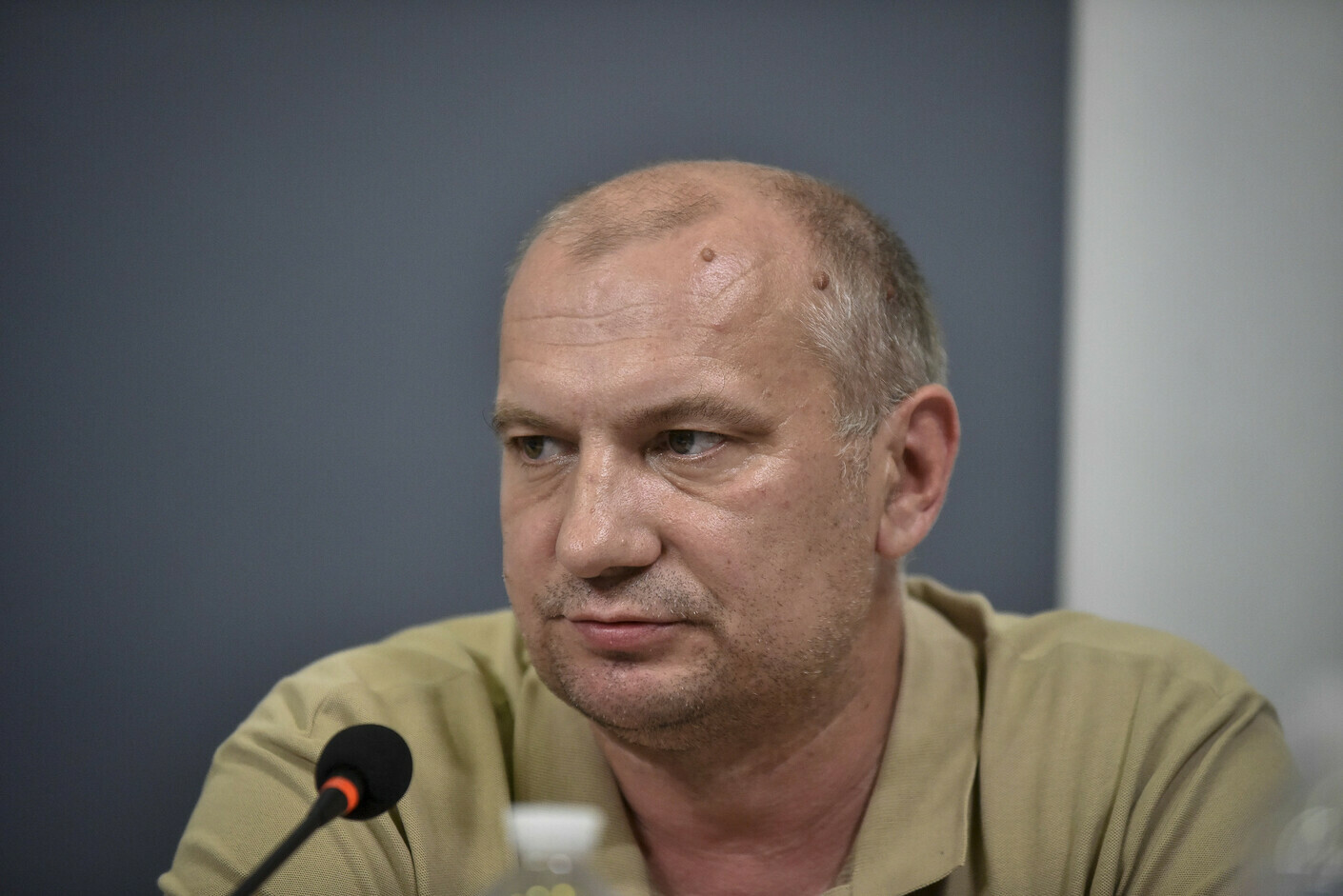
In conclusion, Serhii Sharshov, Deputy Executive Director of the All-Ukrainian Association of Amalgamated Territorial Communities, highlighted several issues that require further discussion: joint strategies for communities, the definition of urban and rural territories, the impact of the new EU budget architecture on the role of regions and communities, and the human-centred nature of the financial system for local self-government.
‘If we claim that the individual should be at the heart of everything, then we should change the approach to the payment and collection of personal income tax at the local level. The current system, which focuses not on the individual but on the employer or investor, actually exacerbates the imbalance and distances us from a policy of social cohesion,’ said Serhii Sharshov.
The discussion showed that, for Ukraine, the European experience of strategic planning is important not as a ready-made recipe, but as a collection of decisions, mistakes and models that will help shape its own system. It should be compatible with EU rules, but at the same time take into account the reality in Ukraine: the war, different types of territories, the need for restoration, limited data, differences in the capacity of communities and regions, as well as the need to prepare quickly for the new programming cycle for 2028–2034.
The main conclusion of the discussion is simple yet demanding: Ukraine should not wait for generous European funding, but should start right now to establish the rules, institutions, documentation, data and administrative capacity without which such funding will not lead to development. Because strategy is a way of agreeing on the direction the country is taking, who is responsible for what, and how to ensure that people in every community feel the impact of development.
Attached files:
Tags:
Source:
Портал "Децентралізація"
19 June 2026
«Старі методи профорієнтації вже не працюють». Як у Броварському коледжі закохують дітей у професії
«Старі методи профорієнтації вже не працюють»....
Колись профорієнтація від закладів профтехосвіти виглядала так: агітбригада приїздила до школи, розкладала буклети й...
19 June 2026
Бюджетна декларація 2027–2029: ключові аспекти, що стосуються місцевого самоврядування
Бюджетна декларація 2027–2029: ключові аспекти,...
KSE Institute: Юлія Маркуц, Андрій Дарковіч, Владислав Шиманський Бюджетна декларація на 2027–2029 роки...
18 June 2026
Проєкт DECIDE – партнер Фестивалю «Вчителі майбутнього»
Проєкт DECIDE – партнер Фестивалю «Вчителі...
18-19 червня у Львові відбудеться Фестиваль «Вчителі майбутнього», який збере освітян, управлінців, експертів,...
18 June 2026
Уряд затвердив Середньостроковий план пріоритетних публічних інвестицій держави на 2027–2029 роки
Уряд затвердив Середньостроковий план...
Кабінет Міністрів України затвердив Середньостроковий план пріоритетних публічних інвестицій держави на 2027–2029...