How training with U-LEAD with Europe is changing Hrechani Pody community’s approach to accessibility, veterans, and its own resilience
The programme focuses on adaptive management and working through crises. One thing the head took away from the experience, however, was an understanding of her own limitations and resources.
‘After working with the psychologists, we realised how much stress we were under, and I told them: “You have restored 30% of my positive outlook on life.” I’ve learnt to put those negative feelings out of my mind a little bit, because you have to carry on living,’ she says.
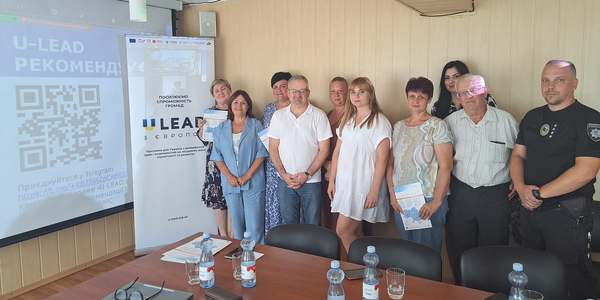
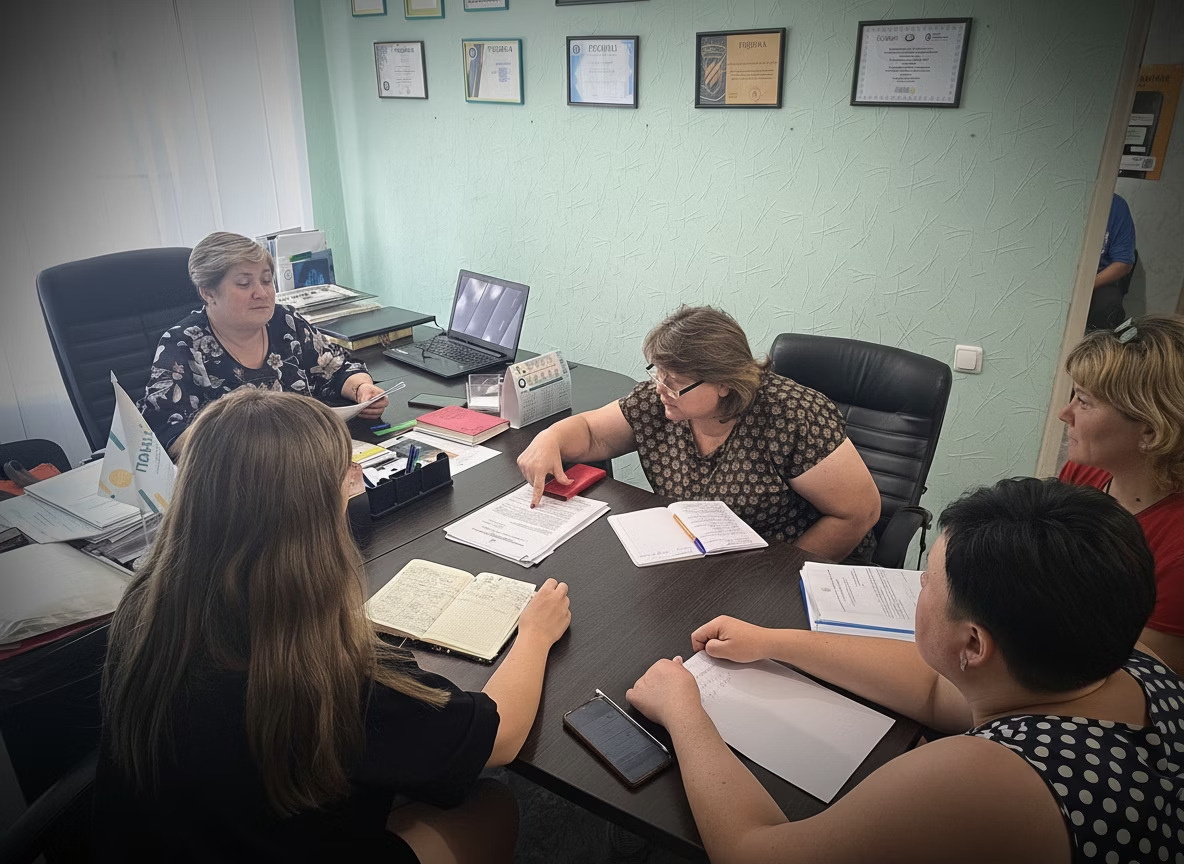
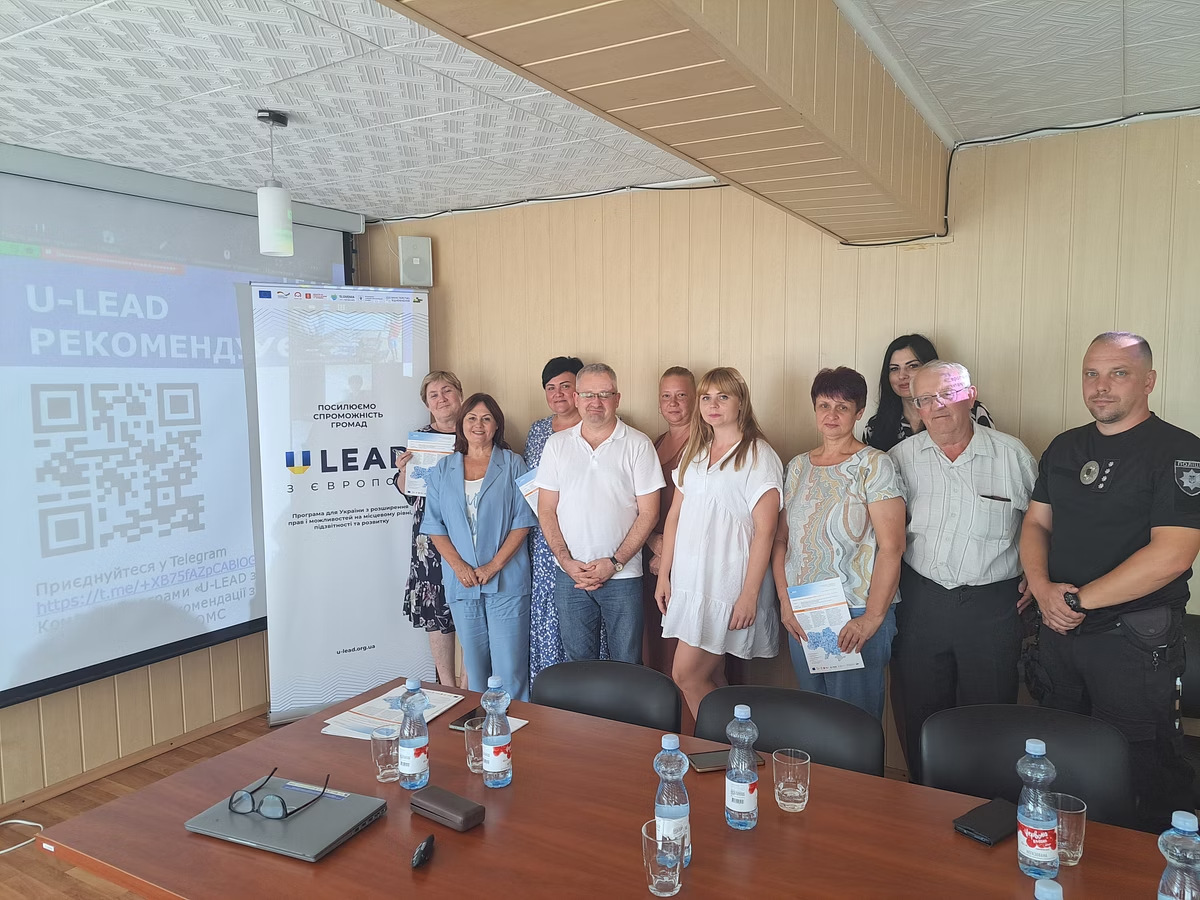
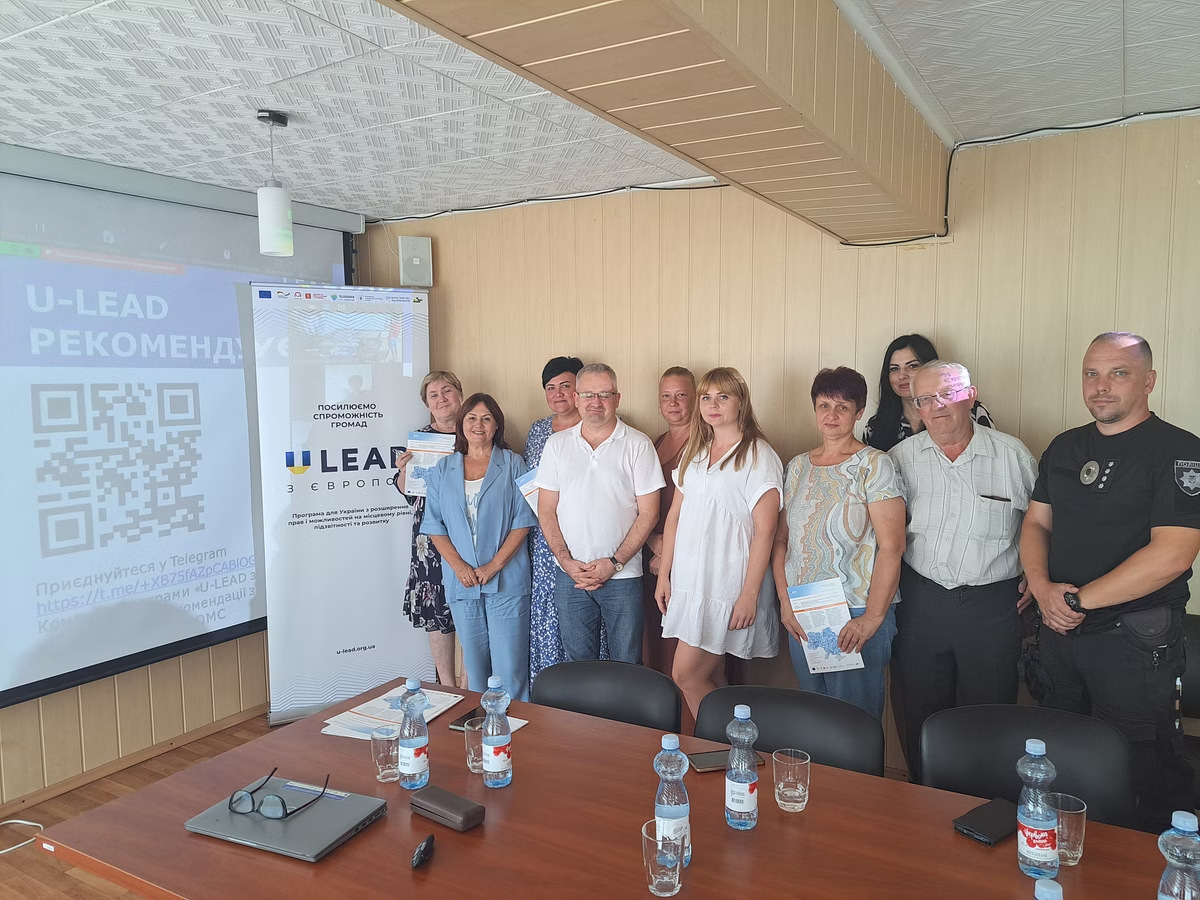
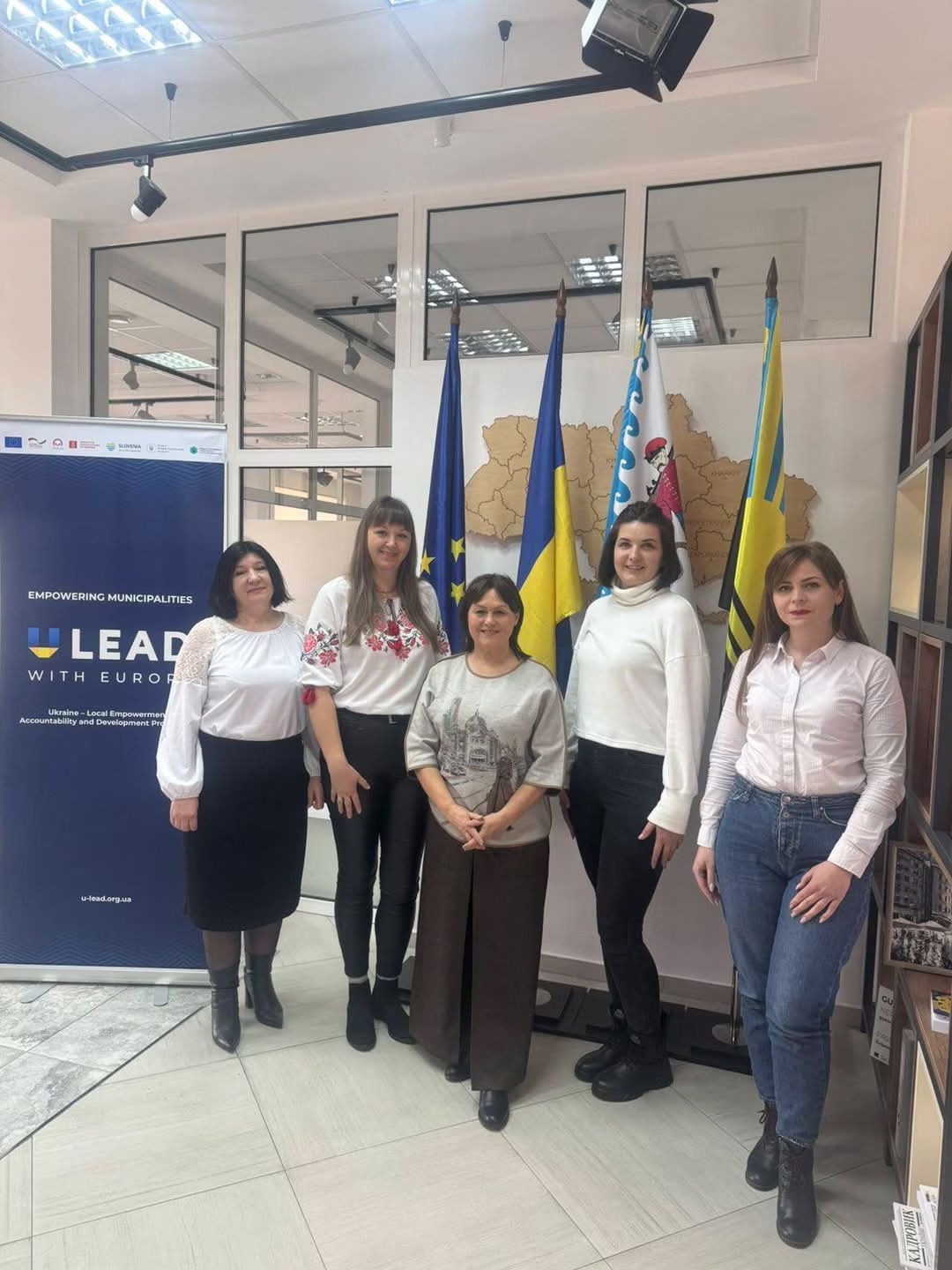
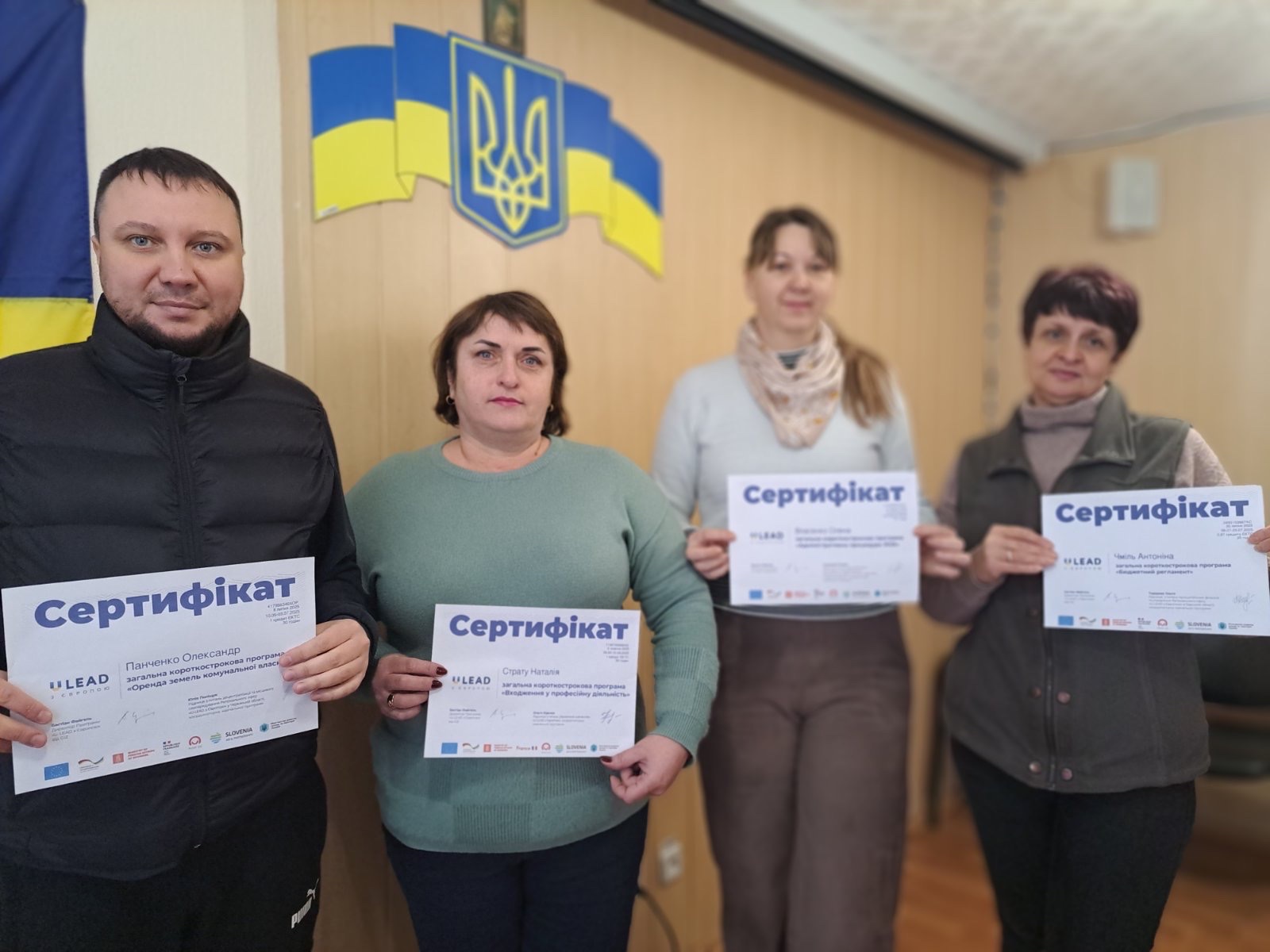
This is just one of the six areas in which professionals from Hrechani Pody Village Council received training from U-LEAD with Europe in 2025. Last year, the community was very active in joining the training sessions, and the team is already putting the knowledge and materials they gained to use in their day-to-day work – from drawing up land contracts to making management decisions. And in some areas, the training has already yielded tangible practical results.
When accessibility becomes a norm rather than an exception
Before joining the training, the team members had a general idea of what to expect: they had picked up bits and pieces here and there. A council official took part in U-LEAD initiative on barrier-free access – and what had previously been fragmented knowledge from various sources has now come together to create a complete picture.
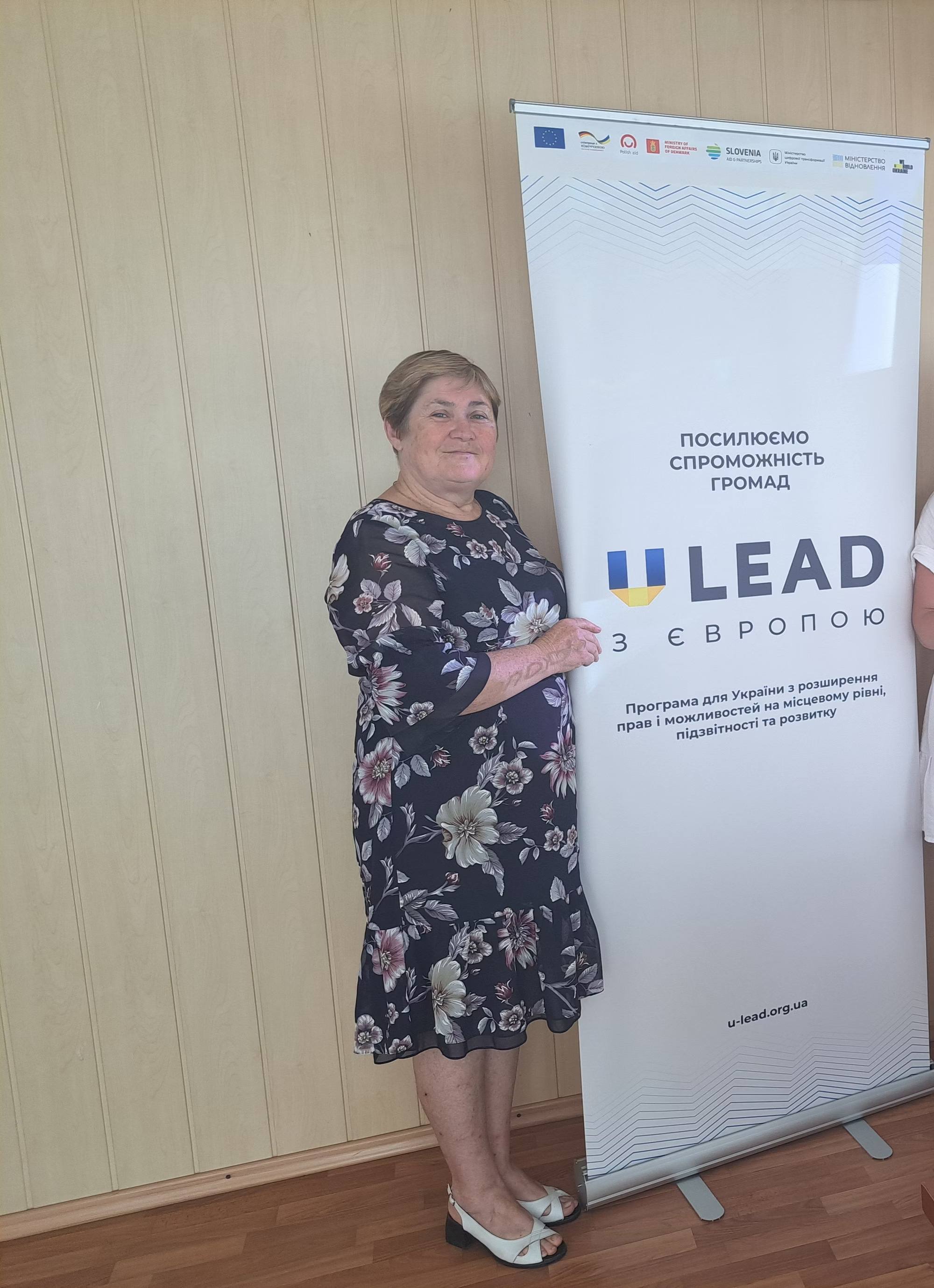
‘Once it was explained systematically, everything fell into place,’ says Halyna Usyk.
The first visible result was the major refurbishment of the outpatient clinic: a ramp, tactile paving and additional doors – all in compliance with the guidelines of the Ministry of Health. More importantly, however, accessibility has become an integral part of day-to-day planning.
‘Whenever the question arises – whether we are opening a community centre after renovation or designing a road – accessibility is now a must,’ explains the Head of the Council. The community is already considering ways to ensure that people with disabilities can travel seamlessly from their homes to the outpatient clinic, the Administrative Services Centre or other public facilities – not just to enter the building, but to get there in the first place.
That experience was not kept to just the community itself. After completing the training, they shared their experiences with communities in Dnipropetrovsk and Kirovohrad regions, as they already had something to contribute.
Veteran policy: no waiting around – time to get looking
Those returning from the line of duty rarely seek help on their own – even when they need it. Once the council officer had completed a U-LEAD with Europe training course on working with veterans, one thing became clear: support cannot be passive.
‘They are so humble that it is very difficult for them to ask for help on their own,’ says Halyna Usyk. For this reason, following the training provided under the “Working with Veterans” initiative organised by U-LEAD with Europe, the council’s approach has changed: rather than waiting for people to contact them, they now reach out themselves – through relatives, spouses, and those close to the veterans. Practitioners and NGOs are brought in to help those in need of psychological support.
Meanwhile, the community is looking for long-term solutions. The community recently signed a memorandum of understanding with Korets community in Rivne region, home to a medical centre offering radon baths known to be beneficial for the nervous and musculoskeletal systems. They will now be organising trips there for veterans. There are plans to convert the premises of the former kindergarten into flats for those who have returned from the war and are in need of accommodation.
Learning as an ongoing process
These developments in Hrechani Pody community are no coincidence. When training involves the whole team rather than just one specialist, and everyone applies what they have learnt in their own field, this is no longer a matter of individual skills but of institutional capacity. That is exactly how Olena Tertyshna, Head of the Regional Office of U-LEAD with Europe in Dnipropetrovsk region, sees it:
‘Hrechani Pody community is a great example of how U-LEAD training strengthens the institutional capacity of local government officials and teams to perform their duties in conditions of war, with a tangible impact on the lives and communities they serve. When an entire council team receives systematic training across various areas and applies it in practice, the community gains a holistic vision of the area’s development and learns to make the right decisions for the benefit of its residents. This approach is important for the development of local self-government in the region, as it helps communities master the management tools that enable development projects and attract additional resources.’
For the team at Hrechani Pody Council, the resources and knowledge gained through U-LEAD programmes have become a practical tool that they draw on regularly. Legislation is constantly evolving, and having reliable guidelines, knowing where to find the answers and how to apply them correctly, means making confidently informed decisions rather than acting blindly. These are, according to Halyna Usyk, the practical benefits of the training.
04 May 2026
Нові підходи до податків і ресурсів: ВАГ...
На Хмельниччині відбувся Щорічний Саміт Всеукраїнської асоціації громад, де представили оновлений законодавчий...
04 May 2026
Громади можуть швидше знаходити фінансування на...
Мінекономіки повідомляє, що для досягнення цілей Національного плану з енергетики та клімату (НПЕК) потрібні не лише...
01 May 2026
Розвиток партнерств та ініціативи у сфері культури – нові каталоги можливостей для громад
Розвиток партнерств та ініціативи у сфері...
Новий місяць – нові можливості для активної роботи та сміливих рішень. Тут громадам стануть в нагоді...
01 May 2026
Уряд запускає експериментальний механізм...
Кабінет Міністрів України ухвалив постанову від 24 квітня 2026 № 520 «Про реалізацію експериментального проєкту щодо...