New knowledge brings new standards: How training for professionals in Izium is improving the quality of healthcare services in the community
Tetiana Slipushkina, the Head of the Health Department under the Executive Committee of Izium City Council, states:
‘Training and consultations with experts have helped us to view healthcare facilities as modern service providers that must compete for patients’ trust and deliver high-quality services.’
On the road to becoming a competitive enterprise
Following expert advice, the community has introduced criteria for assessing the performance of institutions and their managers. This enabled a shift from formality-based control to quality management.
As Tetiana Slipushkina explains, in the past, significant competition existed mainly among dental practices. Today, however, the situation is drastically different: the community now has private practices run by a surgeon, a general practitioner, a dermatologist and an ophthalmologist. In addition, there are mobile crews and charitable medical teams at work, and they also need to be competed with for people’s trust.
‘Even if it seems that the community is small and the patients will not go anywhere anyway, that is not really the case. People choose quality service, speed, comfort and customer care. The training placed particular emphasis on this very aspect – management. We were told in no uncertain terms: You will have to operate in a competitive environment. And today we are really feeling the effects of that,’ says the head of the department.
These days, institutions set their own performance targets, which influence staff bonuses, departmental development planning and the introduction of new services. This approach encourages staff to work towards achieving results, to improve their professional skills and to uphold the institution’s reputation.
Through people’s eyes: service and attention to detail
An important tool that was successfully introduced following the “Steps” was patient satisfaction monitoring. Whereas certain things used to be taken for granted, every piece of feedback now serves as a catalyst for change.
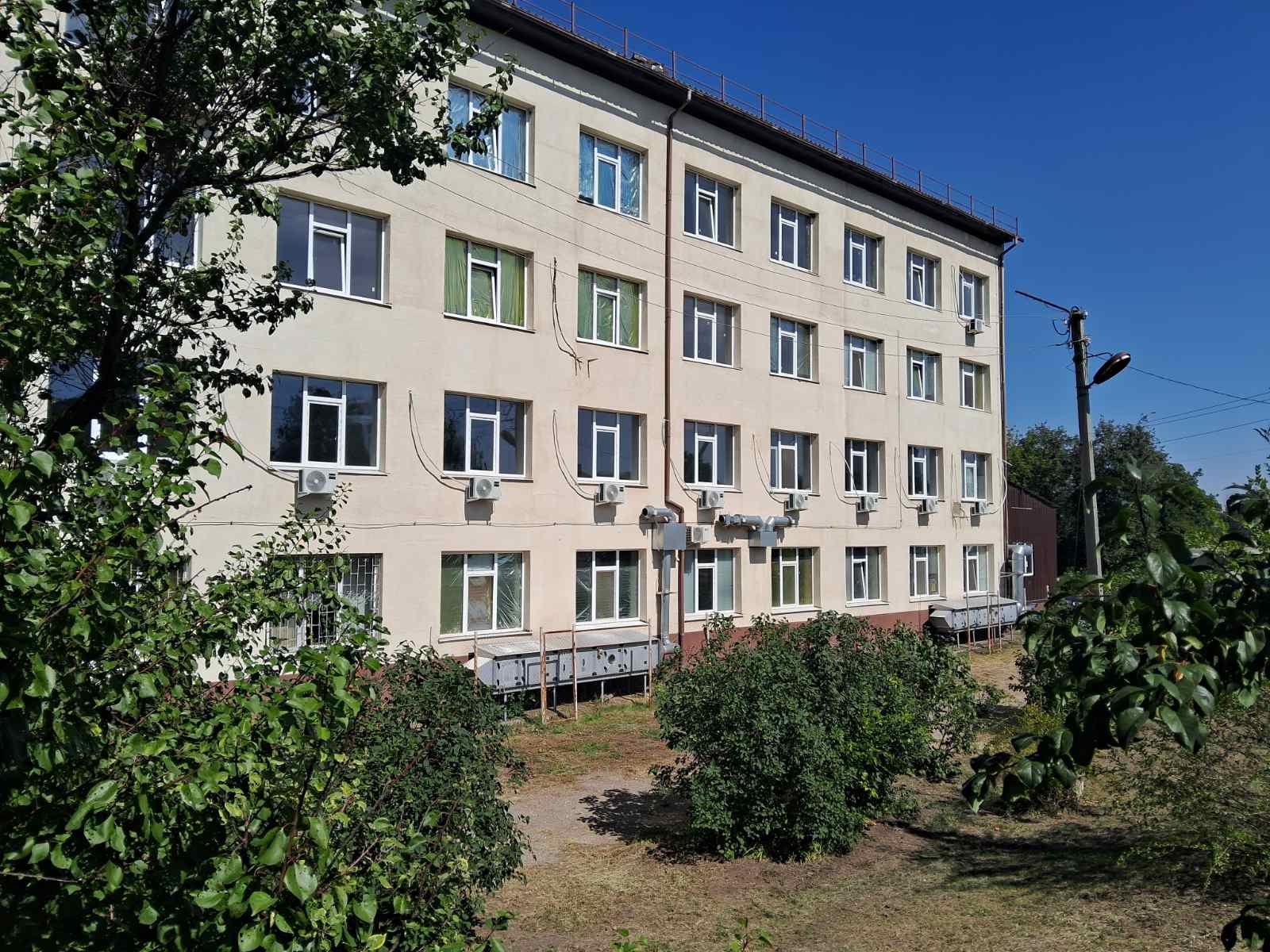
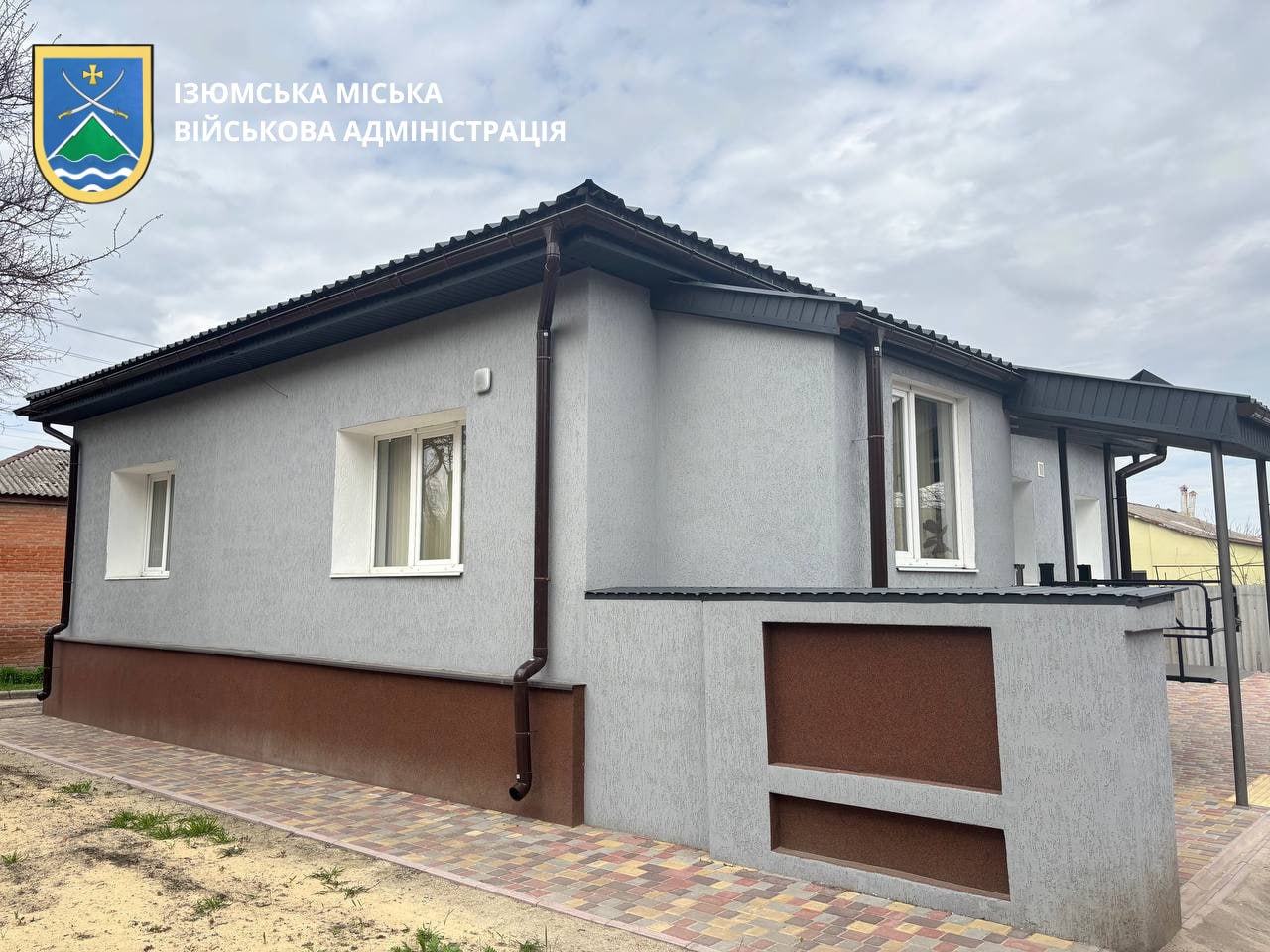
Tetiana Slipushkina says that many things used to seem routine, but seeing them from the outside changed her perspective. Hospitals now have “feedback and suggestion boxes” and conduct online surveys. According to the head of the department, air conditioners were purchased after patients complained of discomfort due to the heat in the general practice outpatient clinic. Given the growing number of residents with reduced mobility within the community, considerable effort is being devoted to ensuring accessibility. All buildings have been renovated and are now equipped with ramps, stair lifts and elevators. High-contrast stair signs, visual aids for people with visual impairments, and Braille signboards have been installed. Accessibility is no longer just a formality but a given.
Another important step is the creation of a single information centre. The aim is to enable people to make a phone call and receive a clear answer regarding services, booking an appointment or patient referral routes, without unnecessary queues or having to “run around from office to office”. The system is already partially operational at the primary level, and in the future the community plans to bring these services together into a single, user-friendly service hub.
Inspiring experiences and digital horizons
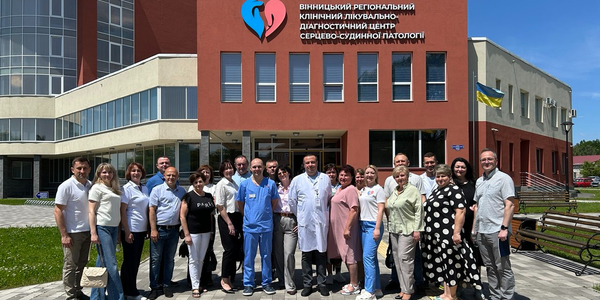
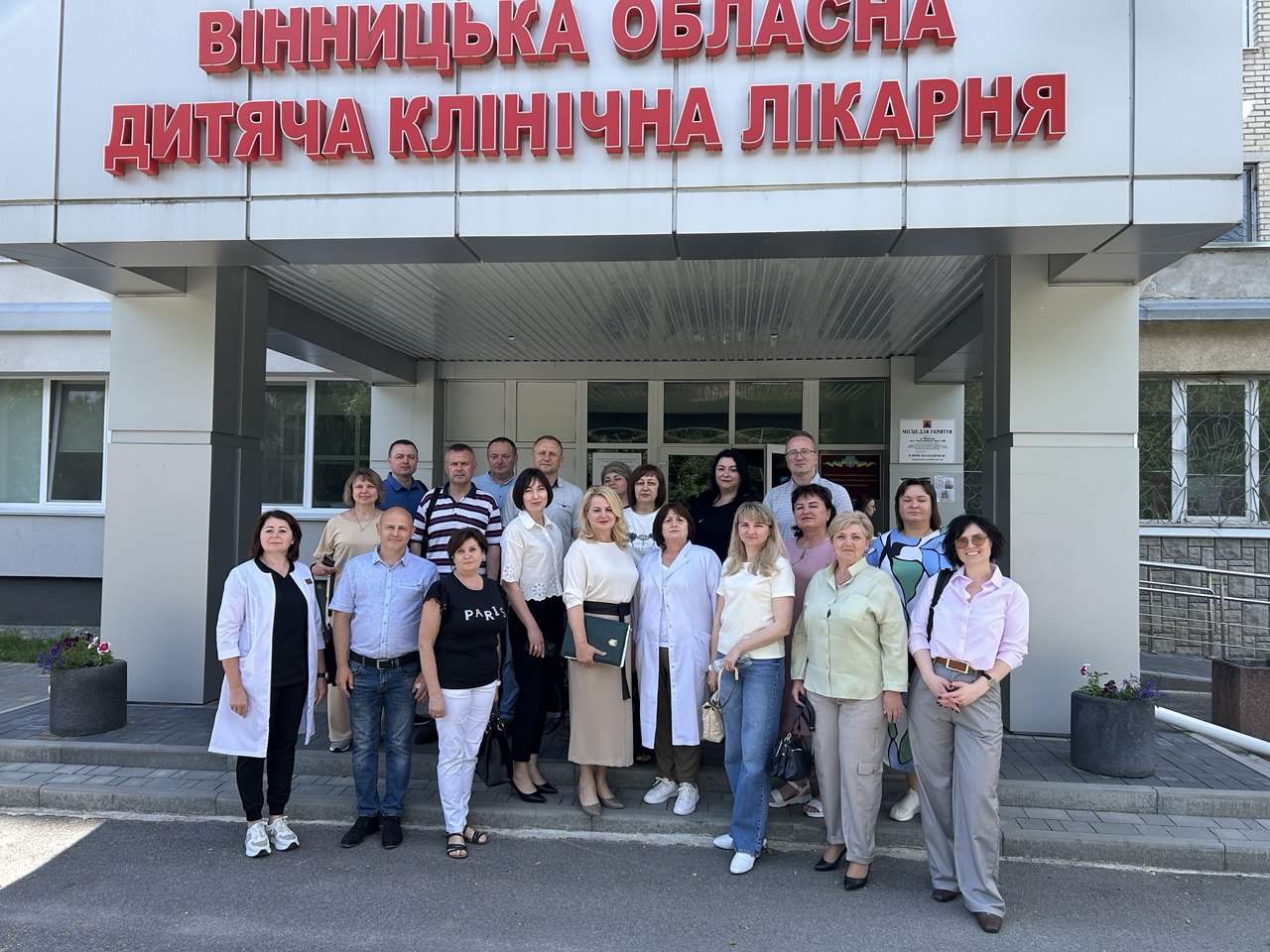
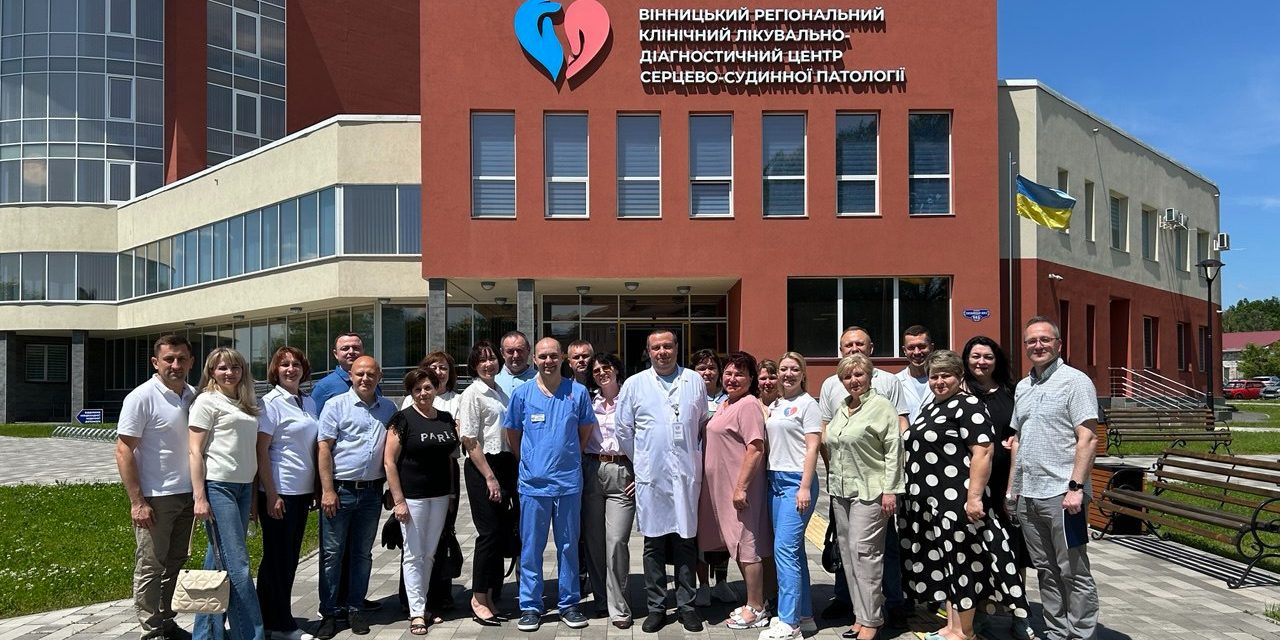
The study visit to Vinnytsia region, supported by U-LEAD, proved to be a memorable experience for the specialists from Izium, inspiring them to bring about systemic change. Tetiana Slipushkina recalls that at the time she was impressed by the effectiveness of the model of cooperation with IT specialists, who assist the administration and doctors in implementing digital solutions and securing grant funding.
Tetiana Slipushkina firmly believes that doctors should spend as much time as possible with patients, rather than on paperwork. That is why the community has made it a priority to create digital document templates, automate reporting and optimise internal processes.
This approach is vital, given the complex structure of the community’s healthcare facilities. There are currently two outpatient clinics operating in the city, and the rural network includes another two outpatient clinics and two medical and obstetric care facilities. As the community comprises 15 villages, mobile teams have been organised to visit the most remote localities. It is difficult to manage a system like this without modern tools for incentivisation and digitalisation.
New drive: working with young people
Staffing policy remains a major challenge for Izium, primarily in terms of attracting young professionals and developing the rehabilitation sector. Tetiana Slipushkina emphasises that the community has equipment that is one-of-a-kind in Ukraine, but it needs the expertise of professionals who are passionate about their work. That is why the Department of Health has begun working closely with the Youth Council under the Ministry of Health to identify and recruit young professionals.
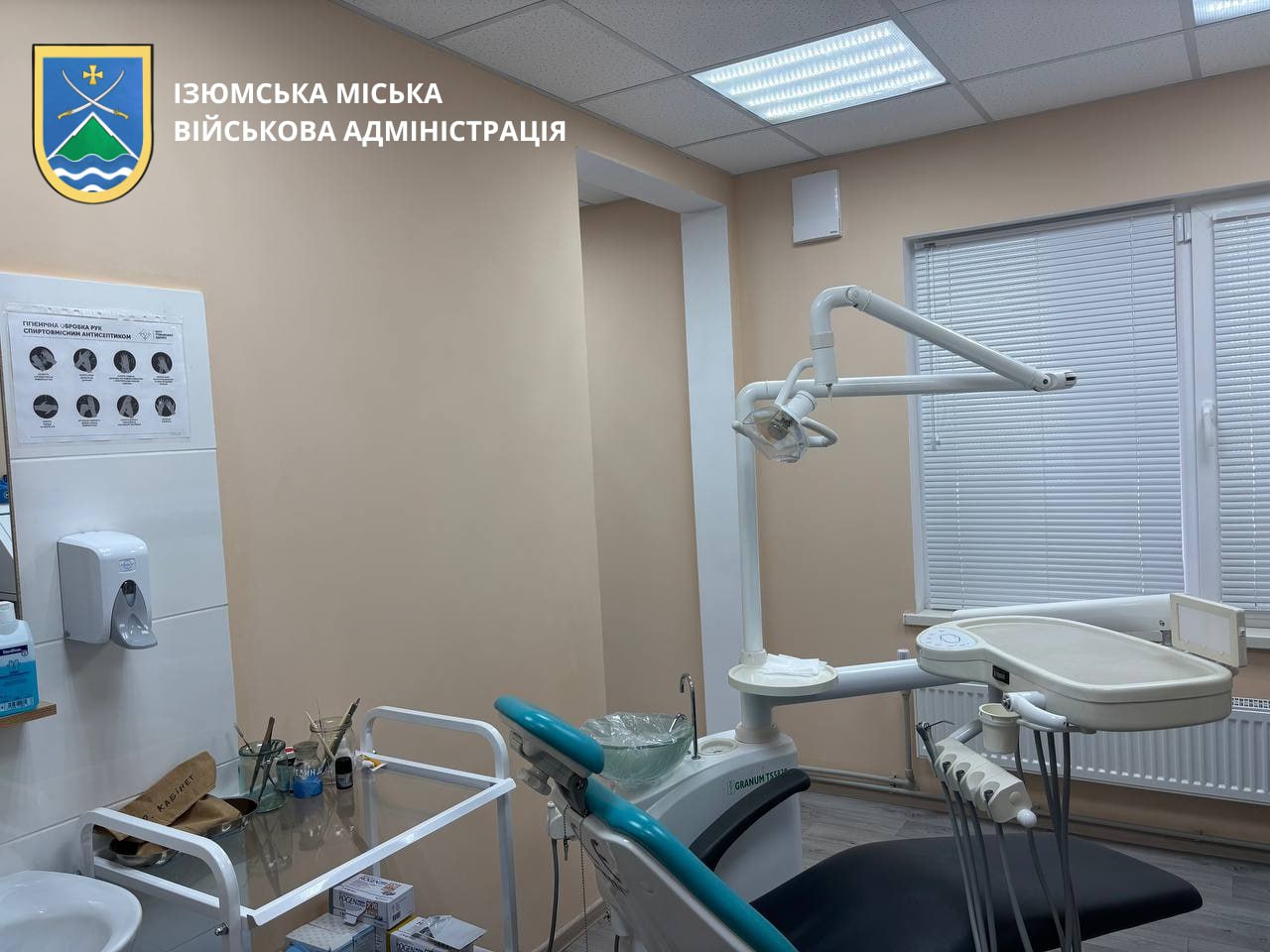
‘We are keen to attract new talent to the sector. One of the issues we are currently grappling with is the ageing workforce. If we do not work with young people now, the skills shortage will become even more acute in a few years’ time. Our strategy is to combine the experience of our senior colleagues with the drive of our younger staff. We are showing our graduates our refurbished departments, such as the Dental Department, which is headed by a 28-year-old woman. This is real proof that young people in Izium can do more than just work – they can lead the way in bringing about change,’ concludes the head of the department.
Strategy for the future: customer focus and sustainable development
Thanks to the knowledge gained, advice from U-LEAD experts and its openness to partnerships, Izium community is developing a new model of healthcare that is patient-centred, efficient and competitive.
These days, it is no longer just a matter of “providing services”; instead, they are systematically building a robust service, measuring outcomes, analysing people’s needs and making data-driven management decisions. Above all, however, the community is committed to continuously improving the healthcare system in line with modern standards and patients’ expectations.


15 June 2026
MES of Ukraine and Polaris Programme presented...
On 10 June, the Polaris Programme ‘Supporting Multi-Level Governance in Ukraine’, in cooperation with the Ministry of...
12 June 2026
Фінансування проєктів відновлення: де і як громадам шукати ресурси
Фінансування проєктів відновлення: де і як...
Відновлення українських громад — це передусім про здатність ефективно управляти ресурсами. За оцінками RDNA 5...
11 June 2026
Education of the future begins in communities:...
The success of the reform of specialised senior secondary education will depend on its implementation at the local...
11 June 2026
DECIDE Analytical Study: What Solutions from...
On 10 June, the Ukrainian Crisis Media Centre hosted a presentation of an analytical study of the experience of...