“This veteran space is all about support, respect and reassurance that you are not alone”
In the municipality of Myronivka, support for veterans moved beyond formality a long time ago. During the first year of the service, it was used by 361 people, including 132 veterans and serving military personnel, the rest of the service users were family members of the veterans and serving combatants. Five case managers work daily on issues relating to social security, processing of status applications and benefits, legal advice, psychological support, employment and reintegration.
“One of the pressing challenges currently facing local authorities is the development of social initiatives within municipalities, with a particular focus on the veteran community. Many municipalities include these issues in their development strategies and other policies. In some cases, they need a little help getting started, advice on the best way to go about it, the steps to follow, and who is already working in this field. From there on, the municipalities are already making steady progress on their own. One such example is the municipality of Myronivka in Kyiv Oblast, whose vision was shaped with the help of U-LEAD, whilst its successful implementation was ensured by local experts and committed donors,” says Hryhorii Pererva, the Head of the Regional Office of U-LEAD with Europe in Kyiv Oblast.
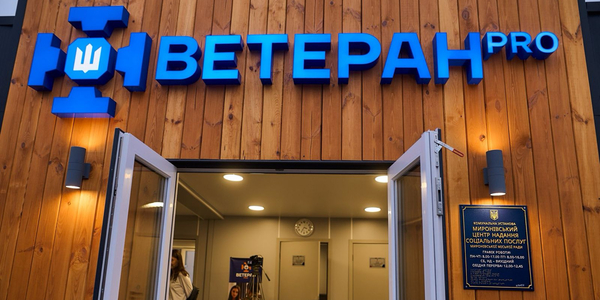
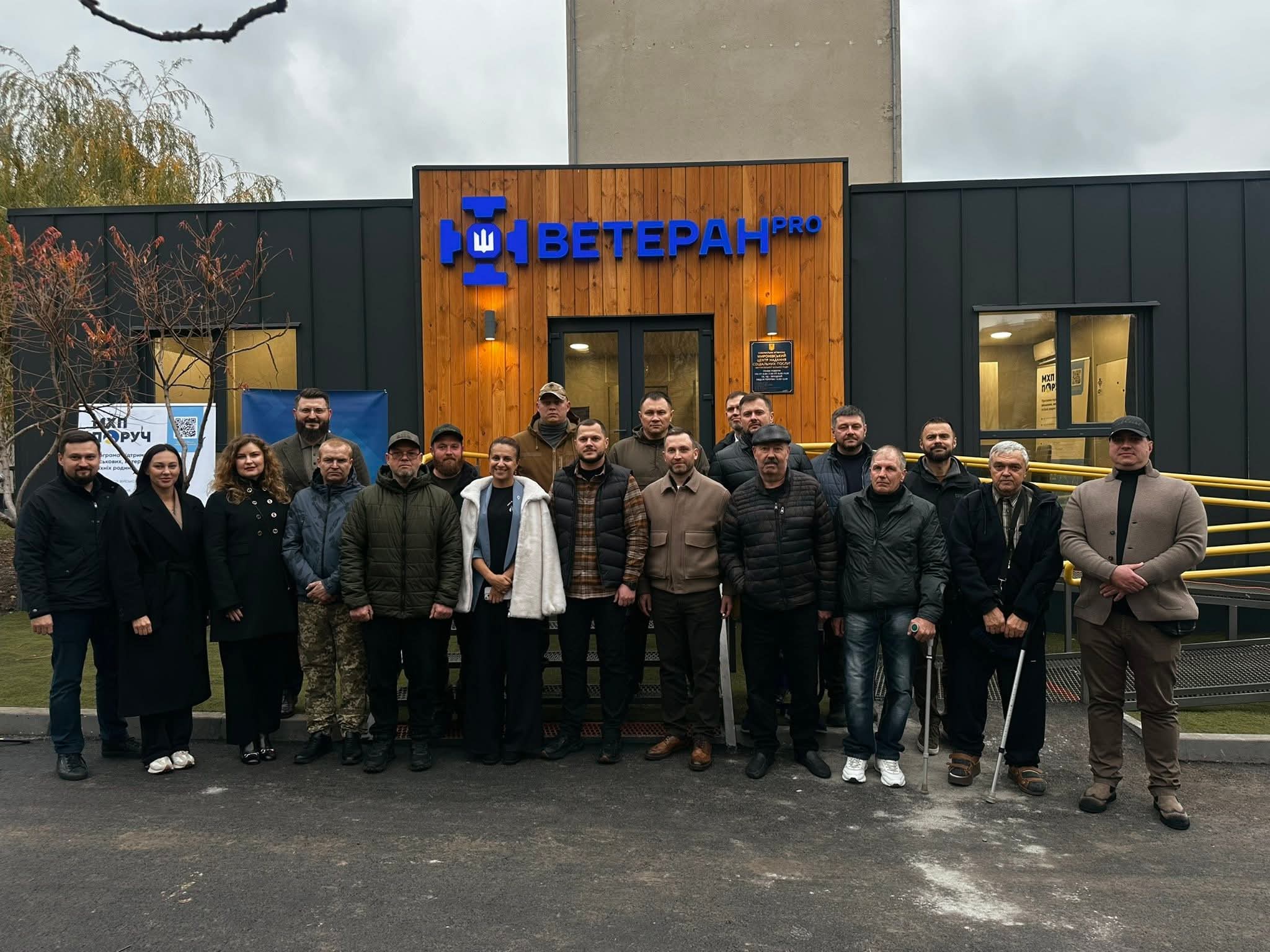
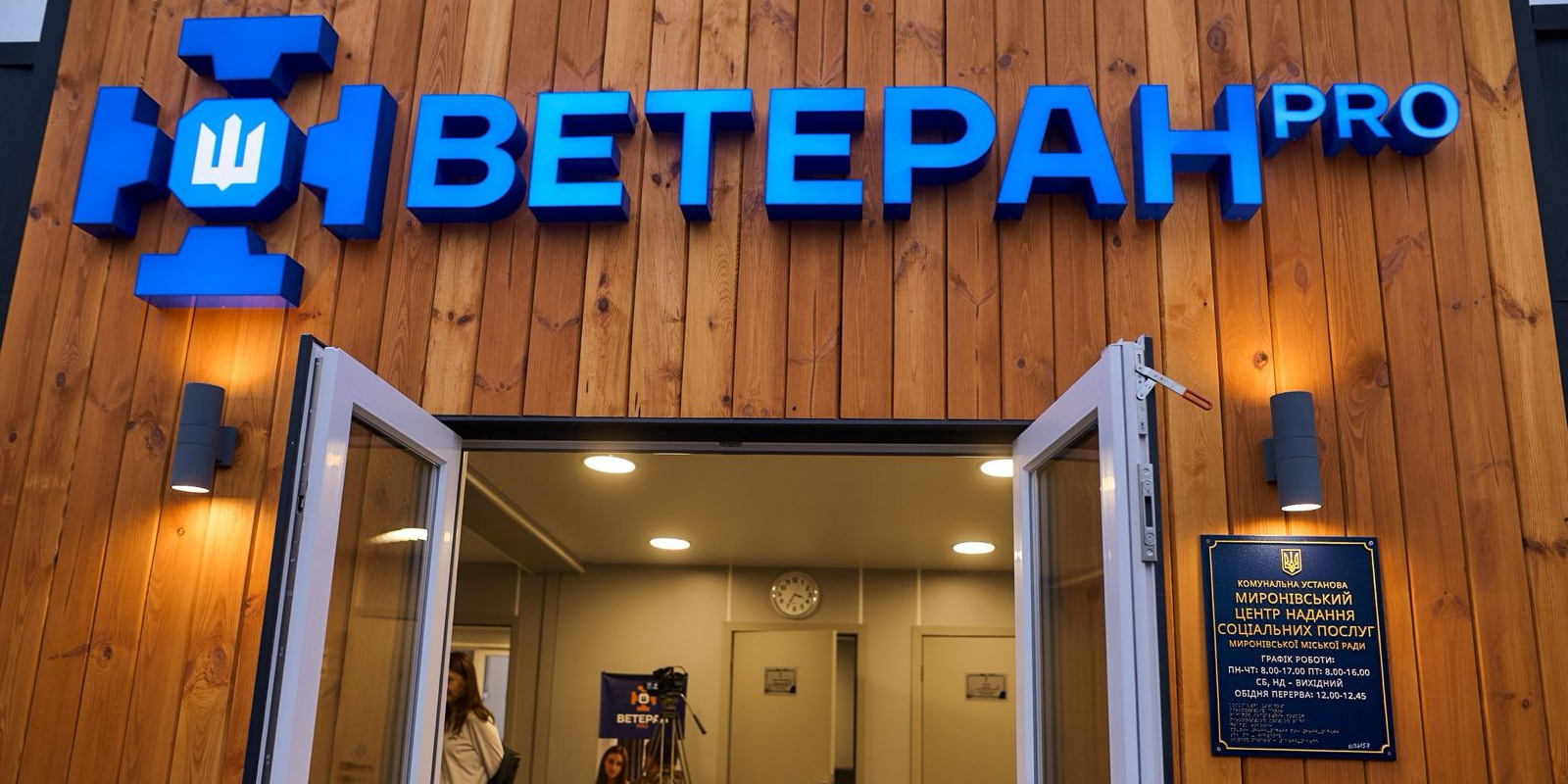
Veteran PRO, Myronivka Municipal Veterans’ Centre, marks not the beginning, but the next stage of this work. Before the space was officially launched, the team had been working on it for some time: developing an approach, testing solutions, and seeing what people brought with them and what they actually needed.
The backbone of this model is the day-to-day work of case managers. And that is where the Centre’s story begins.
“The idea was born out of a very real need within the municipality. We realised that veterans and their families needed more than just help with paperwork; they needed comprehensive support — a place where they could seek advice, be heard and feel appreciated. The initial push came from requests made by service personnel and their families, who were in need of comprehensive case management. The next step was for the local authorities and partners, including MHP-Hromadi Charitable Foundation, to join forces to create a peer-to-peer support group,” explains Tetiana Vasiechko, a Leading Case Manager, working with war veterans and demobilised personnel.
According to her, even before the space opened, it had been clear that most requests could not be broken down into individual ‘services’. People come to them with issues where social, legal and psychological factors are intertwined.
Most often, these are requests for help with obtaining official status, benefits, social security, legal advice, psychological support, as well as employment and reintegration after service. They come not only from the veterans themselves, but also from their family members and the families of those killed in action, reported missing or taken prisoner.
For this reason, the Centre immediately rejected the “office-based Q&A” approach and has adopted a different way of doing things — through case management.
“Veterans’ case managers do not make decisions on behalf of the individual, but rather assist them along the way – explaining procedures, supporting them in their dealings with institutions, and coordinating assistance. We do our best to ensure that people feel supported whilst retaining their sense of agency,” explains Ms Vasiechko.
This approach creates a different sense of space. What matters here is not just the advice given, but also how a person feels inside.
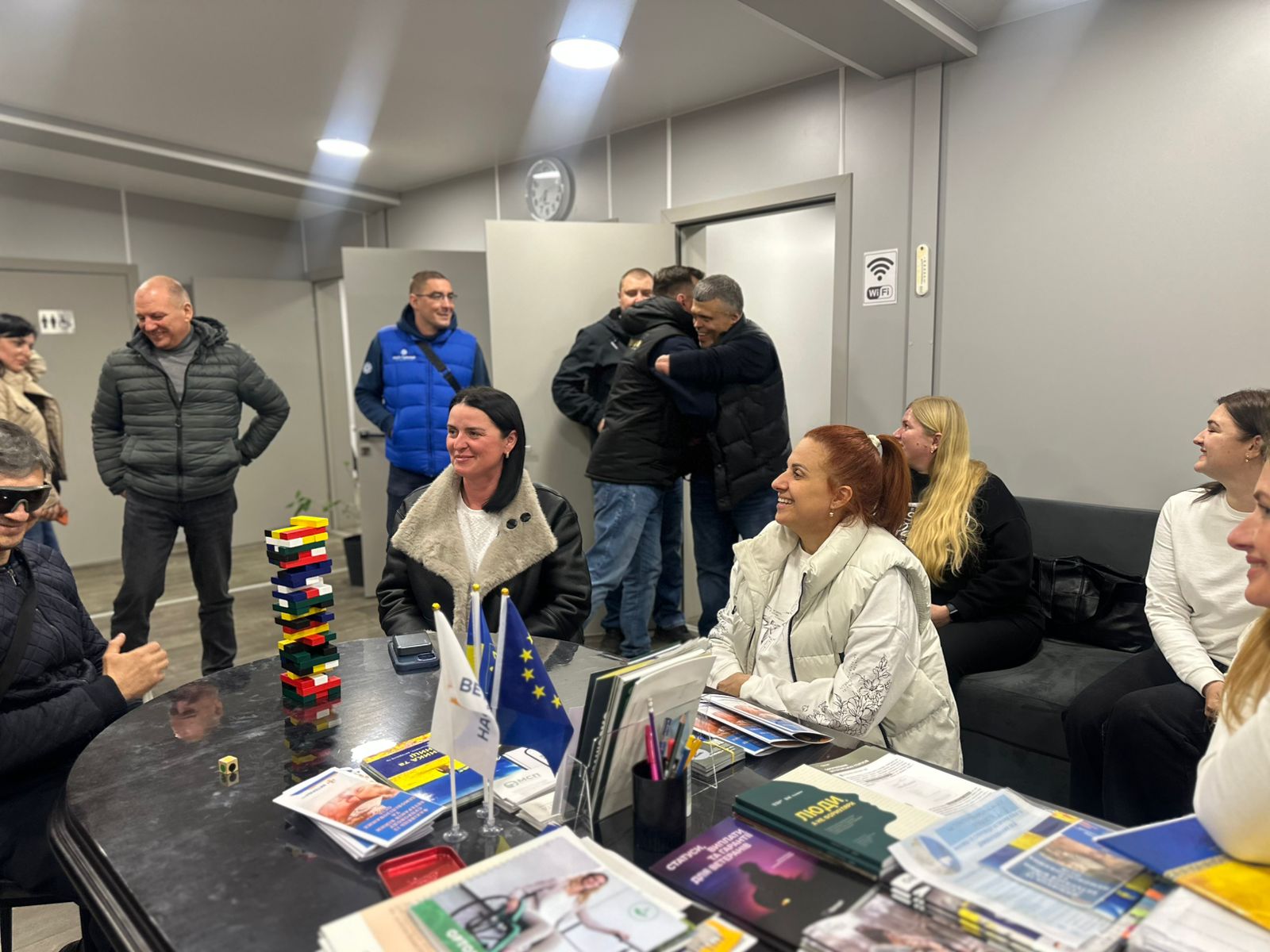
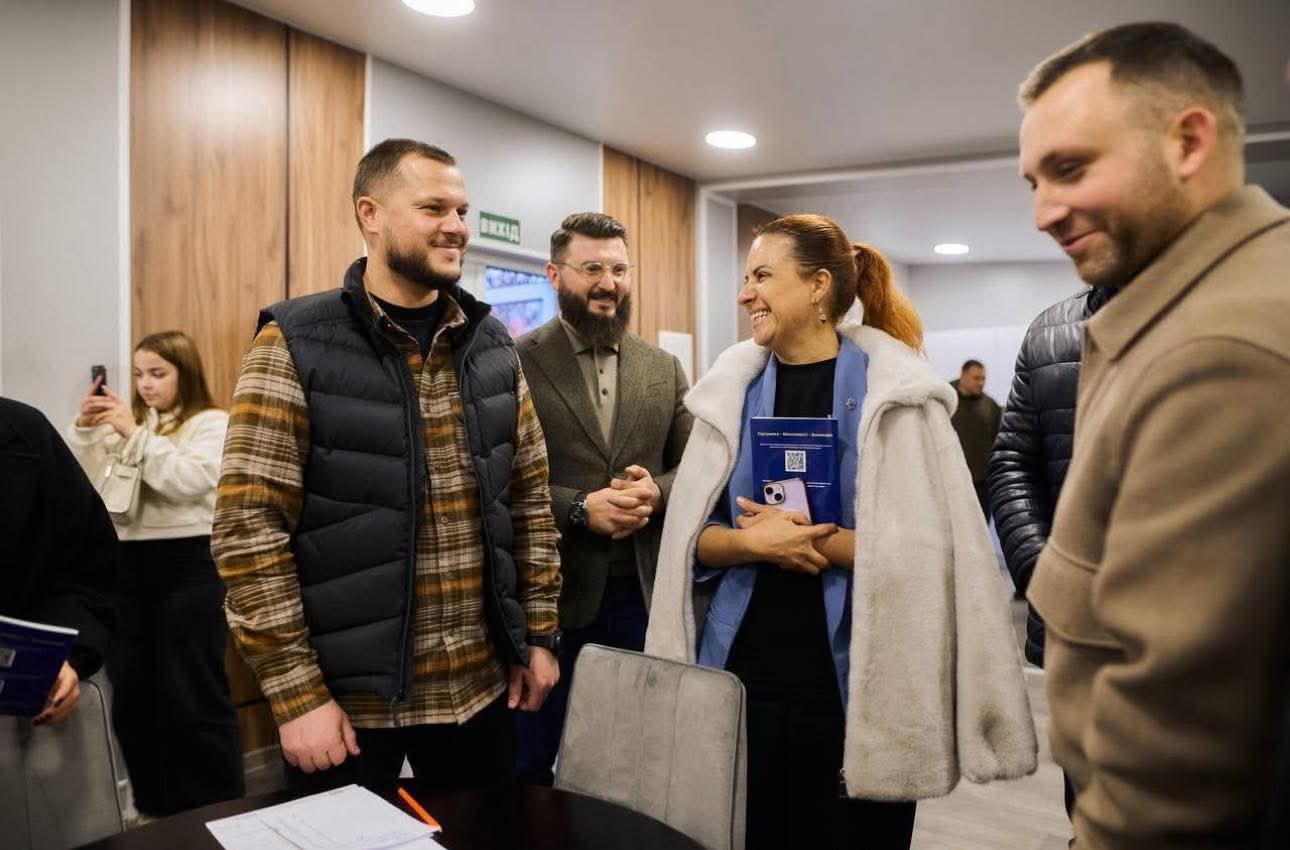
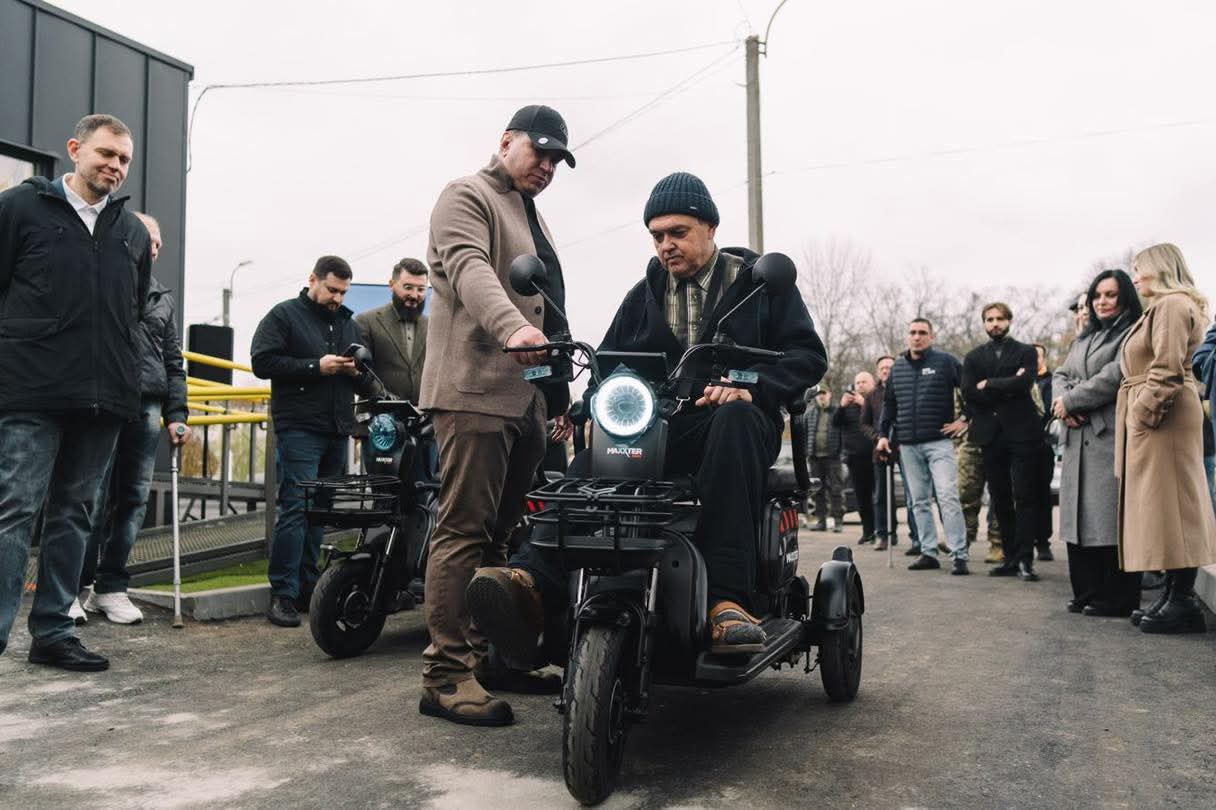
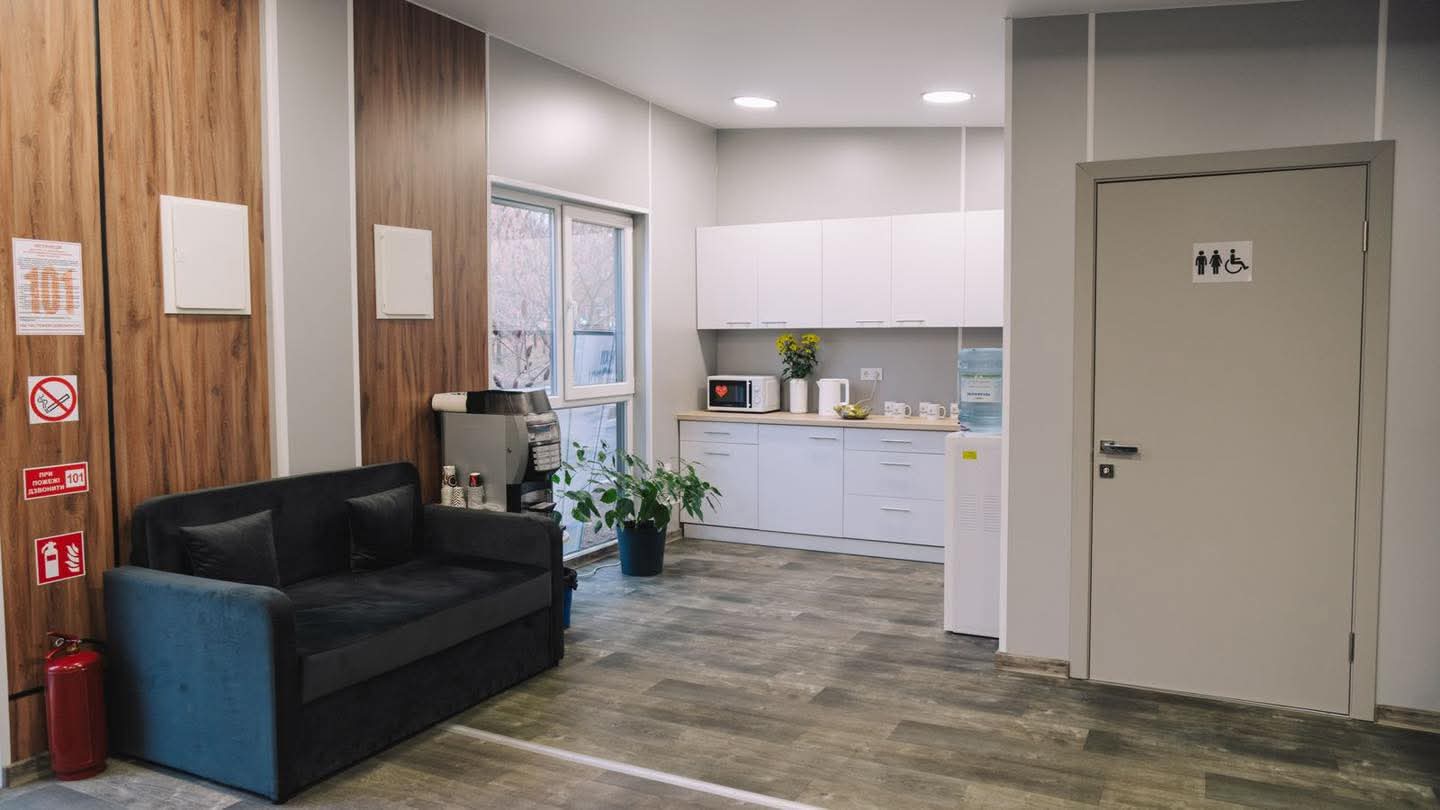
In collaboration with the municipality, the space has been optimised for those benefiting from the support initiatives. According to Tetiana Vasiechko, they have set up a massage chair and a coffee machine for people to relax, a TV and a PlayStation for socialising, and they have also created a children’s play area.
“Collaboration with the municipality, government bodies, the business community, charitable foundations, as well as the advisory support provided by U-LEAD with Europe, has enabled us to develop a comprehensive operational model. With the support of our partners, we are able to keep the veteran centre running smoothly as well as to improve conditions for visitors and the quality of our services. The advice from our partners helped us to organise our services, clearly define the team’s roles and responsibilities, and establish a transparent system for liaising with other municipal services,” adds Ms Vasiechko.
This approach is directly linked to the topics discussed during U-LEAD info session entitled “Powers of Local Self-Government Bodies to Support War Veterans and Their Families and Models for Delivering This Support”, which was held for Myronivka municipality.
During the session, U-LEAD advisers Oksana Shvets and Nataliia Balaniuk explained how legislative provisions are put into practice in the municipality’s day-to-day work: the exact scope of its powers and how these opportunities can be utilised to ensure that support is truly accessible to people. The discussion focused on very practical matters – how to combine different types of support, ensure that people do not fall through the cracks between services and establish a clear case management system. In fact, this is the same approach that the Centre is implementing today: rather than breaking support down into individual services, it combines them into a holistic process in which people are supported from their very first contact onwards.
Veteran Petro Mykhailov explains what it looks like from the perspective of someone seeking help: “I found out about the Centre through my fellow servicemen. I contacted them regarding paperwork, but received so much more — support, understanding and guidance during a difficult time. For me, this veterans’ space is all about support, respect and the comfort of knowing you’re not alone. To anyone who’s still hesitating, my advice is not to put it off. They really do help here.”
At the level of the municipality, that sort of work cannot happen without a clear plan of action and an understanding of roles. Dmytro Zhukotanskyi, the First Deputy Mayor of Myronivka, describes this as a synergy, which is essential to make similar initiatives work.
“The success of this type of space relies upon synergy rather than a single factor. For such spaces to develop systematically, coordinated action is needed at several levels – and it is important that these efforts are mutually reinforcing, rather than operating separately,” says Mr Zhukotanskyi. “The centre should be a space that veterans feel is ‘their own’ as opposed to something imposed from above.”
According to him, at the level of the municipality, the key priorities include a realistic assessment of the needs of veterans and their families, building a local team, setting aside dedicated space, training practitioners and involving the veterans themselves in decision-making.
In this model, the oblast acts as a coordinator and facilitator: it provides co-funding, promotes the exchange of best practices between municipalities, and helps to establish a network of centres and engage the business community.
The role of the state is to set rules and ensure sustainability: clear policies, transparent standards, funding and support for the training of practitioners.
Mr Zhukotanskyi also emphasises the key role played by businesses and charitable foundations, which often enable these spaces to be set up quickly, provide investment in infrastructure and support specific programmes.
The Centre’s team itself already anticipates future developments. According to Tetiana Vasiechko, over the next two to three years, the focus will be on expanding psychological support programmes, developing vocational reintegration initiatives, actively involving the business community in the employment of veterans and strengthening support for families.
Ultimately, it is clear that Veteran PRO, Myronivka Veterans’ Centre, is a great example of how the system works.
When there is an initiative on the ground, support from partners and an understanding of the process, the municipality is able to create an environment where people receive genuine support. And yet, it is actually all about something really simple. About a place you can just turn up at without having to explain yourself. A place where you do not have to prove that you are entitled to help. A place full of people who understand what “coming home” really means.
This is where trust gradually begins to grow – trust in people, in your municipality, and in life after the war. Sometimes all it takes is timely advice, a well-thought-out plan of action and advisory support to help the municipality get off to a more confident start.
Author: Inna Stefanets
Photo: "U-LEAD"
Attached images:
Область:
Київська областьГромади:
Миронівська територіальна громадаSource:
U-LEAD з Європою
15 October 2026
‘My community and my country value me.’ How...
In Zymne community in Volyn region, career guidance is no longer just a formality. Here, students are not...
22 September 2026
Live in the city, not struggle to get through...
Barrier-free urban spaces begin with specific solutions that give people greater independence in their daily lives....
17 September 2026
Barrier-free beach in Odesa: How accessibility changes seaside holidays
Barrier-free beach in Odesa: How accessibility...
The Decentralisation portal is launching a series of articles on community initiatives that make public spaces and...
15 September 2026
Career guidance unites. How evacuated...
The community is located in an area of active hostilities; its residents have been fully evacuated and are now...