VAG initiates comprehensive legislative changes in forestry management
The All-Ukrainian Association of Communities (VAG) has developed a systematic legislative agenda to address forest land management issues in communities.
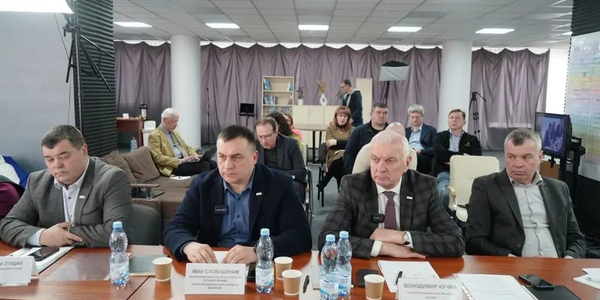
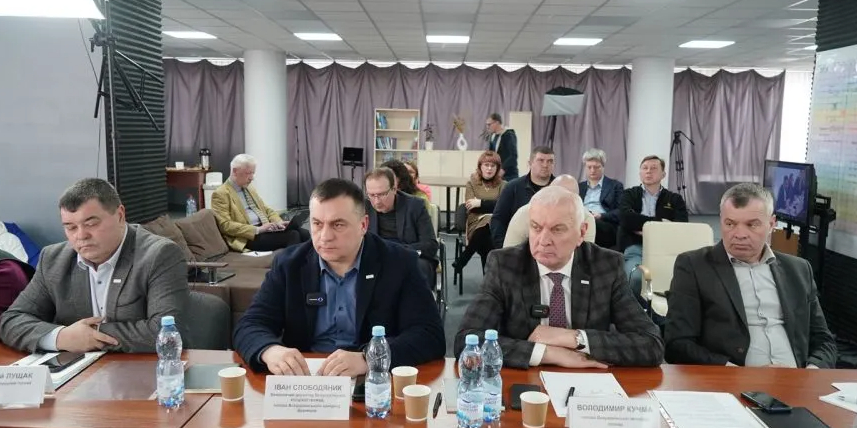
The relevant document was presented at an extended meeting of the Board and the VAG Committee on Forestry Management, which was entitled ‘Systemic forestry problems in communities: legislative agenda’.
The Association emphasised that forestry resources should be considered not only as a natural asset, but also as a means of economic development and the creation of added value, as well as a way of replenishing local budgets. However, communities face systemic barriers that require legislative regulation.
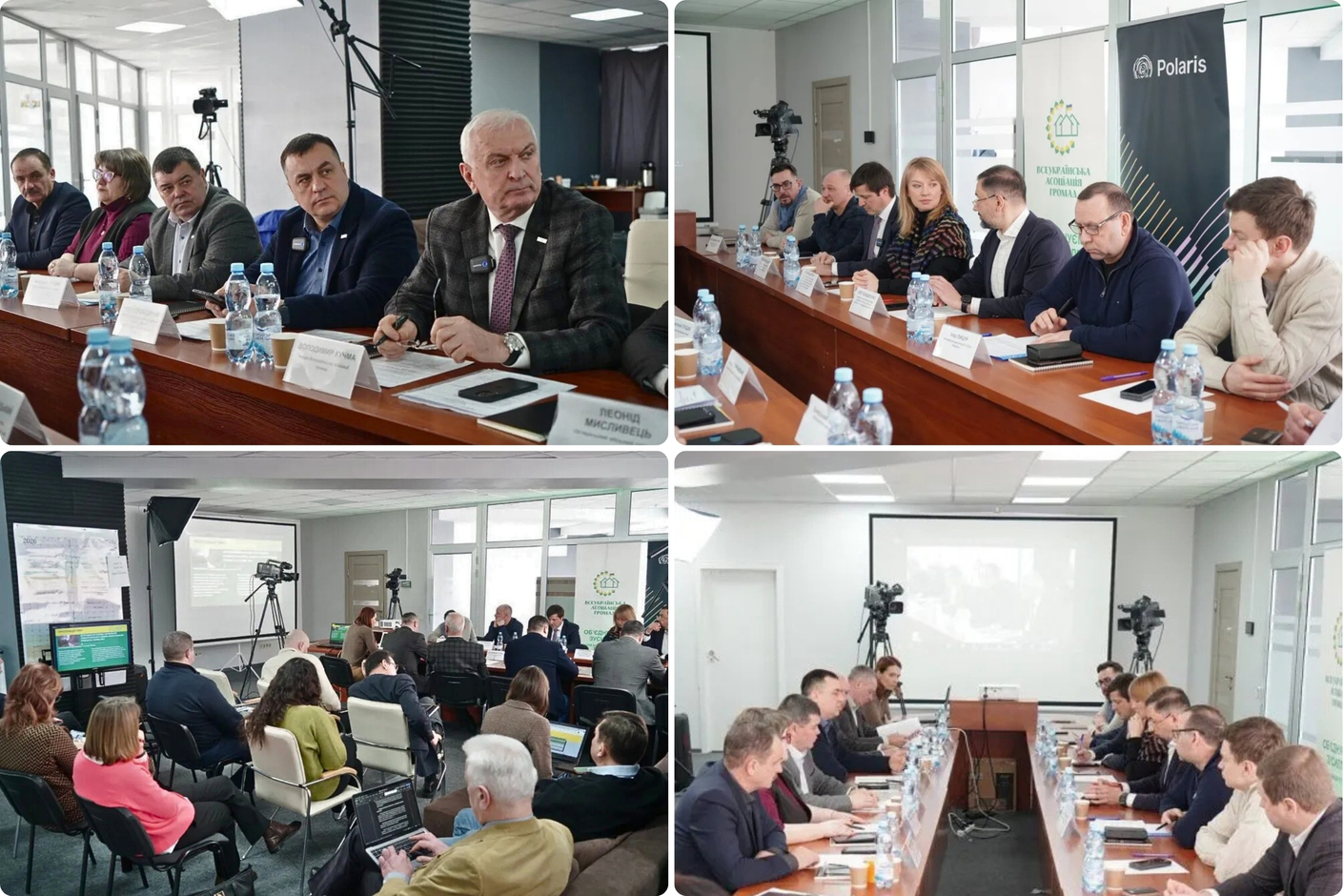
VAG experts outlined key issues in forestry and proposed specific legislative changes to address them.
1. Unregulated distribution of joint ownership rights to land plots between different levels of local self-government
There is a conflict of administrative powers between regional councils and village, settlement and city councils regarding the exercise of ownership rights to forest lands. There is no clear mechanism for forming joint ownership of communities, which leads to lengthy court proceedings and double interpretations of the provisions of the Land Code of Ukraine.
2. Duality of the list of forest lands that should be in state ownership (clause 2 of the transitional provisions of the Land Code of Ukraine
The transitional provisions of land legislation contain contradictions regarding the list of lands that remain in state ownership as a result of the decentralisation reform. This creates conflicts between local governments and executive authorities.
3. Non-recognition of communal ownership rights to forest lands
The Forest Code of Ukraine contains an alternative (different from the Land Code of Ukraine) basis for the emergence of permanent use rights to forestry lands for communal forestry and other enterprises.
4. Manipulation of ‘self-forested lands’
The provisions of Article 57¹ of the Land Code of Ukraine create a non-alternative option for local governments, allowing them to use the mechanism of recognising lands as self-forested as a tool to influence communities with the aim to transfer them to state ownership.
5. Risks of material liability for local governments
The current provisions of the Forest Code of Ukraine create the conditions for material compensation for damages caused by forestry resources that have not been transferred for use from local governments.
6. Low fees for the use of forest lands
The land tax rate for forest lands in the Tax Code of Ukraine is set at no more than 0.1% of the normative monetary valuation, which significantly limits the financial capacity of communities.
7. Lack of competitive mechanisms for determining forest users
According to Article 17 of the Forest Code of Ukraine, forests are transferred for permanent use without competitive procedures, which makes it impossible to determine the most effective user of communal forest lands.
The All-Ukrainian Association of Communities proposes comprehensive changes aimed to:
Clearly define the subjects of communal property
- Clarification of the provisions of the Land Code of Ukraine regarding the composition of owners of forestry land.
- Establishment of an unambiguous interpretation of the right of communal property of communities.
Regulate joint community property
- Establishment of a clear procedure for the formation of joint community land ownership by decision of the relevant councils.
- Granting communities the opportunity to combine land plots on a contractual basis in line with the law on community cooperation.
Regulate the registration of rights
- Introduction of a special mechanism for registering permanent use rights to forest land that arose before 1 January 2002.
- Unification of approaches to entering information into the State Land Cadastre.
New approach to self-forested lands
- Granting communities the right to independently determine the category and intended use of self-forested plots.
- Elimination of the lack of alternatives in decisions submitted by central authorities.
Strengthen the financial capacity of communities
- Increasing the minimum land tax rate for forest lands to at least 1% of the normative monetary valuation (amendments to the Tax Code of Ukraine).
Introduce competitive mechanisms
- Update approaches to identifying permanent forest users, taking into account the principles of transparency and efficiency.
All problems can be solved by adopting the Law of Ukraine ‘On Amendments to Certain Legislative Acts Regarding the Protection of the Rights of Territorial Communities and the Mechanism for Entering Information on Forestry Land into the State Land Cadastre’ and the Law of Ukraine ‘On Amendments to the Tax Code of Ukraine’, the Association is convinced.
‘I am convinced that communities should be responsible for the development of their territories, but at the same time they should be given real tools for resource management. The forest should benefit the community, its people, and its future,’ emphasised Ivan Slobodianik, Executive Director of VAG.
During the meeting, community leaders also took part in a training session on ‘Features of Forest Resource Management in Sweden’ organised by Polaris Programme, during which they learned about the experience, policy, and strategy of municipal forest management in Sweden.
04 March 2026
Львівська агломерація і Метрополія Ґетеборгу (Швеція) заклали основу для довгострокового партнерства
Львівська агломерація і Метрополія Ґетеборгу...
Перспектива розвитку метрополій, які у нас більш звично називати агломераціями, останнім часом привертає до себе все...
04 March 2026
Кращі практики на старті: як Центри...
Старт нових сервісів психосоціальної підтримки в умовах війни завжди є викликом. Обмежені ресурси, інфраструктурні...
04 March 2026
Helvetas проводить відбір ТГ Харківської області для забезпечення мешканців житлом
Helvetas проводить відбір ТГ Харківської...
В межах проєкту «Horizon Homes: сталий модульний житловий проєкт в Україні», що впроваджується швейцарською...
04 March 2026
Снігурівська МВА підписала першу угоду про партнерство з данським муніципалітетом Гентофте
Снігурівська МВА підписала першу угоду про...
Снігурівська міська територіальна громада розпочинає новий етап міжнародної співпраці. Начальник Снігурівської...