Ukraine implements territorial approach: Classification of communities by territory type launched
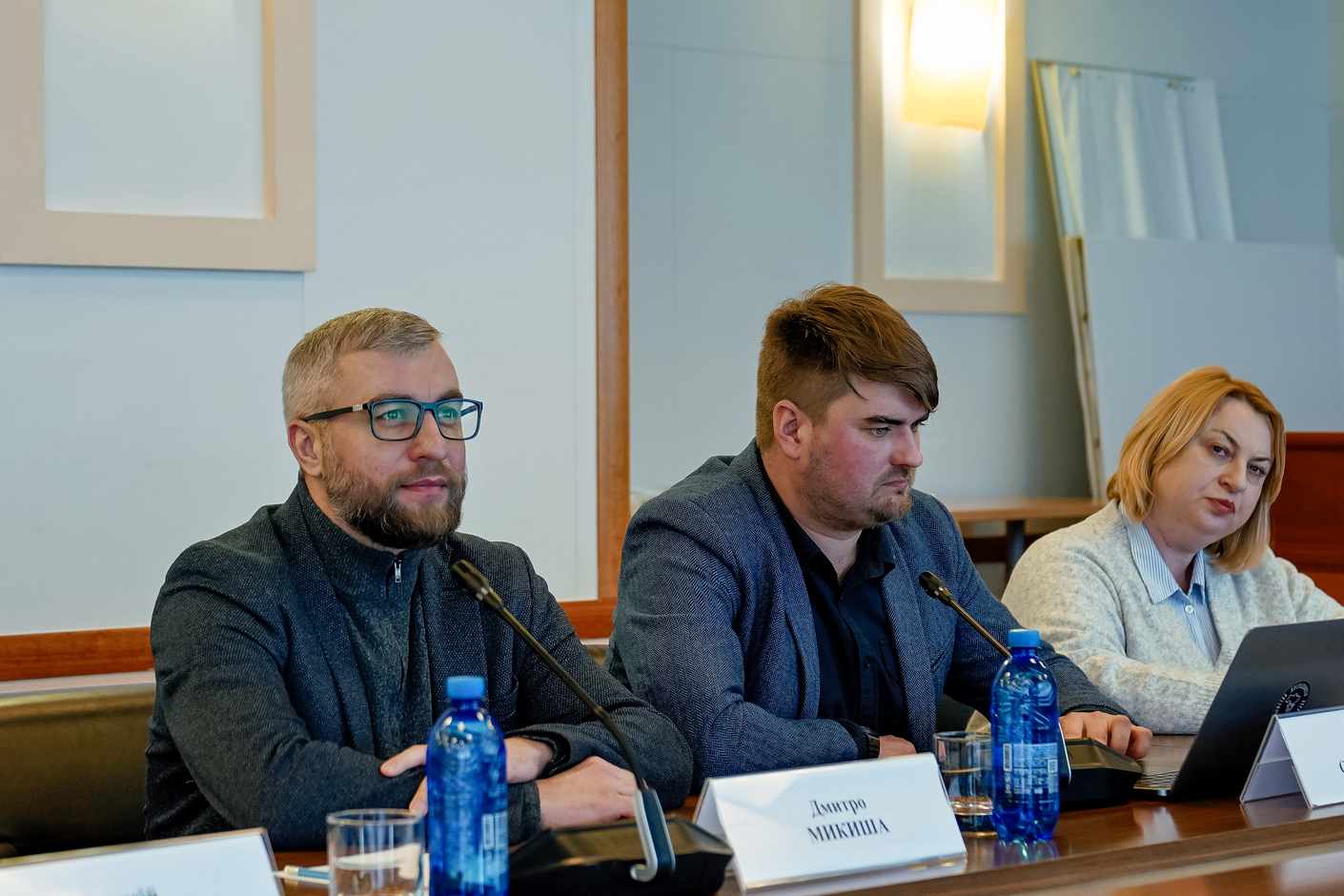
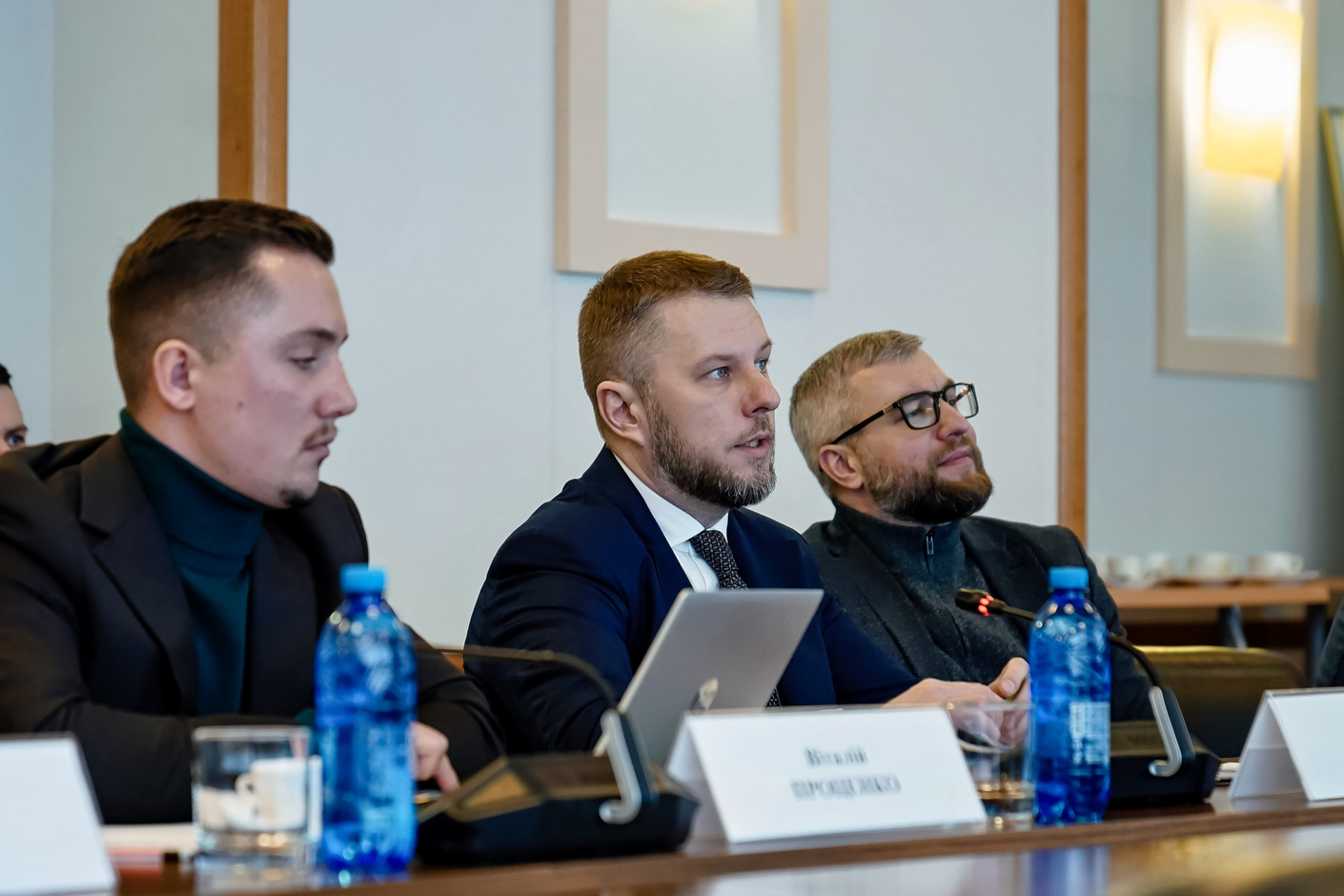
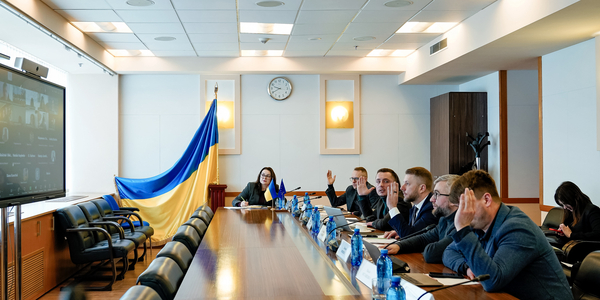
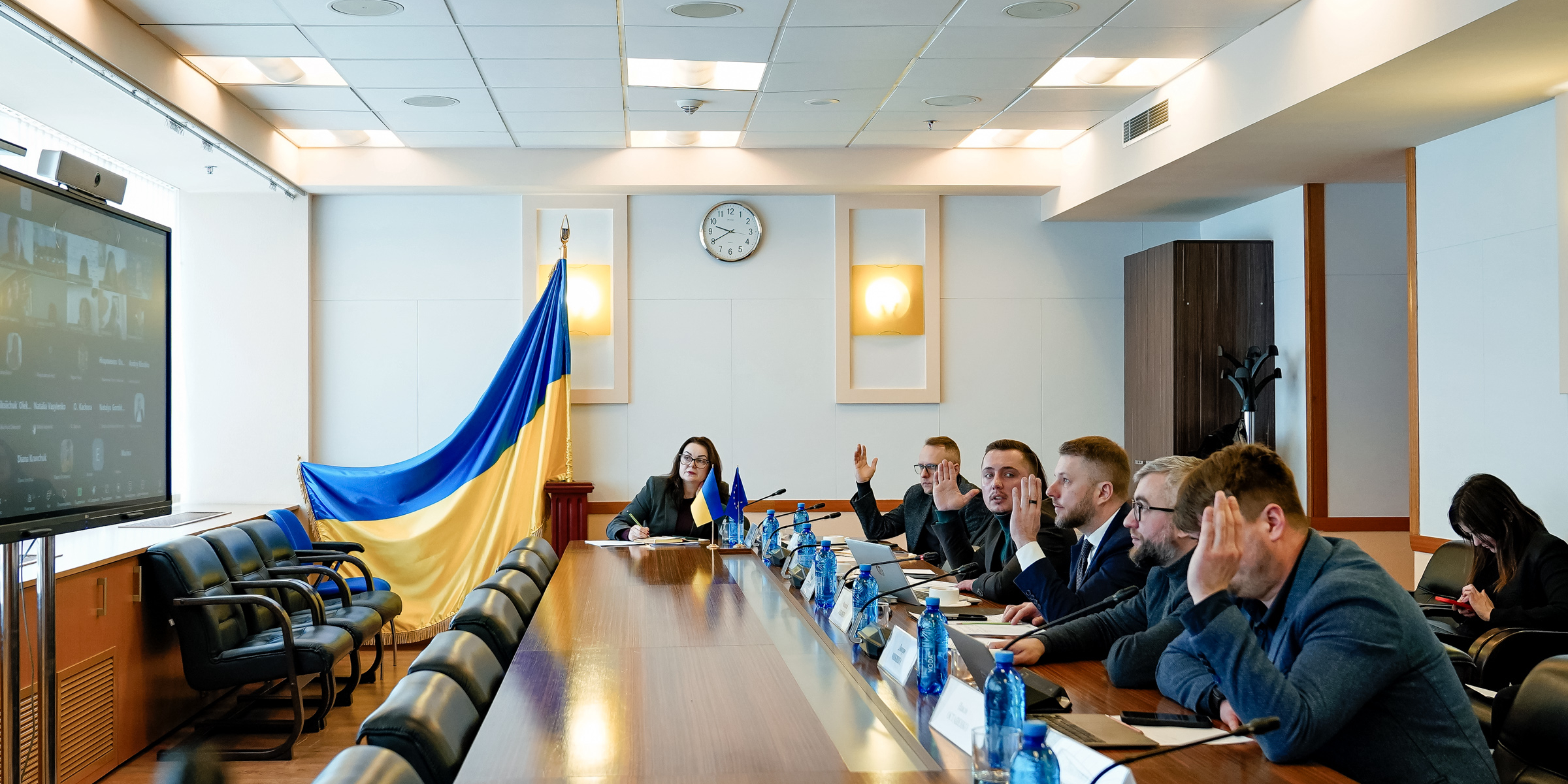
The first meeting of the Commission for the Assessment and Classification of Territories into Functional Types was held under the chairmanship of Oleksii Riabykin, Deputy Minister for Development of Communities and Territories of Ukraine.
The Commission began practical work on defining communities according to a unified state system of criteria. The Commission consists of 12 Members of the Ukrainian Parliament — members of the relevant Verkhovna Rada Committee, as well as representatives of the Ministry of Economy of Ukraine, the Ministry of Finance of Ukraine, the Ministry of Social Policy of Ukraine, the State Statistics Service of Ukraine, all-Ukrainian associations of local governments, and the public sector.
The Government has previously approved a unified approach to defining the functional types of territories: communities are classified according to their specific needs and characteristics. The key types of territories that have been identified include recovery territories, territories with special development conditions (mountainous, forested, steppe, and technogenic disaster), and sustainable development territories, as well as regional growth pole territories. For the first time, a unified system of criteria has been created at the regulatory level that allows decisions to be made on the basis of objective data, rather than on a situational basis.
According to Oleksii Riabykin, the use of functional types of territories is the foundation of the territorial approach in state regional policy, and understanding the real conditions and challenges of communities helps to apply the right tools and resources for their safe recovery and development.
‘All communities are different in terms of security conditions, economy, access to services, proximity to the border or the front line. Therefore, the state is moving towards an approach where development policy is not “the same for everyone”, but depends on the conditions in which the territory operates. This approach helps to understand what kind of support each community needs and to direct the necessary resources to where they are most needed, according to their needs and challenges. It also strengthens the capacity of local governments and executive authorities, which is especially important in wartime. Meanwhile, Ukraine is implementing European approaches, as the territorial approach is a key element of EU cohesion policy,’ said Oleksii Riabykin.
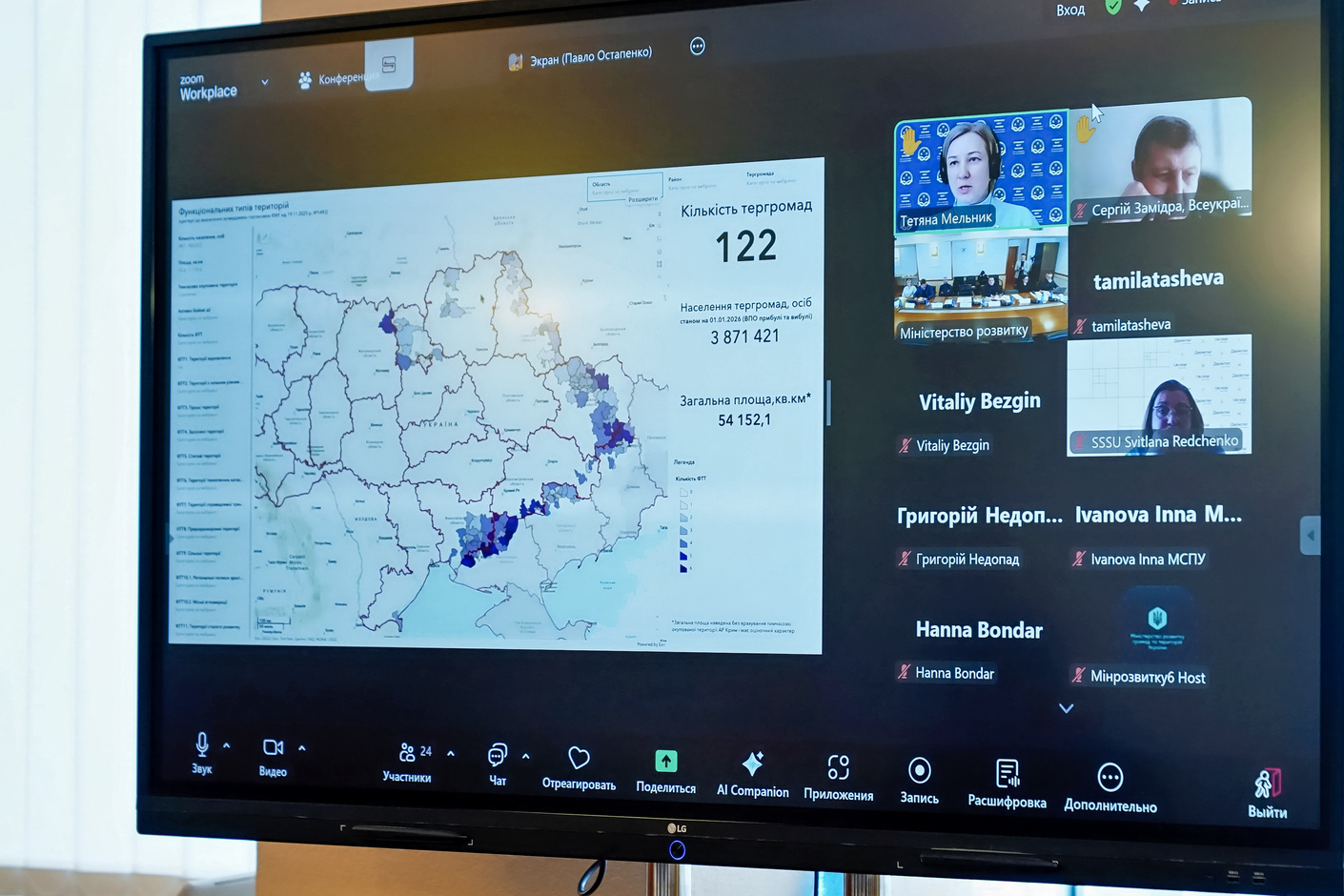
Experts from the Ministry for Development collected and consolidated data from ministries, central executive bodies and regional military administrations as of 1 January 2026. Based on this data, modelling was carried out, the results of which were presented to the members of the Commission. The dashboard created provides an overview of the type of each community and the criteria used to classify it, allows users to view information by region, and identifies territories that are occupied or located in the combat zone.
During the meeting, they considered a list of communities that are proposed to be included in the recovery territory. Currently, there are 123 such communities in Zhytomyr, Kyiv, Chernihiv, Sumy, Kharkiv, Dnipropetrovsk, Donetsk, Zaporizhzhia, Kherson, Mykolaiv, and Odesa regions.
Recovery territories are defined as those that meet at least two of the following criteria: combat operations took place or there was a temporary occupation, either complete or partial; there is a risk of combat operations, as defined in an official list; more than 20 per cent of real estate has been damaged or destroyed in the last three years; the socio-economic situation has significantly deteriorated, and there has been significant population displacement, with the number of internally displaced persons exceeding 20 per cent of the pre-war population.
The Government will prepare targeted support programmes for each functional type.
26 February 2026
Strategic dialogue on the Council of Europe Action Plan for Ukraine for 2027–2030 held in Kyiv
Strategic dialogue on the Council of Europe...
Ukraine, jointly with the Council of Europe, has begun planning the next stage of cooperation for 2027-2030: what...
26 February 2026
Вакансія: Експерт(ка) з розробки місцевих планів управління відходами (МПУВ)
Вакансія: Експерт(ка) з розробки місцевих...
Шведсько-українська програма «Посилення управління побутовими відходами в Україні» (WM4U), що фінансується Sida та...
26 February 2026
Committee recommends first reading of Draft Law...
The Verkhovna Rada Committee on Organisation of State Power, Local Self-Government, Regional Development and Urban...
26 February 2026
Обирати серцем і розумом: як у Чернігові працює система профорієнтації
Обирати серцем і розумом: як у Чернігові працює...
Уявіть восьмикласника, який замість звичного уроку трудового навчання одягає VR-окуляри, щоб спробувати себе у...