First meeting of Interdepartmental Coordination Commission on Regional Development held
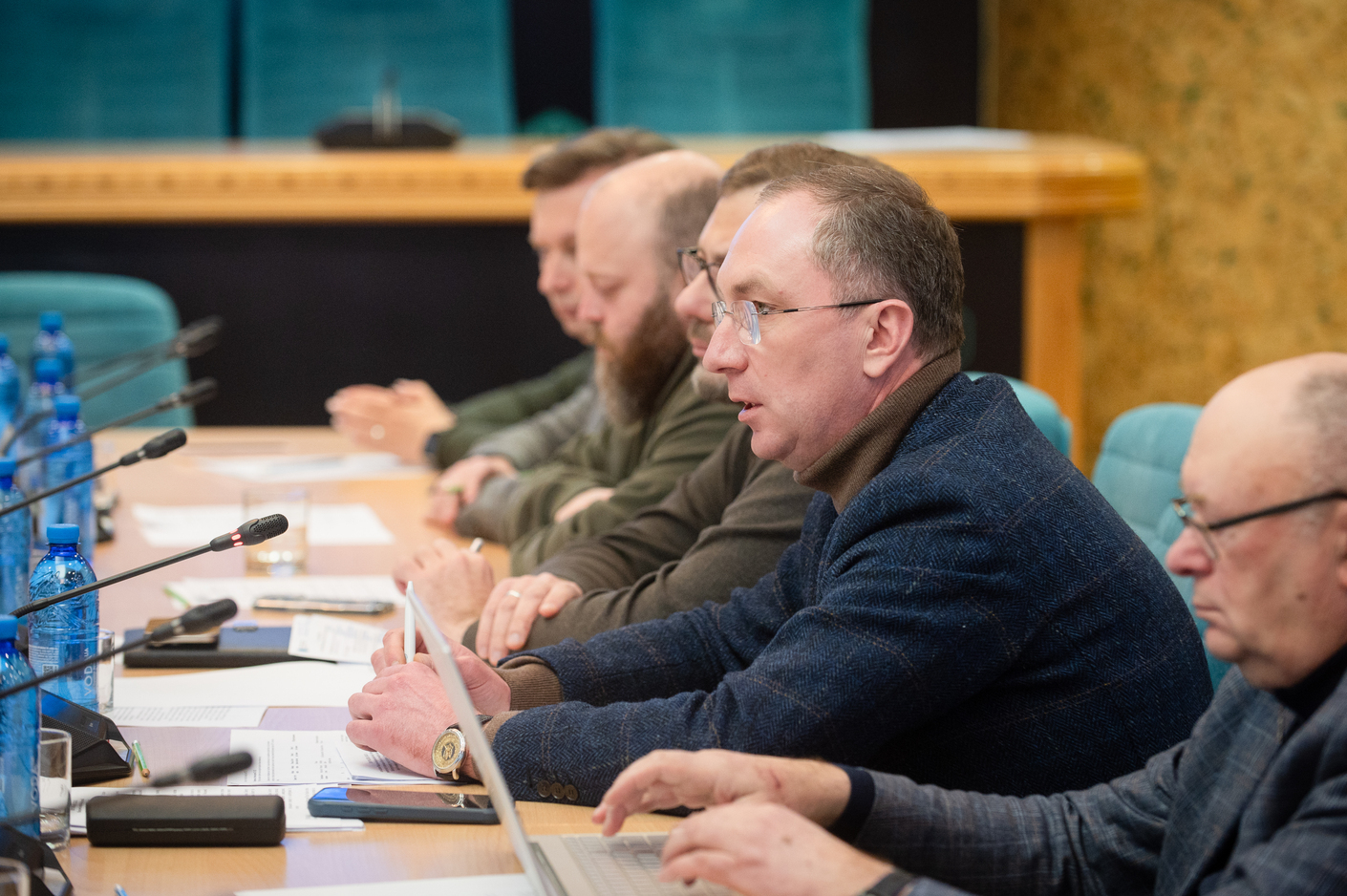
To coordinate the actions of all stakeholders and formulate effective development policies at national, regional and local levels, and within the framework of Ukraine’s preparation for EU cohesion policy, the Interdepartmental Coordination Commission on Regional Development has resumed its work.
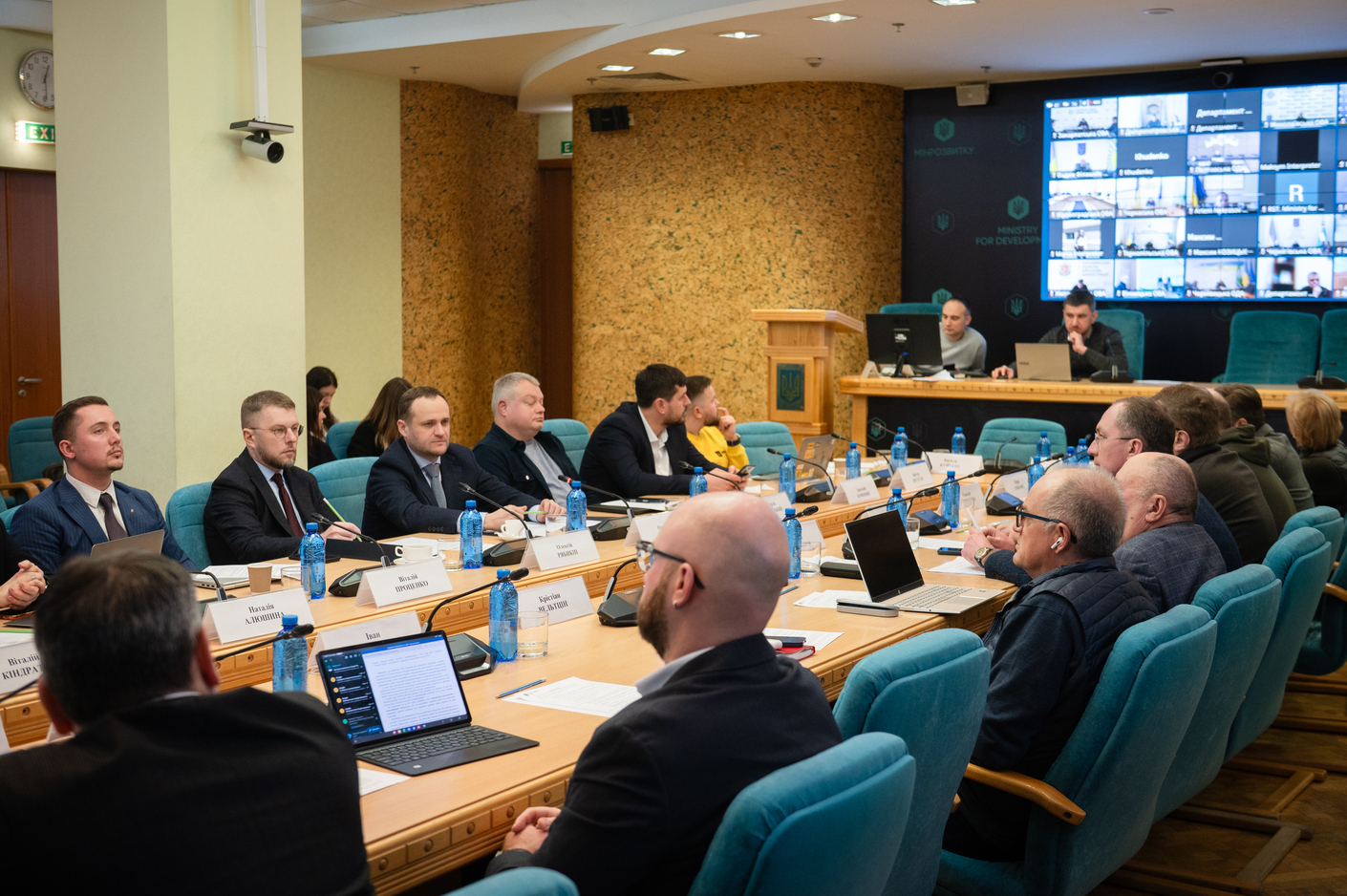
Following the 2025 screening in Brussels, its launch marks a practical step towards systematically implementing European approaches in regional policy, transitioning from assessing readiness. Negotiating Chapter 22 ‘Regional Policy and Coordination of Structural Instruments’, necessitates effective interagency coordination and harmonised decision-making between all levels of authority.
The first meeting was chaired by Oleksii Kuleba, Deputy Prime Minister for Restoration of Ukraine – Minister for Development of Communities and Territories of Ukraine.
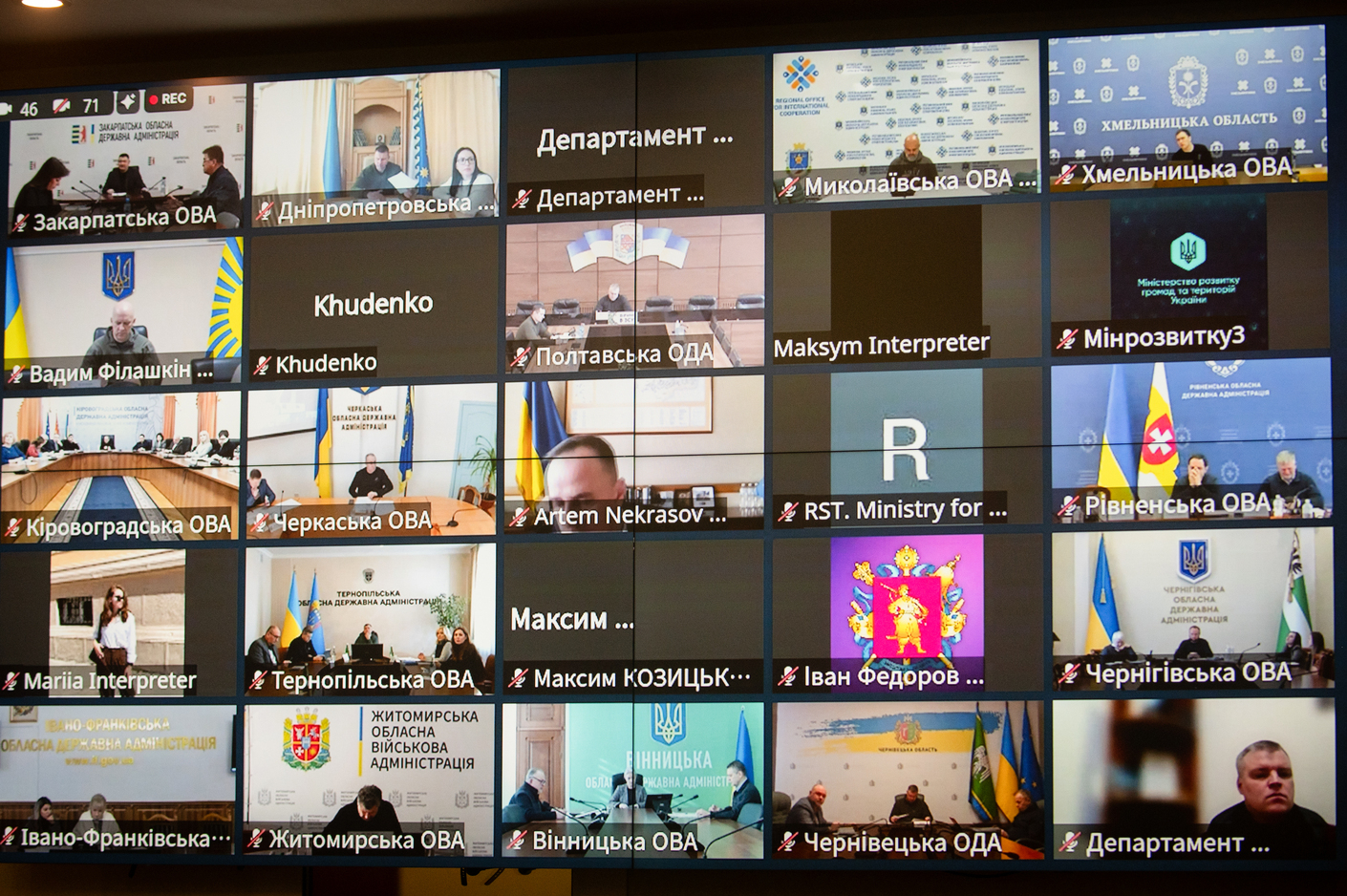
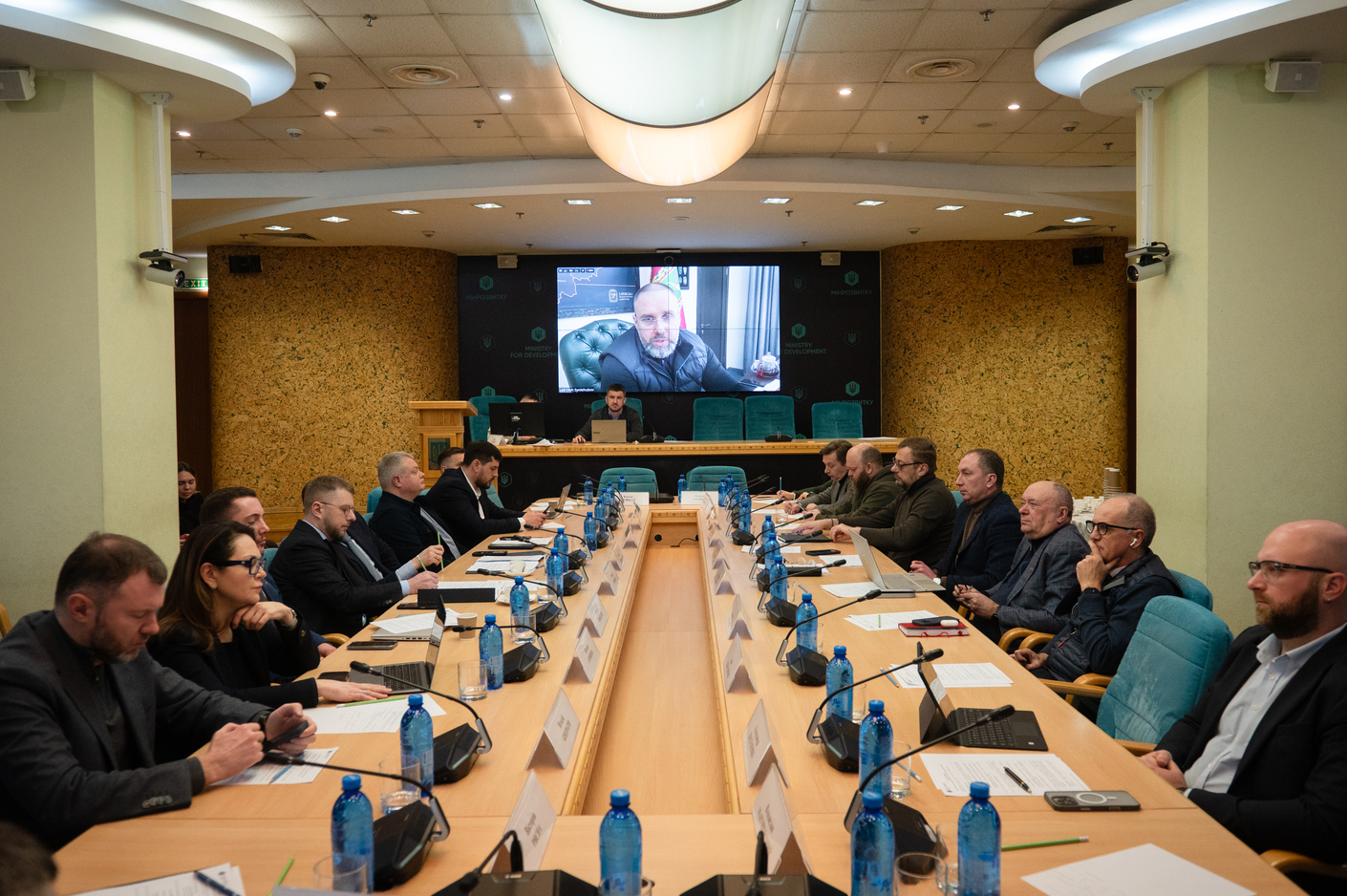
Representatives of the Government and Parliament, the Office of the President of Ukraine, the European Commission (DG ENEST, DG REGIO), OECD, heads of regional military administrations, representatives of four all-Ukrainian associations of local governments, experts and scientists, as well as international partners (U-LEAD, EU4Reconstruction, UCORD, Polaris, RFA, Power4JustTransition, Partnership for a Strong Ukraine, MOM in Ukraine, United Nations Development Programme in Ukraine, DREAM Project Office) participated in the meeting.
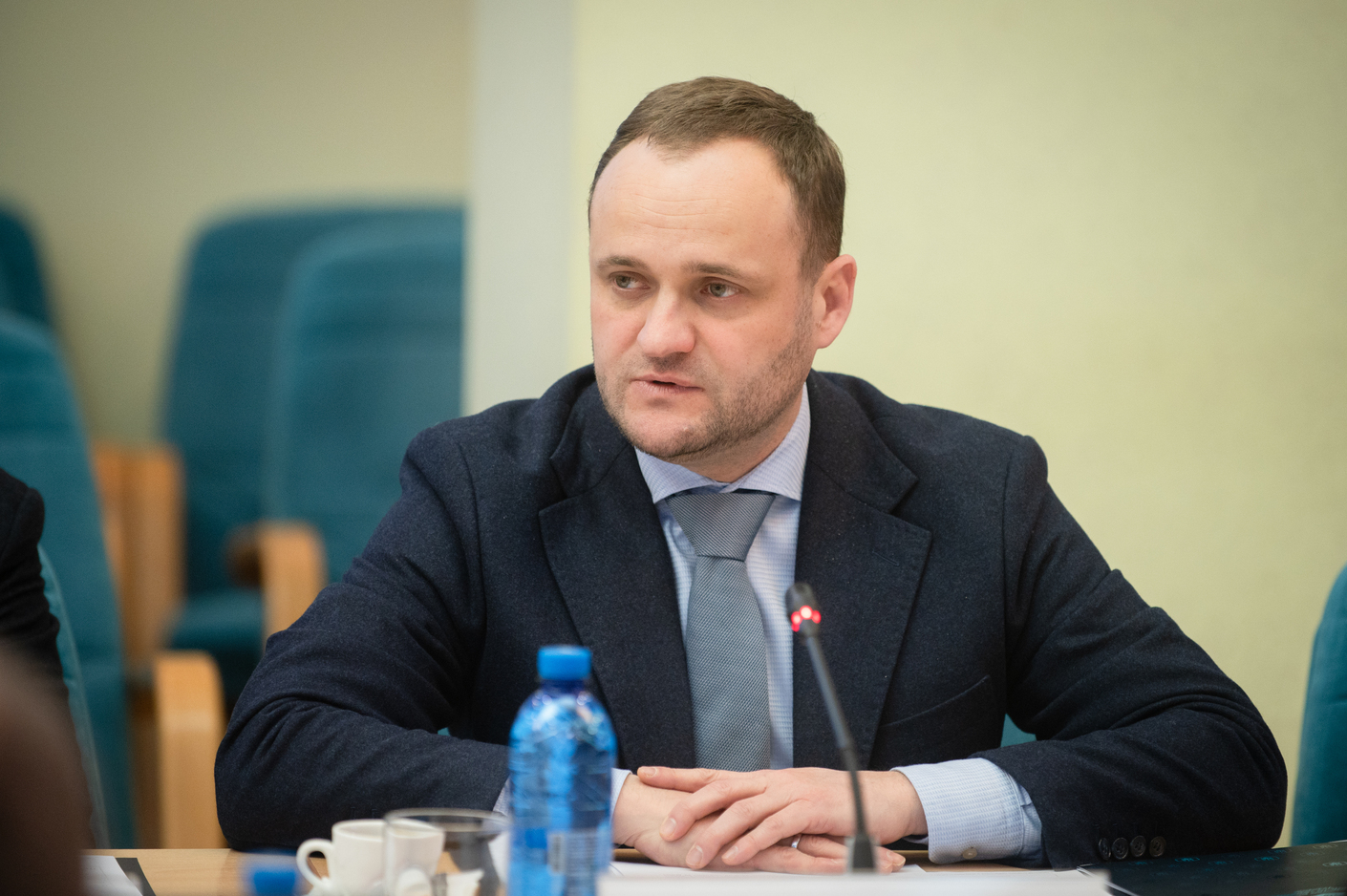
‘The Interdepartmental Coordination Commission is a permanent platform for coordinating state, sectoral and territorial policies. Its work is crucial for regional development reform and for fulfilling Ukraine’s European integration commitments,’ emphasised Oleksii Kuleba.
The focus is on the territories that have been most affected by the war. The first agenda item was the introduction of special economic zones in frontline regions. This involves supporting business, preserving and creating jobs, strengthening community capacity, and supporting the population.
The year 2025 saw the implementation of territorial and security approaches in state regional policy. The list of requirements for the functional types of territories was approved, and the updated State Strategy for Regional Development clearly defined the concept of frontline territories for the first time. Priorities for state support were also established for these territories.
A comprehensive programme to support frontline territories was introduced, covering 242 communities and over 7 million citizens. It is based on five priorities: people, housing, security, business, and health. The Government adopted over 50 regulatory acts and launched 39 support mechanisms.
Simultaneously, systematic strategic and investment planning has been developed at the regional and local levels. Already, 22 regions have updated regional development strategies, and 24 have medium-term plans for priority public investments. In total, 95per cent of communities are in the process of strategic planning, of which 876 communities have approved medium-term plans for priority public investments.
To increase transparency, consistency of management decisions and control over the use of public funds, digital development management tools are being introduced – the DREAM ecosystem and the regional development geoinformation system.
During the meeting, Oleksii Riabykin, Deputy Minister for Development of Communities and Territories, noted the importance of implementing the indicator. 20 per cent of non-repayable financial support – EUR 1 billion – under Component I of the Ukraine Facility should be allocated to regional and local recovery and development projects.
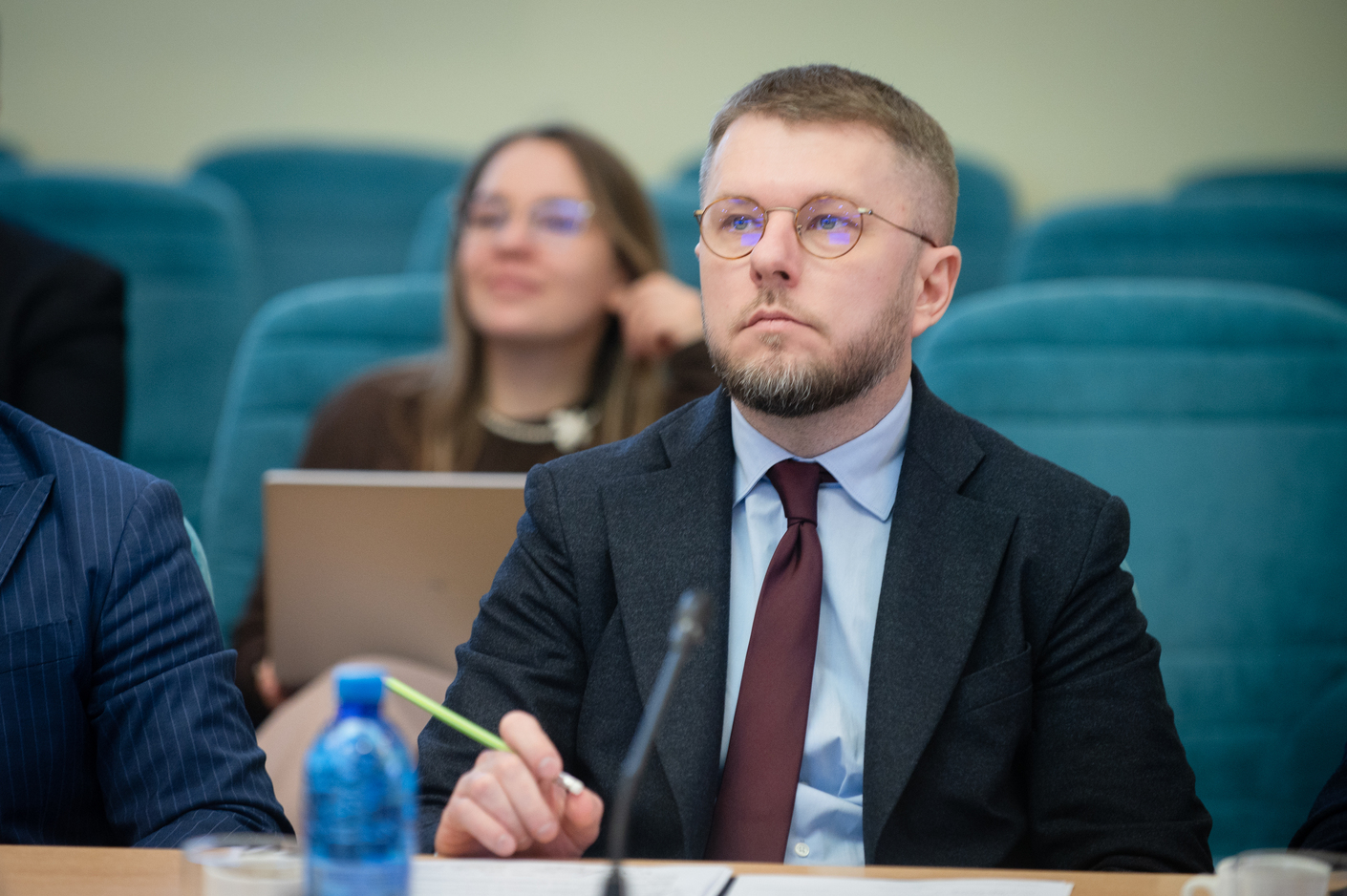
‘The point is to ensure that resources are allocated to the territories that need them most. To this end, functional types of territories are being introduced, enabling communities to be classified into appropriate categories according to clear criteria, thereby ensuring the most efficient use of available resources. The key task remains implementing the relevant Ukraine Facility indicator, which is a prerequisite for receiving compensation for these resources from the European Union,’ said Oleksii Riabykin.
During the meeting, the National Programme for the Adaptation of Ukrainian Legislation to European Union Law under Negotiating Chapter 22 ‘Regional Policy and Coordination of Structural Instruments’ was also presented. The document was developed by the Ministry for Development of Communities and Territories in collaboration with stakeholders.
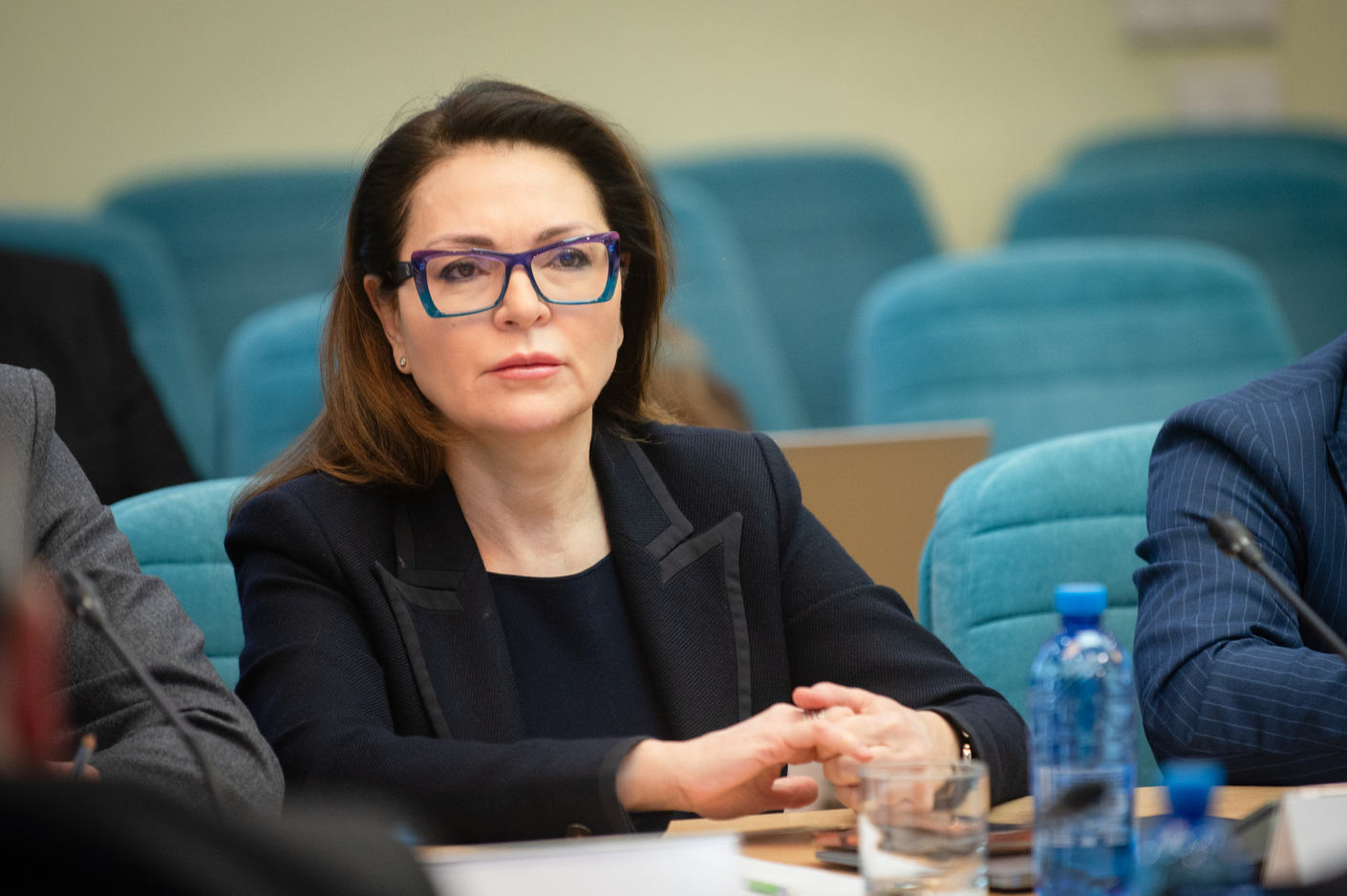
The programme aims to prepare Ukraine for the implementation of EU cohesion policy and the management of European Union funds and serves as a practical roadmap. It covers seven objectives and 25 tasks, ranging from establishing a legal and strategic framework, clearly delineating powers and strengthening institutional capacity to developing monitoring, internal control, audit, integrity, and digital tools of public investment management.
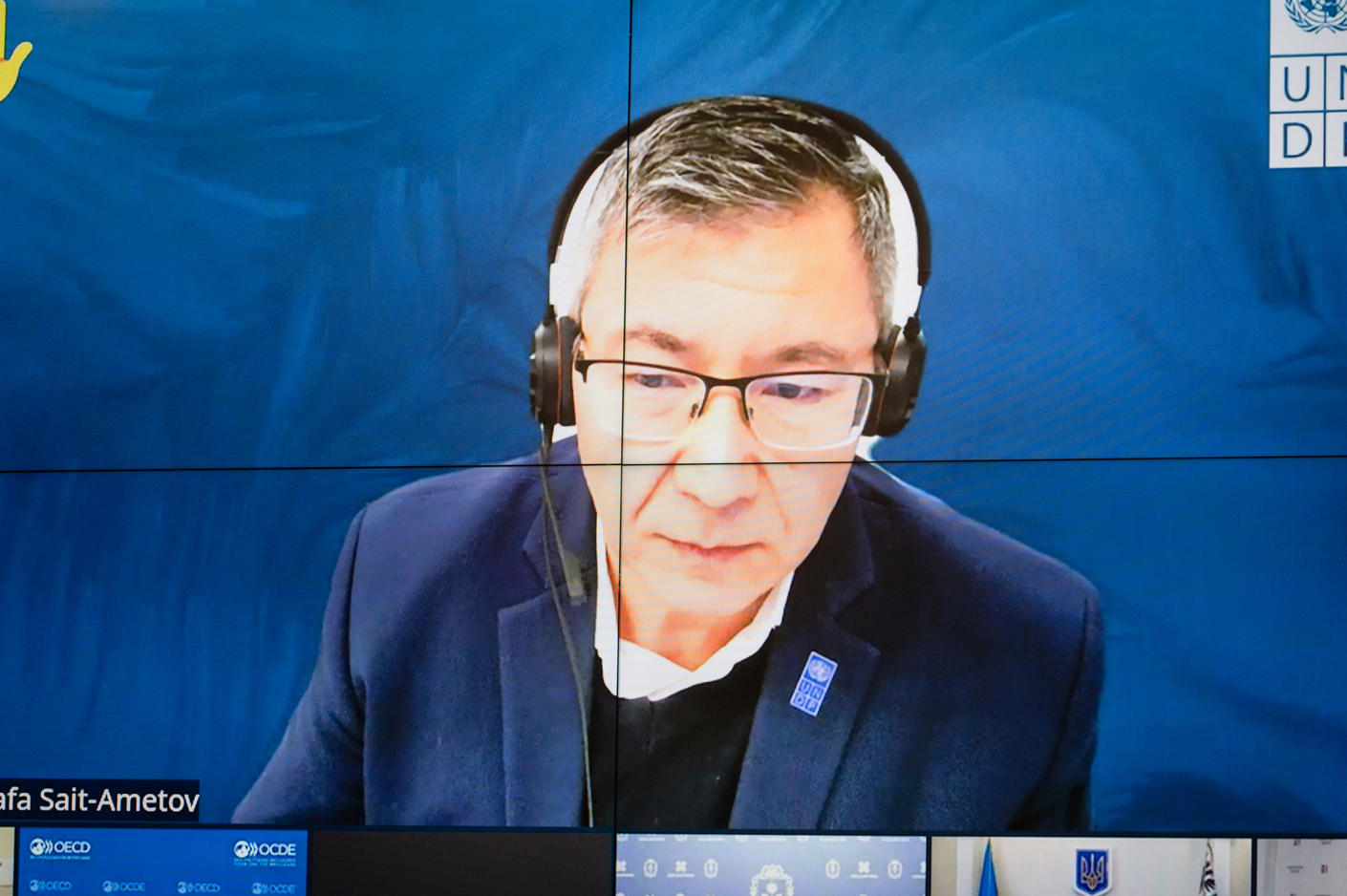
The participants of the meeting summed up by saying that the implementation of state regional policy tasks and preparation for the full implementation of the EU cohesion policy is only possible with close interdepartmental cooperation, coordinated decisions, and shared responsibility of all levels of authority for the results, which should be noticeable in every community and every region.
The next meeting of the Interdepartmental Coordination Commission is scheduled for the beginning of next mon.
15 September 2026
State-of-the-art regional policy instruments
State-of-the-art regional policy instruments
This article delves into tested practices and solutions to operationalise decentralised regional development. It...
15 September 2026
Профорієнтація обʼєднує. Як евакуйована...
Громада перебуває в зоні активних бойових дій, її жителі повність евакуйовані та розпорошені Україною та світом, а...
15 September 2026
Відкликання депутатів місцевих рад: Комітет підтримав зміни до Виборчого кодексу
Відкликання депутатів місцевих рад: Комітет...
Комітет Верховної Ради з питань організації державної влади, місцевого самоврядування, регіонального розвитку та...
15 September 2026
До 20 вересня молодь з України та Румунії може подати твори для створення муралу
До 20 вересня молодь з України та Румунії може...
Спільний секретаріат Програми Interreg NEXT VI-A Румунія-Україна запрошує молодь віком від 13 до 30 років з...