VAG holds final public information event for ‘Communities for Veterans: Improving the Capacity of Local Government System in the Veterans Sector’ project
The All-Ukrainian Association of Communities (hereinafter referred to as VAG) held a final information event for the ‘Communities for Veterans: Improving the Capacity of the Local Government System in the Veteran Sector’ project, which was implemented in 2025 with the financial support of the International Renaissance Foundation in partnership with NGO Space of Opportunities and NGO Coalition of Veteran Spaces.
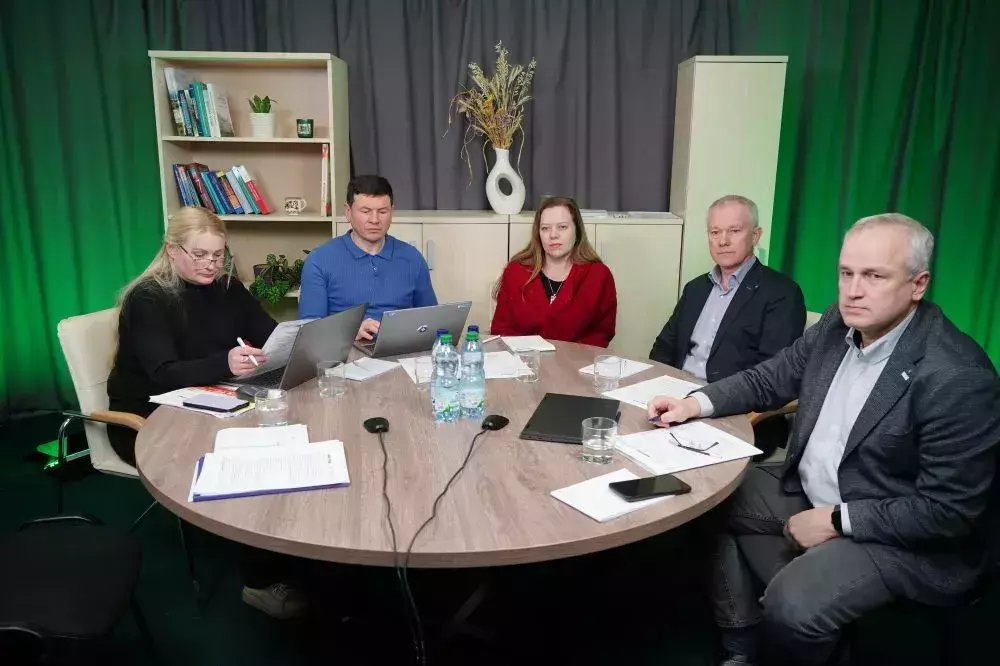
The meeting had 940 registered participants, with nearly 800 participants from different regions of Ukraine actually joining, including community leaders and their deputies, heads and specialists of relevant local government departments, specialists in supporting veterans and demobilised persons, representatives of the veteran community, and other interested parties.
During the event, VAG team presented the results of the Project, as well as plans for the development of VAG veteran sector in 2026. Key members of the project team reported on their work, including Ihor Abramiuk, Coordinator of VAG Veteran Sector, Anzhelika Blyzniuk, Expert and Moderator of the VAG Committee on Veterans’ Issues, Oleksandr Lukashets, Co-Chair of this Committee, and Stanislav Ralduhin, Liudmyla Skyba, and Tetiana Zharska, Chairs of the Subcommittees.
Through the Project, the Association achieved the following results:
- Two large-scale dialogue events were held in the Ivano-Frankivsk and Cherkasy regions. Over 200 people attended, including local government officials, community leaders, deputy heads, local government specialists, representatives of the authorities, experts and veterans.
- Two nationwide information events were held, during which local governments were informed about state support programmes for veterans, the systematic monitoring of these programmes’ implementation at all levels, and legislative initiatives in veteran policy. For the second consecutive year, each VAG informational event in the veteran sector attracted up to 1,000 people or more.
The VAG Committee on Veterans’ Issues was also actively involved in the project:
- The Committee currently comprises 50 experts;
- Four meetings of the VAG Committee on Veterans’ Issues were held online and offline;
- Four subcommittees were formed: Legal Support, International Cooperation and Partnership, Development of Local Veterans’ Policy, and Conflict Resolution;
- Anzhelika Blyzniuk, VAG Expert, has mentored eight VAG member communities on the development of targeted comprehensive programmes to support veterans and their families;
- Committee members examined the algorithm for providing services to veterans by specialists supporting veterans and demobilised persons and the corresponding reporting;
- Systematic cooperation and interaction with the Ministry of Veterans Affairs was established.
The VAG Committee participated in the development and finalisation of the following draft laws:
- on specialists providing support to war veterans and demobilised persons;
- on the transition from military service to civilian life;
- work is currently underway on the Code of Laws on Defenders of Ukraine.
Representatives of the legislative and executive branches were invited as speakers for the political part of the event, who provided information on important news and initiatives of the authorities in the state veteran policy sector.
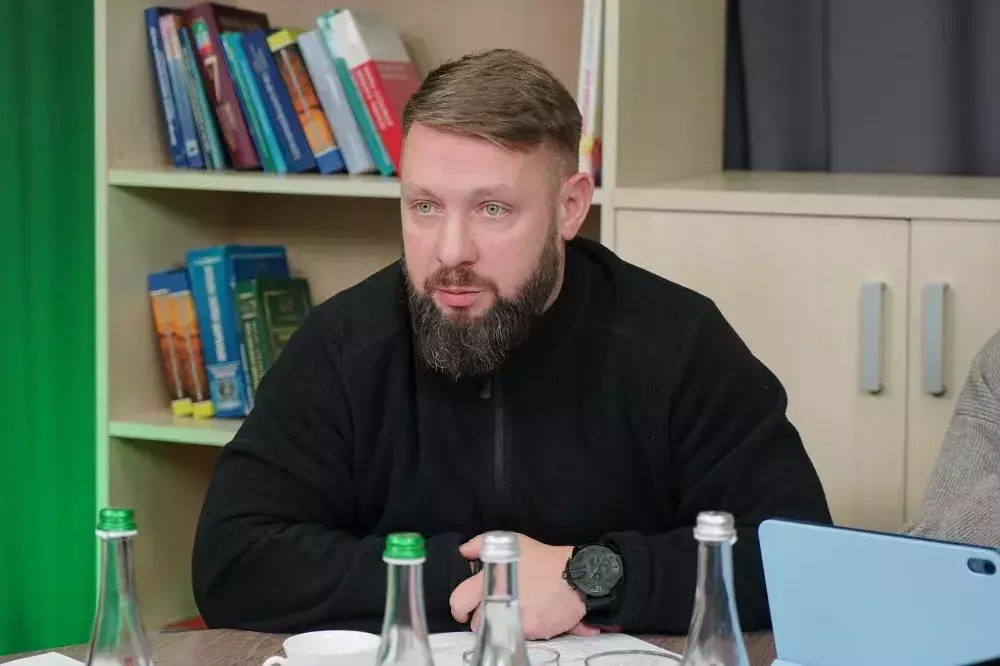
During his speech, Ruslan Prykhodko, Deputy Minister for Veterans Affairs of Ukraine, announced an audit of the capacity of communities in the veteran policy sector and a large-scale expansion of veteran support programmes in 2026.
‘Today, there is a significant disparity between communities in Ukraine. This is not so much caused by a lack of resources or infrastructure, but rather by different levels of prioritisation of veteran policy and the responsibility of local authorities. In some financially capable communities, support for veterans is effectively limited to administrative services provided through Administrative Service Centres, without a comprehensive support system being created. The Ministry of Veterans Affairs plans to analyse each community in detail, including publicly and with the participation of the veteran community, in order to assess the actual implementation of state veteran policy and the responsibility of officials,’ said Deputy Minister.

Iryna Nykorak, Chair of the Subcommittee on Veterans Rehabilitation of the Verkhovna Rada Committee on Social Policy and Protection of Veterans’ Rights, emphasised that the state and communities must create conditions in which veterans can develop their capabilities, become economically independent, and lead change. The MP noted that, according to forecasts by the relevant ministries, the number of veterans and their families could reach 5-6 million, requiring a new social contract that works with both veterans and the civilian population to avoid polarising society.
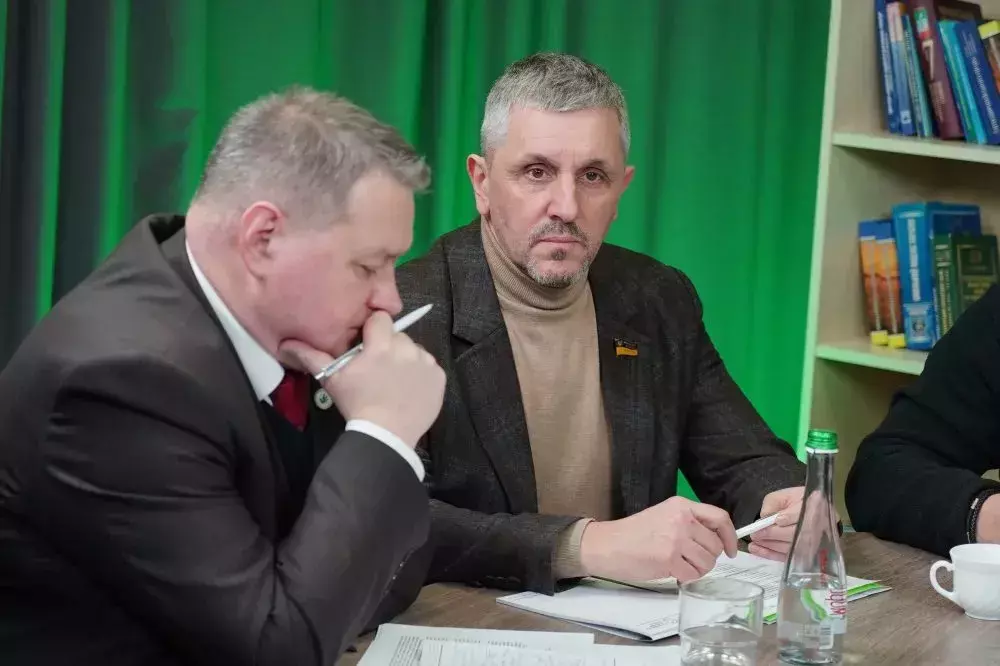
Anatolii Ostapenko, Chairman of the Subcommittee on Social Protection of Veterans’ Rights of the Verkhovna Rada Committee on Social Policy and Protection of Veterans’ Rights, also pointed out that veterans are, first and foremost, representatives of their communities. With an average age of 35–45, many veterans have the potential to drive economic development through entrepreneurship and by attracting additional resources to their communities.
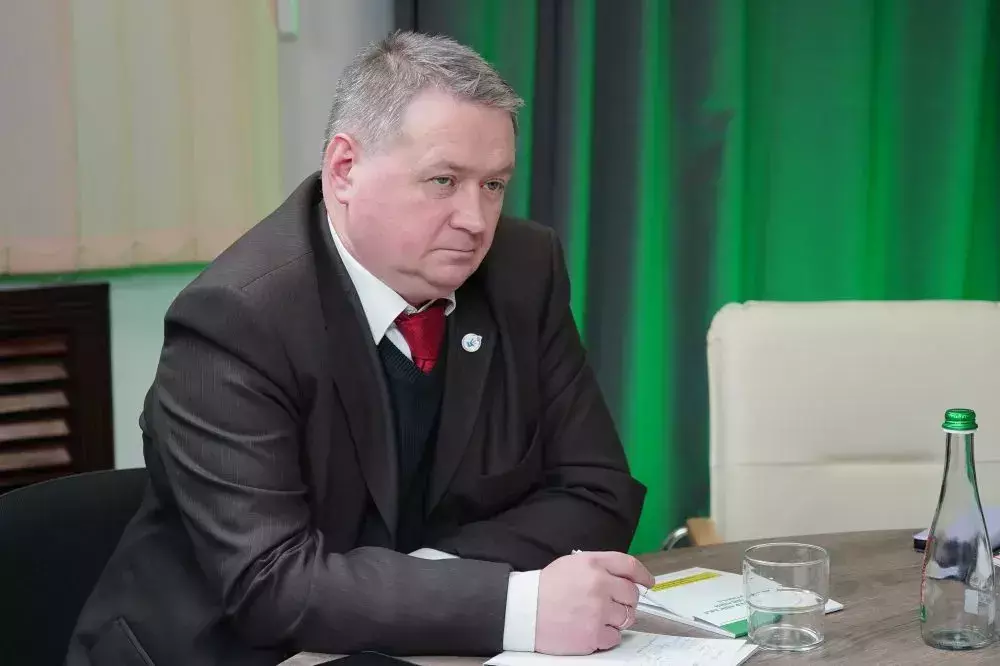
Volodymyr Diatel, Deputy Head of the Office and Head of the Veterans’ Rights Division of the relevant department of the Secretariat of the Commissioner for Human Rights of the Verkhovna Rada highlighted the current problems facing the Office. These include an increase in violations of veterans’ rights and the rights of families of the deceased. He noted that, after receiving a one-time cash payment, many families are left without further assistance or adequate support, and that issues related to benefits and social guarantees are often met with a formal or dismissive attitude. He also mentioned other key problems, such as a lack of awareness among families about their rights and social guarantees, a formal approach to notification of death and inadequate handling of documents by some territorial recruitment and social support centres.
During the informative session, current and prospective VAG partners in the veteran sector discussed their accomplishments and future plans. Representatives of NGO Space of Opportunities, a partner of the Project, discussed the activities of the Community Support Centre and the Training Centre, and offered expert insights into the current state and future prospects of local veteran policy.

Oksana Koliada, Chair of the Board of the NGO Space of Opportunities, said, ‘Implementing veteran policy at the local level requires deep immersion in working directly with communities. This applies to both community leaders and politicians. Accordingly, a lot depends on their political will and mindset.’ She thanked the Project team once again for the opportunity to work together effectively, and updated them on the steps already taken and future plans.
Representatives of NGO Coalition of Veteran Spaces presented some successful practical case studies. Guest speakers also presented projects and programmes that make an important contribution to supporting veterans and their families:
- results of the IREX Veterans Reintegration Programme;
- grant opportunities under the BLOOM programme from Mercy Corps in Ukraine;
- Reintegration of veterans through community development: approach and experience of the United Nations Development Programme (UNDP);
- PRO_MentalHealth psychosocial programme: a model for provision (Representative Office of the International Solidarity Fund in Ukraine);
- Decentralised services for veterans and persons affected by the war in Ukraine, public policy instruments in physical and mental health (Ministry of Veterans Affairs);
- families of the deceased and the missing: effective practices for group and individual recovery (veteran business, ‘Fight of the Unbreakable’).
We continue to build community capacity to ensure communities clearly understand what needs to be done today. A systematic and responsible approach is essential to educate and prepare communities for a significant increase in the number of veterans and their families.
Reference: ‘Communities for Veterans: Enhancing the Capacity of the Local Government System in the Veterans Sector – 2025’ is a continuation of the VAG 'Reintegration of Veterans: From Effective Solutions for Communities to Effective National Policy’ Project, which was implemented in 2024. The project aims to develop and disseminate practices resulting from the public activities of the VAG and the VAG Committee on Veterans’ Issues for Ukrainian communities.
The Project aims to develop the All-Ukrainian Association of Communities’ institutional capacity in the veteran sphere and establish a sustainable mechanism for collective work on veteran issues within the framework of the VAG Committee on Veterans’ Issues, involving local government specialists, experts, and representatives of veteran communities. The Project also aims to raise awareness and professionalism among community leaders and specialists supporting veterans and demobilised persons in matters of implementing veteran policy at the local level, through organisational, informational, and communication measures, as well as the exchange of successful practices; to disseminate best practices, both our own and those of our partners, and ensure the advocacy of expert proposals for state policy and legislation based on the best local solutions.


13 January 2026
"Голова громади не повинен говорити з людьми...
Голова Градизької громади Полтавської області Мирослав Носа мало не щодня викладає у соцмережі ролики, які знімає та...
13 January 2026
Доходи місцевих бюджетів у 2025 році зросли на 14 %
Доходи місцевих бюджетів у 2025 році зросли на...
За даними Міністерства фінансів, у 2025 році загальний фонд місцевих бюджетів отримав 514 млрд грн – на 63 млрд грн...
13 January 2026
Вакансія Експерта/ки з підготовки та впровадження грантових проєктів
Вакансія Експерта/ки з підготовки та...
Вмієте писати грантові заявки, які приносять реальні результати? Проєкт “Відновлення для всіх” (RFA) шукає...
12 January 2026
Стартує прийом заявок на фінансування укриттів у ЗЗСО
Стартує прийом заявок на фінансування укриттів...
З 12 січня засновники закладів освіти можуть подавати заявки на отримання державної субвенції на облаштування...