Atlases of Conditions and Resources of Deoccupied Communities: Tool for reconstruction, planning, and attracting investment
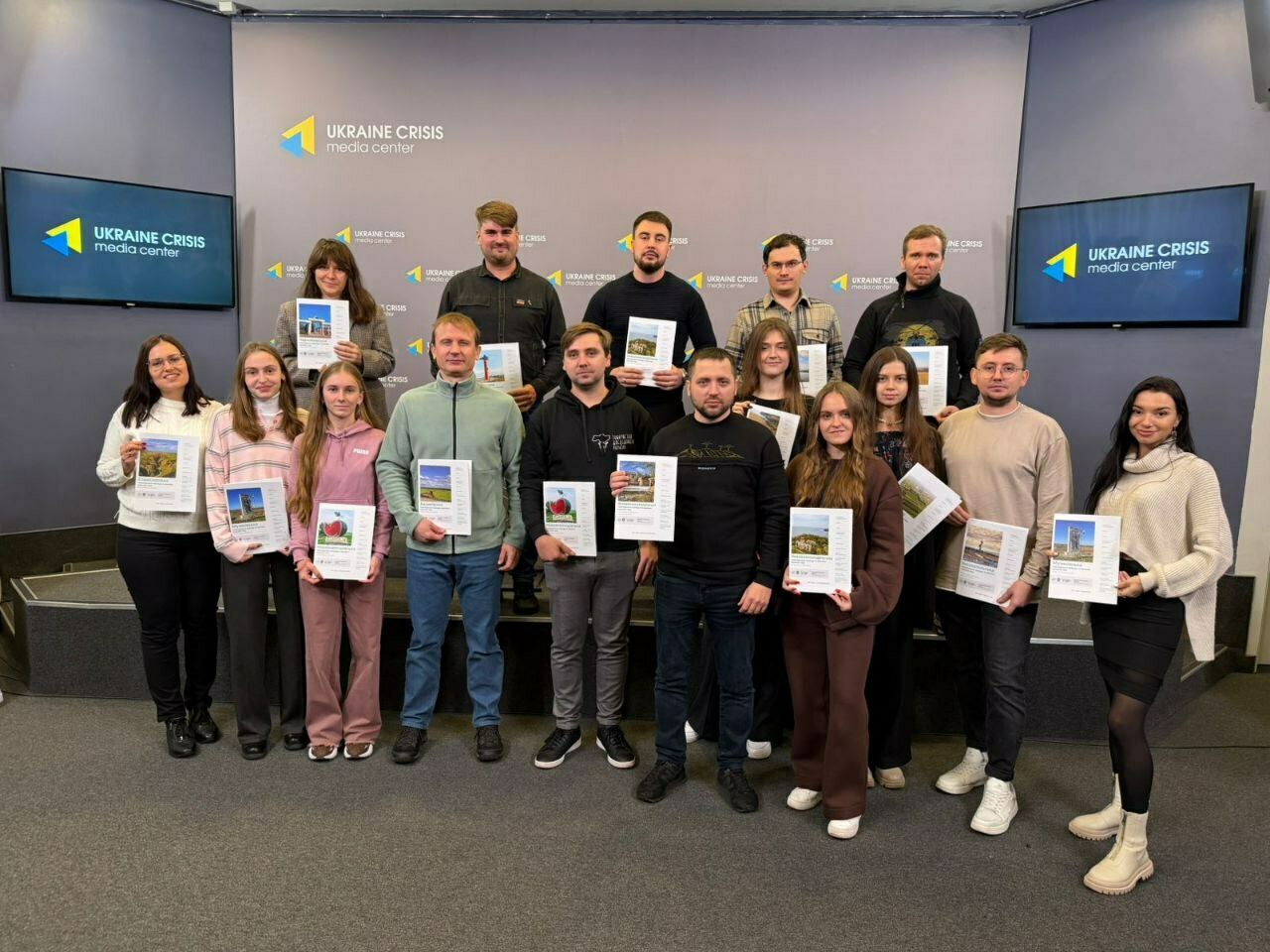
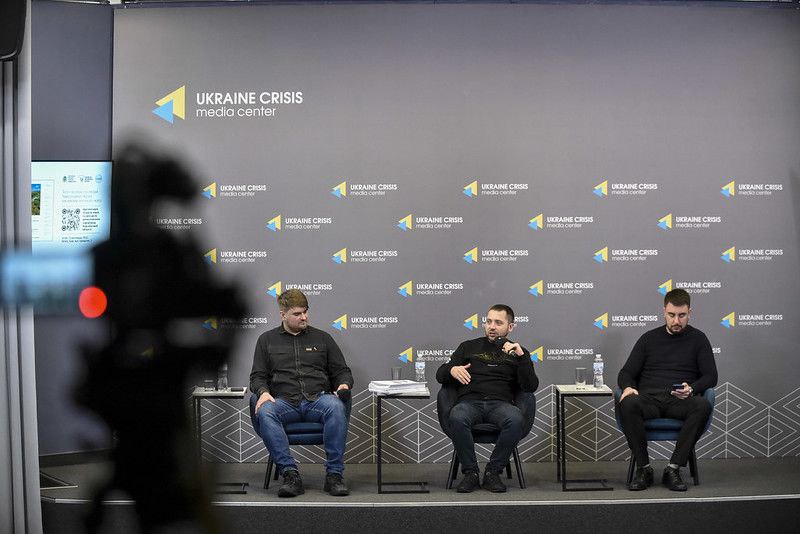
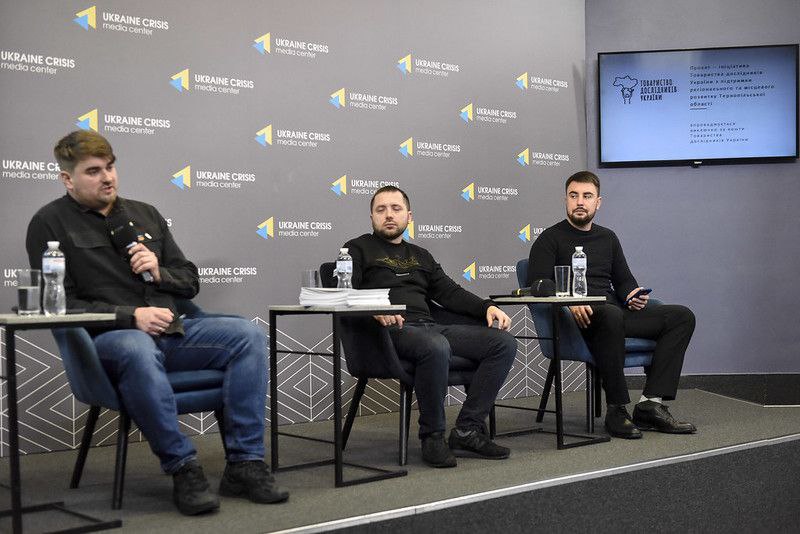
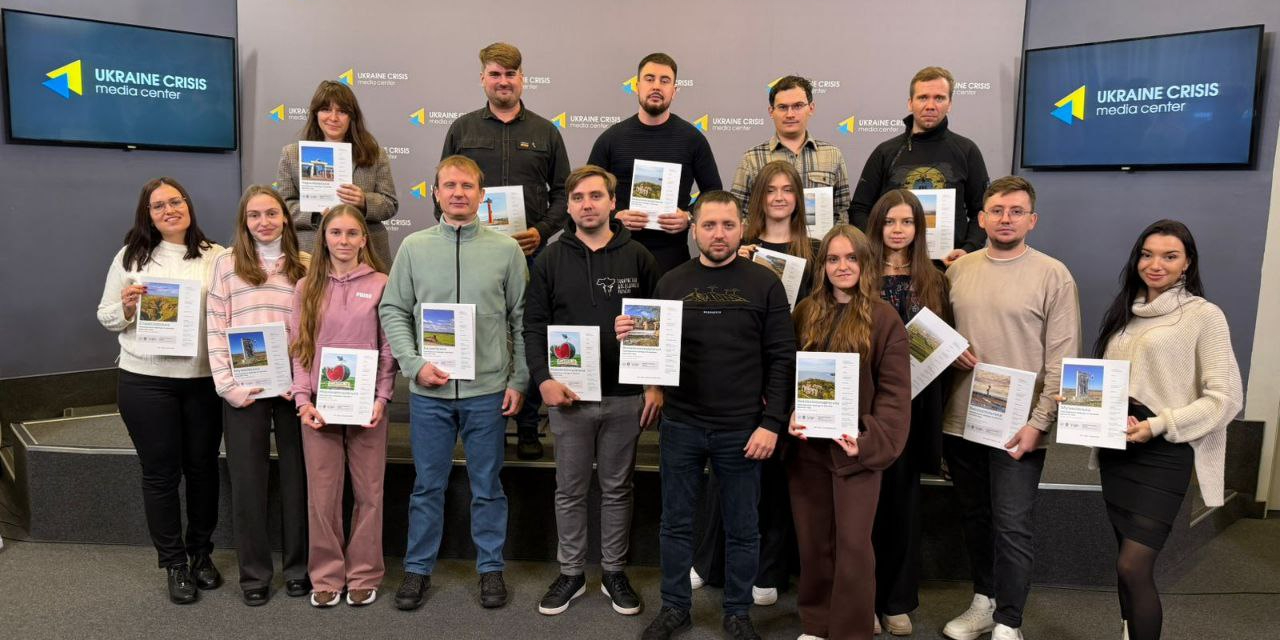
Unique Atlases of Conditions and Resources of Deoccupied Communities in the Kherson Region were presented in Kyiv. This large-scale project was implemented by the Ukrainian Researchers Society NGO in cooperation with Kherson State University and with the support of the Kherson regional and local military administrations.
The project extends the initiative to establish a geoinformation portal for the Kherson region, which was completed shortly before the full-scale invasion.


‘After part of the Kherson region was de-occupied... we started thinking about how we could use the material we had collected over the previous two years. We also wanted to demonstrate the development strategy for the de-occupied communities, and illustrate the destruction caused by the armed aggression,’ said Pavlo Ostapenko, Head of the Ukrainian Researchers Society.
Each of the 17 atlases contains around 40 pages of detailed information about a specific community. This includes 17–18 thematic maps that cover topics ranging from geological structure and environmental conditions to the pre-war social sphere, transport, and post-war development strategies. The atlases are available in Ukrainian and English.
‘It is not just a brochure, it is an educational publication recommended by the Academic Council of Kherson State University,’ said Pavlo Ostapenko.
The situation in the de-occupied communities remains extremely challenging. The main issues are massive population displacement and widespread destruction.
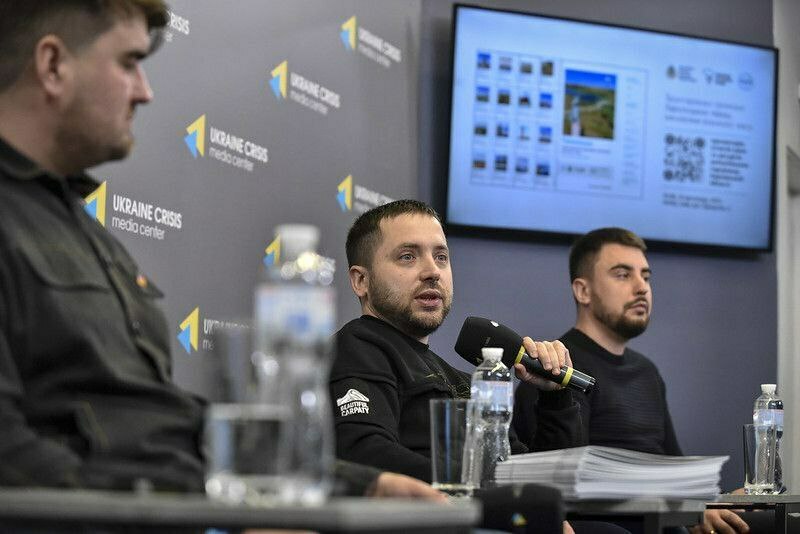
‘The demographic situation is very difficult right now... Over 50 per cent of residents have left. Why? Because of the shelling and destruction. Social infrastructure, residential buildings, schools, kindergartens and medical facilities are all being destroyed,’ said Oleh Butrei, Deputy Director of the Regional Policy Department at the Ministry for Development of Communities and Territories.


‘The destruction in the Kherson region is extensive... Almost 39,000 facilities have been destroyed or damaged. Of these, 95 per cent are residential buildings. This is terrorism against the civilian population... As for educational institutions, 381 have been affected: 80 were completely destroyed and 301 were damaged,’ said Oleksandr Sushko, Deputy Head of the Department for Decentralisation of the Kherson Regional State Administration, citing the horrific statistics.
The created Atlases are not only a record of the current situation; they are also a powerful tool for the future.
‘Communities have received a scientific foundation – a resource that they can use to develop their strategies and formulate comprehensive spatial development plans. Ultimately, they can use it to participate in or develop grant projects,’ says Mykola Baranovskyi, Dr of Geography and Professor at Mykola Gogol State University in Nizhyn, who is also one of the atlas reviewers.
Additionally, the Atlases are already used as community branding tools to attract international aid and investment.
‘For the Kherson region, the English-language version is currently a lifeline because the region is actively seeking international sponsors... With this format of informational material, every community can go abroad and establish cooperation there,’ emphasised Oleksandr Sushko.
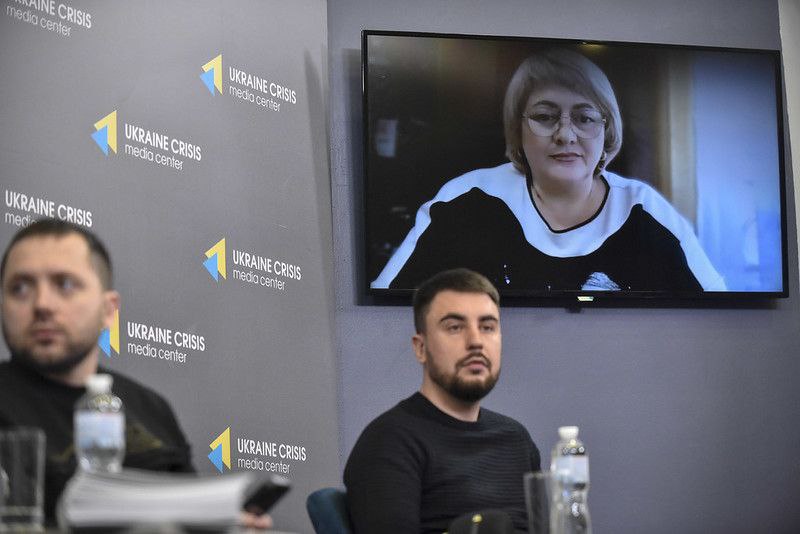
Daria Malchykova, Vice-Rector of Kherson State University and co-author of the Atlases, discussed the prospects for reconstruction. She highlighted several key conditions:
- Security factor: Until stability is achieved, reconstruction has an urgent nature.
- Demining: ‘The Kherson region’s main economic potential lay in the use of agricultural land... therefore, demining the territory is the second factor in reconstruction.’
- New development models: After the destruction of the Kakhovka Hydroelectric Power Plant, the region lost its stable water supply, which requires new approaches to agro-economic transformation.
- Preservation of human capital and decentralisation achievements: ‘For the stable recovery of the Kherson region, we must support communities and maintain the decentralisation achievements we have today.’
The community representatives who participated in the discussion confirmed the practical value of the Atlases and offered suggestions for their improvement, such as annual data updates and the inclusion of investment proposals and information on priority reconstruction projects.
The Atlases of Conditions and Resources of Deoccupied Communities in the Kherson Region are a high-quality, scientifically sound tool that are already helping communities to plan reconstruction, attract resources, and prepare for large-scale recovery. The experience of the Kherson region could be replicated in other frontline regions of Ukraine.


03 December 2025
«3000 км Україною» – програма стартувала у тестовому режимі для прифронтових громад
«3000 км Україною» – програма стартувала у...
Кабінет Міністрів ухвалив ряд рішень, що забезпечать додаткову підтримку жителів прифронтових територій та...
03 December 2025
Година запитань з Наталією Піпою «Оплата праці вчителів у 2026 році: що зміниться насправді?»
Година запитань з Наталією Піпою «Оплата праці...
Яким буде навантаження педагогічних працівників та чому збільшення педагогічного навантаження не означає масових...
03 December 2025
Засідання круглого столу: «Оцінка безпекової...
Комітет Верховної Ради України з питань організації державної влади, місцевого самоврядування, регіонального...
03 December 2025
Мінрозвитку пропонує оновити підходи до оцінки спроможності територіальних громад
Мінрозвитку пропонує оновити підходи до оцінки...
У презентації взяли участь заступник Міністра розвитку громад та територій України Олексій Рябикін, заступник...