‘Fortress City’. Anatolii Vershyna, Mayor of Pavlohrad, on resilience, millions for business, and the future of southern Ukraine
Anatolii Vershyna, Mayor of Pavlohrad, on two possible scenarios for the future of the community, improper amalgamation, and how to ensure tax revenue growth during wartime
By Dmytro Syniak
Pavlohrad is located at the westernmost point of the Donetsk coal basin. Located just 150 km from Donetsk, the city has felt the effects of the war since its outbreak. Since 2014, Pavlohrad has seen waves of refugees, military transport and humanitarian cargo rolling through the city, and its hospitals and clinics have taken in the wounded. The people here have long been accustomed to all this. At the same time, the city has always been considered a rear base, so life here has been relatively calm and peaceful. However, if Pokrovsk, which blocks the 100-kilometre road to Pavlohrad, falls, this could all change. Russian pressure on Pavlohrad has recently increased significantly: while the enemy launched around 50 missile and drone strikes on the city between 2022 and 2024, 25 strikes have already taken place this year. Almost all of these took place between September and November. Nevertheless, Anatolii Vershyna, Mayor of Pavlohrad, remains optimistic. He has been in office since 2015 and has not experienced peacetime. Throughout his three terms in office, he has constantly supported the military, taken in refugees, built shelters, and carried out many other defence-related tasks.
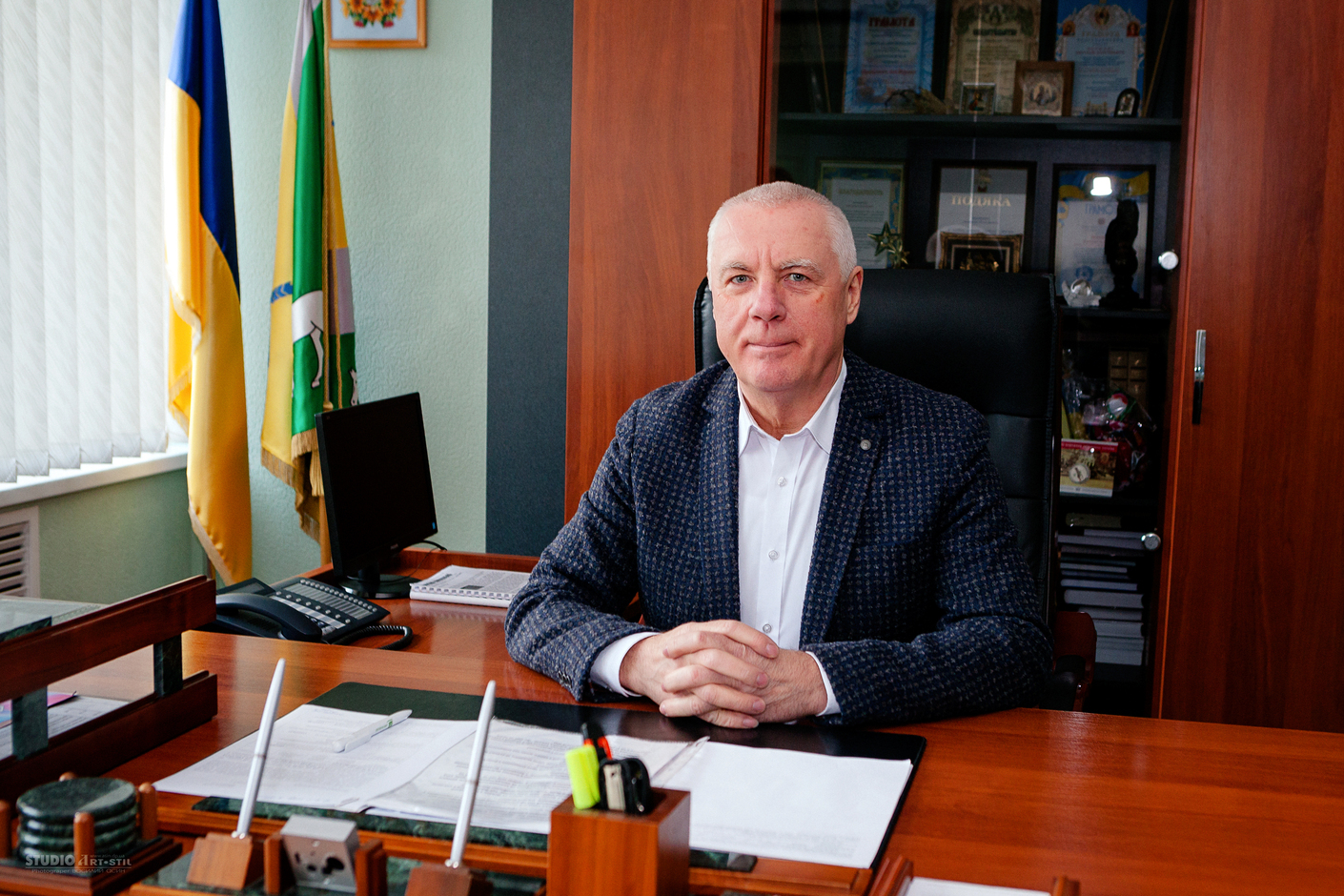
Anatolii Vershyna, Mayor of Pavlohrad, has been in charge of the city for ten years
War in Pavlohrad
Is Pavlohrad feeling the approach of the front line?
I can confirm that the situation is stable and under control, although it is, of course, not easy. All the departments and organisations that keep the city functioning are working at full capacity. There is definitely no reason to panic. Like the rest of Ukraine, however, we are experiencing difficulties with the electricity supply. There are power cut schedules in place, and Russian drones are striking us almost every day. They attack our enterprises, residential buildings and social infrastructure... The city was left without power due to a strike on the power grids just this weekend. People often complain that the energy companies are to blame. However, I would argue that the energy companies are not responsible for the power cuts. We need to remember that.
What has stuck in your memory the most during the full-scale invasion?
This is the work of our rescuers. Despite the fire and smoke, they worked clearly and coherently, carrying people out and pulling bodies from the rubble. They proved that they were stronger than destruction and the enemy causing incredible suffering to innocent people. It is difficult to describe all this in words though…
In 2014, there were a lot of pro-Russian sentiments in Pavlohrad, right? What are people’s feelings now?
There are very few pro-Russian people, and they do not express their views. Occasionally, the Security Service of Ukraine identifies individuals whose pro-Russian sentiments have caused damage or pose a threat, and detains them. However, law enforcement agencies have more problems with the short-sighted lumpenproletariat who will set something on fire for the equivalent of just UAH 3,000 than with conscious supporters of the ‘Russian world’. Many of those who once shouted their support for Russia have now completely changed their minds. I have never understood why people sympathise with Russia. But people are different, you know. There are crazy ones among them, too.
When the full-scale war broke out, all Ukrainians united and helped each other. But how are they behaving now, at least in Pavlohrad?
When war broke out, the enemy was very close to our city. This motivated the population. Now, however, they seem to have relaxed. They no longer come together or hide from Russian attacks. At most, they look up to see what is flying overhead. They say, ‘If it kills, it kills!’ Even when something explodes nearby, they barely react. They have become accustomed to it... People have also become tougher. War does not make anyone kinder, you know.
By Presidential decree, Pavlohrad was awarded the title of Hero City on 30 September 2025. Why do you think the city received this high honour?
Serhii Lysak, who was the First Deputy Head of the Regional Military Administration at the time, called me that day to congratulate me on receiving the award. I then read the President’s decree in the media. Besides Pavlohrad, it mentioned 15 other cities. There were no celebrations to mark the occasion. Needless to say, we are pleased that the President acknowledged the results of our work and emphasised the importance of Pavlohrad in defending Ukraine. While the official wording is ‘for the feat, mass heroism and resilience of citizens’, I believe the President’s Office also recognised the exceptional assistance our city has provided to the military since the outbreak of war in 2014. During the full-scale invasion, we transferred approximately UAH 170 million to our defenders. Not to mention how much more we bought! The President’s Office may also have noticed how we support internally displaced persons.
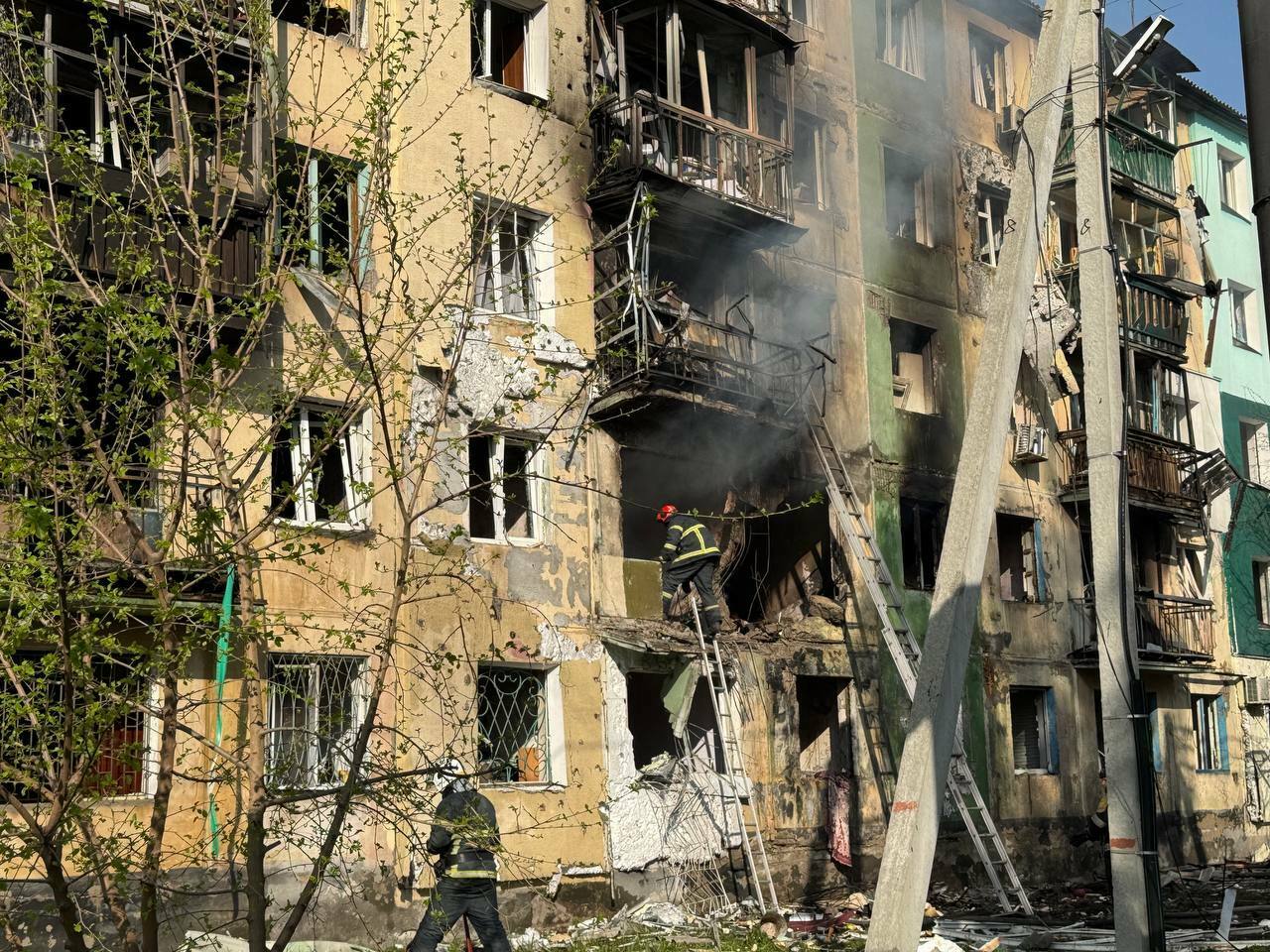
Pavlohrad rescuers at work
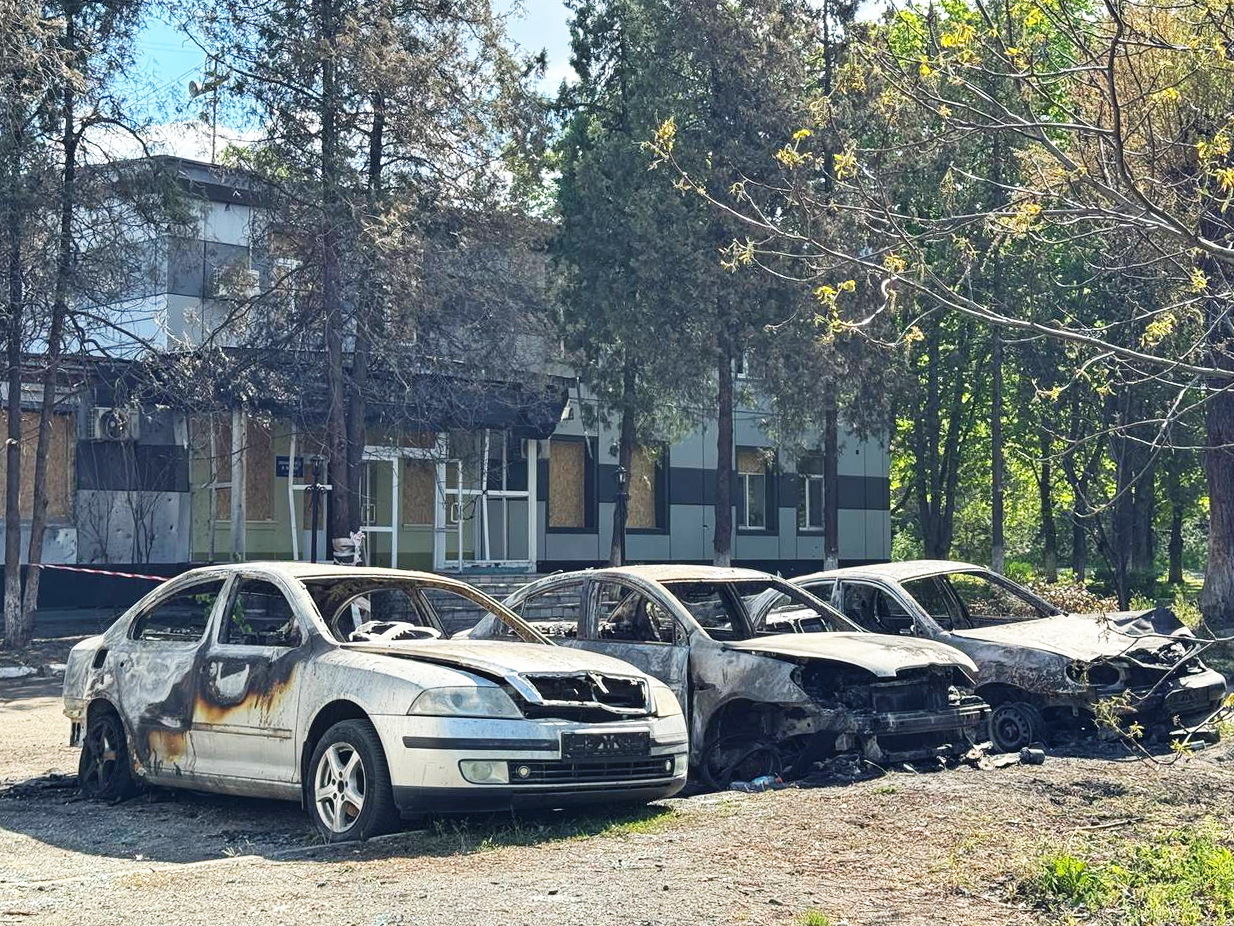
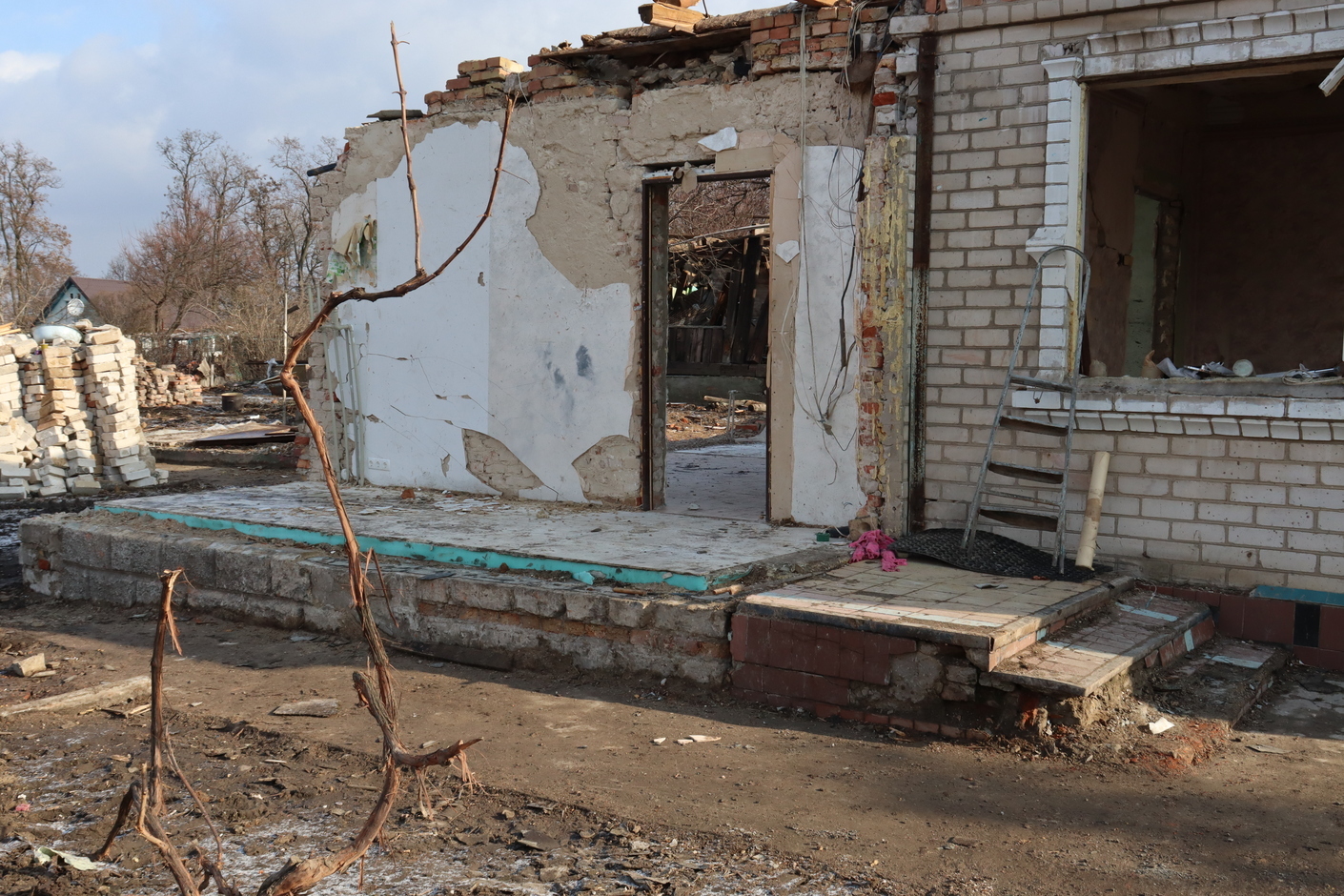
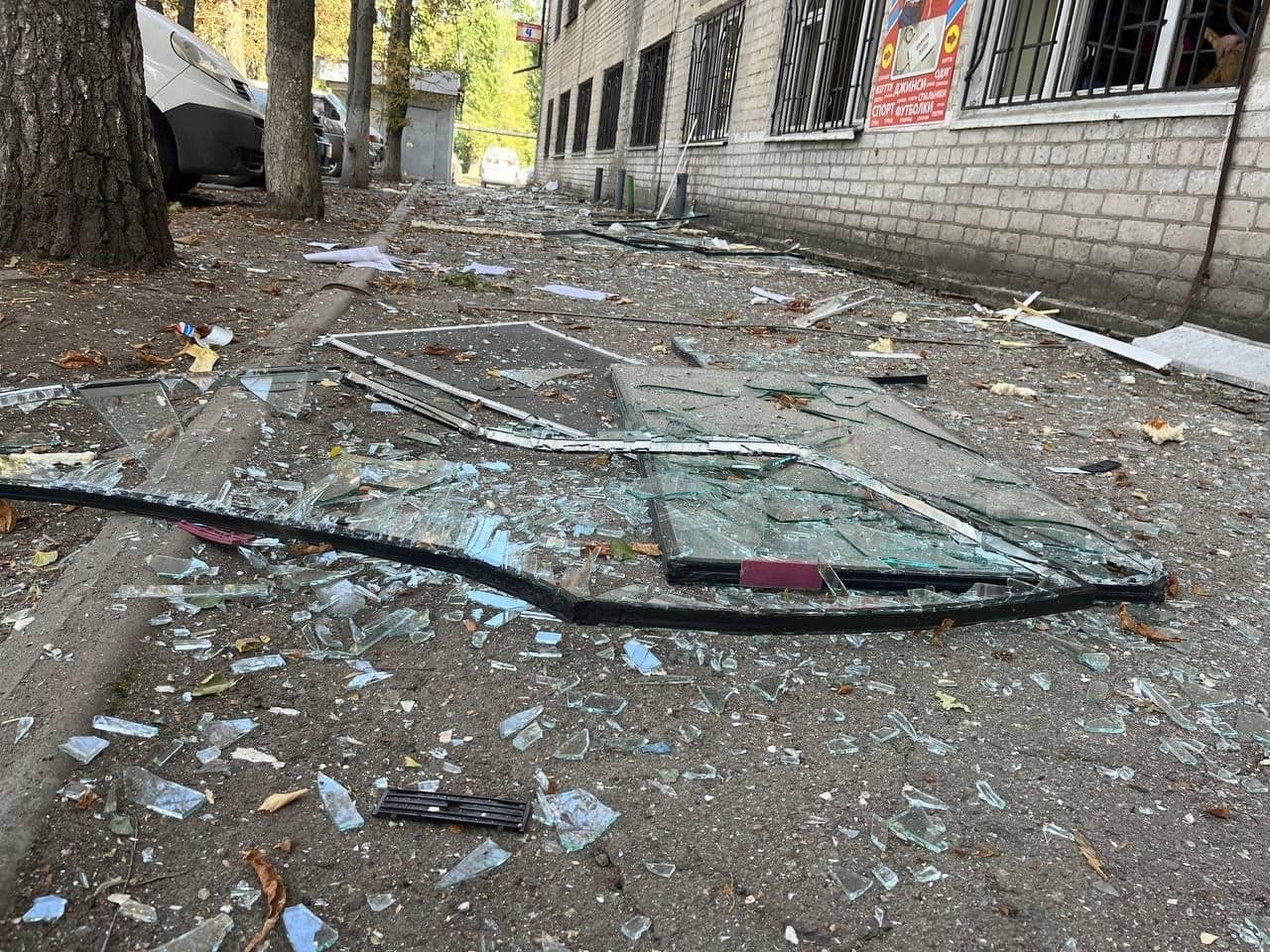
Destruction in the Pavlohrad community
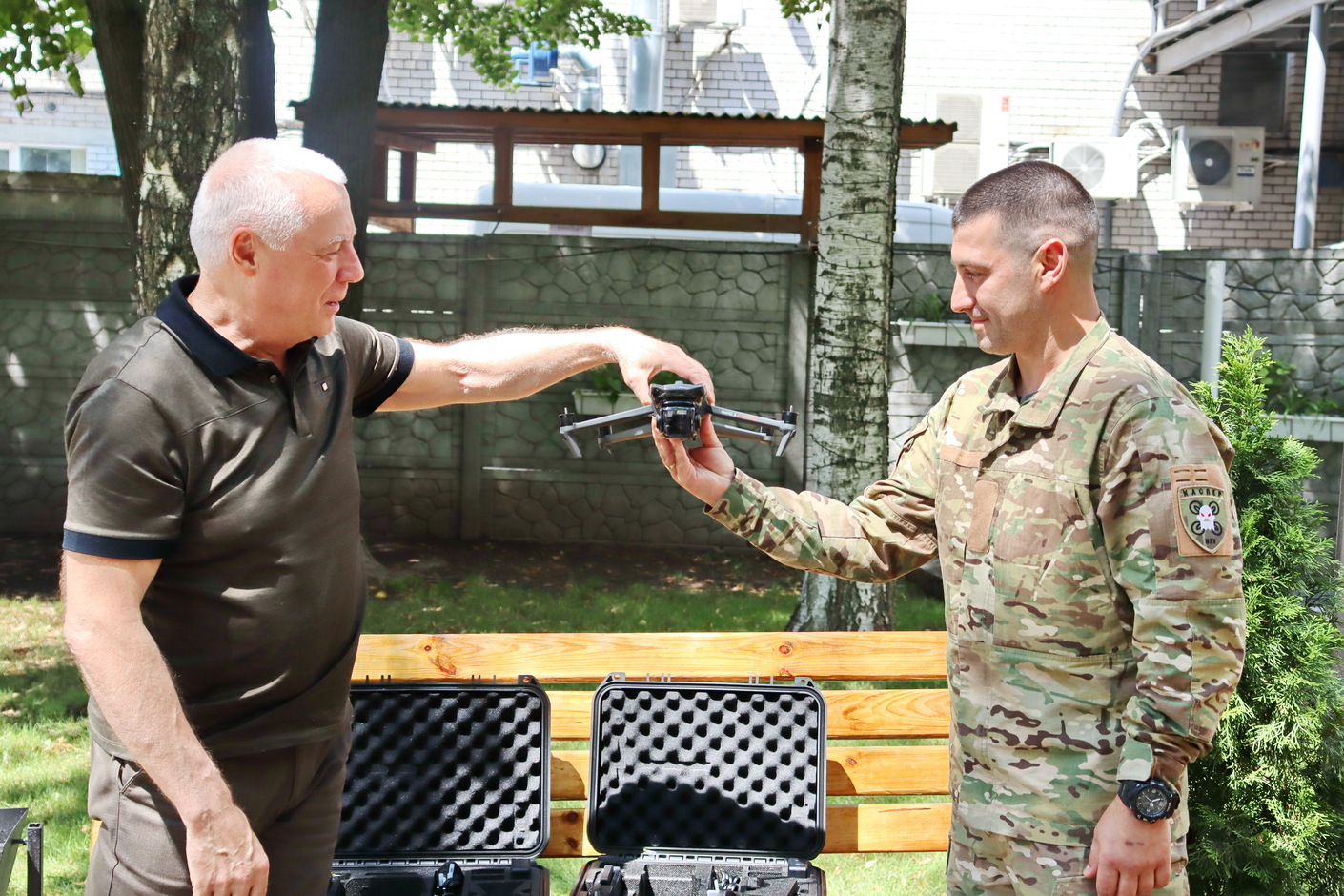
Anatolii Vershyna handing over drones to Ukrainian defenders…
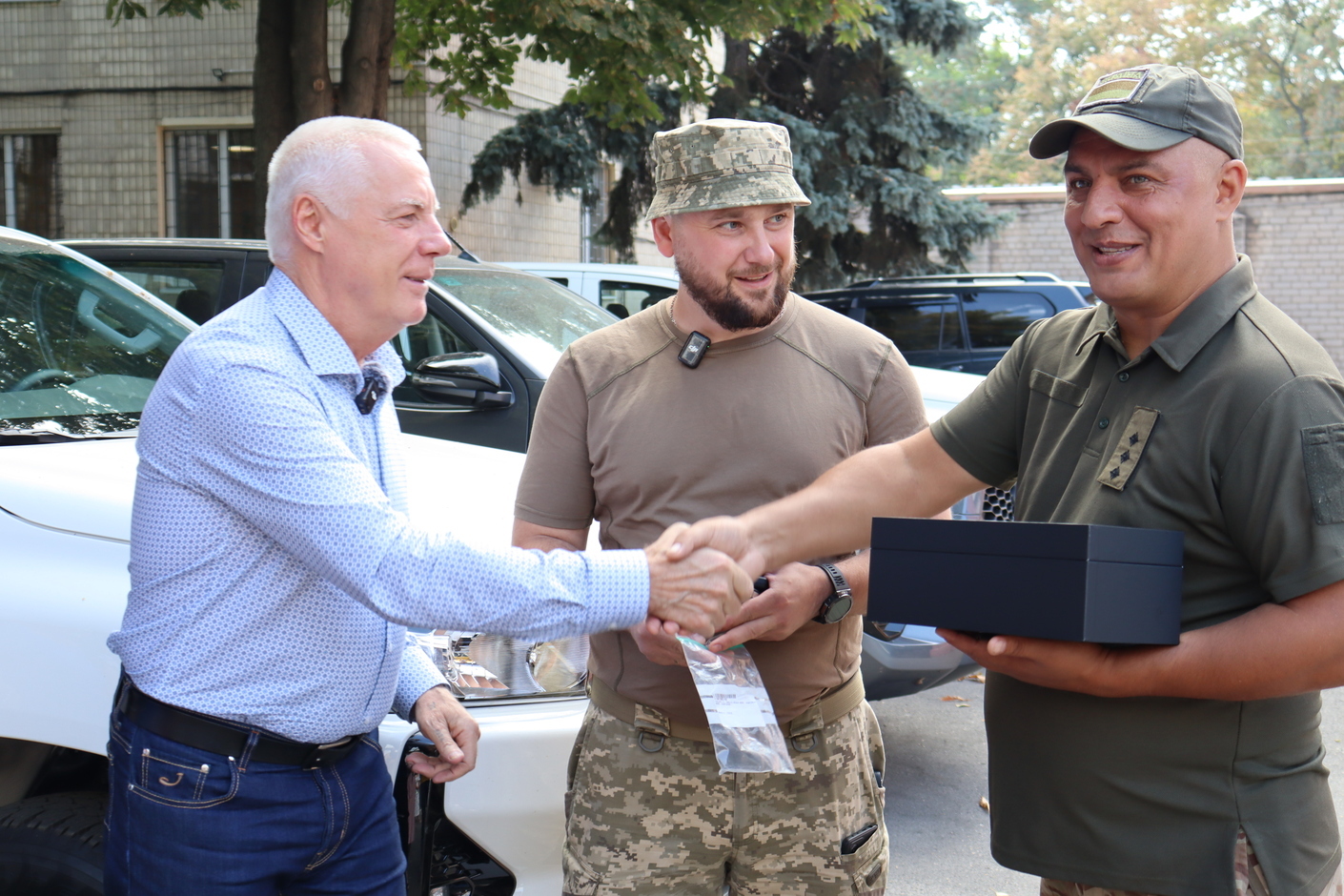
… as well as other military equipment
The oldest Ukrainian hub for displaced persons
Please describe in more detail the support provided to displaced persons. After all, you have been working with them for almost 12 years.
Exactly. Modular towns are now being built for these people throughout Ukraine, but our first such town was constructed in 2016 with the support of GIZ. Unlike other communities that are merely proud to distribute humanitarian aid to their residents, Pavlohrad was included in the Coalition of Honest Communities’ 2023 ranking of the ‘Top 15 cities in Ukraine for transparency in the use of charitable aid’. We officially register over 20,000 internally displaced persons, but I estimate that there are actually around 30,000. Given that we had around 100,000 residents prior to the full-scale invasion, you can imagine the burden we are facing. Although 10,000 to 15,000 people have left, the population has grown significantly, which is a serious challenge for us. Naturally, displaced persons need somewhere to live, and not all of them can afford to rent an apartment. This is why we are setting up dormitories and building housing under the state construction programme. The Government has allocated over UAH 120 million for this over four years.
How much does the Pavlohrad City Council spend from its own budget on programmes that support displaced persons?
In the first six months of 2025 alone, spending in this area totalled UAH 6.3 million, half of which was spent on utilities used by residents of the transit hub. Around UAH 2 million was spent on organising education and care for internally displaced children. Almost UAH 800,000 was spent on measures to increase the number of care facilities for those in need. I will not mention minor things, such as providing targeted assistance to displaced persons. And yet, in just six months, we spent UAH 55,000 on this. Not much, of course, but we have a dozen or so such expenditure items.
You say that Russians are bombing Pavlohrad every day. How badly has the city been damaged?
Hostile air strikes have damaged a total of 115 structures. These include 55 multi-storey buildings, 5 enterprises, 6 shops, 42 private houses, 10 social infrastructure facilities and 53 cars. Tragically, there have been six fatalities, including one child, and 40 people have been injured.
You mentioned attacks on utility companies and shops. What impact are these attacks having on local businesses?
They are holding firm, I would even say heroically. Almost none of the entrepreneurs have relocated their facilities to safer regions. All large businesses are operating, despite the damage caused by Russian shahids and missiles. Unfortunately, the state does not provide any assistance to entrepreneurs who have suffered losses as a result of the hostilities. These losses are often significant. Just a few weeks ago, a Russian strike on a car park burned down a dozen cars and half a dozen buses belonging to one of the enterprises. Following this, we exempted this enterprise from land rent.
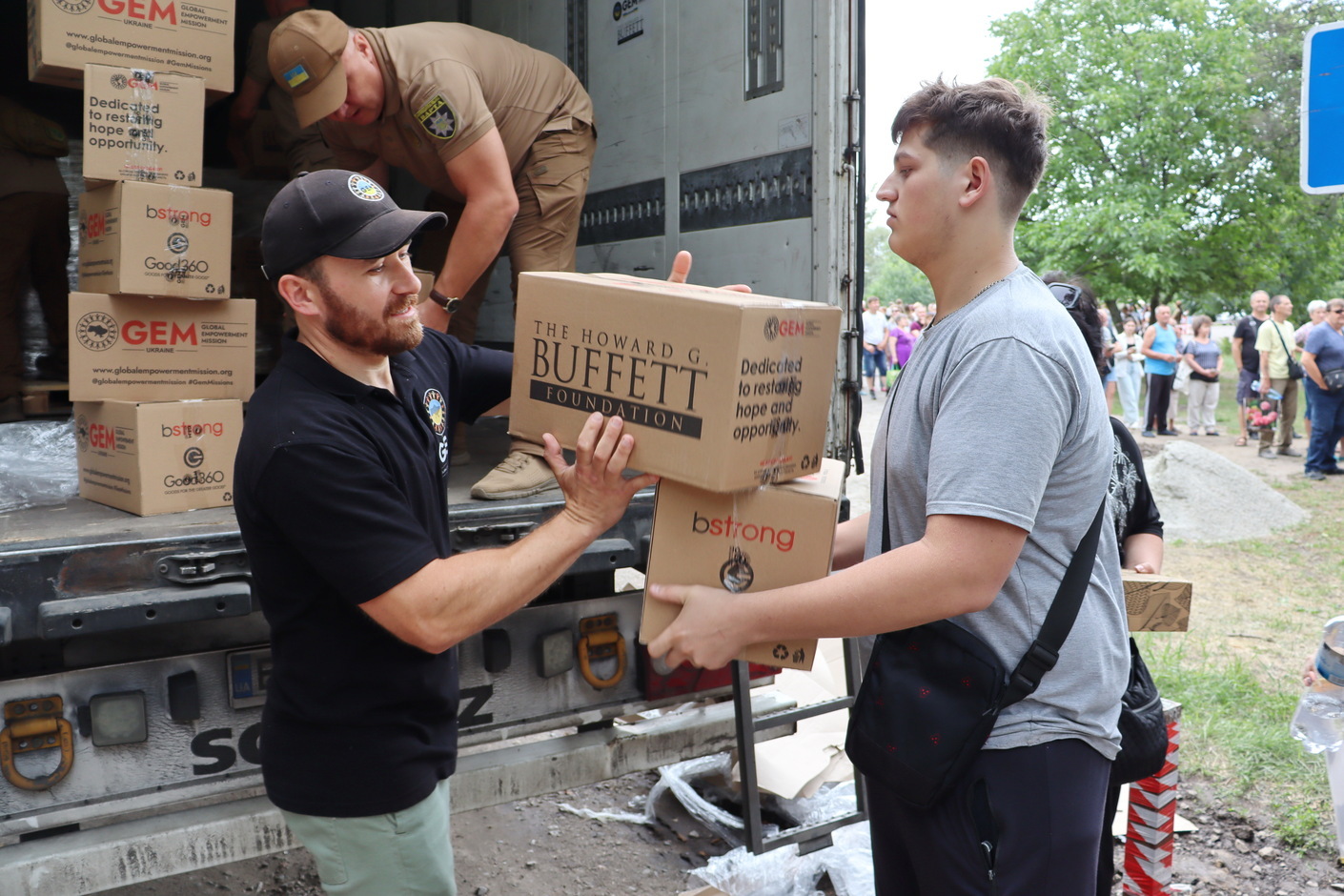
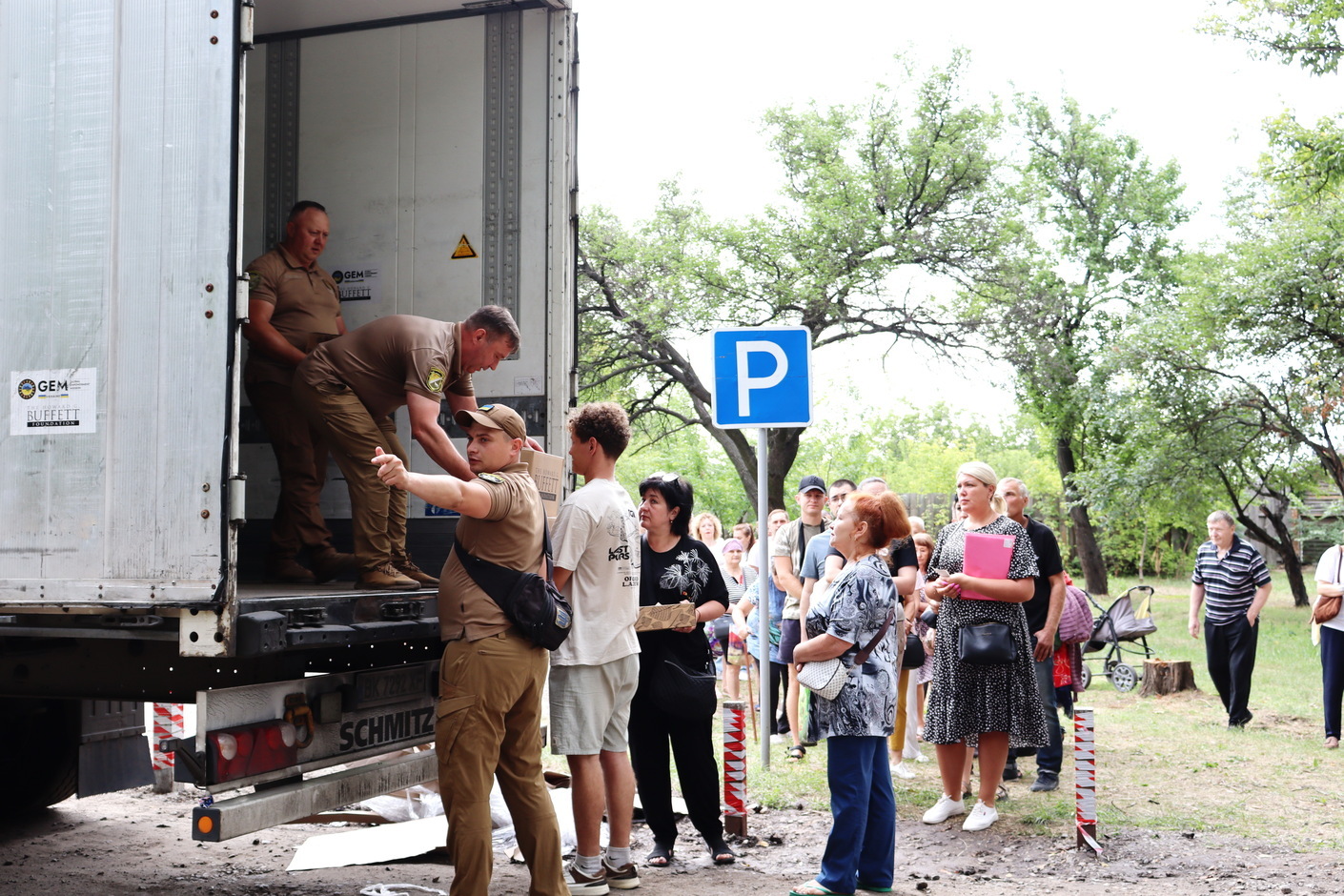
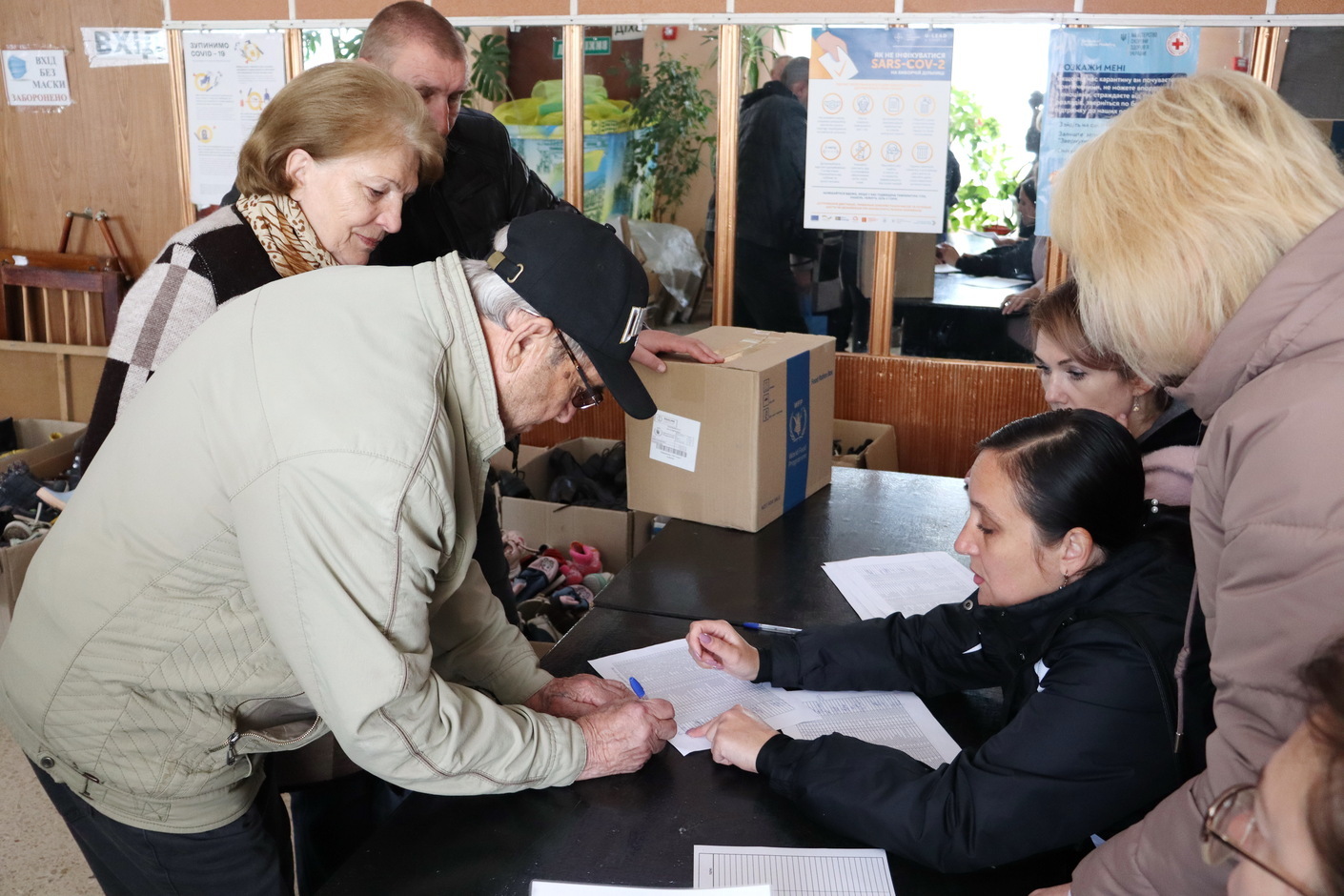
Support for internally displaced persons in the Pavlohrad community
Why did no community want to amalgamate with Pavlohrad?
The city’s main enterprise, the one that formed the city, as they used to say, was Pavlohradvuhillia. Does it still hold this status?
It still does, even though the main consumer of coal, thermal power plants, has now been destroyed. However, when it comes to filling the budget, Pavlohradvuhillia cannot be considered a city-forming enterprise. After all, it now pays taxes to the communities where its mines are located, not to us. As soon as I became mayor, I started fighting to correct this injustice, but unfortunately I have achieved little in this regard. Consequently, around 8,000 miners reside in Pavlohrad, utilise its infrastructure, and remit approximately UAH 300 million in personal income tax to other communities each year.
Should the amalgamation have been done differently? Pavlohrad is a unique community in that it has not amalgamated with any other rural or urban council. Why did this happen?
Because the neighbouring rural and urban councils did not want to amalgamate with us. They understood that, with mines on their territory, they would live quite comfortably, so they rejected all our proposals for amalgamation. Consequently, we are now surrounded by four communities. Troitske has around 3,000 residents, while Bohdanivka, Verbky and Mezhyrich each have around 7,000. They also have mines and money. While we have an average of around UAH 7,000 per resident per year, they have around UAH 40,000. However, we also have huge urban infrastructure and displaced persons. And what do they have? Who authorised such a ridiculous amalgamation? Is it profitable for the state to leave Pavlohrad with no opportunity to expand? And who allowed Ternivka, a town located 20 km from Pavlohrad, to amalgamate with just one tiny hamlet, Zelena Dolyna, which has only a few dozen residents? Ternivka has almost 30,000 residents, while Zelena Dolyna has just 30. Is this normal?
We can see the opportunities that Pavlohrad has lost. What do you think communities have lost due to such an incompetent amalgamation of communities, as you say?
They are now forced to pay a reverse subsidy because they earn too much. This amounts to around UAH 100 million per year, which is a considerable sum. Meanwhile, we lack the funds to maintain the city’s infrastructure. If we amalgamated with these communities, we would create a large, wealthy community. Currently, the Pavlohrad community only consists of the city of Pavlohrad, and the Ternivka community only consists of the city of Ternivka. The surrounding communities currently have sufficient funds to maintain under-enrolled schools, but they prioritise the wishes of teachers and parents to maintain the status quo over the quality of education. Together, however, we could purchase school buses and provide decent-quality education for all children in the community at several hub schools. Missed opportunities indeed!
But the communities exercised their right to voluntary amalgamation, and if everything was within the limits set by the Government...
You know, I am a big supporter of decentralisation reform. It has brought many positive changes to Ukrainian cities and villages. However, I am deeply convinced that amalgamation did not work out well. At least not in our case. That is why I would prefer communities to be amalgamated by force, as they did in Poland. Then we might avoid such absurdity! What will happen when the mines, which are almost depleted, close? How will the surrounding communities survive? Even children understand that mines are a thing of the past and that the future lies in nuclear and renewable energy. As soon as the mines close, the communities we are talking about will instantly go from being rich to being poor. How will they maintain their schools, medical facilities and roads? Why did none of the government officials who approved the amalgamation address this issue? The healthcare facilities in these communities are already unable to compete with our hospitals. After all, they do not have the same professionals or opportunities as us. Now that money follows the patient, these communities are forced to subsidise their clinics significantly. This situation must be rectified immediately. Sooner or later, we will have to adjust the outcome of the amalgamation anyway. By delaying this, we are simply wasting time.
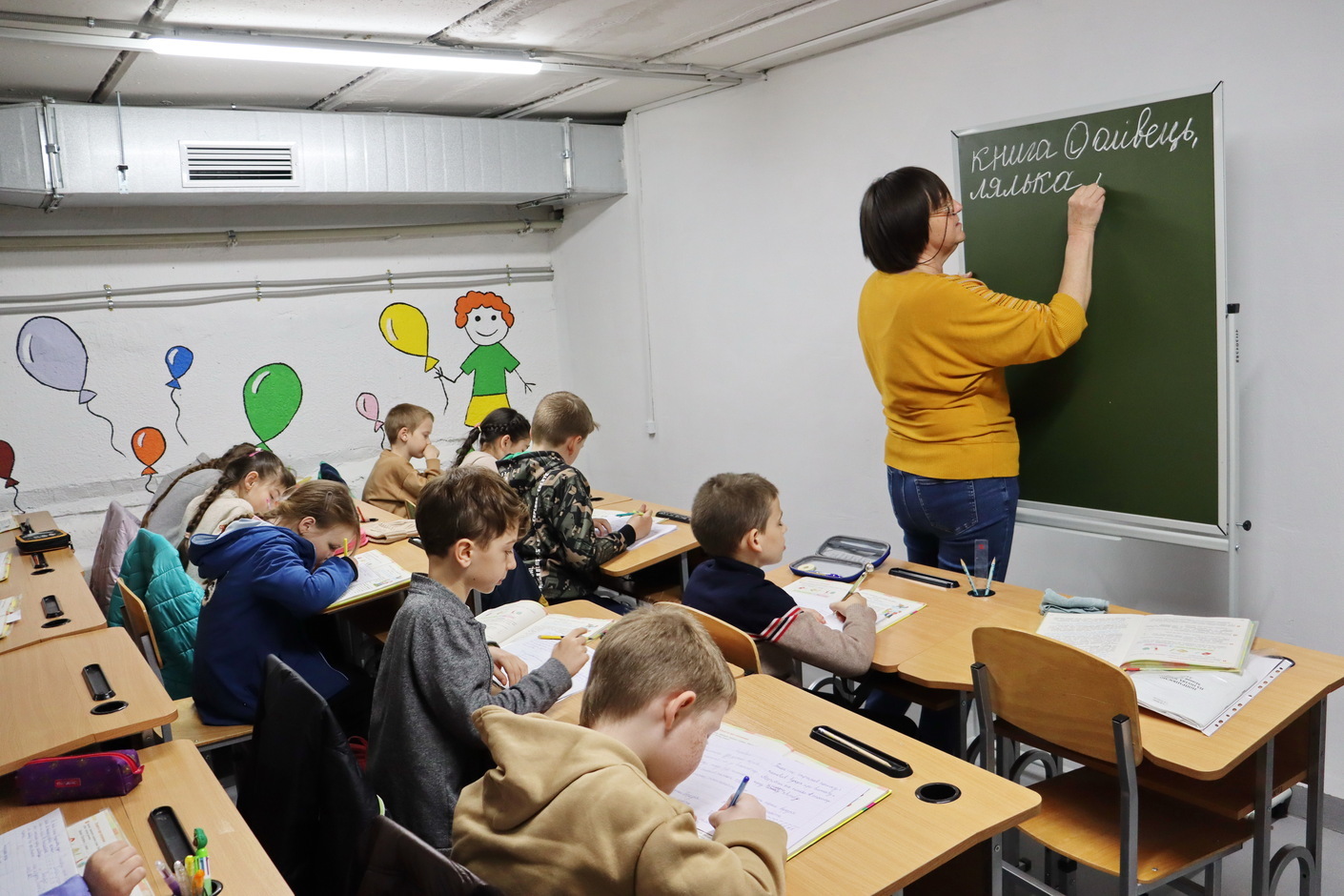
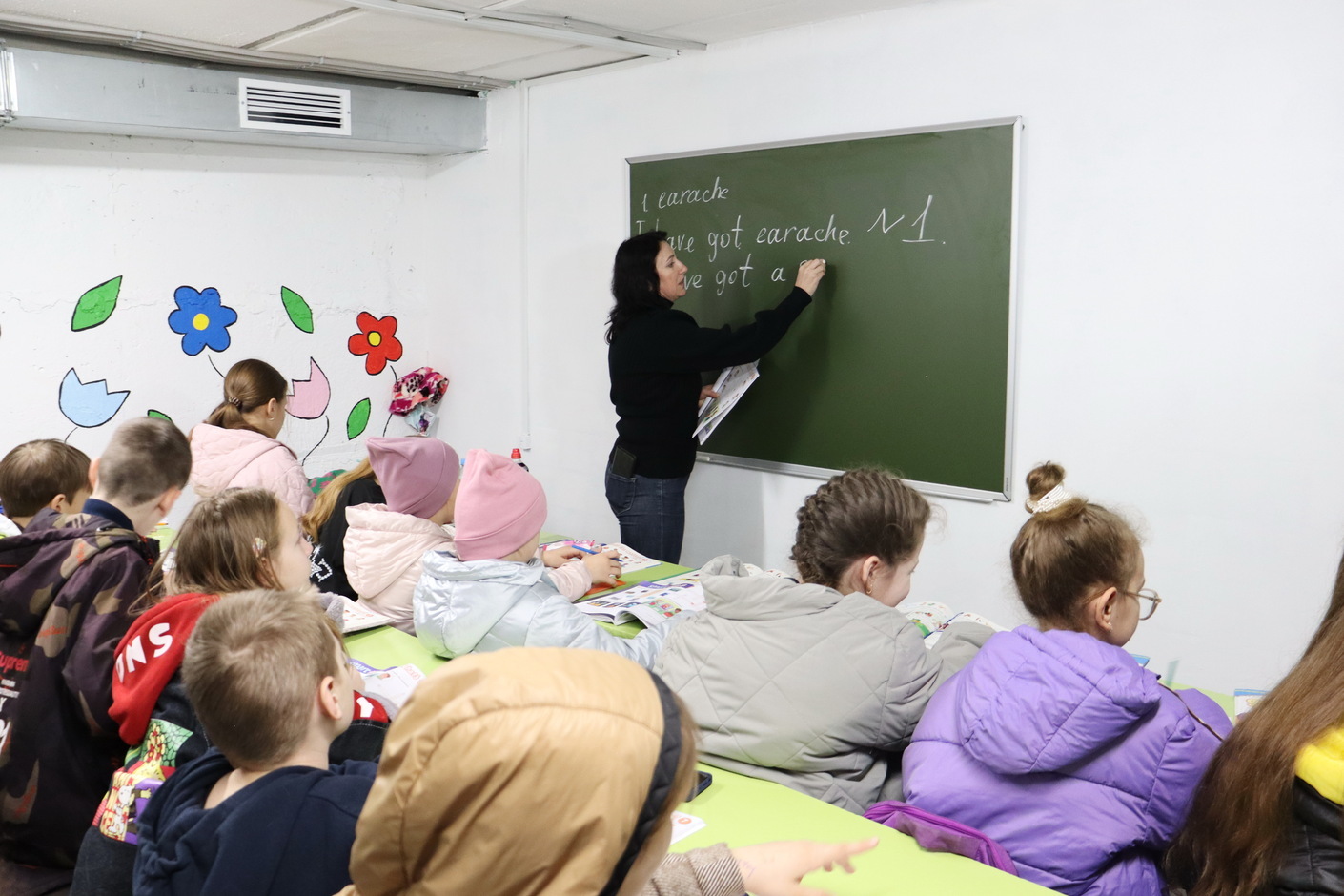
Schoolchildren learning in one of the bomb shelters in the Pavlohrad community
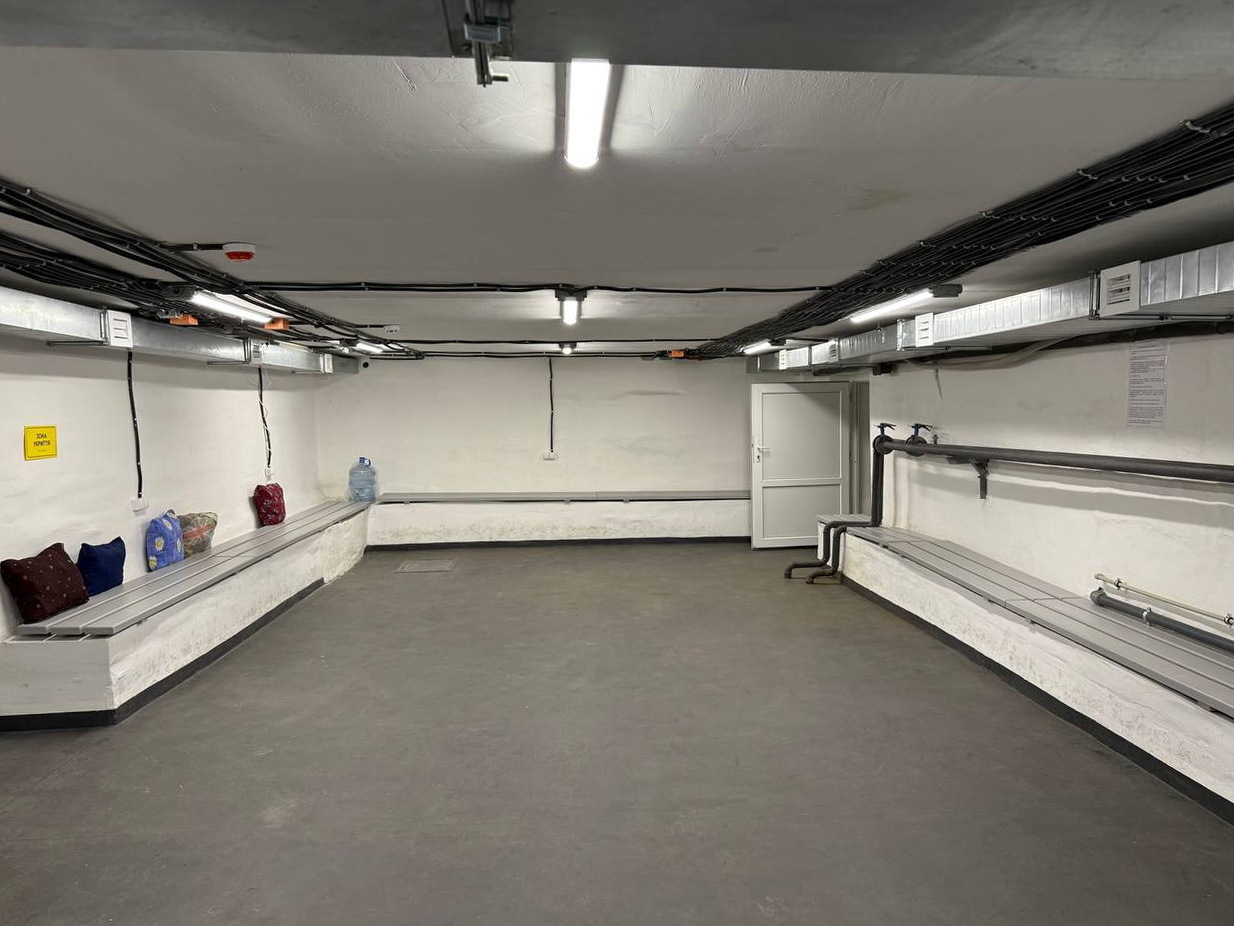
The simplest bomb shelter
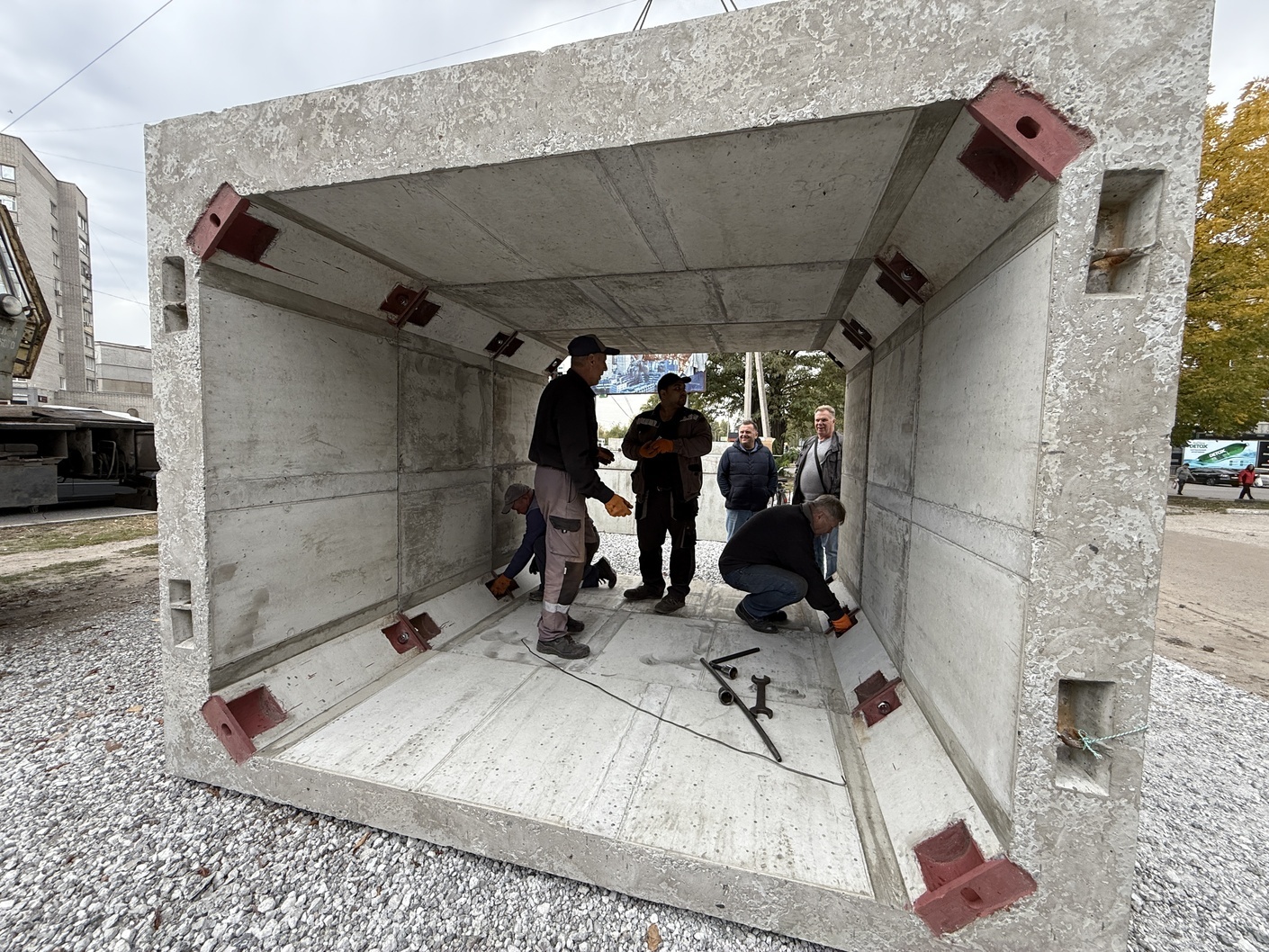
Modular bomb shelter
How can budget growth be ensured during wartime?
Usually, when communities amalgamated, cities did not want to amalgamate with heavily subsidised villages so as not to share their considerable budgets with them. How much has the Pavlohrad City Council planned to spend this year?
UAH 1.8 billion, of which UAH 1.3 billion is our own revenue. Prior to the full-scale invasion in 2022, our revenue was around UAH 0.7 billion. This covered 100,000 residents at the time, compared to 120,000 residents now. I would also like to note that, in the first eight months of 2025 alone, we have already raised an additional UAH 800 million, including state and regional budget assistance, as well as grant funds. We have an investment department that is constantly working on this issue. Another positive indicator is that our budget for this year will exceed by at least UAH 100 million.
At what cost? Can we really talk about developing the local economy amid a full-scale war, with the front line so close?
We actively promote this. For example, we have set up an entrepreneurship programme that can also be used by displaced persons and war veterans. Participants in the programme can receive grants from the city budget to start or develop their business. Naturally, participants must first undergo the necessary training and draw up a business plan, which is then reviewed by a committee of entrepreneurs and city councillors. When we started eight years ago, we planned to allocate UAH 30,000 per year to the programme. This year, however, we have planned to allocate more than UAH 400,000. The maximum amount of a single grant is UAH 300,000. This year, we were joined by two powerful charity organisations: the French charity Action Against Hunger and the British charity Disasters Emergency Committee. Thanks to them, 29 of our entrepreneurs received grants totalling USD 145,000 to develop their businesses. Another seven active entrepreneurs and city residents received microgrants totalling USD 25,000 from the Czech humanitarian organisation People in Need. Thus, the total additional grant support this year amounted to over UAH 7 million. These steps naturally lead to business growth and increased tax revenues.
Is your community taking part in the ‘Shoulder-to-Shoulder: Cohesive Communities’ project? How would you describe it?
This project is very timely because it unites Ukraine. We signed the first memorandum of cooperation with the Bila Tserkva community on 7 December 2024. Since then, our cooperation has mainly focused on humanitarian efforts, such as holding joint sports competitions and sending children on holiday. Bila Tserkva has also supported us financially, allocating UAH 2 million towards the major renovation of the surgical department of our intensive care hospital. We are also in constant contact with Hennadii Dykyi, Mayor of Bila Tserkva, and Volodymyr Vovkotrub, Secretary of the City Council. Sometimes we visit each other. So do the employees of our departments
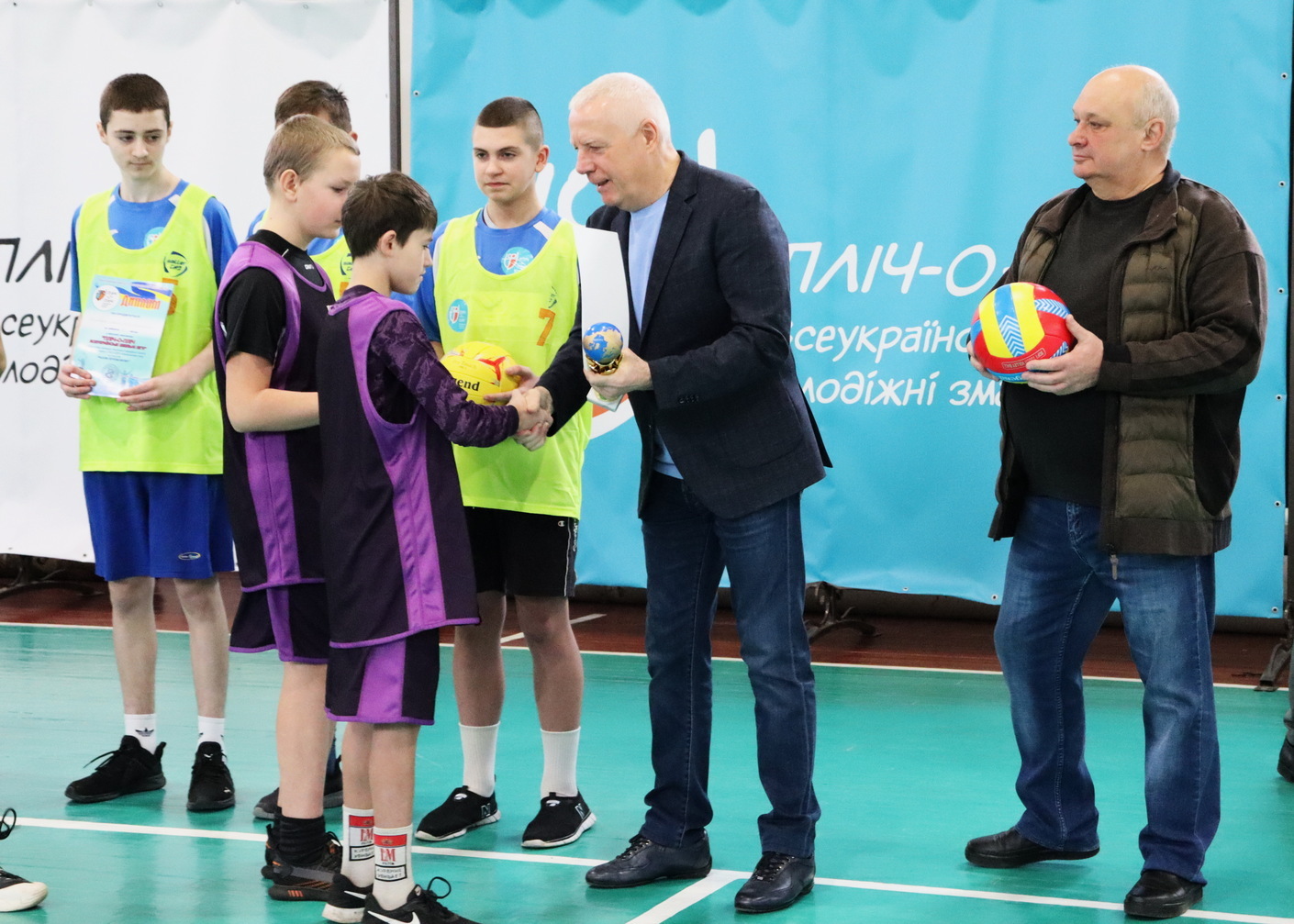
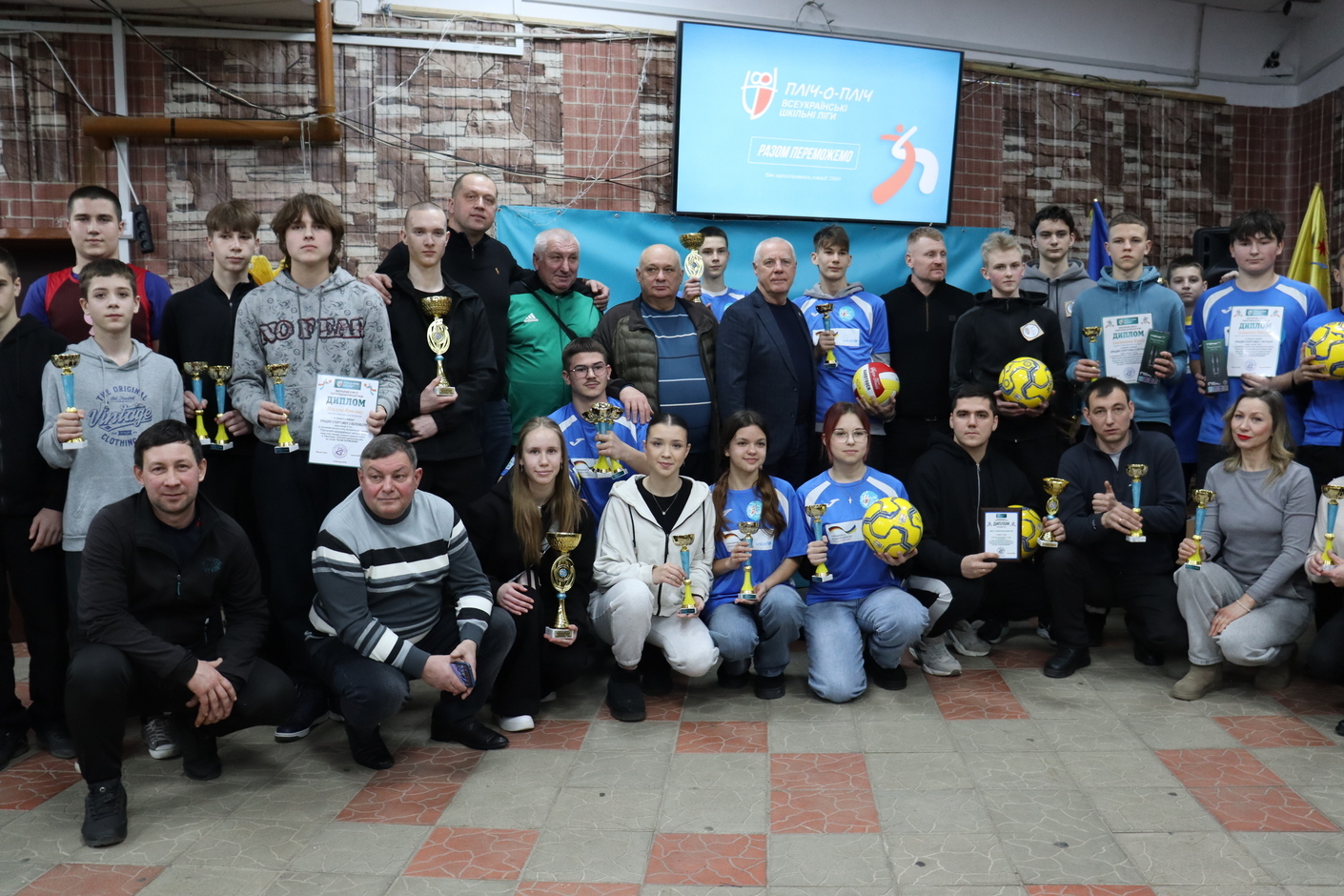
At last year’s mini-football tournament in Pavlohrad, attended by children from the Bila Tserkva community – a partner in the ‘Shoulder-to-Shoulder: Cohesive Communities’ Project
When 1 cubic metre of water costs UAH 39 and a bottle of mineral water costs UAH 40
How do your social services, education system, and healthcare system function in the context of a full-scale war? How does their work differ from that in peacetime?
Well, when it comes to education, the differences are radical. After all, even in a mixed learning system, some educational institutions still cannot provide services, let alone offline. This is because there are no even the most basic bomb shelters, and we cannot build them quickly. Some of these institutions are also located in dense urban neighbourhoods. You cannot build bomb shelters a kilometre away – even 500 metres is too far. The situation is even more complicated with kindergartens because children need to eat and sleep at certain times, so the bomb shelters must provide for all these needs. Overall, 14 schools and 6 kindergartens are equipped with shelters, while 2 schools and 9 kindergartens are not. We have to solve this problem somehow. Fortunately, the situation in healthcare is a little easier. In response to the challenges posed by war, it has become stronger and more modernised. In 2023, we opened a rehabilitation department in our hospital which is now achieving excellent results. However, the workload for medical staff at all our facilities has increased significantly. People often have to work for several days without a break.
How do utility companies continue to operate in a city where residents must sometimes seek shelter from Russian drones and missiles?
These companies are also undergoing modernisation. Currently, our aim is to enable our boiler operators to control their work remotely from a bomb shelter. To this end, we have purchased specialised boilers. We are also working on upgrading the central heating system, which serves more than 70 per cent of our residents. Outdated technology and worn-out equipment force us to spend considerable funds on heating and water supply systems. However, the National Commission for State Regulation of Energy and Public Utilities does not allow us to increase tariffs. When I recently travelled to Kyiv, I bought a one-litre bottle of water from a petrol station for UAH 40. Suddenly, I remembered that the population pays UAH 39 for one cubic metre of water, i.e. 1,000 litres. These are the standards imposed on us by the state. Meanwhile, the utilities sector needs funds for modernisation. For example, three small-capacity modular boiler rooms installed for us by GIZ cost over UAH 100 million. However, we achieved 40 per cent gas savings! The project will pay for itself in three to four years!
How much would it cost to upgrade the water and heating systems?
About EUR 14 million. No one will give us loans now because Pokrovsk and the front line are 100 kilometres away. But this is not even the main problem. Due to the specific nature of our region and the large number of mines here, the state-owned enterprise Dnipro-Zakhidnyi Donbas was founded in 1984 to supply the city with water from the Dnipro River. As it is state-owned, neither we nor the regional administration have the right to invest in it. In a sense, it still exists in its original form. This is why we are now working on an alternative water supply programme. Under the plateau on which Pavlohrad stands, there are large reserves of clean, fresh water that does not require additional purification or disinfection. We just need to pump it up and drink it! However, we do not want to release this water into the general system, as it would essentially be flushed down the toilet. We want people to use it strictly for drinking and cooking.
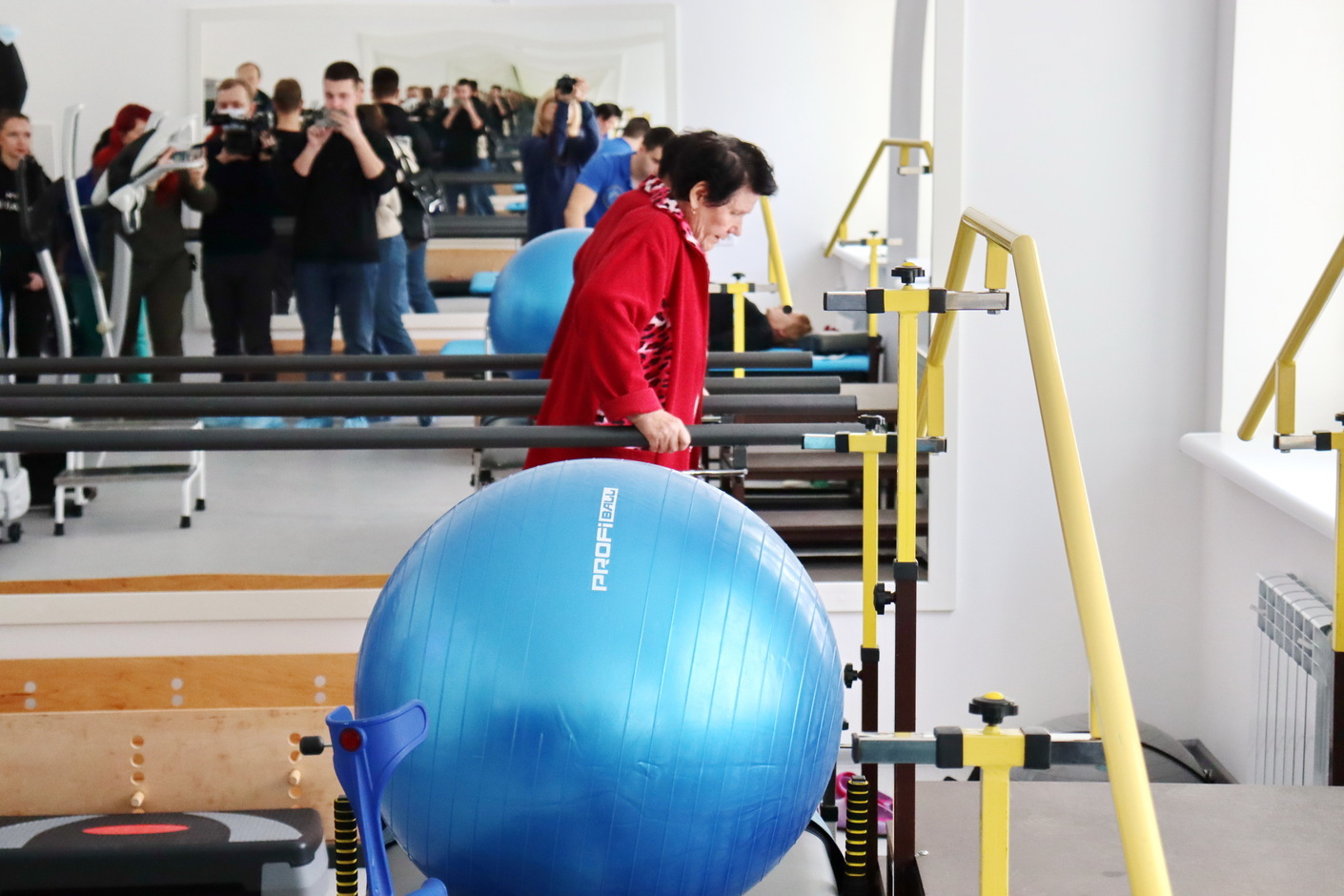
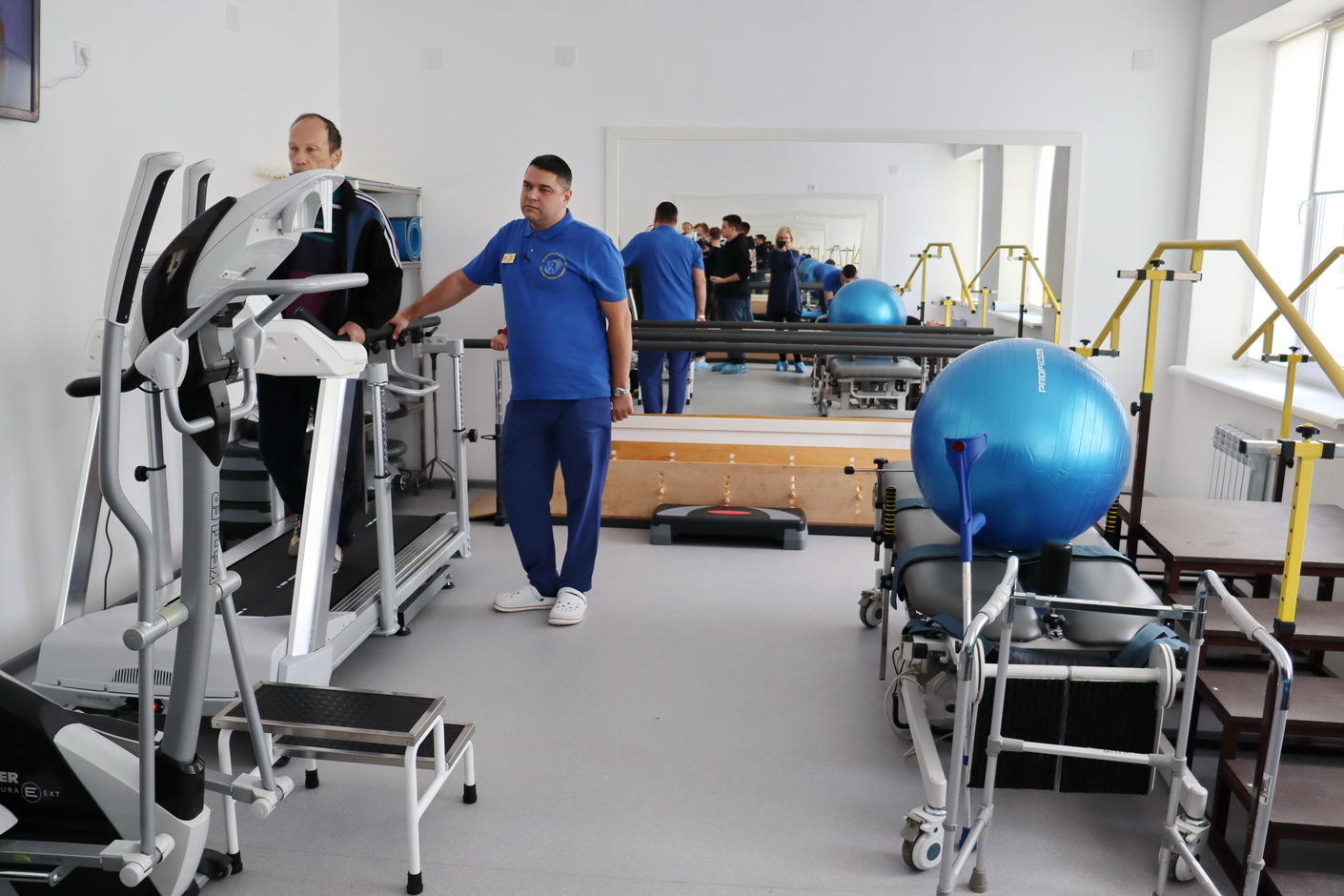
Rehabilitation ward at Pavlohrad Intensive Care Hospital nowadays
Two scenarios for the future of St Paul’s city
On 20 March 2024, the Verkhovna Rada Committee on Organisation of Power, Local Self-Government, Regional Development and Urban Planning recommended renaming Pavlohrad to Matviiv. However, when Parliament finally considered this idea six months later, it was rejected. What are your thoughts on this?
Of course it was a good solution! We surveyed residents and found that 83 per cent wanted to live in Pavlohrad, the city of Saint Paul. While some historians disagree, claiming that Pavlohrad was named after the Russian emperor Paul I, they provide no evidence to support this. While it is true that in 1784, Catherine II did indeed rename the settlement of Luhansk to Pavlohrad by decree, granting it the status of a county town, there is no mention of her 30-year-old heir Pavlo in the decree. In fact, Catherine disliked her son, considering him ‘difficult’ and mentally unstable. She was jealous of his power and tried several times to deprive him of his inheritance. In my opinion, it is inappropriate to refer to Emperor Paul I in this context. Some may disagree, and I respect that. However, we live in a state governed by the rule of law. If someone claims that the name Pavlohrad is subject to decolonisation law, they must provide evidence to support this. They should find at least one document that supports it. There is another aspect to this issue, too. If the city is to be renamed, it certainly should not be named Matviiv. Matvii Khyzhniakivskyi, the legendary figure considered to be the founder of the first settlement on the site of Pavlohrad, actually died 16 years before the settlement was established. Furthermore, his son faithfully served Empress Catherine, helping to suppress the Ukrainian uprising, among other things. In other words, he was a collaborator, and we want nothing to do with him!
What is the community’s vision for the future, given the proximity of the front line and the constant threat posed by Russia?
We are considering two possible scenarios for our future: a positive one and a negative one. The positive scenario will come to life if the hostilities cease. Even if the troops remain where they are, Pavlohrad will flourish. After all, it is already a major industrial centre. It will also become the main stronghold of southern Ukraine and a central hub for supplying the military with everything they need. The negative scenario will become a reality if the war continues. Then we will gradually lose our population, businesses and infrastructure. This process could take many years and would depend greatly on how close the enemy is, but nevertheless, it is a possibility. Our future also depends on that of our entire country.
Does our future really not depend on us?
Come on! Of course it does! A lot depends on us. A few weeks ago, I was in Kyiv and I saw a woman in an underground metro passageway swearing profusely as she told people something. I was outraged and said to her, 'We are a great people from a great country! We shouldn't talk like that!' I never intended to lecture her; I just reacted spontaneously. I said it and thought the swear words would probably now be directed at me. But that never happened. Instead, the woman suddenly fell silent and looked away. I took that to mean she felt I was right. So, not everything is lost yet! We can be better than we are. We can build a qualitatively different nation state! By this, I am primarily referring to language. Of course, none of us are saints. Sometimes, yes, I speak Russian. Nevertheless, I cannot empathise with parents who raise their children in a Russian cultural environment. I mean cartoons, fairy tales and so on. Sometimes you walk down the street and see a mother with a three-year-old child who was born during the war. This mother speaks to her child in Russian. How is this possible? What more does she need to consider herself Ukrainian and raise her child to be Ukrainian? Do we need stricter laws, like those that apply to the service sector? Even those who could barely speak Ukrainian before the full-scale invasion have started using it in our shops. But unfortunately, the younger generation is growing up Russian-speaking. Although I must admit they are certainly pro-Ukrainian. So we already have the most important thing. The content is right, and the form will change over time.
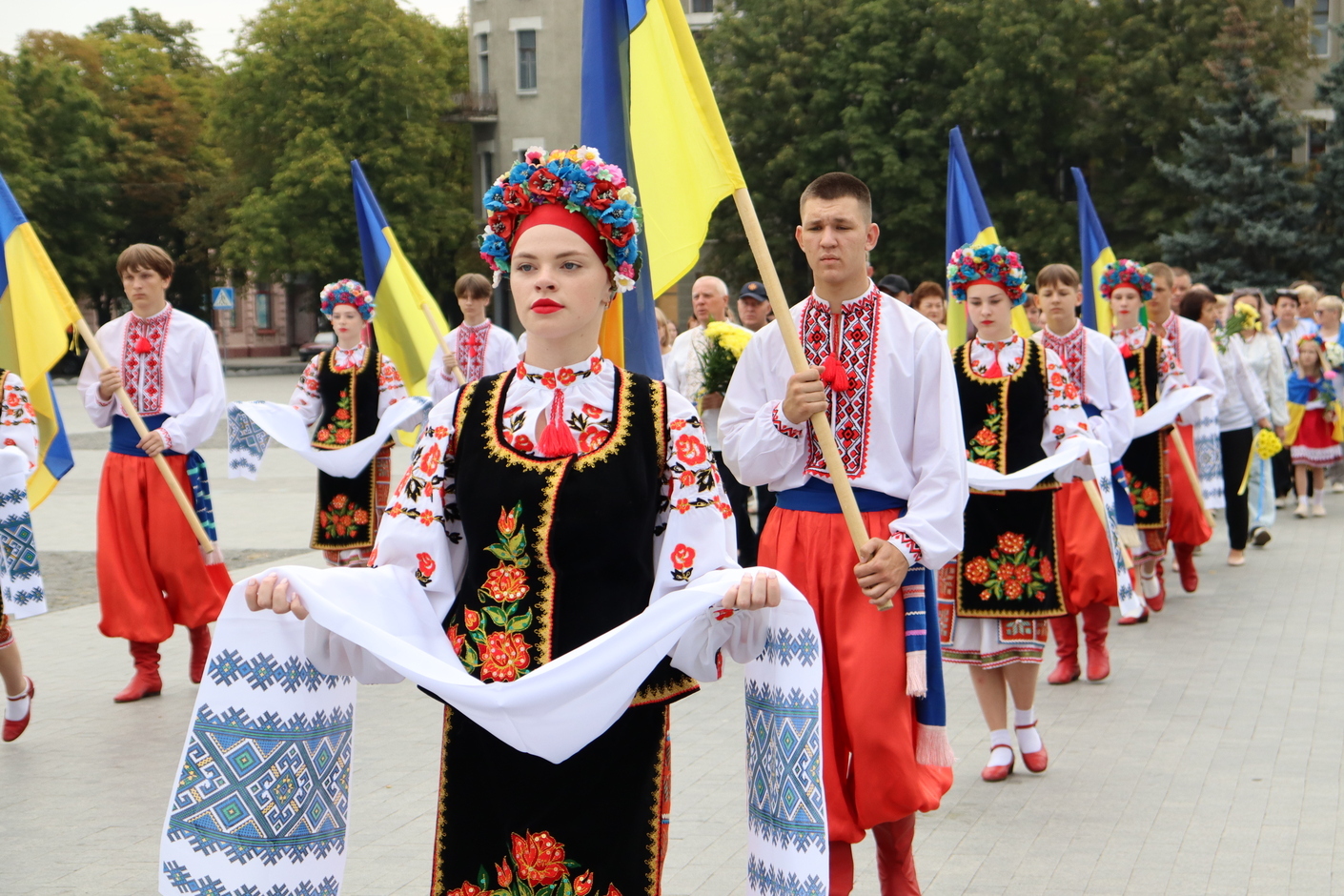
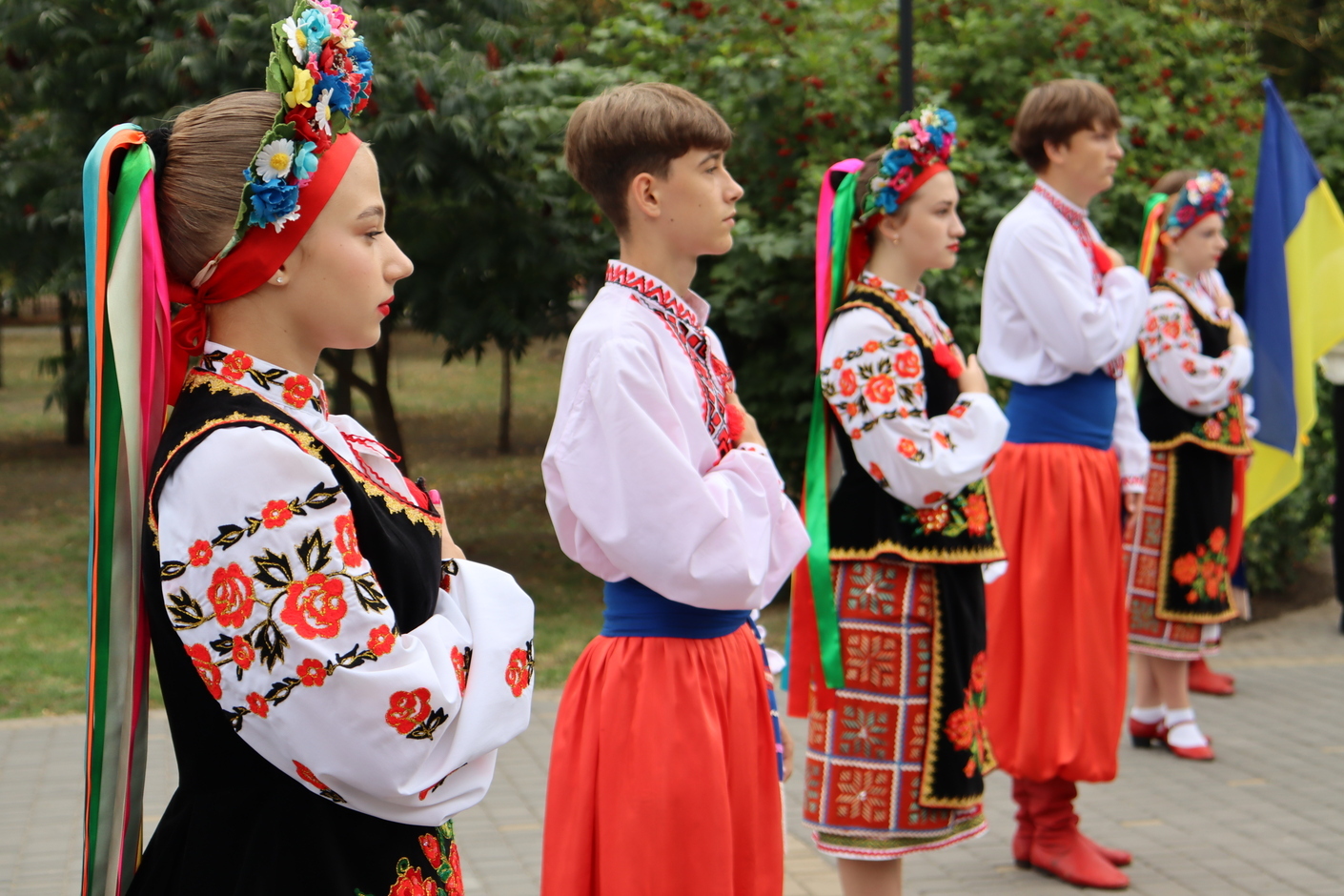
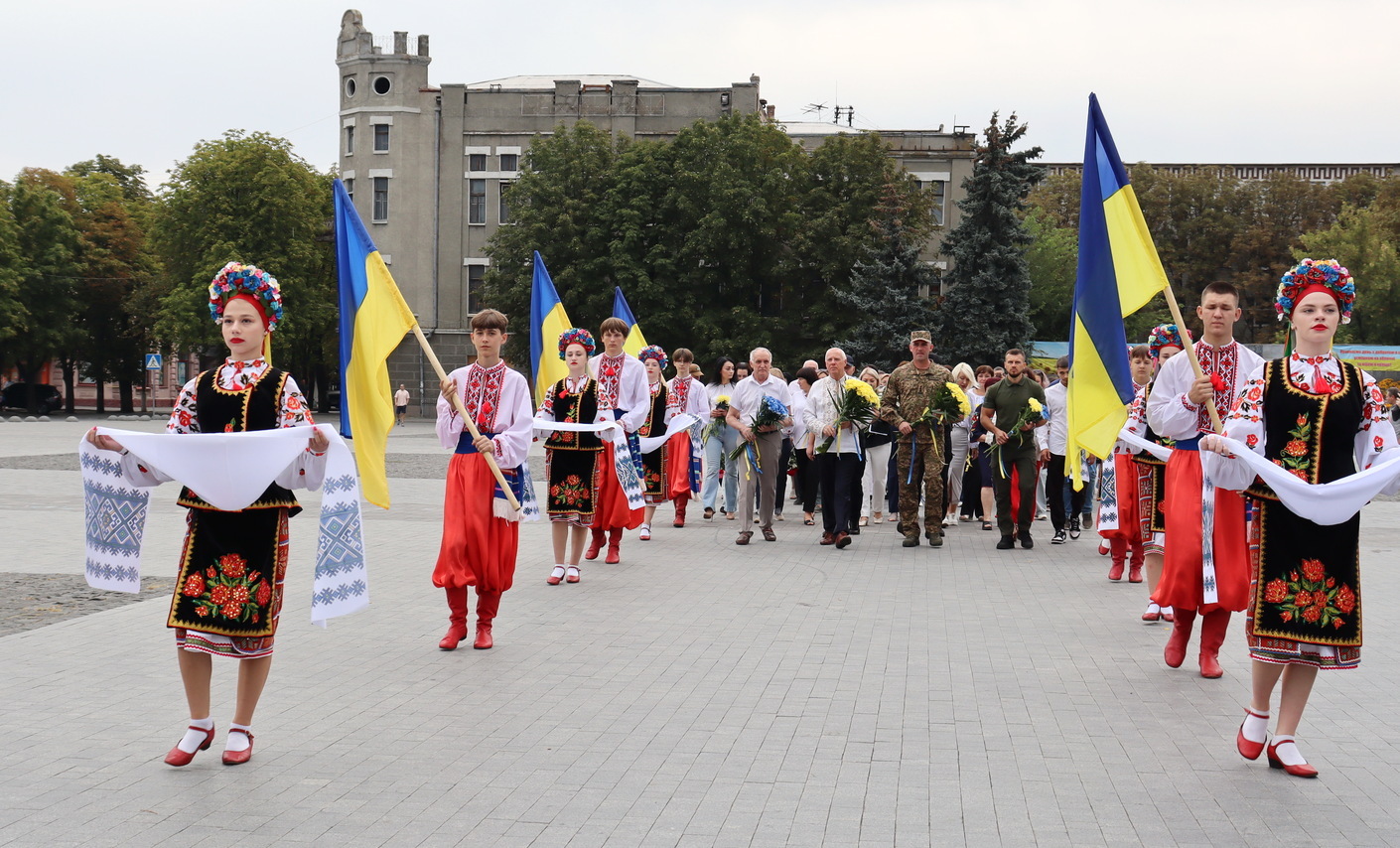
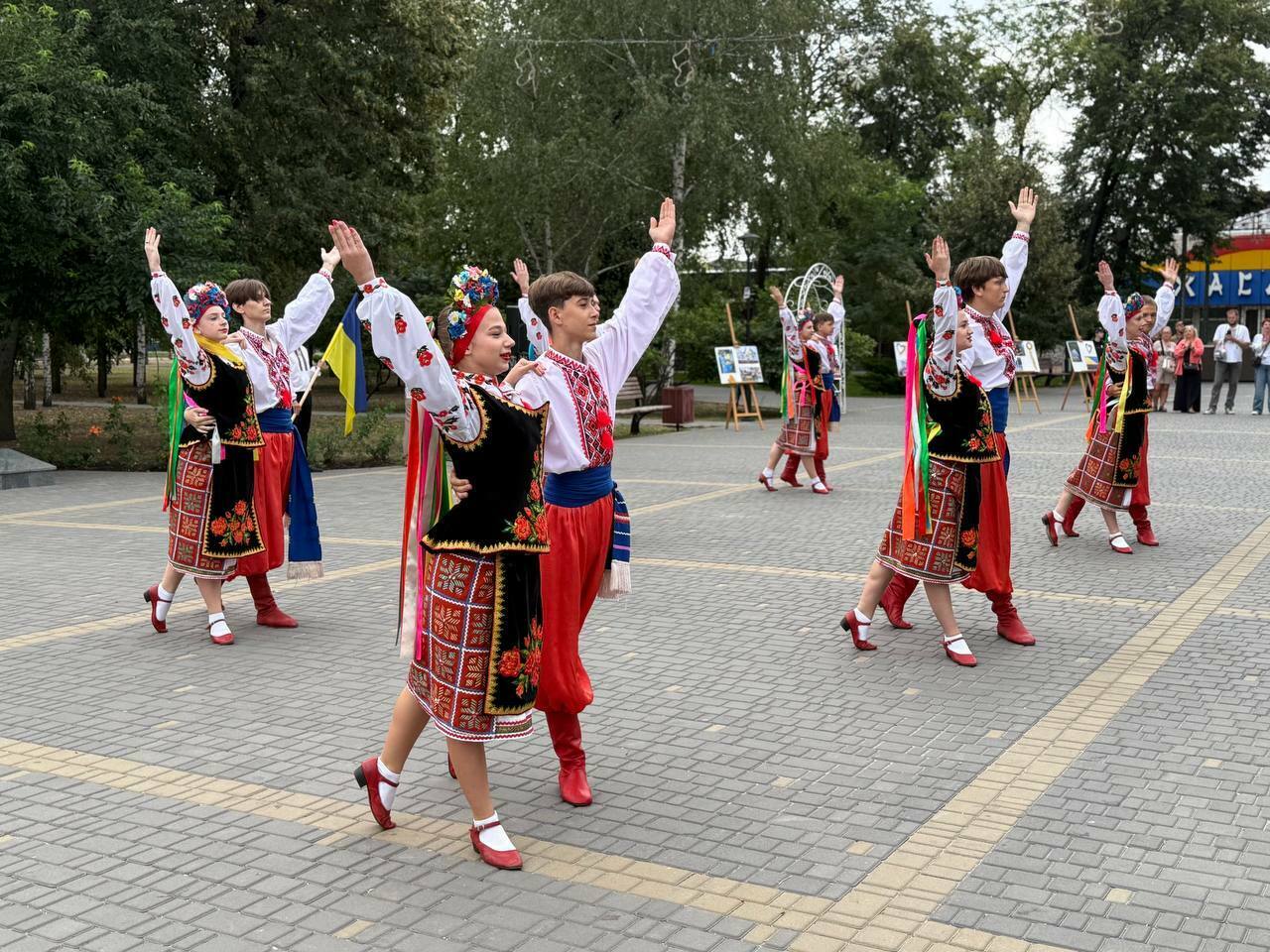
Celebration of Independence Day in Pavlohrad in 2025
02 December 2025
Громадам та місцевому бізнесу: добірка актуальних можливостей грудня
Громадам та місцевому бізнесу: добірка...
Грудень – час не лише підбивати підсумки року, але й поступово планувати наступний рік, закладати фундамент...
02 December 2025
How EGAP helps communities implement digital solutions and improve management efficiency
How EGAP helps communities implement digital...
Digitalisation is becoming more than just a buzzword; it is a real tool for developing Ukrainian communities. At the...
02 December 2025
9 грудня відбудеться конференція щодо...
9 грудня 2025 року у Києві шведсько-українська Програма Polaris «Підтримка багаторівневого врядування в Україні»...
02 December 2025
Агенції регіонального розвитку: як проєкт UCORD допомагає громадам і регіонам
Агенції регіонального розвитку: як проєкт UCORD...
Агенції регіонального розвитку (АРР) стають локальними драйверами змін: вони об’єднують громади, обласну владу,...